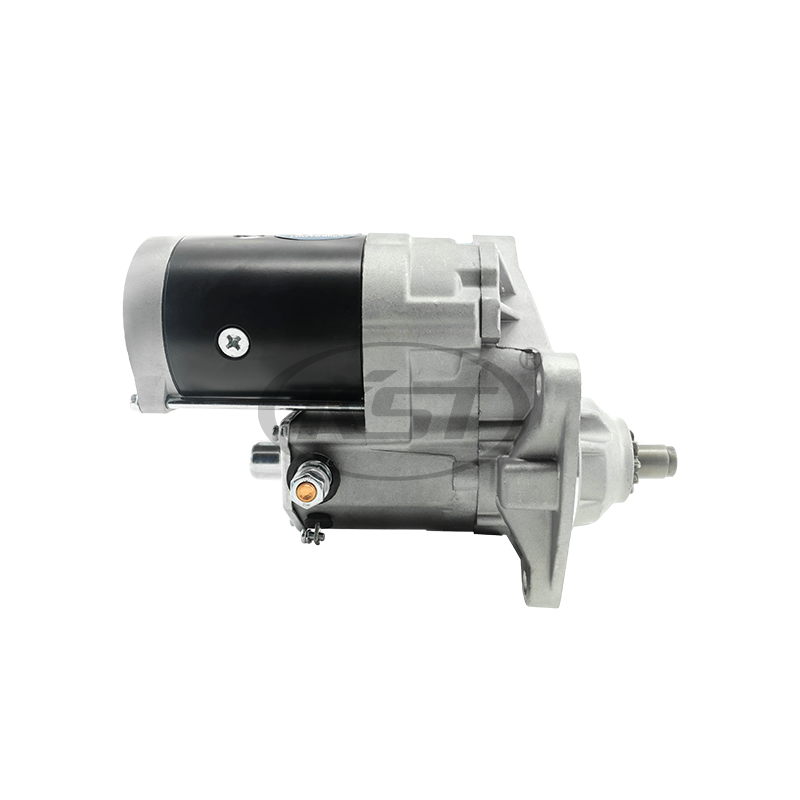
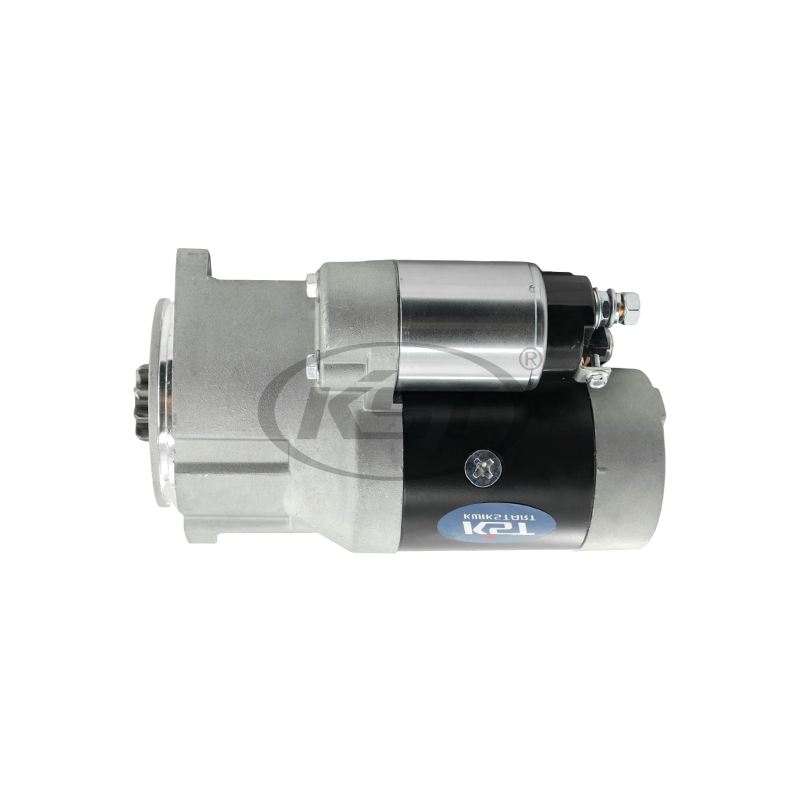
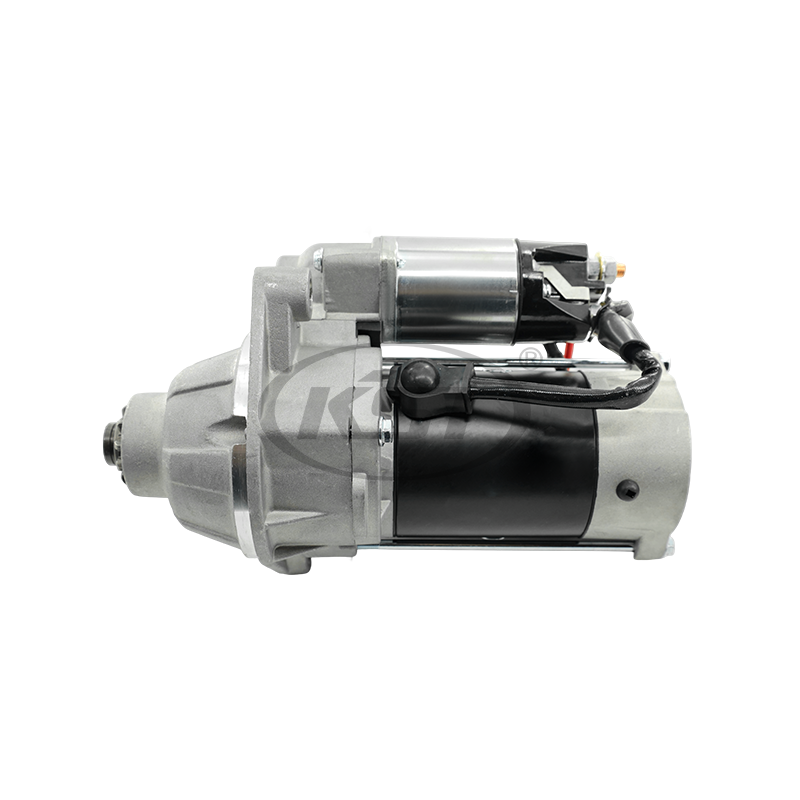
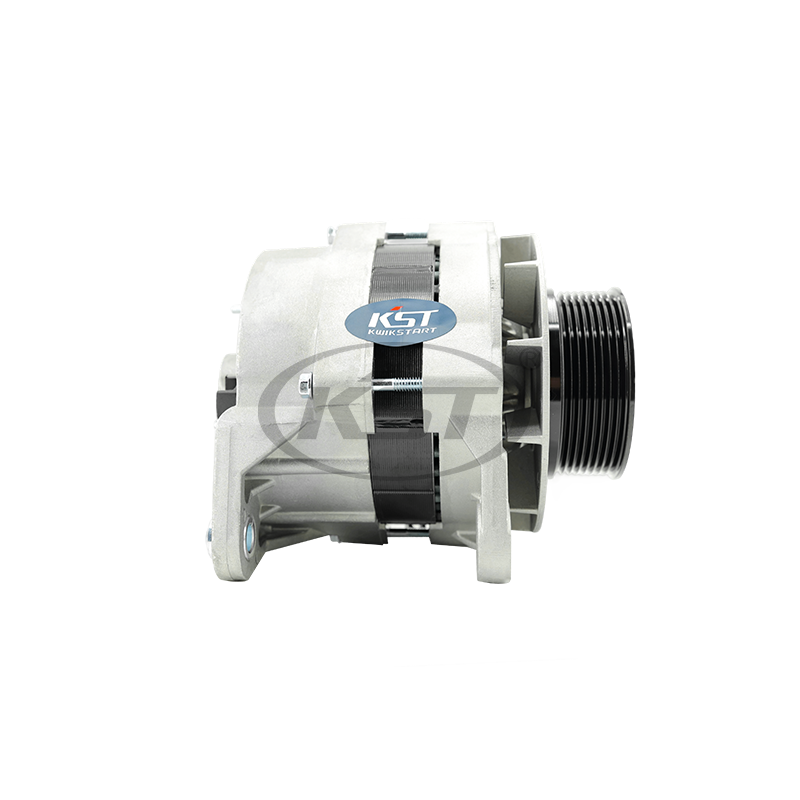
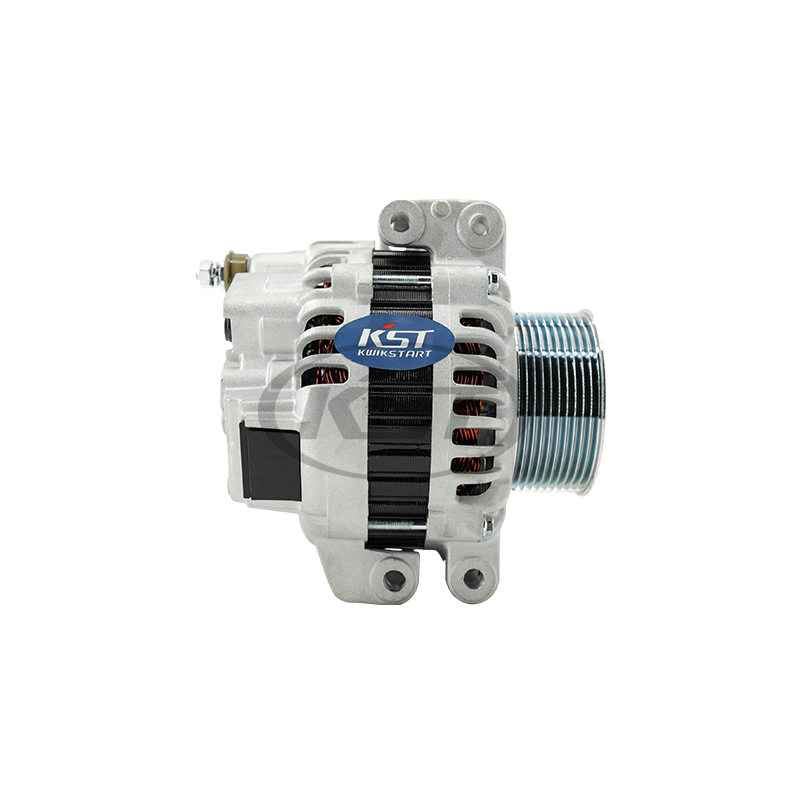
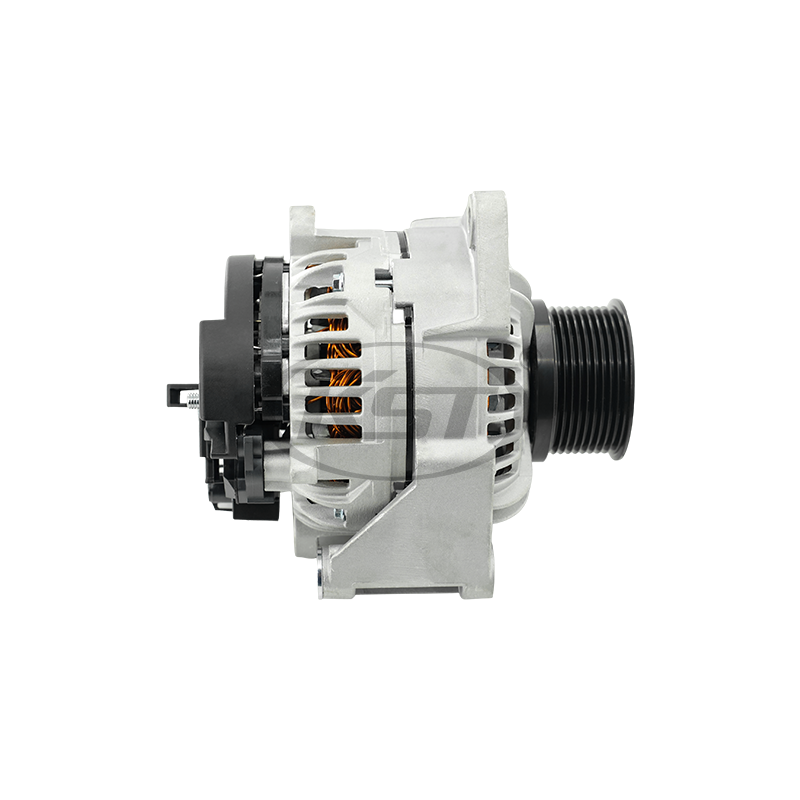
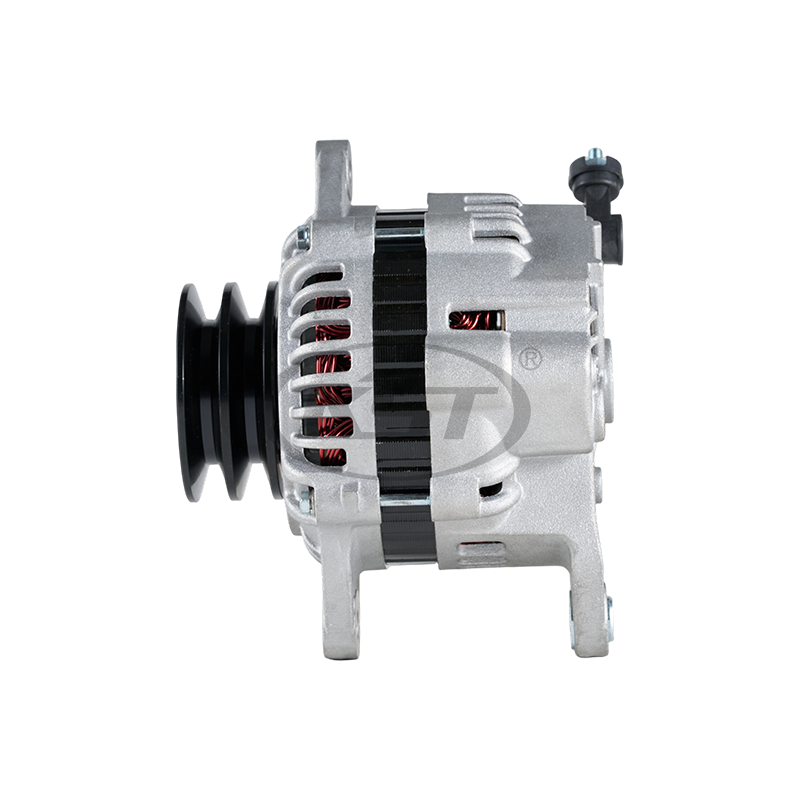
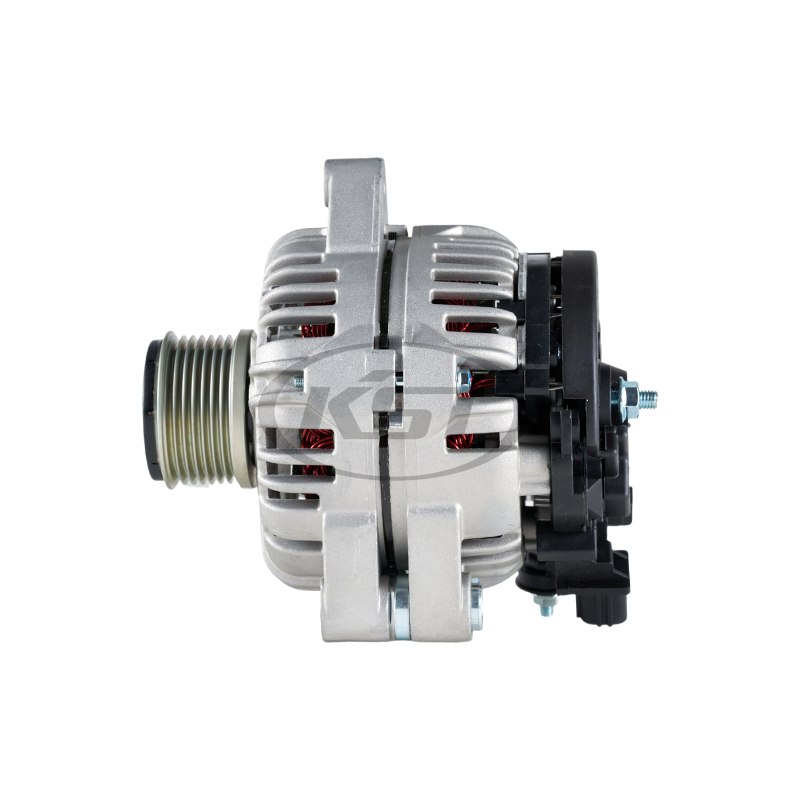
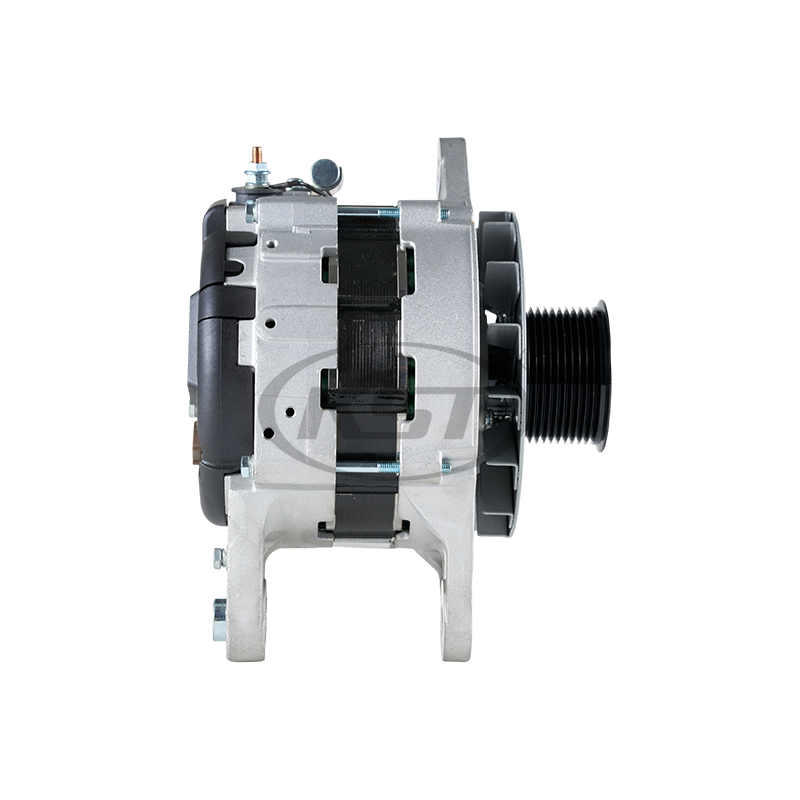
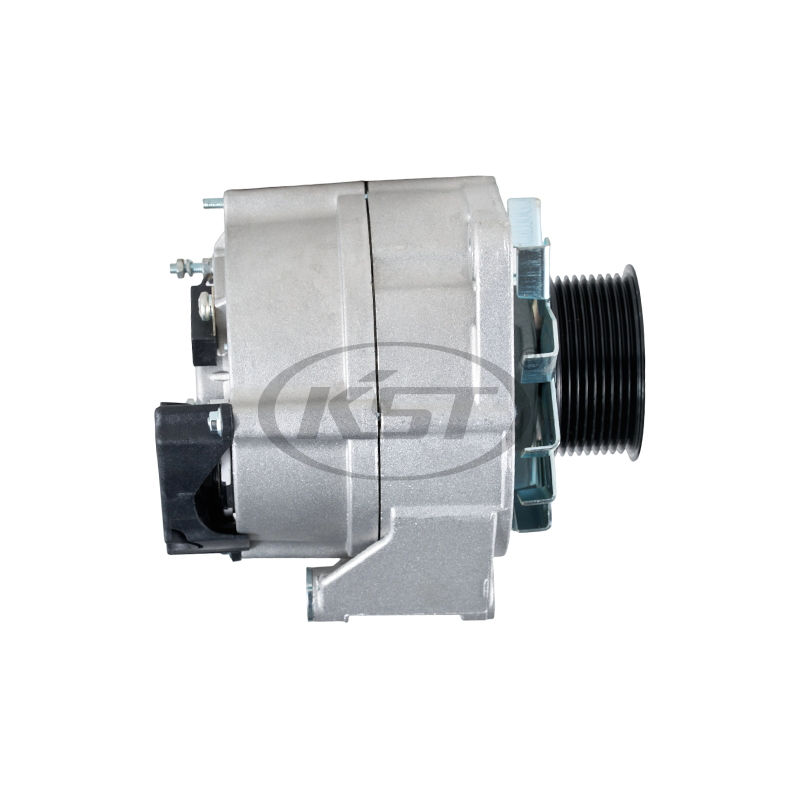
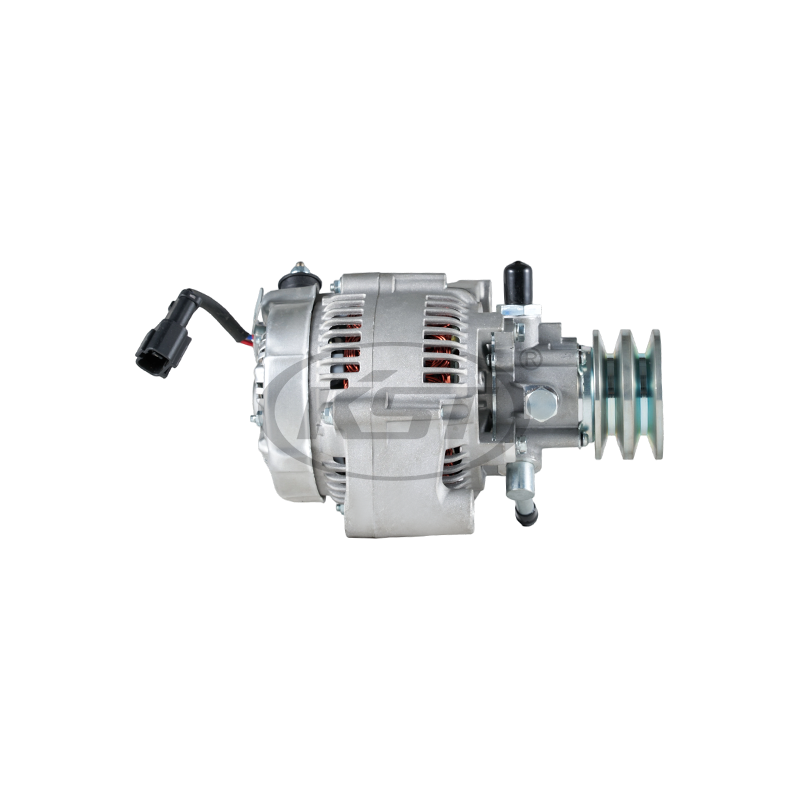
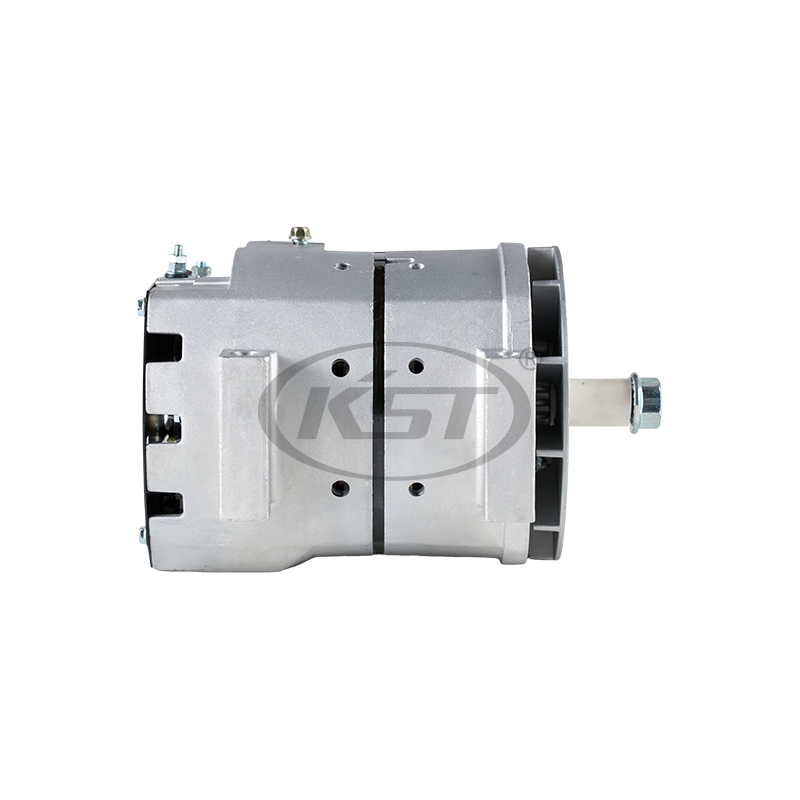
Every bulldozer pushing dirt, every excavator digging foundations, and every crane lifting steel depends on a continuous flow of electrical power. The construction machinery alternator provides this flow, converting mechanical energy from the engine into electricity that charges batteries and runs lights, computers, and controls. Unlike automotive units, these devices must survive clouds of dust, soaking rain, constant vibration, and temperature extremes that would destroy ordinary generators within weeks. Their design reflects this brutal reality.
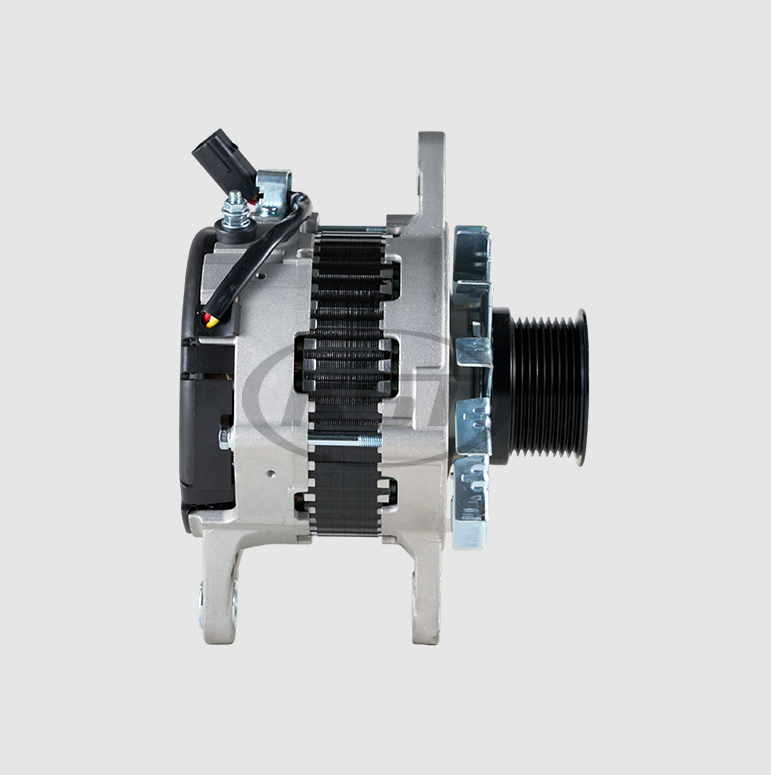
The science behind these components remains consistent across applications. A rotating magnetic field spins inside stationary wire windings, inducing electrical current through electromagnetic induction. The construction machinery alternator produces alternating current immediately converted to direct current through internal diodes. This DC power charges batteries and runs the machine's electrical systems. Regulators monitor voltage constantly, adjusting field current to maintain proper output regardless of engine speed variations.
Construction machines demand far more electrical power than passenger vehicles. Modern excavators run multiple computers, LED lighting packages, air conditioning systems, and hydraulic controls simultaneously. A typical construction machinery alternator might produce 150 to 250 amperes at 24 volts, compared to 100 amperes at 12 volts for automotive units. This higher output requires larger components, heavier windings, and more robust cooling systems to handle continuous heavy loads without overheating during extended operation.
Heavy equipment manufacturers standardize on higher voltages for good reason. Twenty-four volt systems deliver twice the power with half the current of twelve volt alternatives, reducing wiring size and voltage drop over long harness runs. Large mining machines sometimes employ thirty-two volt or higher configurations for massive starter motors. A versatile construction machinery alternator matches these system voltages through winding variations and regulator settings specific to each application.
Construction sites destroy ordinary components through contamination alone. Fine dust penetrates inadequate seals, grinding bearings and commutators to failure. High-pressure washing forces water into vulnerable connections. Alternator manufacturers combat this through labyrinth seals, multi-layer bearing protection, and fully enclosed brush compartments. A rugged construction machinery alternator keeps internal components clean and dry through years of exposure that would disable standard units in months.
Under-hood temperatures on working construction equipment exceed automotive conditions significantly. Engines run continuously at high load, radiating heat into surrounding components. Alternators generate their own heat through electrical resistance and bearing friction. Quality designs incorporate oversized heat sinks, internal fans sized for low-speed operation, and sometimes external cooling ducts. A thermal-resistant construction machinery alternator maintains output even when ambient temperatures approach boiling point.
Constant shaking from rough terrain and powerful engines destroys ordinary bearings quickly. Alternator bearings must accommodate belt tension, rotor weight, and continuous vibration while maintaining precise shaft positioning. Premium units use oversized bearings with special lubricants resisting breakdown. Some designs incorporate bearing isolators blocking contaminant entry paths. A durable construction machinery alternator relies on bearing systems engineered specifically for these abusive conditions.
Modern electronics demand stable voltage regardless of electrical load variations. Microprocessor-based regulators sample output dozens of times per second, adjusting field current to maintain precise control. Some systems communicate with engine computers, optimizing charging based on operating conditions. Temperature compensation raises voltage in cold weather for better battery charging while reducing it in heat to prevent overcharging. An intelligent construction machinery alternator regulator protects expensive batteries and electronics from voltage damage.
Your email address will not be published. Required field are marked*
Get in Touch
 Heavy Duty Vehicle Motor Factory


 en
en  English
 عربى
عربى فارسی
فارسی