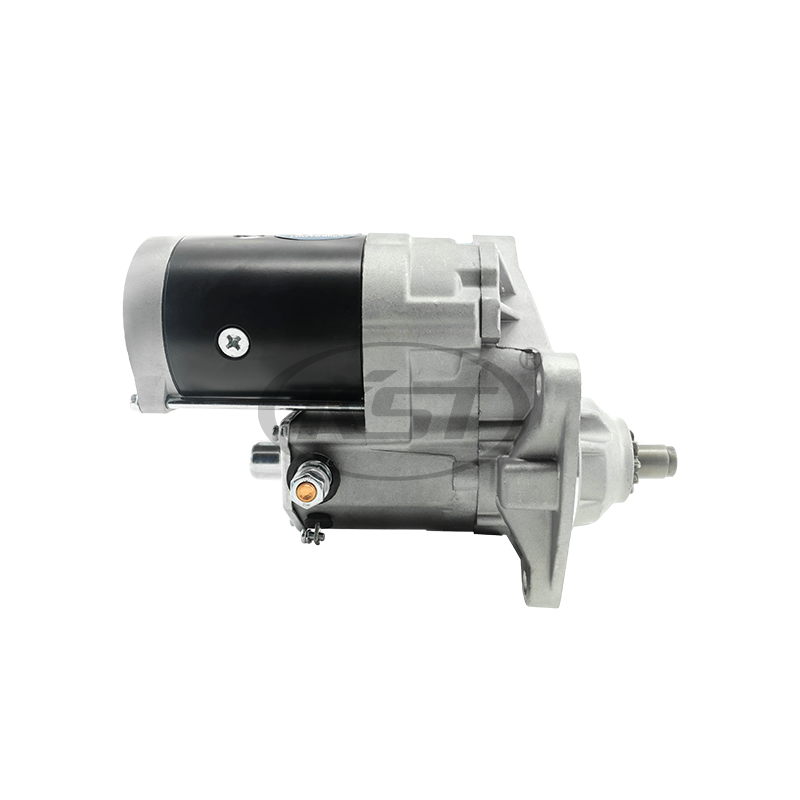
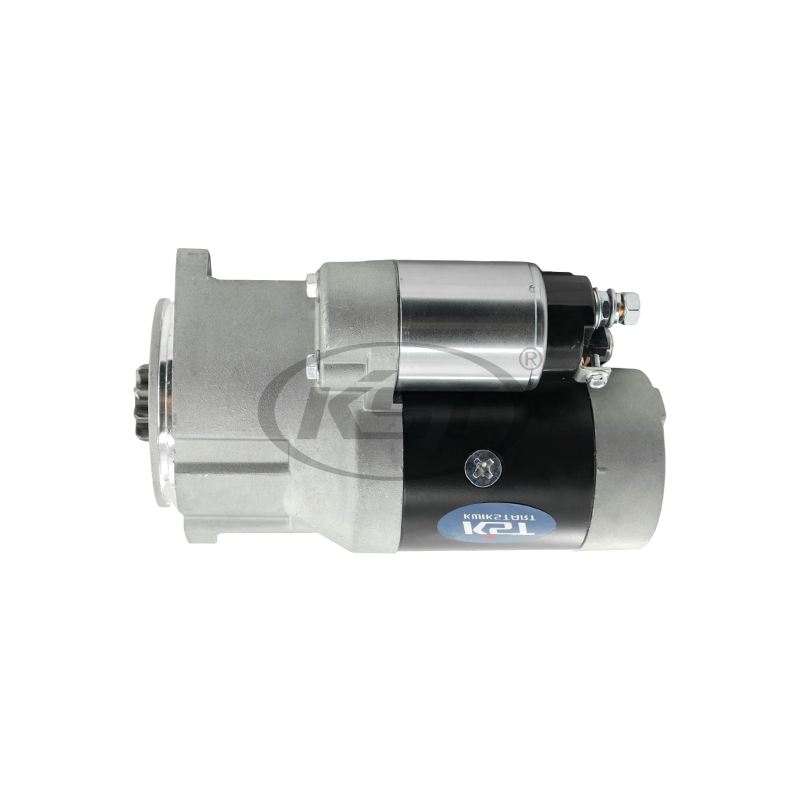
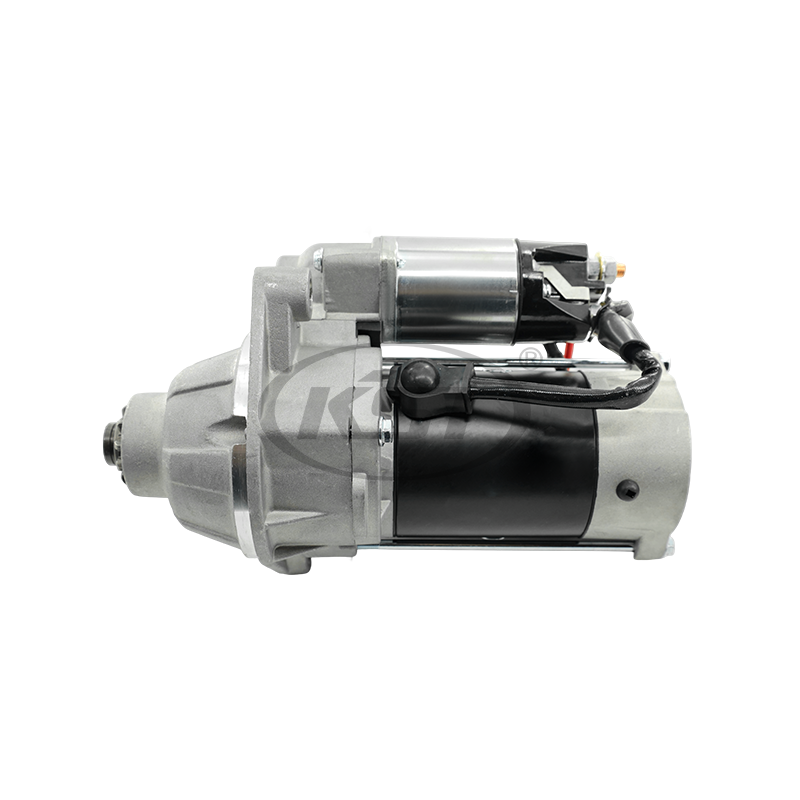
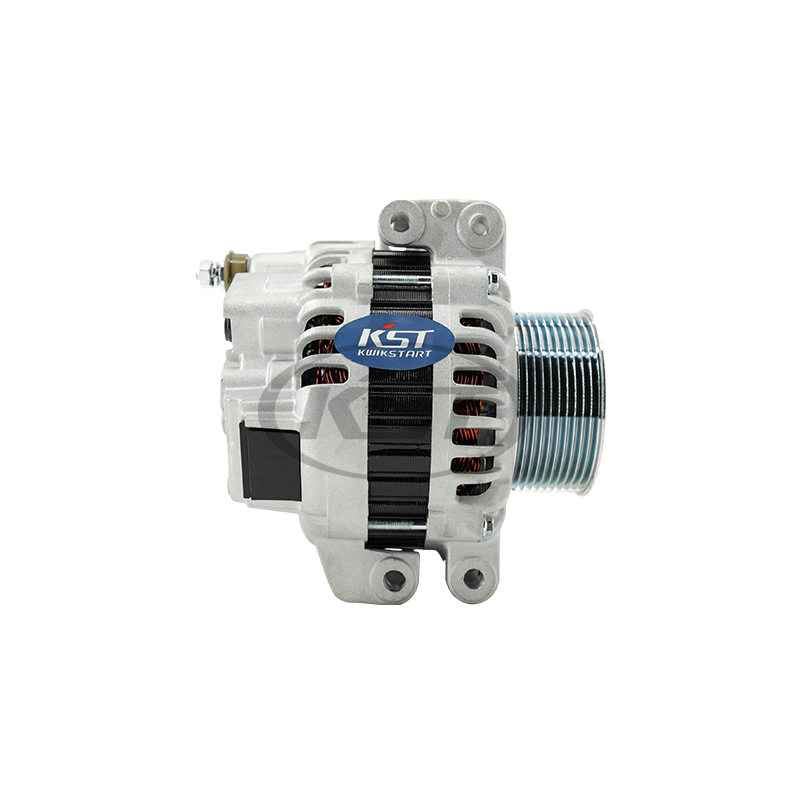
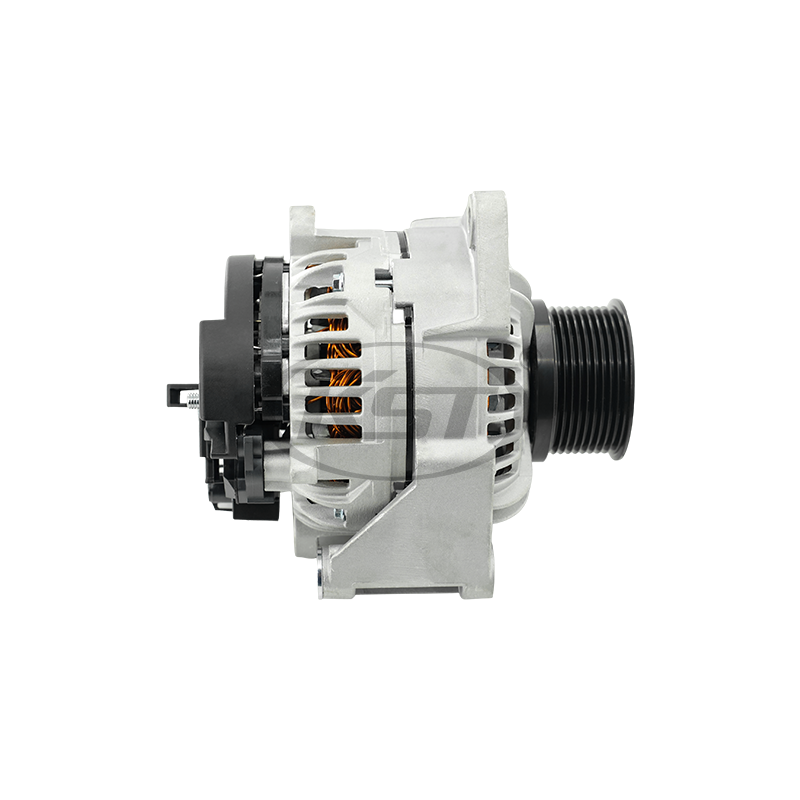
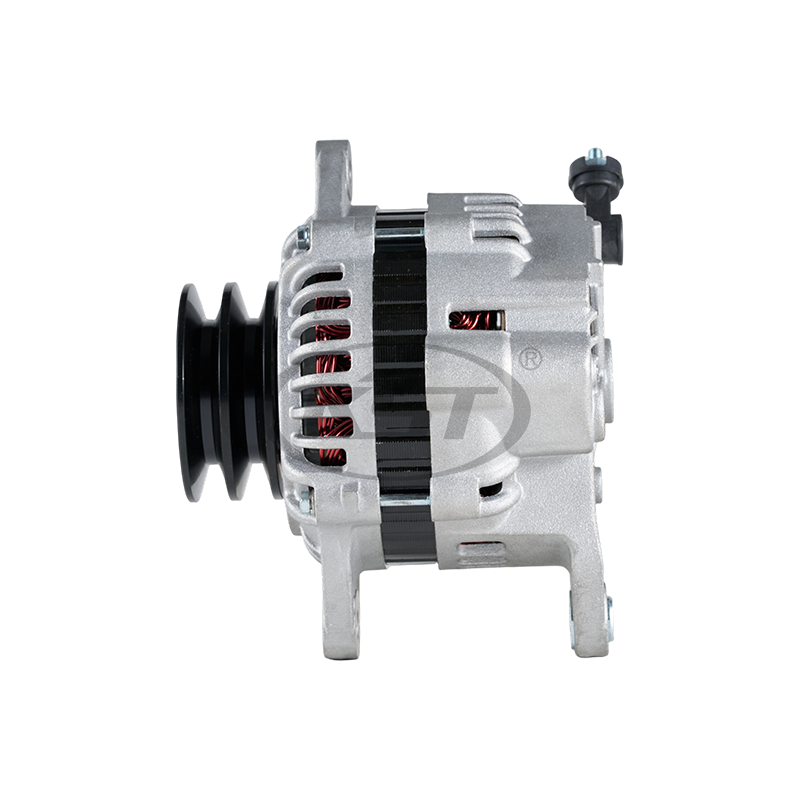
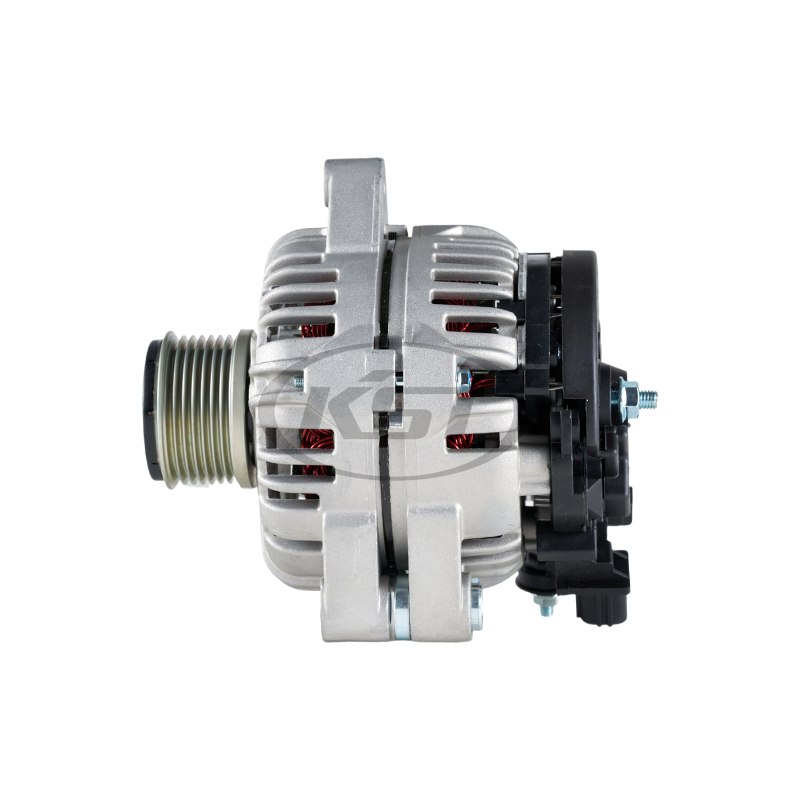
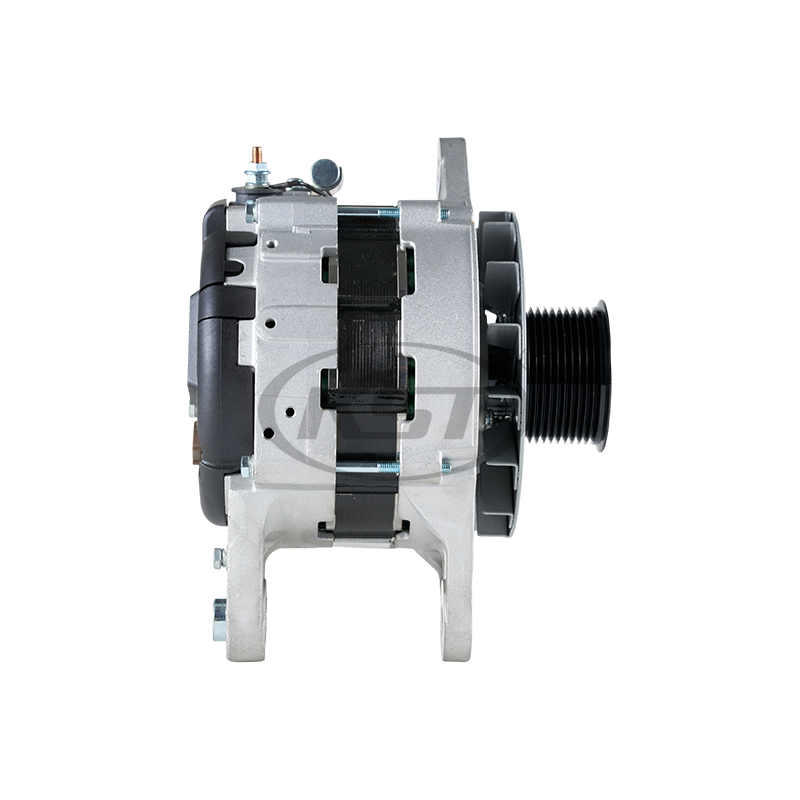
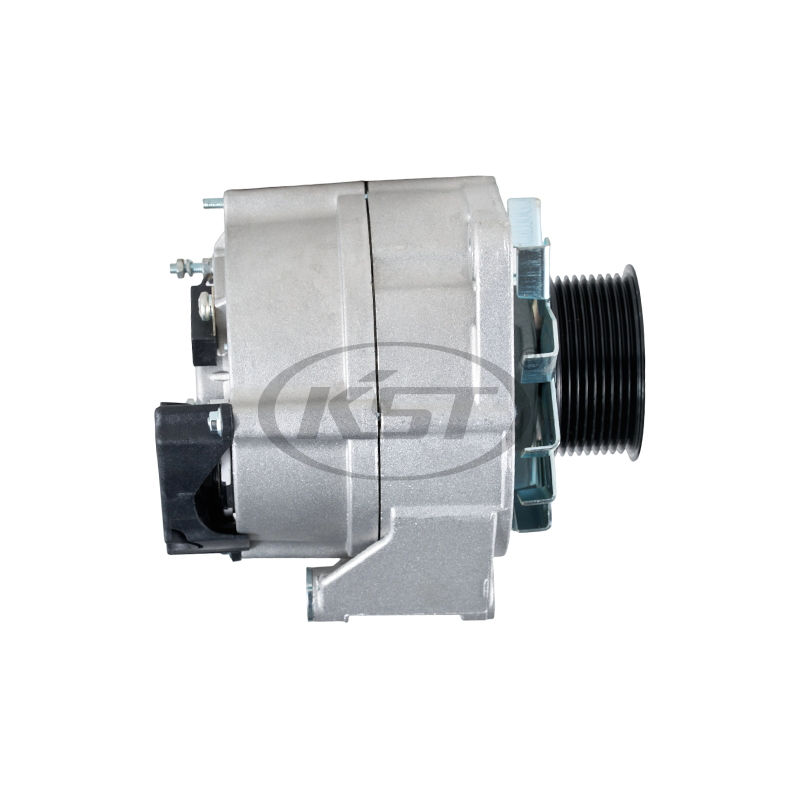
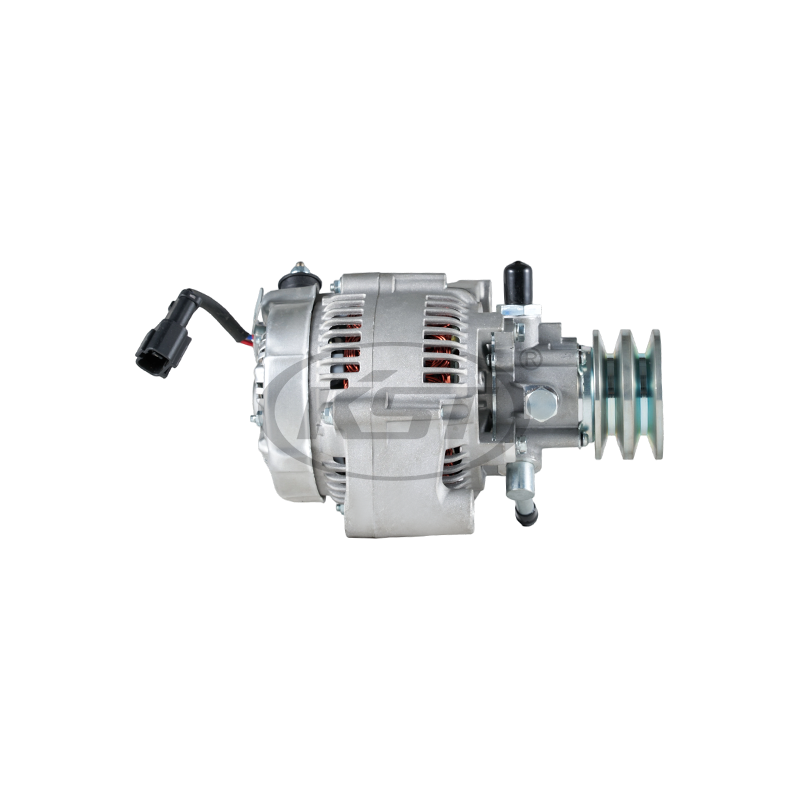
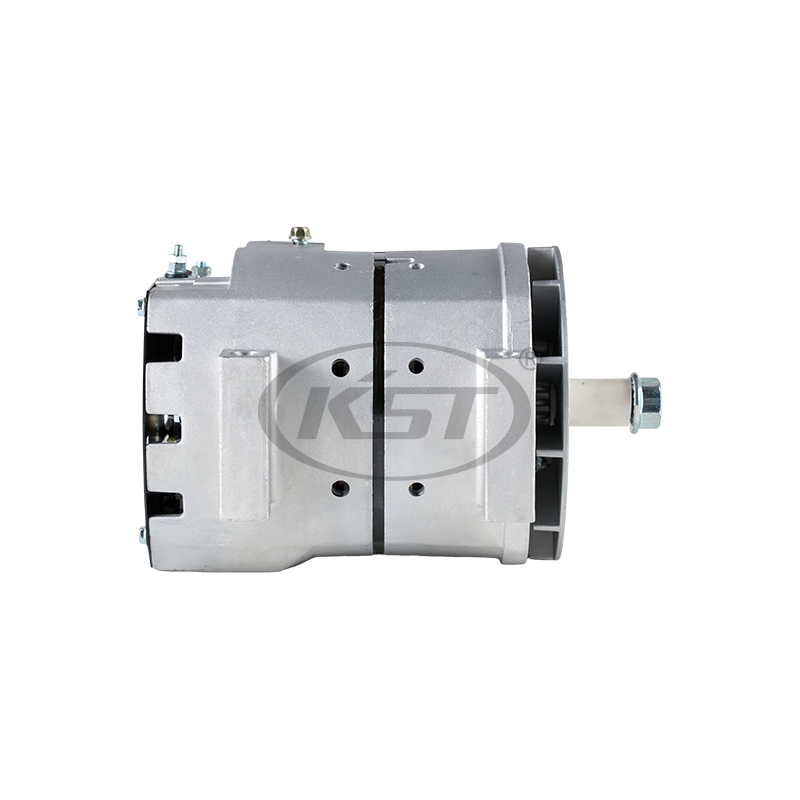
Imagine turning a key and feeling the ground shake as a massive diesel engine roars to life. That moment depends on a construction machinery starter built for punishment far beyond automotive applications. These compact electric motors must spin enormous flywheels against compression ratios that would destroy ordinary starters. They face dust storms, monsoon rains, freezing temperatures, and constant vibration that would kill lesser components within weeks. Engineers design them specifically for this brutal existence.
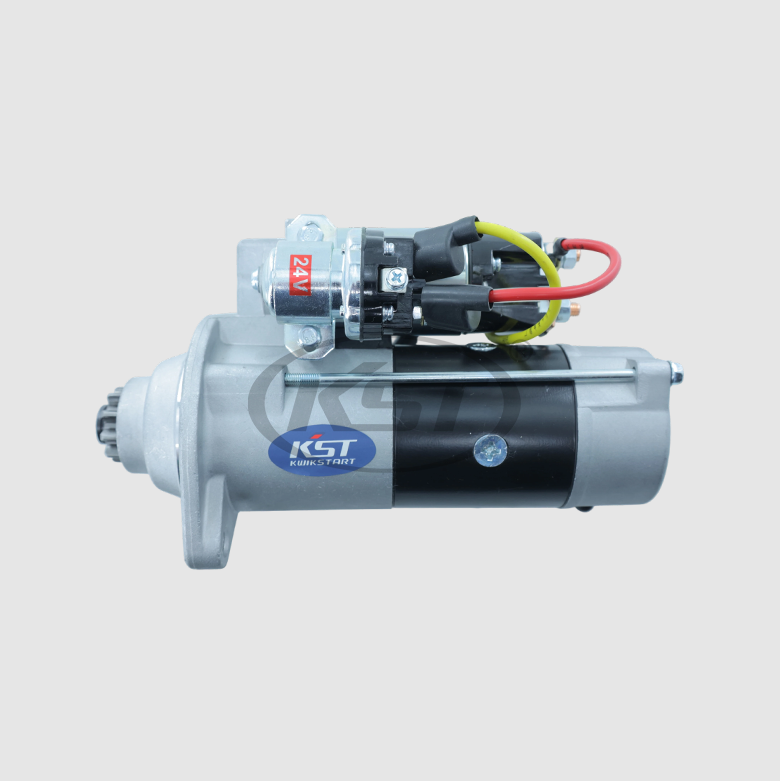
A typical car starter might produce fifteen foot-pounds of torque. A construction machinery starter for a large excavator generates hundreds of foot-pounds, enough to lift a small car. This enormous twisting force comes from specialized electromagnetic designs using heavy-gauge windings and powerful magnetic fields. The armature must withstand sudden shock loads when teeth engage flywheels already moving from compression kicks. Gear reduction systems multiply motor torque while absorbing engagement impacts that would strip straight-drive teeth instantly.
Construction equipment operates on various electrical systems worldwide. Smaller machines typically use twelve-volt starters familiar from automotive applications. Larger equipment moves to twenty-four-volt systems delivering more power without excessive current. Some massive mining machines employ thirty-two-volt or even higher configurations. A versatile construction machinery starter accommodates these different voltages through winding variations and component ratings matched to specific system requirements found across international job sites.
The solenoid acts as both switch and engagement mechanism, slamming the drive pinion into flywheel teeth thousands of times. Contacts must handle hundreds of amps without welding closed or burning open. Plunger mechanisms endure constant reciprocation without wearing loose. Seals prevent dust intrusion that would cause sticking. A reliable construction machinery starter uses solenoids designed for millions of cycles, recognizing that failure here leaves equipment stranded until replacement arrives.
The drive assembly transfers motor rotation to flywheels through one-way clutches allowing overrun after engines start. These mechanisms withstand violent engagement shocks as spinning pinions clash with flywheels. Roller clutches must grip instantly under load yet release smoothly when engines exceed starter speed. Some designs use sprag clutches handling higher torque in compact spaces. A durable construction machinery starter incorporates drive components engineered for thousands of engagement cycles without failure.
Carbon brushes conduct power into rotating armatures through constant sliding contact. Construction equipment starters face longer cranking periods than automotive units, especially in cold weather or with stubborn engines. Brush materials must wear slowly while maintaining consistent contact pressure. Spring designs hold brushes against commutators despite vibration that would bounce lighter springs. A long-life construction machinery starter uses brush formulations developed specifically for heavy-duty applications.
The outer shell must exclude dust fine enough to pass through cigarette filters. Seals at every joint prevent water entry during monsoon operation or pressure washing. Drain holes allow condensation escape while maintaining labyrinth paths blocking direct spray. Some designs incorporate breather membranes equalizing pressure without contamination. A weather-resistant construction machinery starter keeps internal components dry and clean through years of outdoor exposure.
Engine manufacturers position starters wherever space allows, creating countless mounting variations. Flange patterns differ between SAE standards and proprietary designs. Drive housing lengths position pinions correctly relative to flywheels. Terminal locations must clear surrounding components. A flexible construction machinery starter design accommodates these variations through modular components assembled to specific customer requirements.
Arctic operations demand starters capable of spinning frozen oil at temperatures far below zero. Special lubricants remain fluid when ordinary grease solidifies. Battery connections must deliver full power despite increased resistance. Some designs incorporate intake air heaters or glow plug controls assisting cold starts. A cold-rated construction machinery starter ensures equipment operates through northern winters without extended warm-up delays.
Your email address will not be published. Required field are marked*
Get in Touch
 Heavy Duty Vehicle Motor Factory


 en
en  English
 عربى
عربى فارسی
فارسی