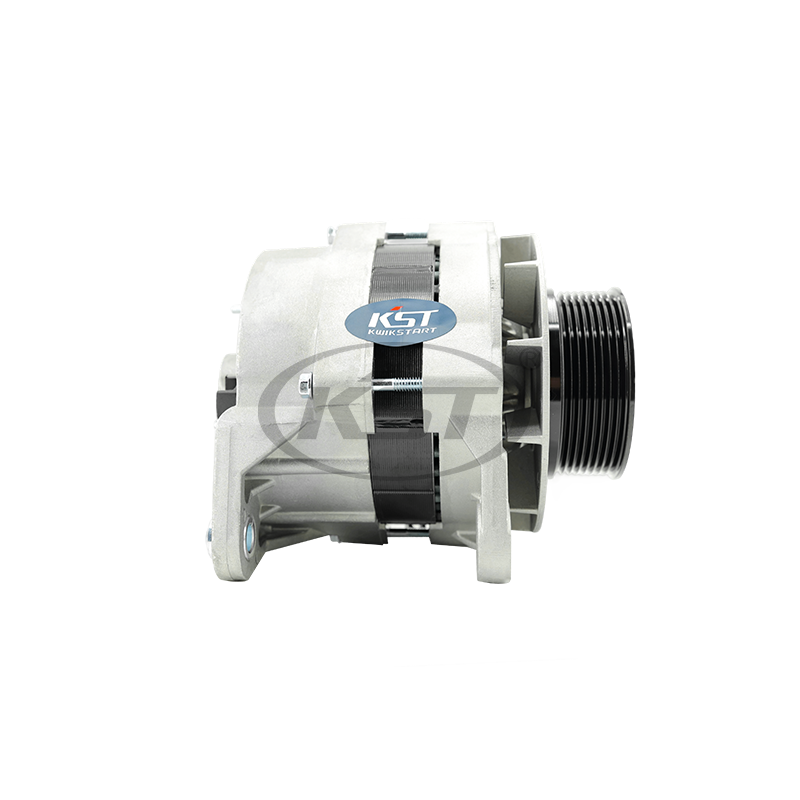
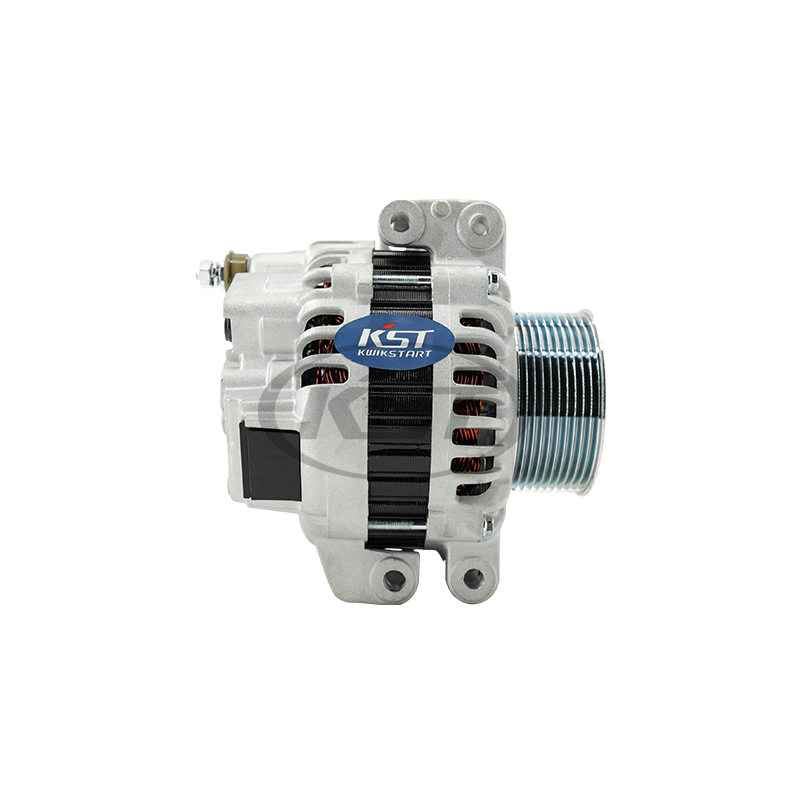
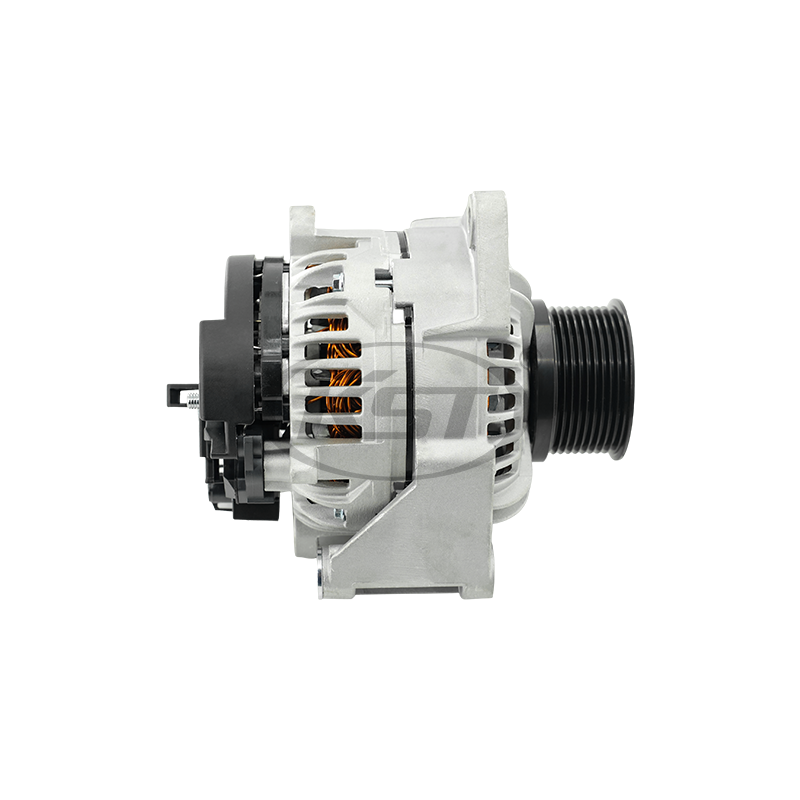
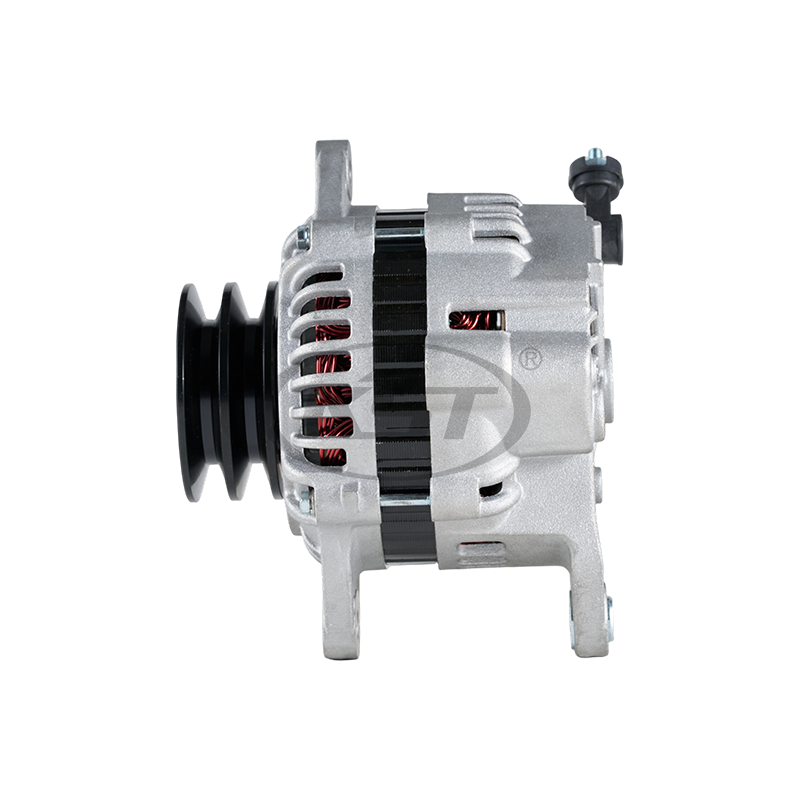
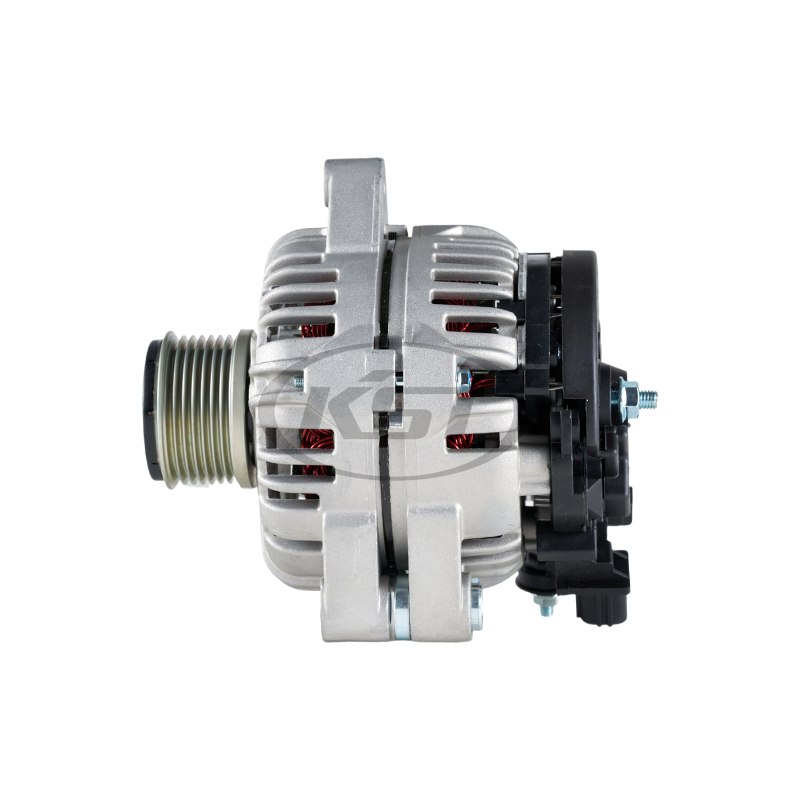
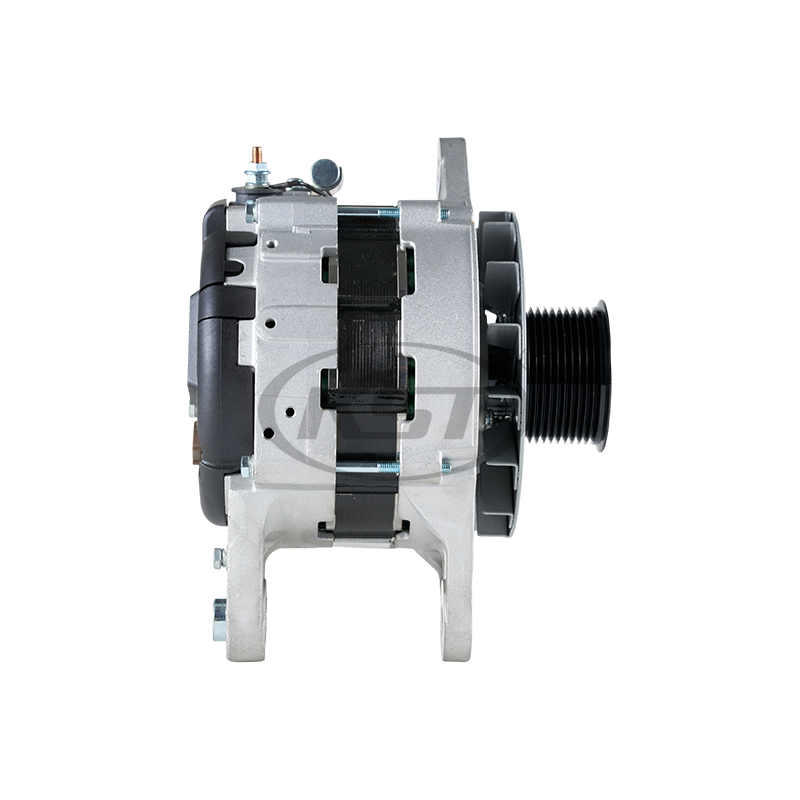
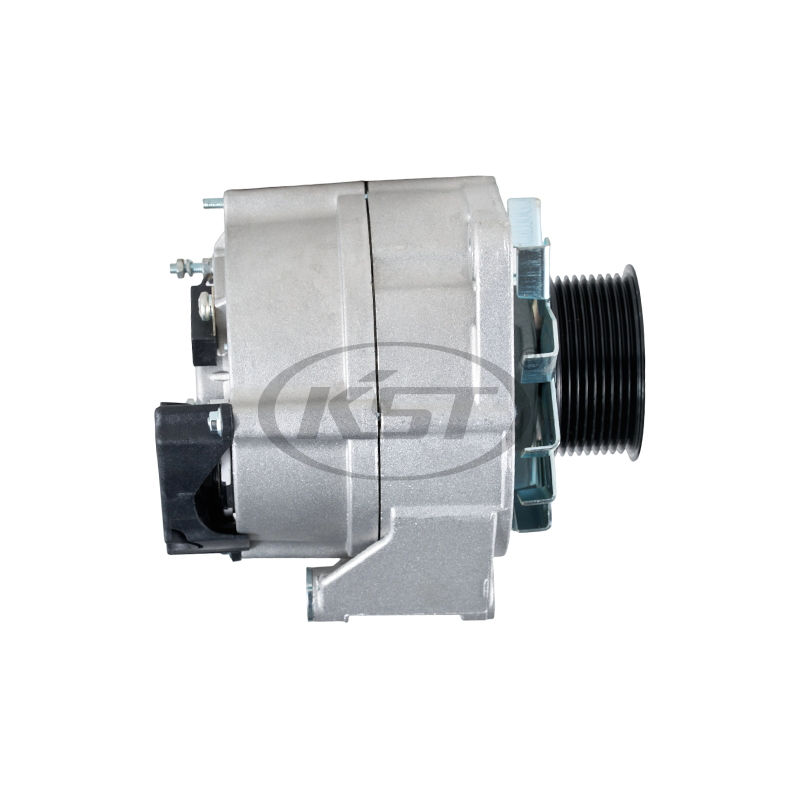
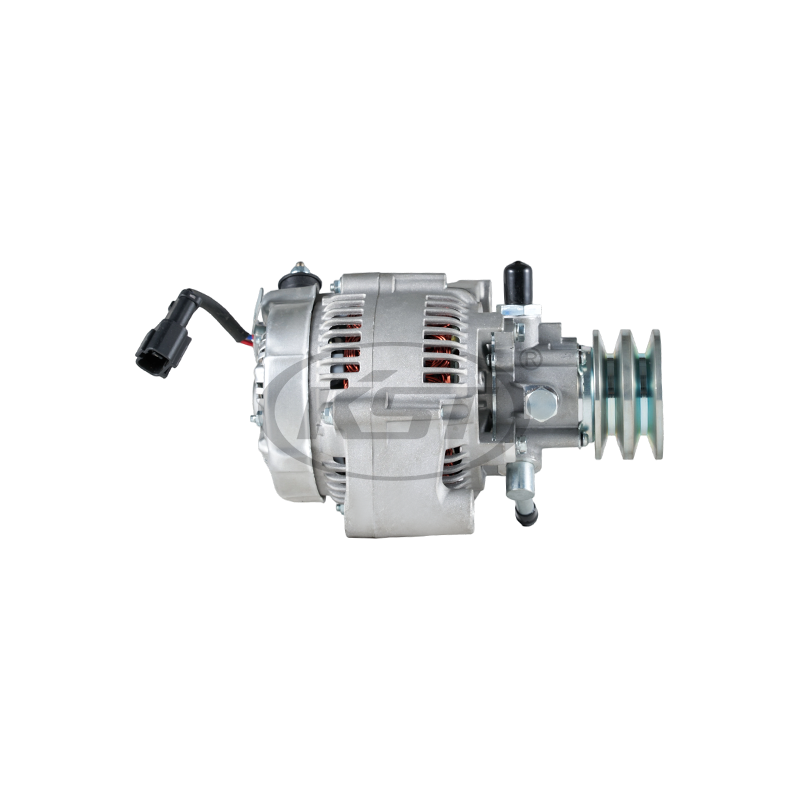
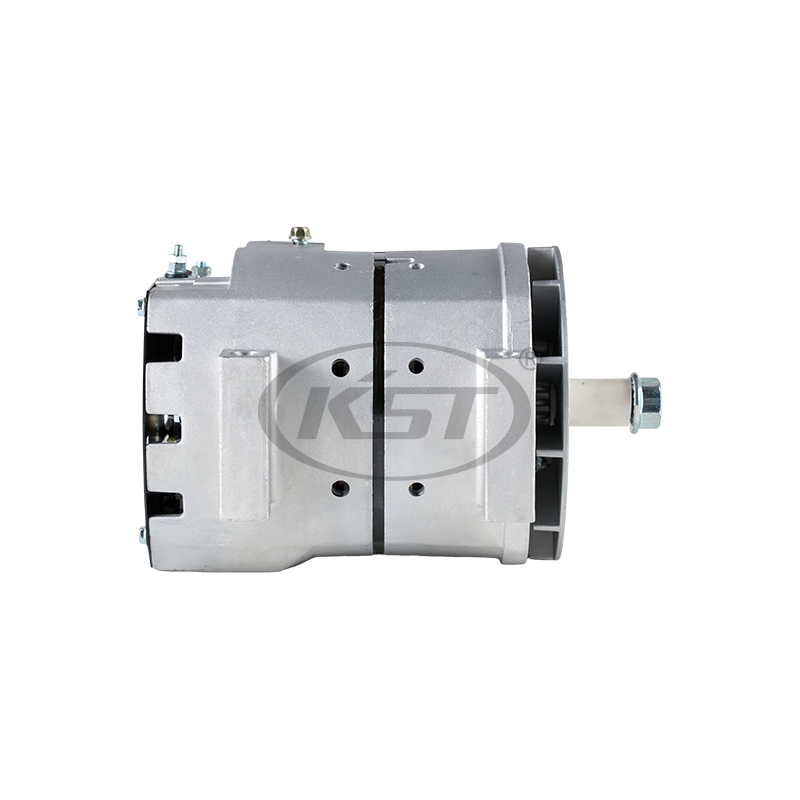
Behind every reliable alternator sits thousands of hours of engineering work. The alternator manufacturing design process starts with understanding exactly what customers need from their charging systems. Passenger cars demand quiet operation and compact size. Heavy trucks need durability for million-mile service. Construction equipment requires contamination resistance beyond normal standards. Designers study these requirements, then translate them into detailed specifications guiding every subsequent development step.
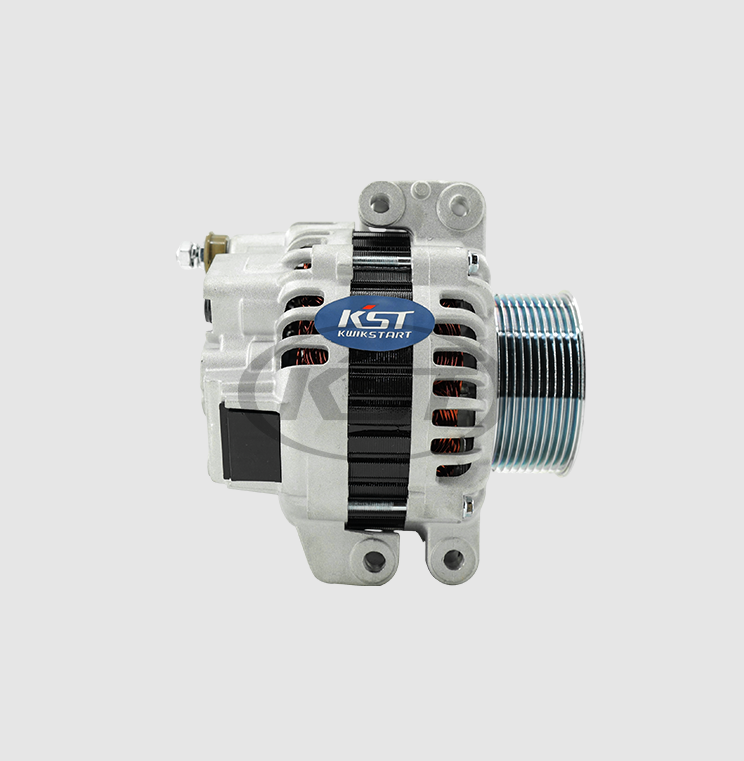
The fundamental electrical design determines everything that follows. Engineers calculate required output curves across the entire speed range an engine will experience. They select voltage regulators matching battery chemistry and vehicle electronics. They specify rectifier configurations balancing efficiency against heat generation. These early decisions in alternator manufacturing design establish performance boundaries that mechanical components must later support through careful engineering integration.
Creating strong magnetic fields efficiently requires sophisticated electromagnetic analysis. Engineers use finite element software modeling field distribution through iron cores and air gaps. They optimize pole shapes concentrating flux where it produces current. They calculate winding turns balancing output against resistance losses. This magnetic design work represents some of the complex aspects of alternator manufacturing design, requiring deep understanding of both electrical theory and practical manufacturing constraints.
Alternators convert mechanical power to electricity, but some energy always becomes waste heat. Engineers must move this heat away from temperature-sensitive components. They design cooling fans moving air through internal passages. They select heat sink geometries surface area within available space. They position diodes and regulators where airflow reaches them effectively. A thorough alternator manufacturing design ensures operating temperatures stay within component limits even during prolonged heavy output.
The alternator housing must do many jobs simultaneously. It supports precision bearings maintaining rotor position within thousandths of an inch. It provides mounting points attaching securely to engine blocks. It protects internal components from environmental contamination. It transfers heat to surrounding air. Structural analysis confirms housings survive vibration and shock without fatigue failure. A robust alternator manufacturing design balances all these requirements within weight and cost constraints.
Rotor support affects everything from noise to durability. Engineers select bearing types based on load conditions and speed ranges. They design lubrication systems providing continuous protection throughout service life. They calculate preload preventing internal clearance issues at operating temperatures. Seal selection keeps lubricant in while contaminants stay out. Careful attention to these details in alternator manufacturing design prevents premature bearing failure that would disable otherwise functional units.
Converting alternating current to direct current requires semiconductor devices mounted where cooling reaches them. Engineers design heat sinks spreading thermal energy across available surfaces. They select diode ratings providing safety margins above expected currents. They arrange connections minimizing resistance losses between components. Circuit board layouts position protection components responding to transient voltage spikes. A complete alternator manufacturing design includes rectifier systems surviving years of continuous electrical stress.
Modern voltage regulators do far more than simply limit voltage. They communicate with engine computers through data networks. They adjust charging based on battery temperature and state of charge. They protect against reverse polarity and load dump transients. They provide diagnostic information helping technicians identify system problems. Advanced alternator manufacturing design incorporates these features while maintaining reliability in harsh under-hood environments.
Designers must consider how their creations will actually get built. Component shapes allow automated assembly where possible. Tolerances balance performance against production capability. Test points provide access for quality verification during manufacturing. Service features simplify eventual repair when needed. A practical alternator manufacturing design works as well on production lines as it does in engineering simulations.
Your email address will not be published. Required field are marked*
Get in Touch
 Heavy Duty Vehicle Motor Factory


 en
en  English
 عربى
عربى فارسی
فارسی