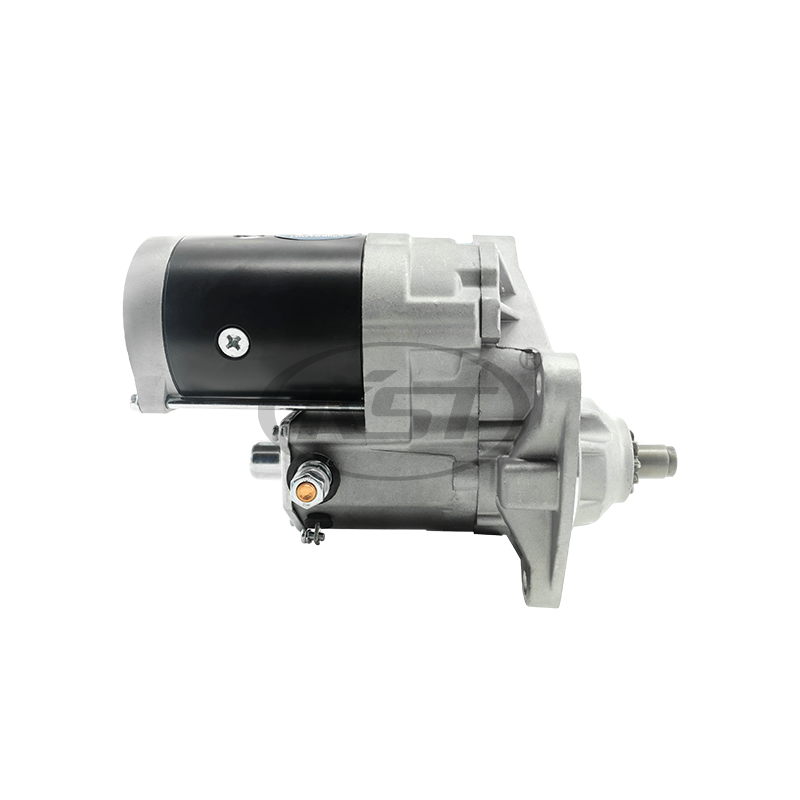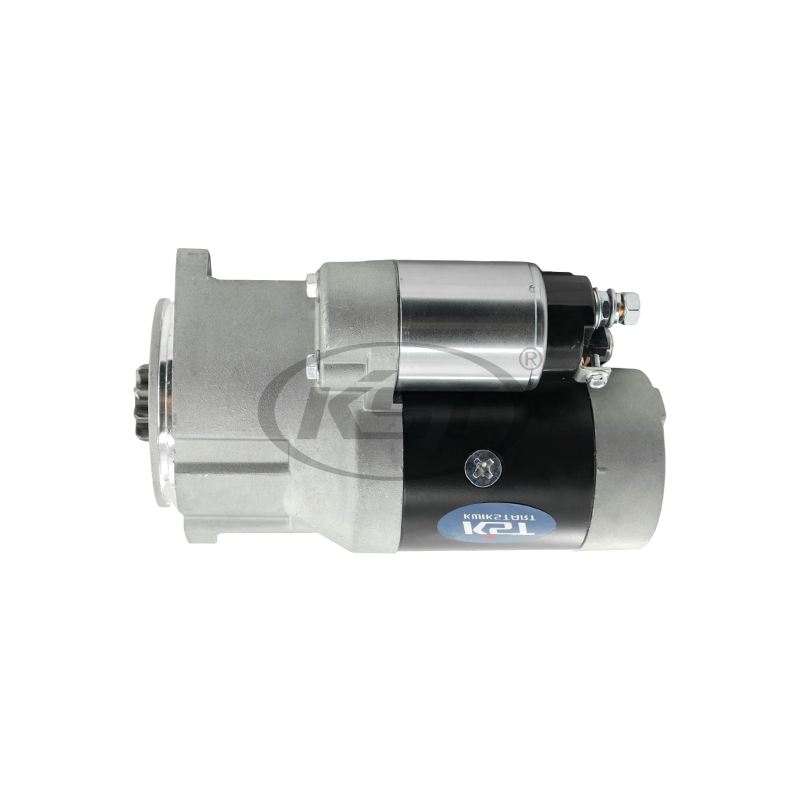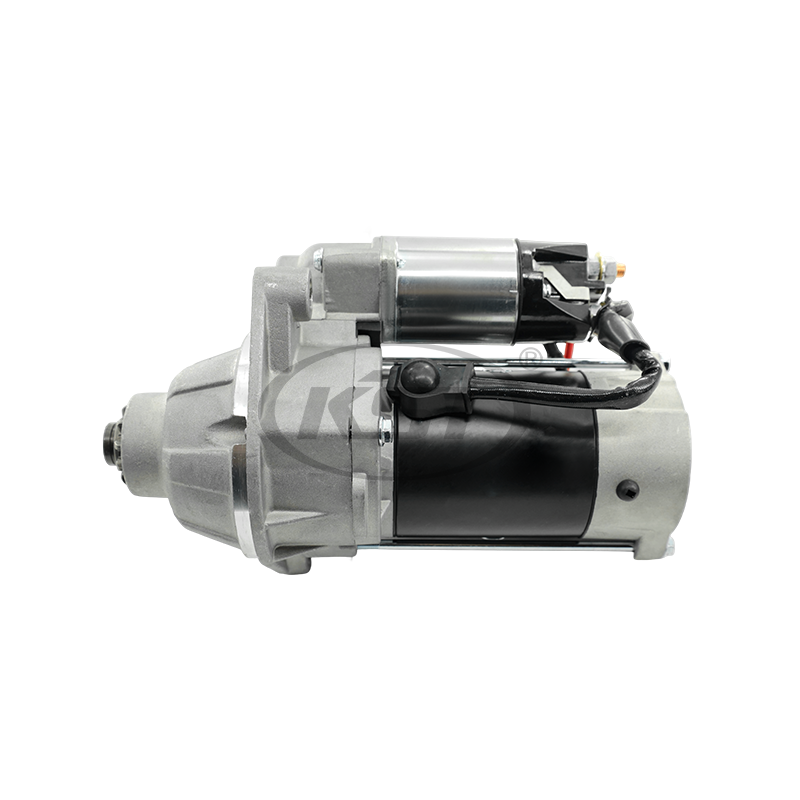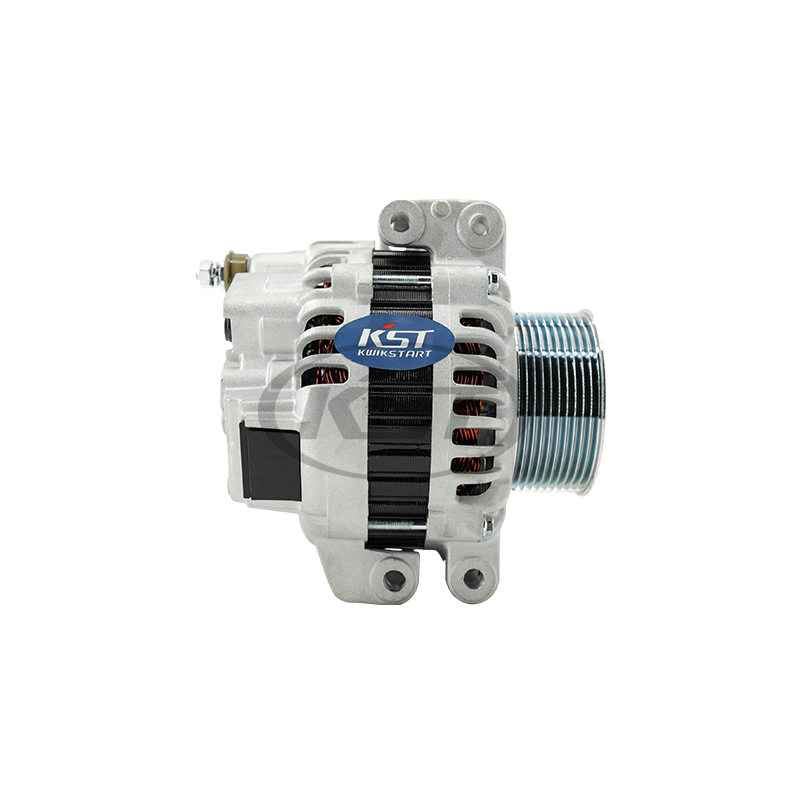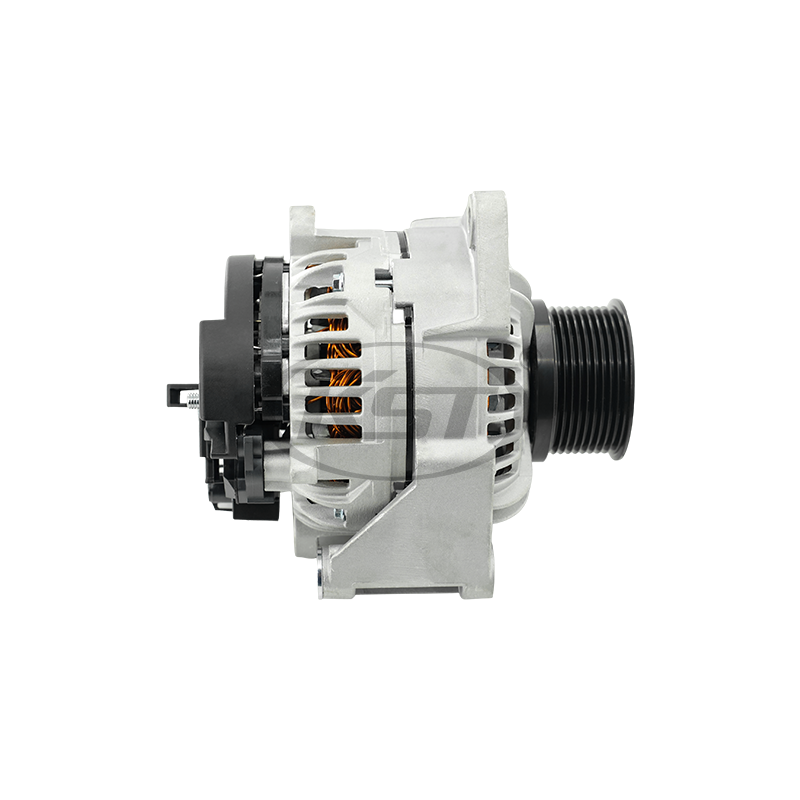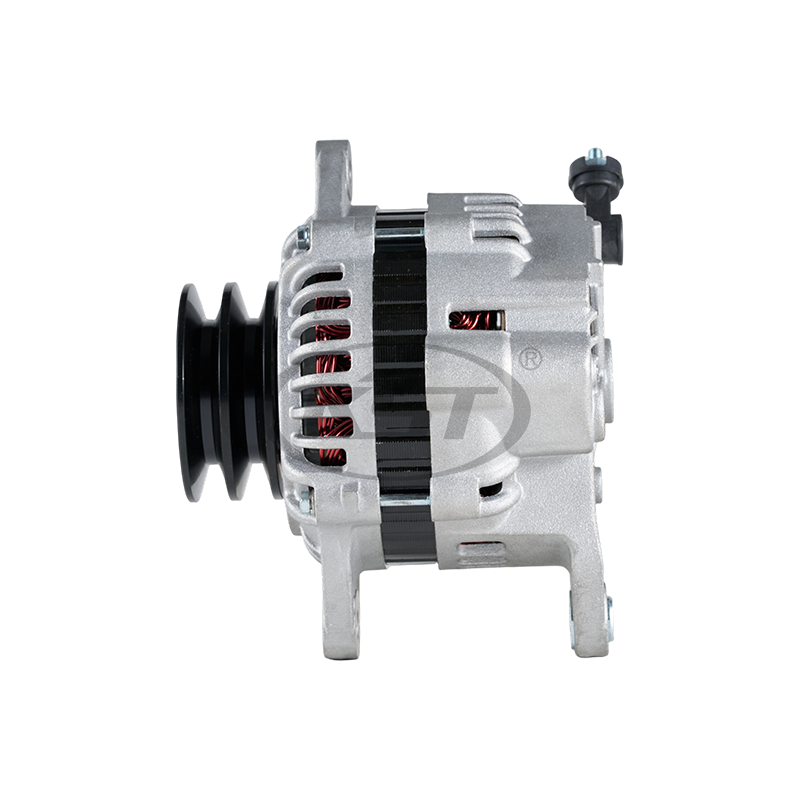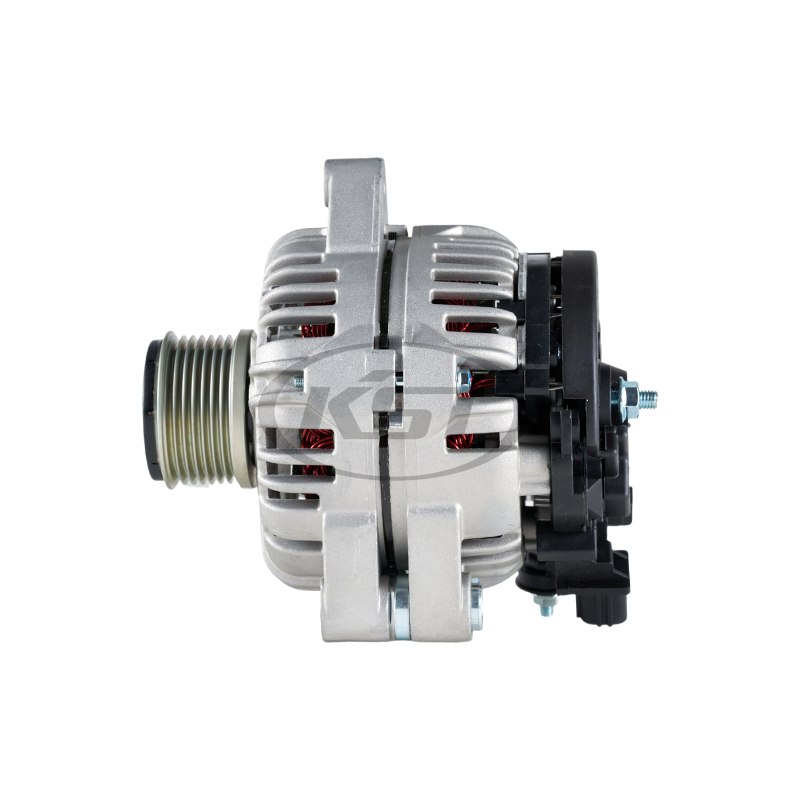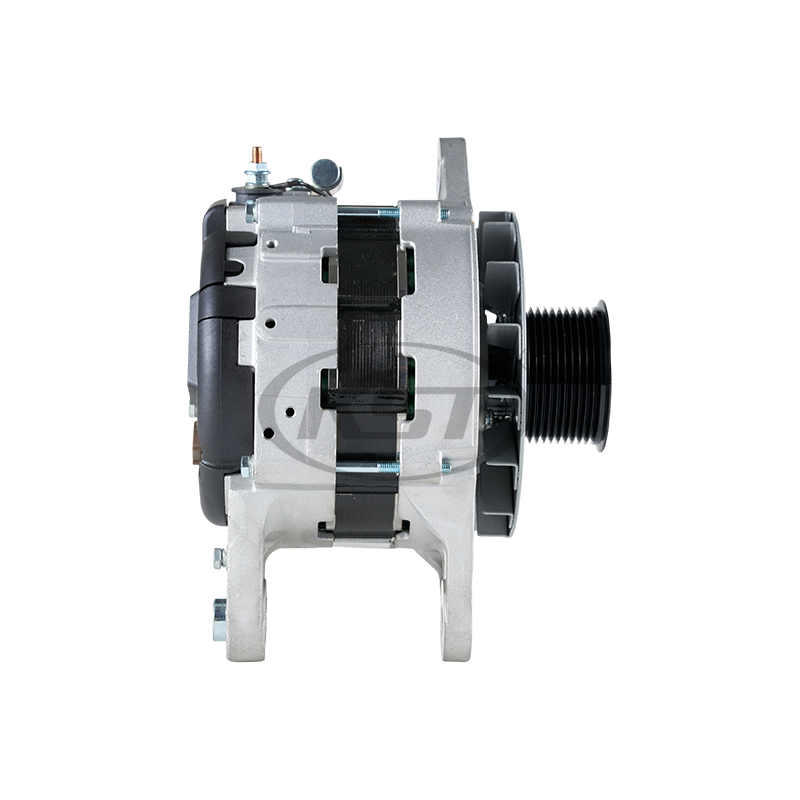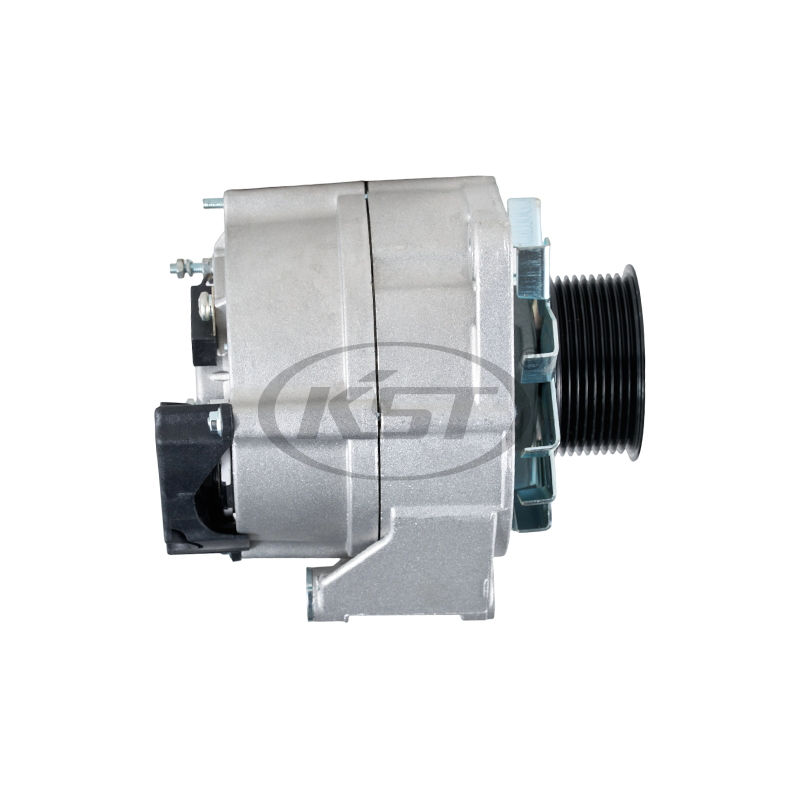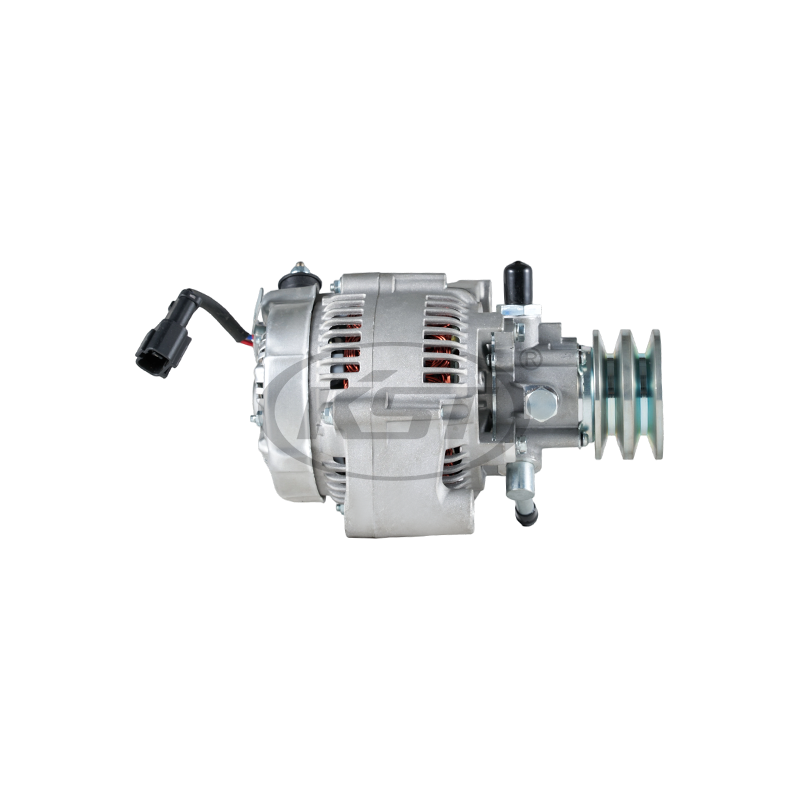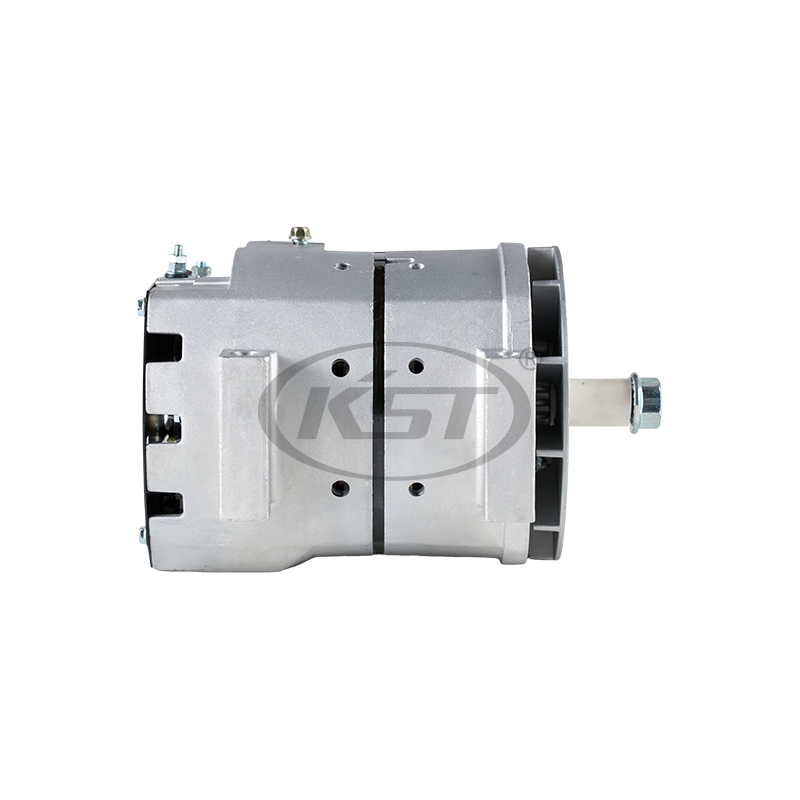
Industrial engines rarely work under one fixed environmental condition. Equipment may operate outdoors during cold mornings, remain in enclosed machinery areas during hot working periods, or move between storage and operating locations where the surrounding temperature changes noticeably. Starting equipment has to respond to those changes while still providing the mechanical movement needed to bring an engine into operation.
An Industrial Engine Starter sits at an important point in the starting process. When the engine is at rest, its moving parts need enough force to begin turning. At the same time, electrical connections, internal moving parts, insulation, and supporting components all need to remain in a workable condition. Temperature affects each part in a different way, so a starter designed for industrial use cannot be considered only from its appearance or basic size.
Cold surroundings may make mechanical movement less easy, while heat can place greater stress on electrical and internal components. Repeated changes between cold and hot conditions can create another set of challenges because materials expand and contract as their temperature changes. A suitable operating range therefore relates not only to starting in very cold or very warm surroundings, but to maintaining a consistent working condition as the environment changes.
For equipment used in demanding workplaces, temperature should be considered alongside installation position, starting frequency, engine condition, and surrounding airflow. A starter that works well in one environment may behave differently when several conditions change at the same time.
Cold weather can change the starting process before the starter itself begins to move. An engine that has remained in a cold environment may require more effort to begin turning because internal movement can become less free. Lubricating materials may become less fluid, while certain mechanical clearances can change slightly as materials respond to lower temperatures.
Electrical performance can change as well. Connections need to maintain a stable path for current, while internal components have to move without unnecessary resistance. A weak connection that seems acceptable under mild conditions may become more noticeable during a cold start because the starting process already places greater demand on the system.
Storage conditions matter as well. Machinery left unused in a cold or damp area may collect moisture around exposed surfaces and connections. Once operation begins, changes in temperature can influence that moisture and affect the condition of nearby parts.
Several points deserve attention during cold‑weather starting:
Cold‑weather performance is therefore connected with the condition of the complete starting system rather than one component alone.
Heat creates a different working environment. Industrial machinery can generate considerable heat around the engine compartment, especially where airflow is limited or several components are positioned close together. A starter located near a warm engine may remain exposed to elevated temperatures even when its own operation lasts for only a short period.
Electrical parts can become more sensitive to heat as their surrounding temperature rises. Connections, insulation, and internal components all depend on remaining within suitable working conditions. Excessive heat may accelerate wear or change how certain parts behave during operation.
Mechanical movement deserves attention as well. Components that fit together within a normal working range may respond differently when heated. Small changes in size or surface condition can influence movement, especially where parts repeatedly move, stop, and start.
Heat can become more noticeable during repeated starting. Each starting attempt creates additional working stress, and insufficient time between attempts may prevent heat from dissipating naturally. In machinery with limited airflow, surrounding temperature and internal heat can add to one another.
A practical inspection should consider:
A suitable temperature range helps provide room for normal changes in the working environment, although installation and operating habits still play an important role.
Electrical connections may appear simple, yet their condition has a direct relationship with starting performance. Temperature changes can cause materials to expand or contract, which may gradually influence contact pressure and connection stability. Dirt, moisture, corrosion, or a loose connection can make the situation more noticeable.
A connection does not work in isolation. During starting, current passes through several points before reaching the internal working parts. Any poor contact along the path can increase resistance and reduce the efficiency of the starting process.
Repeated movement between warm and cold conditions may create gradual changes that are difficult to notice during a quick visual inspection. For that reason, connection points should be checked as part of routine equipment care rather than only after a starting problem appears.
| Temperature Condition | Area Worth Checking | Possible Concern |
|---|---|---|
| Cold surroundings | Connections and moving parts | Reduced movement or weak contact |
| Warm surroundings | Wiring and nearby surfaces | Heat buildup or insulation stress |
| Frequent temperature changes | Fasteners and contact areas | Loosening or gradual wear |
| Damp temperature changes | Exposed connection areas | Moisture and surface corrosion |
Cleaning also matters. Dust or moisture around a connection can interfere with stable contact, while rough handling during maintenance may create another problem. Inspection should focus on condition rather than simply checking whether a connection is present.
Lubrication helps moving parts work with less friction, yet its condition can change with temperature. Cold surroundings may make some lubricating materials thicker, making movement harder at the beginning of operation. Warm surroundings can produce the opposite effect, with lubrication becoming thinner or moving away from areas where it is needed.
Neither situation should be judged only by appearance. A small amount of material in the wrong place can affect movement, while insufficient lubrication may increase friction and wear. Too much can attract dust or interfere with nearby components.
Maintenance practices should follow the requirements provided for the particular starter and working environment. Applying an unsuitable material simply because it is available may create more problems than it solves.
Temperature adaptability therefore involves more than selecting a starter that can tolerate cold or heat. Moving parts, electrical connections, surrounding airflow, installation conditions, and maintenance habits all influence how the equipment behaves as temperatures change.
A careful approach starts with the environment in which the engine actually works. Once cold starts, hot operation, repeated starting, and temperature changes are considered together, the requirements for an Industrial Engine Starter become easier to identify.
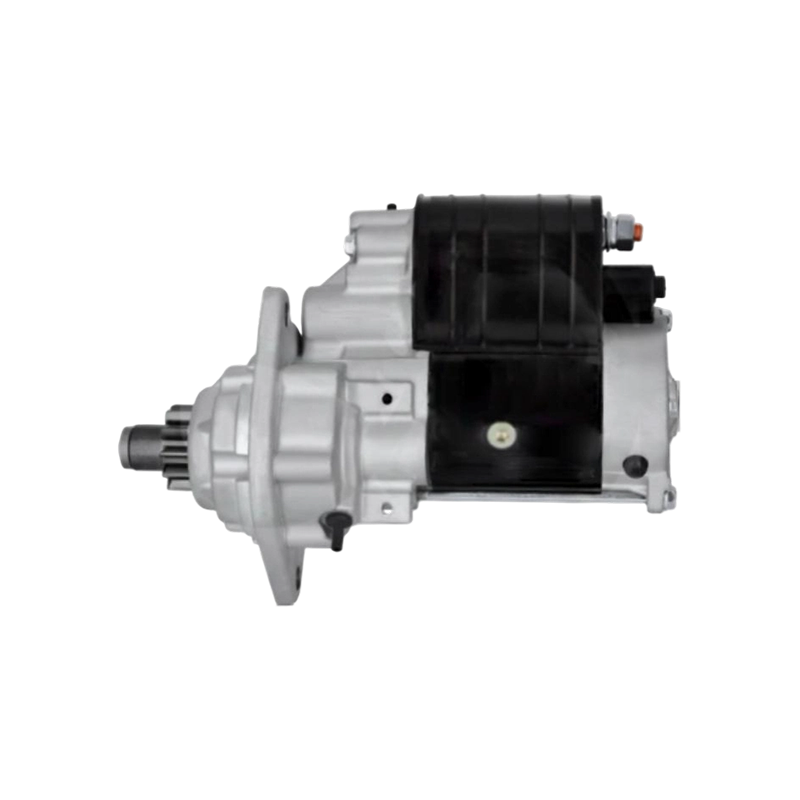
Material selection has a direct connection with how a starter behaves when its working environment changes. Different parts need to maintain their basic shape, strength, and working condition as temperatures rise or fall. A component that performs well under mild conditions may experience greater stress when exposed to repeated temperature changes.
Metal parts can expand when heated and contract when cooled. Small dimensional changes are normal, yet repeated movement can influence the way connected parts fit together. Areas that rely on close contact or smooth movement therefore deserve attention during both selection and maintenance.
Electrical insulation requires similar consideration. Materials around electrical parts need to remain suitable for the intended environment, while connection areas should resist conditions that could cause deterioration. Moisture, heat, dust, and repeated temperature changes can work together, especially around machinery used outdoors or in areas with limited protection.
Material choice should therefore be considered according to the complete working environment rather than temperature alone. A suitable Industrial Engine Starter needs materials and construction that match the conditions surrounding the engine, along with maintenance practices that help preserve their condition.
A starter does not operate in an empty space. Engine compartments often contain several heat‑producing parts positioned close together, and the available space may restrict airflow. Such conditions can make the temperature around the starter different from the temperature of the surrounding workplace.
Installation position can influence how quickly heat moves away from the equipment. A location close to a heat source may expose the starter to greater thermal stress, while a poorly ventilated area can allow heat to remain around the housing for longer.
Moisture creates another concern. Outdoor equipment may encounter rain, condensation, or damp air, while indoor machinery can face moisture from cleaning or nearby processes. When moisture and temperature changes occur together, exposed metal surfaces and electrical connections need closer attention.
A practical installation check can include:
Installation conditions are sometimes overlooked because attention naturally goes to the engine itself. Yet the surrounding space forms part of the starter's working environment and can influence how it responds to temperature changes.
Starting an engine creates a short period of concentrated work for the starter. When starting happens repeatedly within a limited period, heat generated during one attempt may not have enough time to move away before another attempt begins.
Starting frequency should be considered together with the reason for repeated attempts. A slow or unsuccessful start may relate to engine condition, power supply, connections, temperature, or another part of the starting system. Simply continuing to operate the starter does not necessarily solve the original problem.
Allowing suitable pauses between attempts can help reduce unnecessary heat buildup, provided the equipment's operating instructions permit it. During repeated starting, changes in sound, response, or movement can provide useful signs that an inspection is needed.
Temperature range becomes particularly relevant in machinery that starts frequently because environmental heat and operating heat can occur at the same time. A starter working in a warm compartment may have less opportunity to cool than one operating in a cooler, open environment.
Temperature changes are easier to manage when basic checks become part of normal equipment care. Inspection does not need to be complicated. Attention should focus on conditions that can affect starting movement, electrical contact, mounting stability, and heat around the equipment.
Before operation, check whether the starter remains securely installed and whether connection areas are clean. After a period of operation, look for unusual heat, changes in sound, delayed response, or signs of movement around mounting points.
Cold and warm conditions may produce different symptoms. A starter that reacts slowly during cold operation may need a different inspection from one that becomes unusually warm during repeated starting. Observing when a change occurs can help narrow down the possible cause.
| Before starting | Check mounting, connections, surrounding space, and visible surface condition. |
|---|---|
| During starting | Pay attention to sound, movement, and the response of the engine. |
| After repeated use | Look for unusual heat or changes in the starter's normal behavior. |
| After a temperature change | Inspect areas exposed to moisture, condensation, or large environmental changes. |
Any unexpected slipping, unusual noise, burning smell, visible damage, or sudden change in starting response should be treated as a reason to stop and inspect the equipment rather than continue operating it without checking the cause.
When selecting a starter for industrial equipment, temperature suitability should be discussed together with the actual working conditions. A general description may not provide enough information for machinery that operates outdoors, in enclosed spaces, or under changing temperatures.
A Starter Motor Factory should be able to provide clear information about the conditions for which a particular product is intended. Questions can focus on several practical areas:
Clear information helps buyers compare products according to actual working conditions rather than appearance alone. Size, mounting arrangement, engine requirements, starting frequency, and surrounding temperature all need to fit together.
For industrial equipment, purchasing decisions often involve more than the starter itself. Installation space, maintenance access, environmental exposure, and operating habits can influence whether a selected unit remains suitable during daily use.
Temperature should be treated as part of the working environment during starter selection. Looking only at engine size or physical dimensions may leave out conditions that affect starting performance.
A useful selection process can begin with the place where the equipment operates. Outdoor machinery may experience cold, heat, moisture, and changing weather conditions, while enclosed machinery may face heat accumulation and limited airflow. Frequent starting creates another requirement because operating heat can build around the starter.
The physical arrangement of the engine matters as well. Available installation space should allow secure mounting, suitable connection, and reasonable access for inspection. A starter placed in a difficult‑to‑reach position may become harder to maintain, especially when temperature‑related changes need to be checked regularly.
A practical sequence can look like this:
Choosing according to the real working environment can reduce the risk of overlooking temperature‑related problems. Proper mounting, clean connections, reasonable starting intervals, and regular inspection remain important even when the selected equipment is intended to operate across changing temperatures.
For an Industrial Engine Starter, temperature adaptability is closely tied to everyday working conditions. Cold surroundings can affect movement and connections, while heat can influence internal parts and surrounding components. Frequent starting may add another source of thermal stress, and installation conditions can determine how easily that heat is released.
A wider usable temperature range therefore matters because industrial machinery rarely operates under completely stable surroundings. Considering temperature together with installation, starting frequency, material condition, and maintenance provides a more practical basis for selecting and using starting equipment.
Your email address will not be published. Required field are marked*
Get in Touch
 Heavy Duty Vehicle Motor Factory


 en
en  English
 عربى
عربى فارسی
فارسی