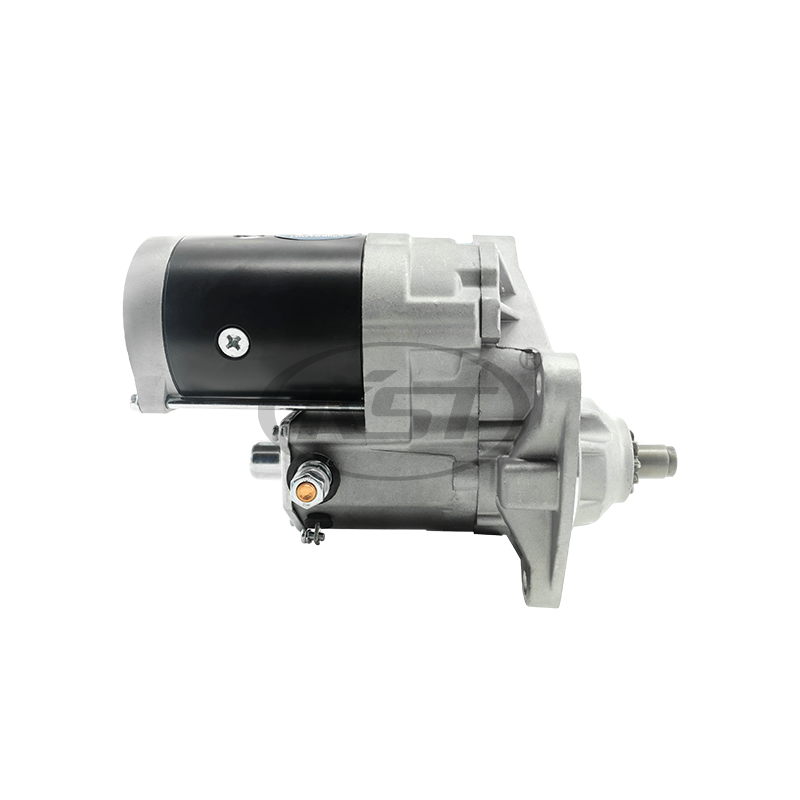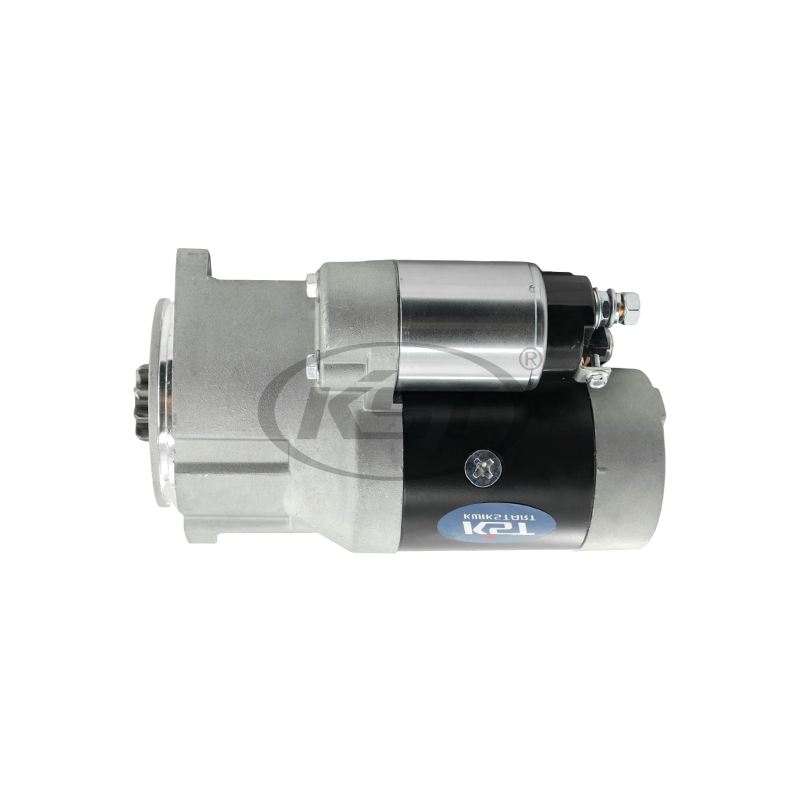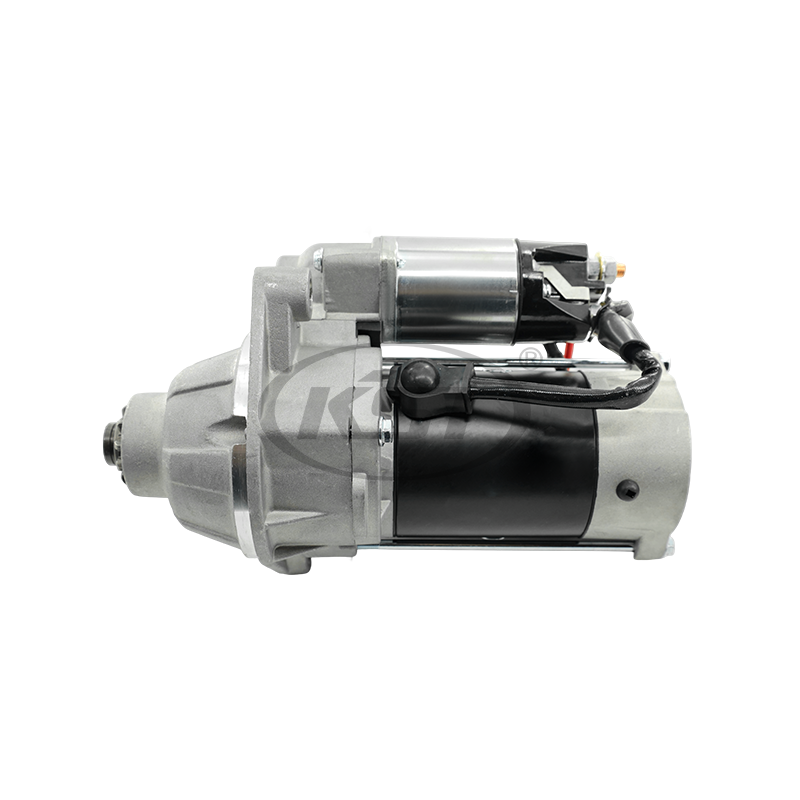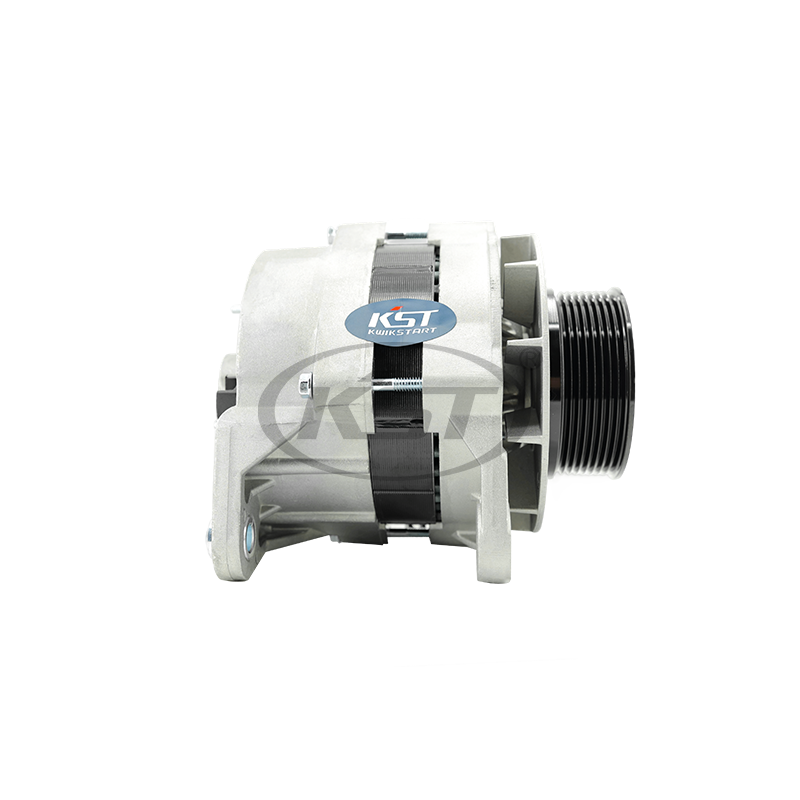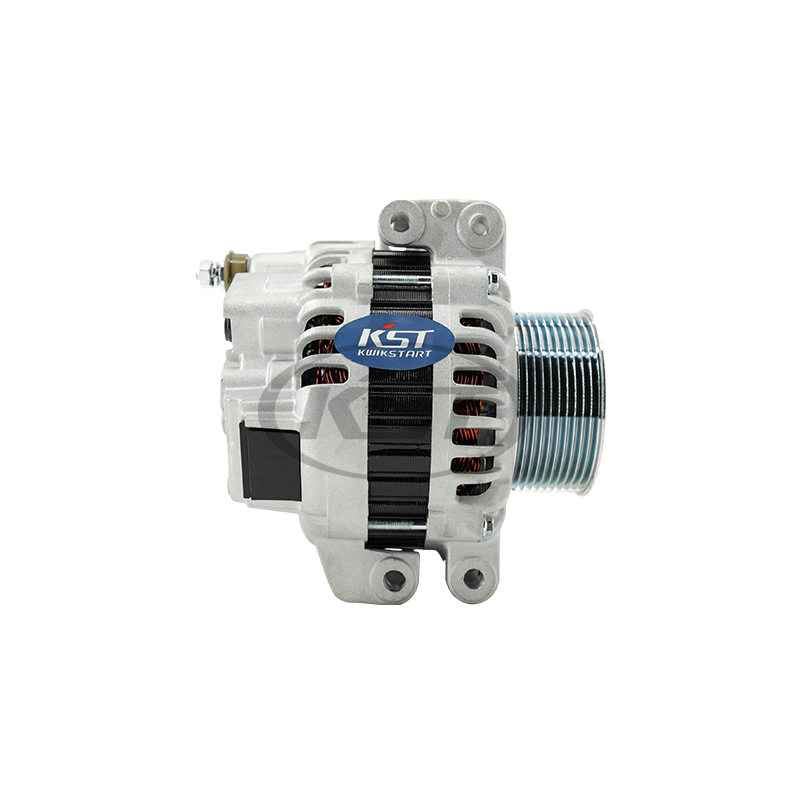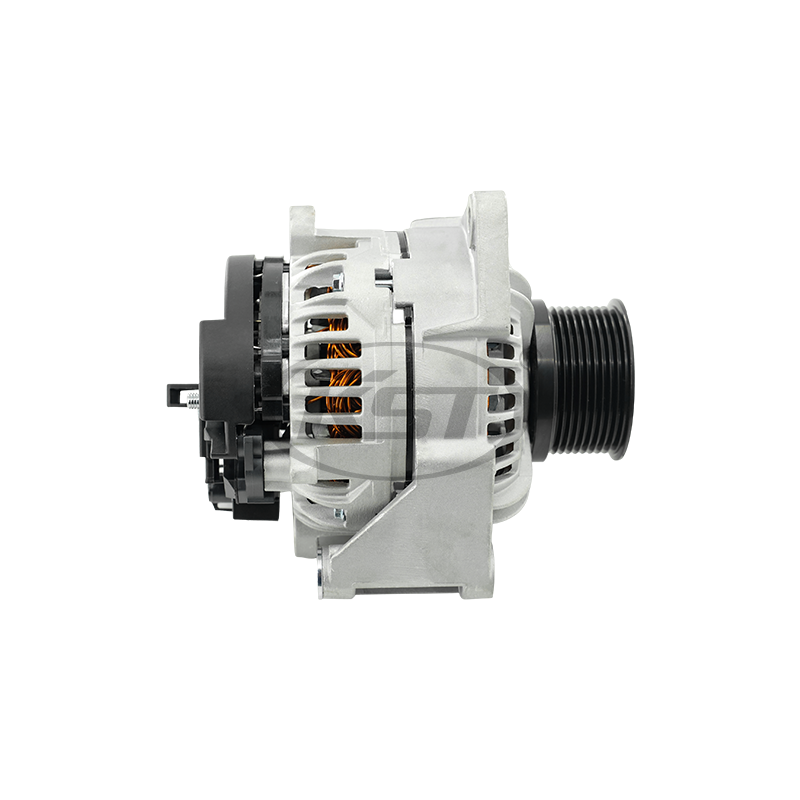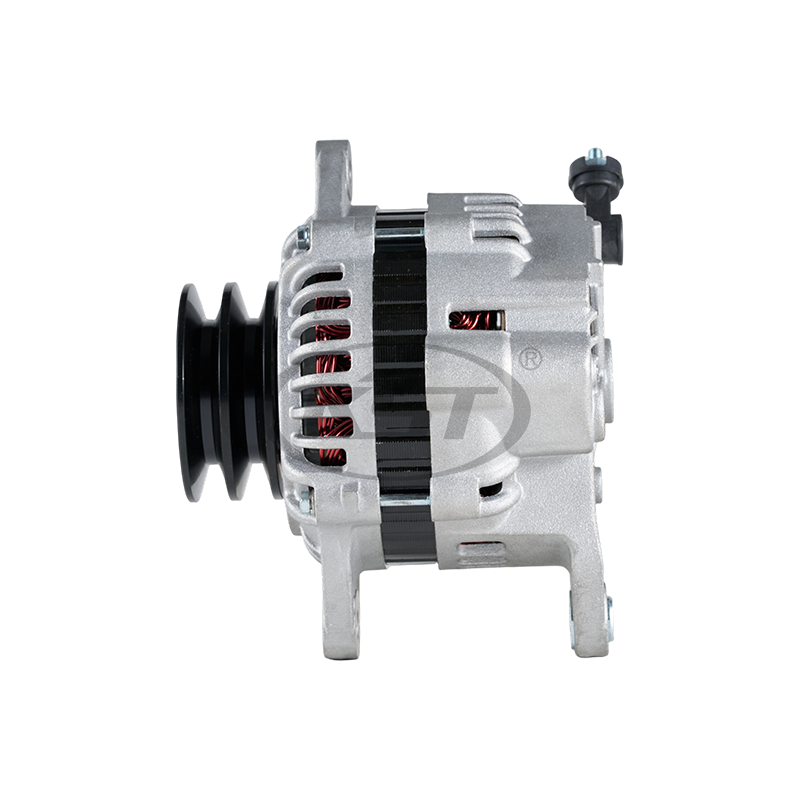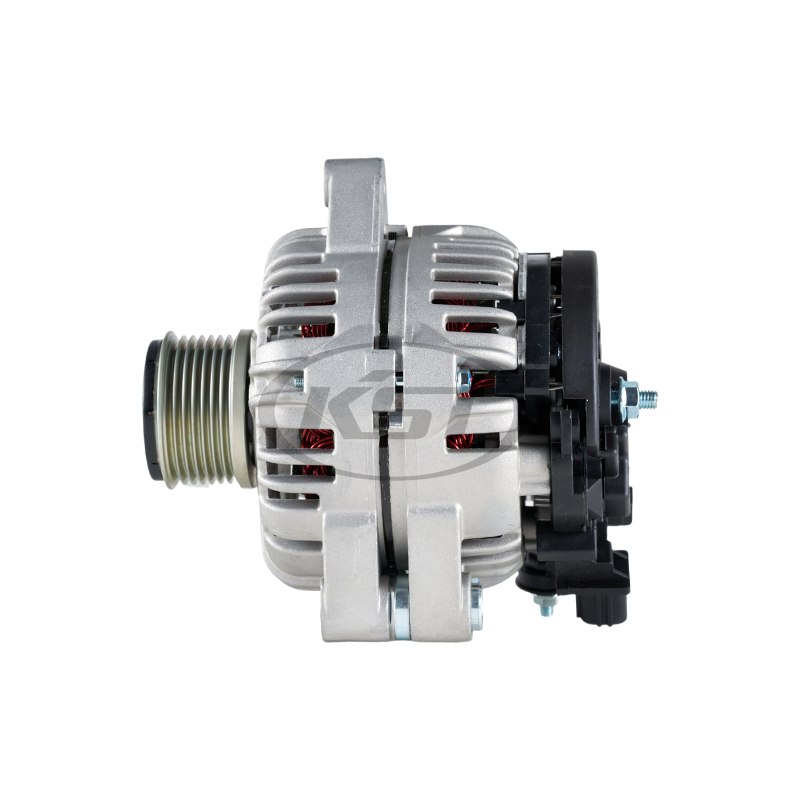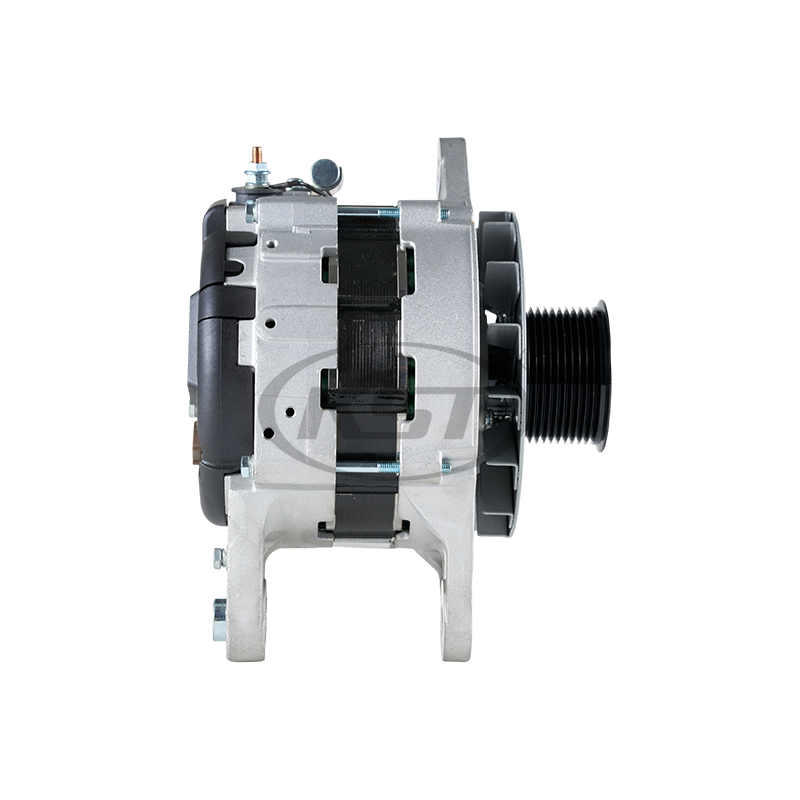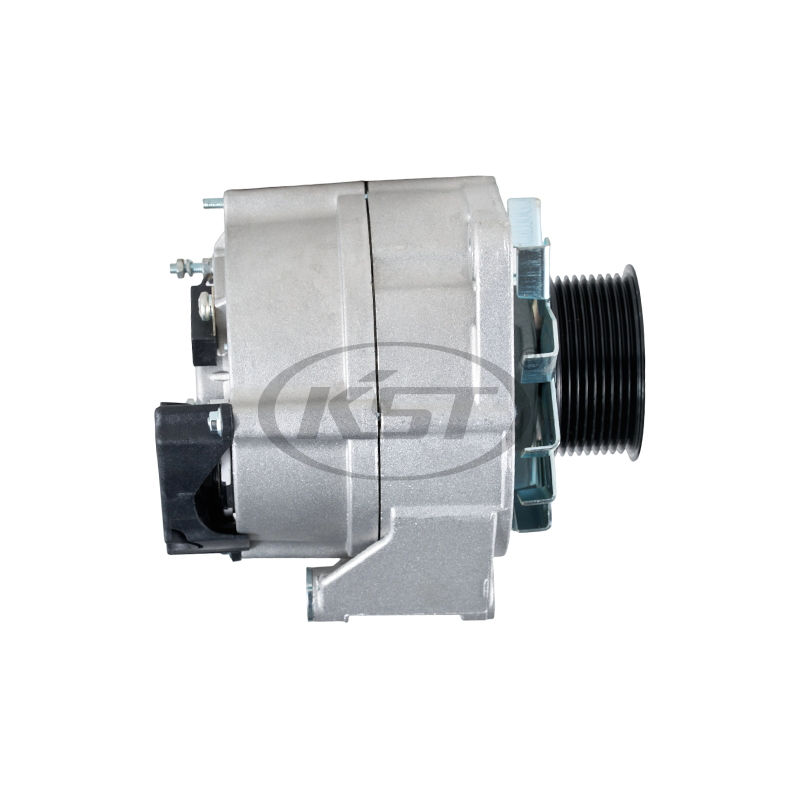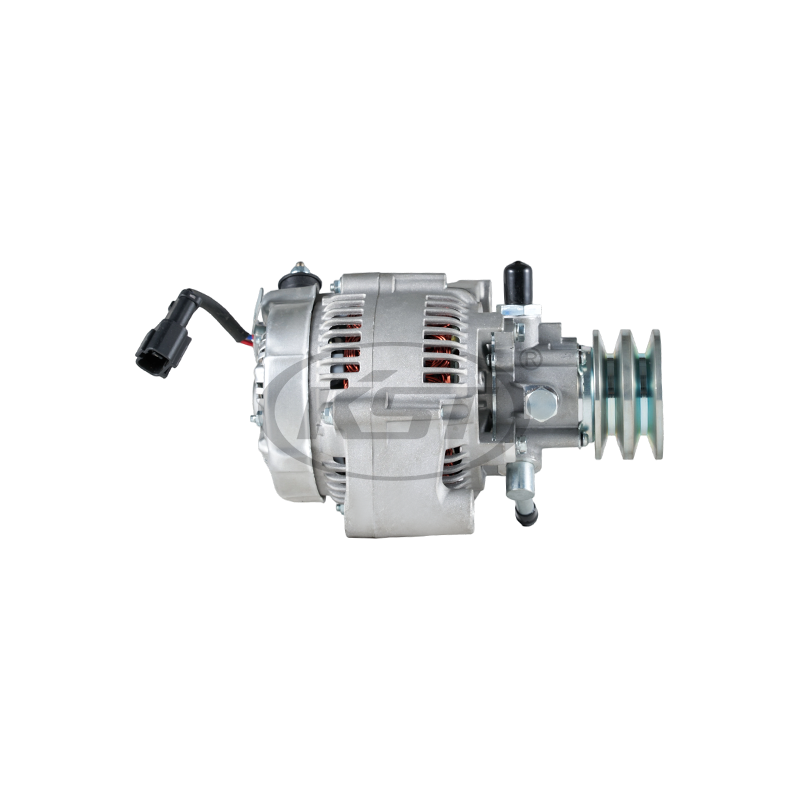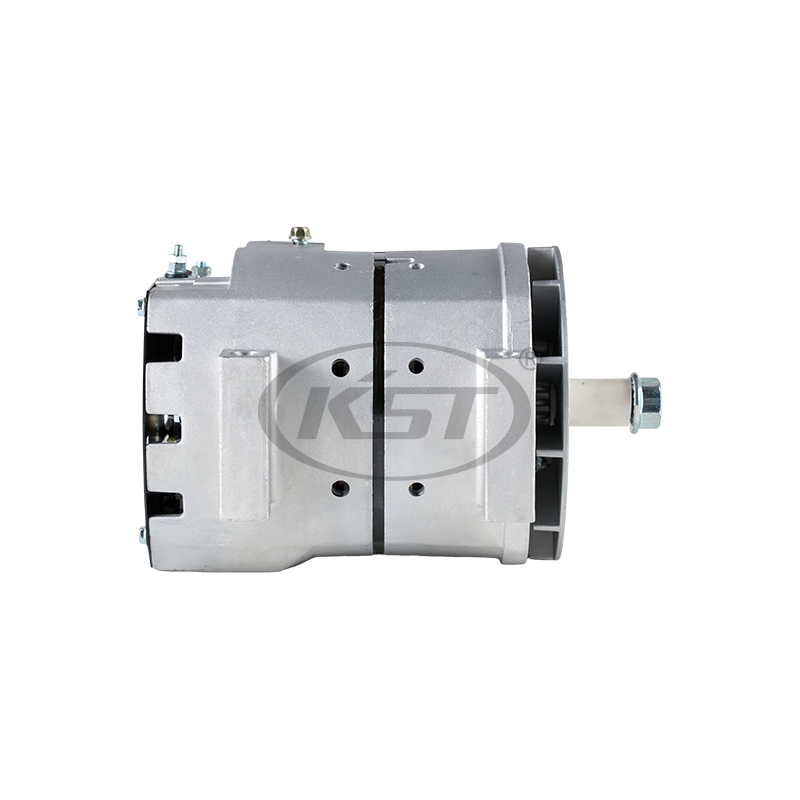
Industrial engines can operate under very different working conditions. Some are connected to compact equipment with a familiar 12V electrical system, while others work as part of larger machines that use a 24V starting arrangement. Both systems can perform the basic task of turning an engine during startup, yet the way each system is integrated into the equipment can be quite different.
Voltage selection therefore needs to start with the engine and its surrounding electrical system rather than with the starter alone. Engine starting load, battery arrangement, wiring condition, installation space, and normal operating conditions all have a place in the decision. A suitable Industrial Engine Starter needs to work with the complete starting circuit rather than operate as an isolated component.
An engine starter converts electrical energy into mechanical movement during startup. At that moment, the starter works against the resistance of the engine, so the starting condition is different from ordinary electrical operation elsewhere on a machine.
Engine size and mechanical resistance can affect how much support the starting system needs. A machine that starts under relatively light conditions may have different requirements from equipment where the engine faces greater resistance during startup. Temperature, engine condition, and the way equipment is used can also influence the starting process.
Voltage selection should therefore begin with several basic questions:
Such checks help separate two issues that are sometimes treated as one. A starter may have the correct physical size and still fail to match the electrical system. A starter with the correct voltage may also require attention to its mounting position, connection points, and mechanical relationship with the engine.
For equipment already operating reliably with a 12V starting system, changing to 24V simply because the engine is used in an industrial environment does not automatically make sense. A 24V Industrial Engine Starter becomes more relevant when the complete equipment design calls for that voltage or when the starting requirements and electrical architecture support such a change.
A 12V starter can remain a practical option for industrial equipment that has been designed around a 12V electrical system. In such applications, the battery, wiring, control components, and starter are already arranged to work together.
Keeping the same voltage can also make replacement work more straightforward. Existing connections can be checked against the replacement starter without introducing a different system voltage into other parts of the machine. Such consistency is useful during routine maintenance, especially where the equipment already has a stable starting arrangement.
Engine size alone should not determine the choice. A machine may be used in a demanding workplace while still having a 12V electrical architecture. What matters is whether the starting system can provide the required support under normal operating conditions.
A 12V system may be considered when:
A common mistake during replacement is focusing on the starter as a separate product. Starting performance depends on several connected parts, so changing one component without checking the surrounding system can create an unnecessary mismatch.
For an OEM Starter Motor, original equipment information is particularly useful. Voltage, mounting dimensions, connection points, rotation requirements, and engine compatibility all need to agree with the intended application. A 12V replacement that fits mechanically may still be unsuitable when its electrical characteristics do not correspond with the machine.

A 24V starting system becomes relevant when the equipment itself is designed around that electrical arrangement or when the engine starting conditions call for a different system approach. Larger industrial machines may have longer electrical connections or heavier starting requirements, making the relationship between voltage, current, battery arrangement, and wiring worth closer attention.
Raising system voltage changes how electrical power is delivered through the starting circuit. For a given power requirement, a higher system voltage can reduce the amount of current required through the circuit. That difference can influence cable selection, connection design, and the way electrical components are arranged.
Such a change does not mean that 24V is automatically appropriate for every engine. A 24V starter needs a matching battery system and compatible electrical components. Replacing only a 12V starter with a 24V unit leaves the rest of the system unchanged, which can create a basic compatibility problem.
A 24V Industrial Engine Starter may be considered when:
System compatibility remains the central point. Higher voltage should not be treated as a simple upgrade. It represents a different electrical arrangement that needs to be supported by the battery, cables, connections, controls, and starter.
Starting load describes the work required from the starter while the engine begins turning. Conditions during startup can place considerably different demands on the electrical system compared with normal engine operation.
Mechanical resistance, engine condition, temperature, and starting frequency can all influence how the starter performs. A system that works comfortably under one condition may experience greater pressure under another. For that reason, voltage selection should reflect the actual operating environment rather than a general assumption about industrial machinery.
A useful evaluation can separate the starting system into several connected areas:
When these parts are considered together, the choice between 12V and 24V becomes easier to define. A 12V system can remain appropriate where the engine and equipment were designed around it, while a 24V system can make sense where the complete machine architecture requires that arrangement.
Voltage alone therefore provides only part of the selection picture. Starting load and system compatibility give a more useful basis for evaluating an Industrial Engine Starter.
A starter depends on more than its own electrical rating. Battery condition, cable arrangement, connection points, and overall circuit design all influence how much electrical support reaches the starter during engine startup.
A battery system needs to match the voltage of the starter. A 12V starter belongs with a suitable 12V starting arrangement, while a 24V starter requires an electrical system designed around 24V. Mixing components from different voltage systems can create compatibility problems even when the starter itself fits the engine.
Wiring deserves similar attention. Long cable runs can make the condition and size of the cable more important during starting. Loose connections, damaged terminals, or poor contact can also affect the amount of electrical energy reaching the starter.
For replacement work, several areas are worth checking:
A voltage change should therefore be treated as a system change rather than a simple starter replacement. Moving from 12V to 24V may require changes elsewhere in the starting circuit, while retaining a 12V arrangement can be more practical when the existing equipment was designed around that voltage.
An OEM Starter Motor needs to match more than the engine mounting position. Electrical requirements and mechanical details both influence whether a replacement can work correctly within existing equipment.
Voltage provides an obvious starting point, although several other details also deserve attention. Mounting dimensions need to correspond with the engine housing, while connection positions should work with the existing wiring. Rotation direction and the mechanical connection between starter and engine also need to be suitable for the application.
A replacement can therefore be divided into two basic checks.
Electrical matching
Mechanical matching
Such checks become especially important when an existing 12V system is being considered for conversion to 24V. A 24V starter cannot be evaluated separately from the rest of the equipment.
For an OEM Starter Motor, information from the original equipment can provide a useful reference during replacement. Original voltage, mounting details, connection arrangement, and engine application all help establish whether a candidate starter belongs to the intended system.
An engine may face different starting conditions during its working life. Equipment that starts occasionally has a different usage pattern from machinery that starts repeatedly throughout a working period. Long periods without operation can also create different starting conditions from regular use.
Cold surroundings may increase starting resistance, while a machine that has been inactive for a long period may require closer attention to battery condition and electrical connections. Frequent starting places repeated demands on the starter and its supporting components.
Such situations do not automatically point toward 24V. Instead, they provide reasons to examine the complete starting system more carefully.
For equipment with frequent startup cycles, useful checks include:
Long periods of inactivity call for a slightly different focus. Battery charge, terminal contact, and wiring condition become particularly relevant because a starter cannot compensate for inadequate electrical support elsewhere in the circuit.
Operating environment also matters. Industrial equipment may be installed in enclosed areas, outdoor work areas, mobile machinery, or fixed equipment. Each setting can place different demands on the starting system.
A suitable Industrial Engine Starter should therefore be selected according to the actual equipment arrangement and working conditions rather than according to voltage alone.
Changing from 12V to 24V requires a broader inspection because the starter is connected to several other electrical components. Replacing the starter without checking those components can leave the machine with an inconsistent electrical arrangement.
A practical inspection can begin with the original equipment documentation and then move through the physical system.
A 24V Industrial Engine Starter can be appropriate where the equipment architecture supports 24V operation. A 12V starter remains a reasonable choice where the original system is designed around 12V and the engine's starting requirements are adequately supported.
Voltage should be viewed alongside the complete equipment system rather than treated as a simple ranking between two options.
| Comparison Point | 12V System | 24V System |
| Existing Electrical Architecture | Suitable for equipment designed around 12V | Suitable for equipment designed around 24V |
| Battery Arrangement | Needs a matching 12V setup | Needs a matching 24V setup |
| Wiring | Must suit the starting circuit | Must suit the 24V starting circuit |
| Starting Load | Depends on engine requirements | Depends on engine requirements |
| Replacement Work | Straightforward when replacing a matching unit | Requires broader system compatibility checks |
| Equipment Conversion | Usually unnecessary when the original system is stable | Requires checking related electrical components |
Neither voltage should be selected without considering the engine and its supporting electrical system. A higher voltage does not by itself indicate a better match, while a lower voltage does not automatically indicate a weaker starting arrangement.
For an Industrial Engine Starter, the useful question is whether the starter, battery, wiring, engine, and installation conditions belong to the same electrical design.
A practical selection process can begin with the original equipment rather than with the replacement starter. Existing system voltage provides a starting reference, followed by engine starting requirements and actual working conditions.
For equipment already using 12V, changing to 24V may involve unnecessary alterations when the existing system provides suitable starting performance. For machinery designed around 24V, a matching starter allows the starting circuit to remain consistent with the equipment's electrical architecture.
Several checks can help keep the selection process focused:
An OEM Starter Motor should be treated as part of the complete starting system rather than as an isolated replacement part. Such an approach makes the difference between 12V and 24V easier to evaluate and reduces the risk of selecting a starter that matches one requirement while conflicting with another.
For a 24V Industrial Engine Starter, the key consideration is system compatibility. Where the engine, battery, wiring, and related electrical components are designed around 24V, a 24V starter can fit naturally into that arrangement. Where a machine already operates around 12V with suitable starting conditions, retaining the existing voltage may be the more practical path.
Your email address will not be published. Required field are marked*
Get in Touch
 Heavy Duty Vehicle Motor Factory


 en
en  English
 عربى
عربى فارسی
فارسی