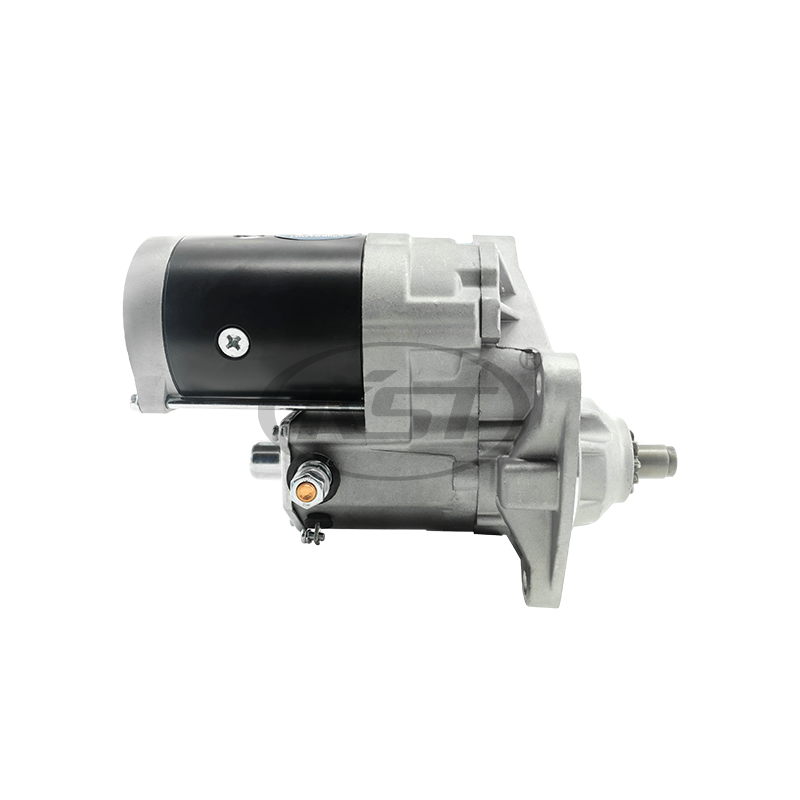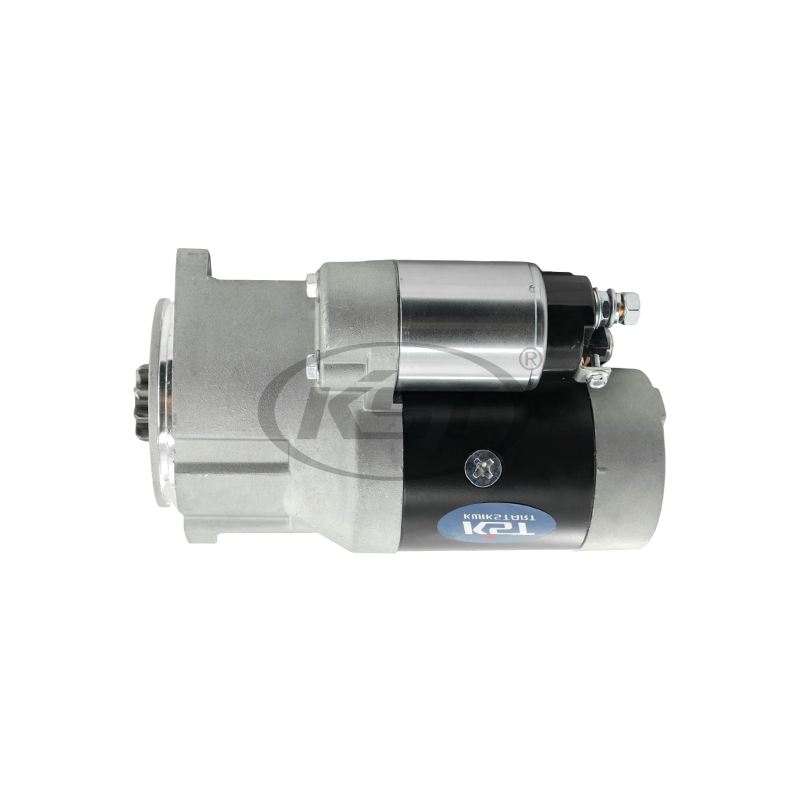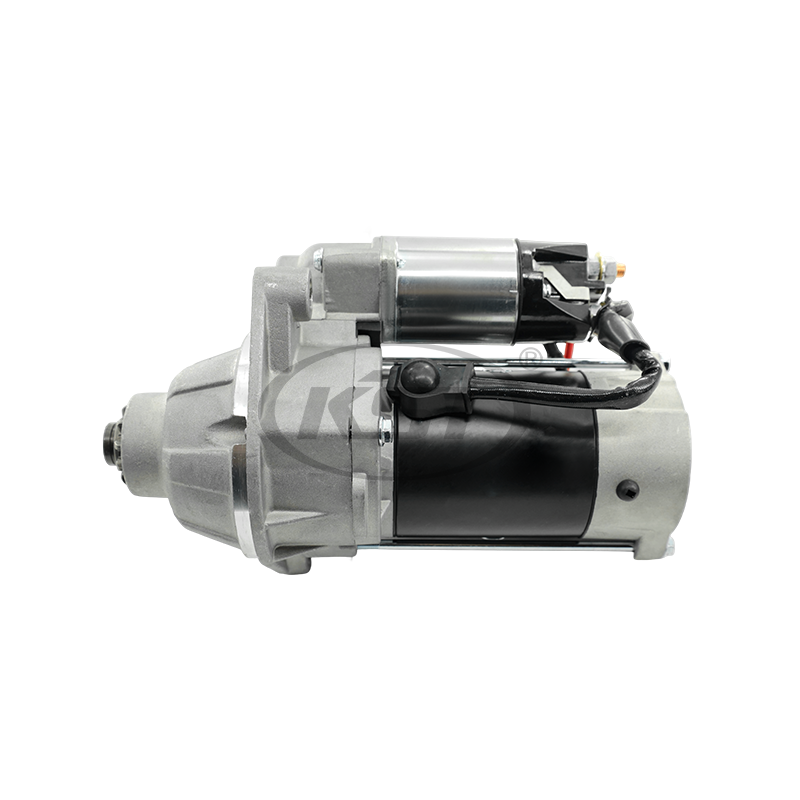
Starting a diesel engine places a heavy demand on its starting system. A cold engine can require more effort to turn because oil becomes less fluid, moving parts offer greater resistance, and combustion conditions are not yet established. Once the engine begins running, much of that work ends quickly, although the starting motor has already carried a short period of high electrical and mechanical load.
Repeated starting creates a different pattern of stress. A vehicle used for short trips may start many times during ordinary operation, while another machine may remain unused for longer periods and then require a longer starting attempt. Both situations affect service life in different ways.
For an OEM Starter Motor, working conditions therefore matter as much as basic construction. A starting motor is designed for short operating periods rather than continuous rotation. Long cranking attempts generate additional heat inside the motor and place extra demand on electrical and mechanical parts.
Starting difficulty can also create a cycle that is easy to overlook. When an engine takes longer to start, the motor remains active for a longer period. Repeated attempts may follow, giving internal parts less time to cool between operations.
Several practical factors deserve attention:
A starting motor should therefore be viewed as one part of a larger system. Its working life can be affected by conditions outside the motor itself.
Engine condition has a direct connection with starting effort. A healthy engine generally reaches running speed without placing unnecessary demand on the starting system. Mechanical problems can change that pattern, causing longer or repeated cranking.
Lubrication is one area worth checking. When moving parts encounter increased resistance, more effort is required to turn the engine. Cold conditions can also make engine oil move less freely during initial rotation. As resistance rises, the starting motor needs to provide more mechanical work.
Fuel and combustion conditions can create another source of difficulty. An engine that does not establish normal combustion promptly may continue cranking while the starting motor remains under load. Repeated unsuccessful attempts can gradually increase heat and electrical stress.
For maintenance work, starting behavior can offer useful clues. A slow crank, repeated hesitation, or unusual starting noise should not automatically be treated as a motor problem. Battery condition, cables, engine resistance, and other parts of the starting system can produce similar symptoms.
A practical inspection can begin with a few simple questions:
Finding the source early can help prevent unnecessary work on a starting motor that may still be serviceable. More importantly, correcting an engine‑related starting problem can reduce repeated load on the motor.
Electrical supply has a strong effect on starting performance. A starting motor needs sufficient electrical energy to produce the turning force required by a diesel engine. Weak batteries, damaged cables, loose connections, or dirty contact areas can interfere with that process.
When electrical transmission becomes poor, the motor may turn more slowly. Slow rotation can extend cranking time, which places additional stress on internal parts. Repeated attempts can then add heat without solving the original problem.
Battery condition should be considered alongside cable condition. A battery may appear suitable while a poor connection prevents enough current from reaching the motor. Corrosion around terminals, loose fastening, damaged cable insulation, and contamination can all affect electrical transfer.
A useful maintenance approach is to inspect the complete path between the power source and starting motor rather than focusing on one component.
Areas worth checking
Good electrical contact helps the motor receive power as intended. Poor contact may also create unwanted heating around connection points, adding another source of stress.
For a Starter Motor Factory, production quality is only one part of long‑term field performance. Actual service conditions, installation, battery care, and engine condition all influence how a starting motor behaves after installation.
Heat is closely connected with operating time. Starting motors normally work for short periods, allowing internal parts to cool between starting operations. Extended cranking changes that balance.
Electrical energy entering the motor is converted into mechanical movement along with heat. As operating time increases, internal temperature can rise. Repeated attempts made with little cooling time can create an even warmer working environment.
Engine‑bay temperature also matters. Heat from a running engine can remain around nearby components after shutdown. A motor that is mounted close to a hot engine surface may begin another starting cycle while surrounding temperatures are still elevated.
High heat can affect insulation, electrical contacts, lubricated moving parts, and other internal components. Long exposure may gradually change material properties or increase wear.
A sensible starting routine avoids unnecessary repeated cranking. When an engine fails to start, identifying the cause is generally more useful than repeatedly operating the motor without a clear change in conditions.
Cooling time can also matter during maintenance testing. Repeated testing without suitable pauses may produce heat that would not appear during ordinary starting use, making test conditions different from normal operation.
For long service life, heat should therefore be considered alongside electrical load and mechanical resistance rather than treated as an isolated factor.
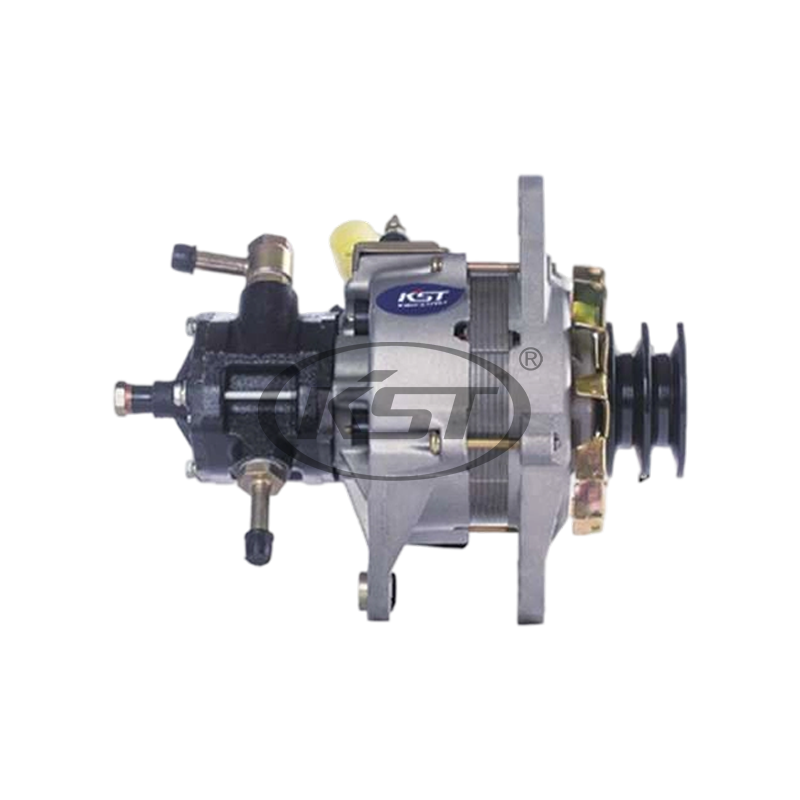
Every time an engine turns over, several internal areas inside the cranking unit absorb some form of stress. Electrical contact points carry current each time the circuit closes, while rotating and engaging components handle physical movement. Wear typically comes from more than one source at once, since electrical load, heat, vibration, and friction tend to act together during ordinary operation.
Brush contact surfaces wear down slowly through ongoing contact with the rotating commutator. Fine dust from this process can collect inside the housing over time. As the contact surface changes shape, current transfer becomes less consistent, which can show up as sluggish rotation or occasional hesitation when starting.
Support components around the rotating shaft face a different kind of stress. Each start produces motion and vibration, and misalignment adds extra pressure onto the bearing or bushing surfaces. When looseness builds up, the result is often noise or a rough, uneven rotation feel.
Drive gears go through their own cycle of engagement and release with every start. The gear needs to mesh with the engine‑side gear cleanly, then disengage once the engine picks up. When alignment is off, or when teeth are chipped or worn unevenly, mechanical wear tends to accelerate.
A general breakdown of where wear typically occurs:
| Internal Area | Main Source of Stress | Typical Change Over Time |
|---|---|---|
| Brush Contact Surface | Ongoing electrical contact | Surface wear, dust buildup |
| Shaft Support Area | Rotation and vibration | Increased play or movement |
| Drive Gear | Repeated engagement cycles | Tooth or edge wear |
| Electrical Contact Points | Repeated current transfer | Changes in contact quality |
| Housing Mounts | Vibration and mounting load | Shifts in alignment |
Different symptoms tend to point toward different areas. A clicking noise often relates to the switching side of the circuit, while a grinding sound during engagement usually points to a mechanical issue on the gear side. Slow rotation is harder to pin down, since it can stem from electrical supply, internal wear, or resistance on the engine side.
For anyone doing routine checks, paying attention to the sound of a start can offer useful clues. Sound alone won't confirm a fault, but a noticeable change from the usual pattern is often worth a closer inspection.
Diesel engines often work in demanding surroundings. Dust, moisture, oil residue, and road grime tend to gather around the starting system, particularly on machinery used outdoors or in dirty work environments.
Dirt gets in through small openings or settles around connection points over time. Once it mixes with oil or moisture, it becomes harder to clean off and can interfere with both moving parts and electrical contacts.
Moisture brings its own set of problems. Metal surfaces that stay damp repeatedly are prone to corrosion, and electrical connections lose reliable contact once buildup forms around the terminals.
Oil leakage is another factor worth watching. A leak on the engine side can slowly coat nearby components in a thin oily film. Oil by itself doesn't usually cause an immediate starting problem, but long‑term exposure attracts dirt and makes later cleaning far more difficult.
A basic visual check should cover:
Cleaning methods should match the part being cleaned. Spraying liquid into electrical or mechanical openings can introduce a fresh problem, so the goal should be removing contamination without adding moisture in the process.
The operating environment itself shapes maintenance needs. Equipment running on dusty roads calls for different attention than machinery kept in a relatively clean indoor setting. Units exposed to frequent dampness usually benefit from closer inspection of external connections and mounting areas.
How a cranking motor gets installed affects how well it meets the engine. Correct positioning keeps the drive gear aligned with the engine‑side gear, and secure mounting limits unwanted movement during operation.
A loose mounting point allows vibration to travel through the assembly during use. Over repeated cycles, this movement can shift gear alignment and place added stress on both sides of the connection.
Contact surfaces need to stay clean during fitting as well. Debris trapped between mounting surfaces can prevent components from seating properly, and even a small amount of unwanted material can throw off the fit.
Cable routing deserves the same attention. A cable left without proper support may shift or rub against nearby parts over time. Loose terminals raise electrical resistance, while sharp bends can gradually damage the cable itself.
Once installation is complete, a few checks are worth running:
Installation accuracy matters just as much during a replacement. Fitting a new unit onto mounting surfaces that are already damaged, or connecting it to worn related parts, tends to reproduce the same abnormal conditions all over again.
Manufacturing consistency helps establish a proper fit at the assembly stage, but field installation still plays a real role in long‑term performance. How well the motor, engine, electrical system, and mounting arrangement work together shapes service life over time.
Day‑to‑day habits quietly shape how a cranking motor wears over time. Repeated starting attempts, especially when an engine has an unresolved issue, place added electrical and mechanical load on the system with each try.
Unusual sounds deserve attention too. Grinding, rough engagement, sluggish rotation, or inconsistent operation often signal a shift in system condition. Overlooking a new sound can allow a minor issue to turn into something more significant.
Regular checks don't need to stay limited to the motor alone. A wider inspection routine might include:
A cranking motor operates as one part of a connected system. When engine resistance climbs, electrical supply weakens, heat builds up, or mounting alignment shifts, the motor ends up working under conditions quite different from ordinary starting.
Service life, in the end, depends on more than internal construction alone. Starting frequency, engine condition, electrical connections, temperature, contamination, installation quality, and daily operating habits all play a part. Keeping these factors within reasonable working conditions helps reduce unnecessary strain and keeps the starting system behaving consistently during routine use.
Your email address will not be published. Required field are marked*
Get in Touch
 Heavy Duty Vehicle Motor Factory


 en
en  English
 عربى
عربى فارسی
فارسی