Imagine a van sitting in traffic on a hot day. The air conditioning is running, the headlights are on, and the driver has a few extra electrical devices plugged in. Everything seems fine until the battery warning light comes on. A few minutes later, the light disappears.
The driver might assume the alternator is dying. Maybe it is, but there's more than one possible explanation. The battery could be worn out, the drive belt might be slipping, or a poor connection could be interrupting the charging circuit.
This sort of problem comes up with commercial vehicles, service vans, modified cars, and vehicles fitted with extra electrical equipment. The original charging system may work well enough under normal conditions but struggle when several accessories run together.
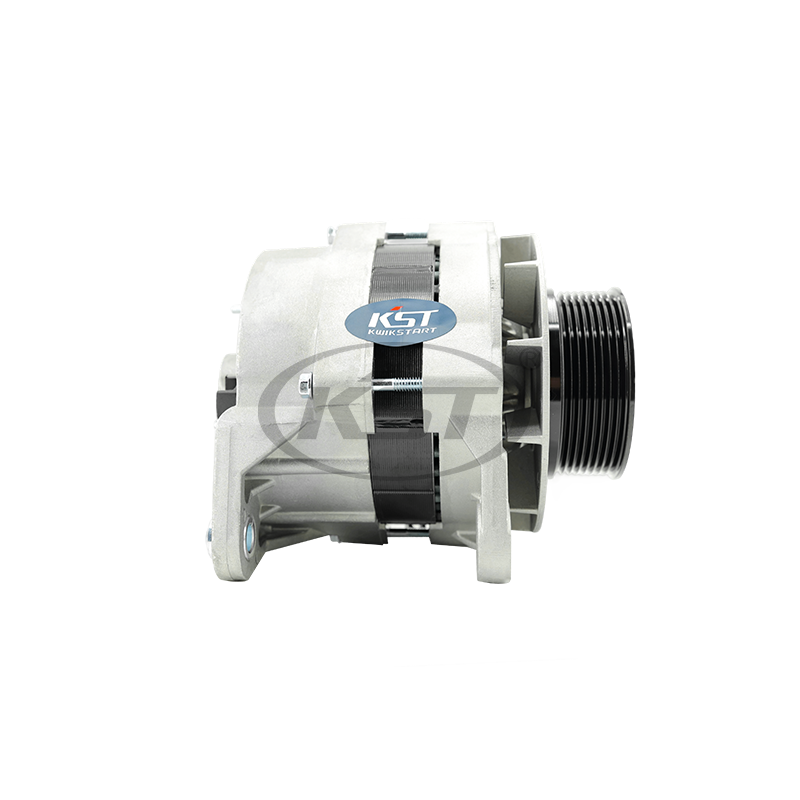
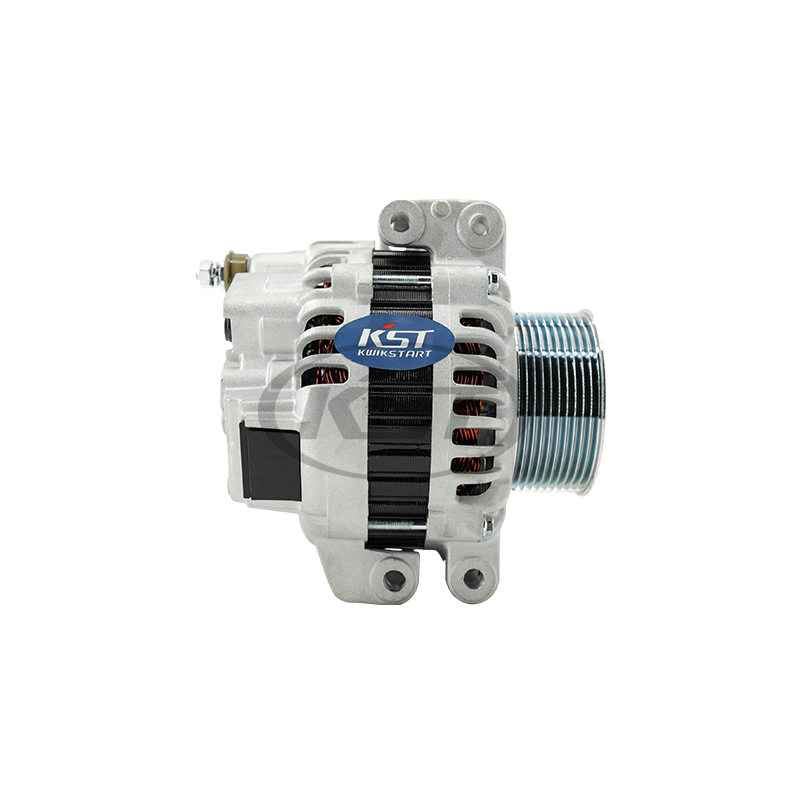
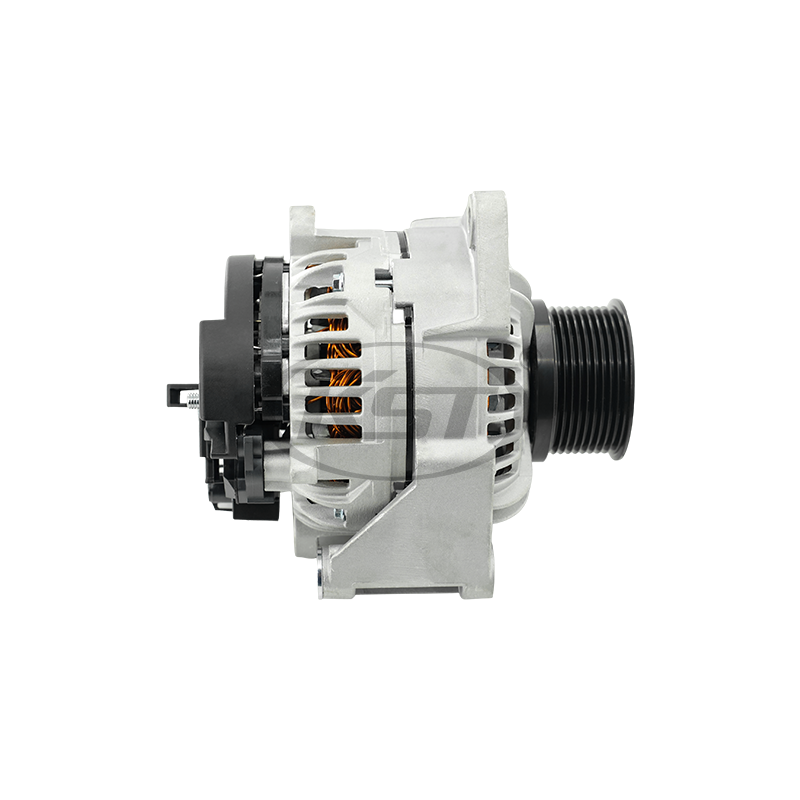
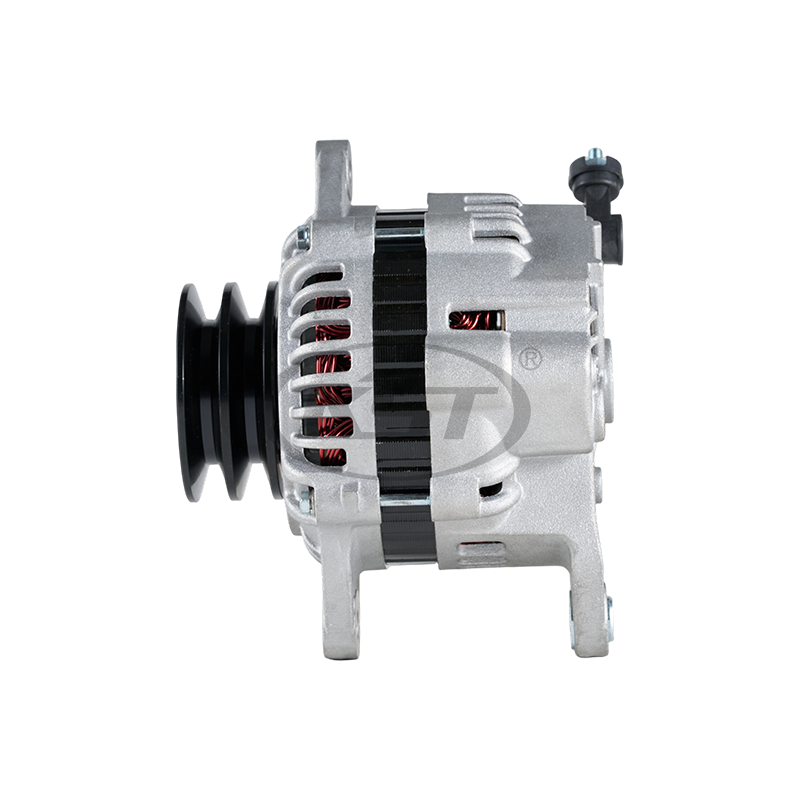
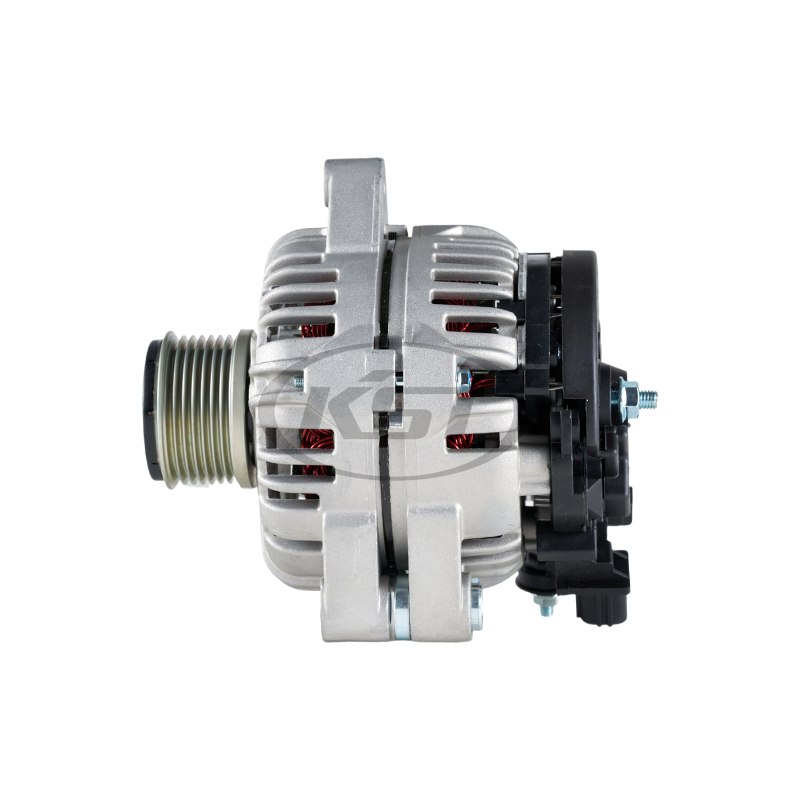
For auto parts distributors and repair shops, knowing why Car Engine Alternators fail under heavy electrical loads helps avoid unnecessary replacements. Sometimes the alternator needs to be upgraded. Other times, replacing it won't fix the problem at all.
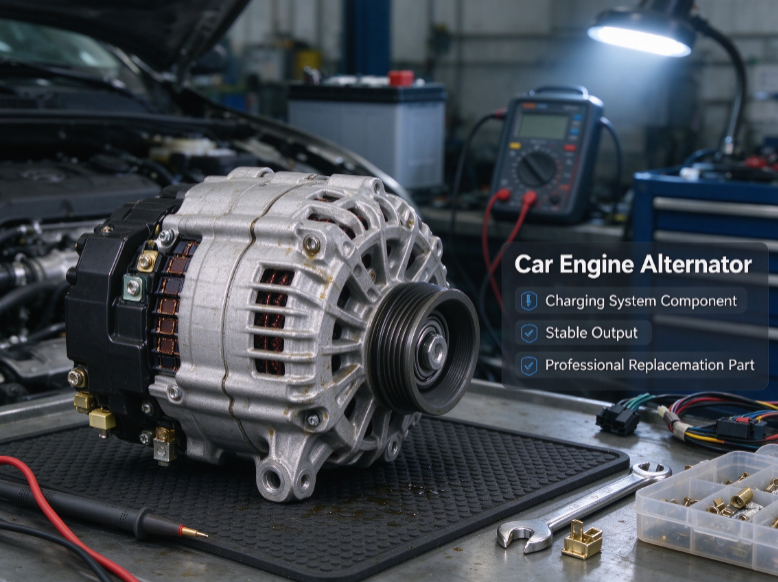
What Happens When an Alternator Has Too Much Work to Do?
An alternator uses the running engine to generate electricity. That power runs the vehicle's electrical equipment and recharges the battery.
When more accessories are switched on, the alternator has to supply more current. That creates more heat inside the unit and puts extra demands on its internal components.
Engine speed makes a difference, too. An alternator generally produces less current at idle than at higher speeds. So a vehicle crawling through traffic with its headlights, blower, and cooling fan running may put more demand on the charging system than one cruising down the highway.
If the alternator can't supply enough current, the battery makes up the difference. That's fine for a short period, but repeated discharging without enough time to recharge can leave the battery struggling.
In practice, four things can affect how well the system handles the load:
- The accessories: Headlights, fans, heaters, audio equipment, and other devices all consume power.
- Engine speed: Available alternator output changes as its rotational speed changes.
- Heat: Internal components can suffer if temperatures remain too high.
- Wear: An old battery, loose belt, or damaged connection can make an existing problem worse.
A healthy charging system should cope with the load it was designed for. Problems tend to appear when the demand increases, the available output falls short, or something is already worn.
Why Do Car Engine Alternators Struggle Under Heavy Loads?
1. The Alternator Can't Produce Enough Current
Sometimes the problem is simply that the vehicle needs more electricity than the alternator can provide.
The factory-installed unit is selected for the vehicle's original equipment. Add auxiliary lights, a powerful sound system, extra cooling fans, or other accessories, and the electrical demand changes. An alternator that was fine before may struggle when everything runs together, especially at idle.
There's a detail buyers sometimes miss: the maximum output rating doesn't tell you how much current an alternator can produce under every condition. A unit rated at a particular amperage may only reach that figure at a specified shaft speed.
When checking whether an alternator has enough capacity, look at:
- Its rated output and the speed at which that rating applies.
- How much current it can supply at idle.
- The combined power demand of the vehicle's equipment.
- Whether additional accessories have increased that demand.
A higher-output alternator may solve the problem, but don't order one based on the amp rating alone. The mounting points, pulley, connectors, battery, wiring, and charging controls still need to match the vehicle.
2. Heat Damages the Internal Components
An alternator gets warm during normal operation. The trouble starts when it has to produce high current for long periods and can't get rid of the extra heat quickly enough.
The rectifier is one part that can be affected. It converts the alternator's AC output into DC power for the vehicle. Its diodes carry substantial current, and repeated exposure to excessive heat can eventually damage them.
The stator windings can suffer as well. If the insulation deteriorates, the risk of an internal short circuit increases. Output may drop, or the alternator may stop charging altogether.
Sometimes the warning signs only appear after the engine has been running for a while. The alternator works when cold, then charging becomes unstable once the engine compartment heats up.
If a vehicle keeps developing this kind of fault, check what's happening around the alternator:
- Is the vehicle spending long periods idling with several accessories running?
- Is the cooling fan damaged or airflow restricted?
- Are there signs of overheating around the unit or its connections?
- Does the charging problem appear only after the engine warms up?
Hot weather can make things worse, particularly in vehicles that spend hours in traffic or at job sites. If a replacement alternator develops the same problem, it's time to look at the working conditions instead of fitting another unit and hoping for a different result.
3. The Bearings or Belt Drive Are Worn
Not every alternator problem starts with an electrical component. Sometimes the mechanical parts are the real issue.
The rotor turns on bearings inside the alternator. As those bearings wear, friction increases and strange noises may develop. A driver might hear a whine or grinding sound that changes with engine speed. Leave severe bearing wear unchecked, and the shaft may begin moving out of its normal position.
The belt drive can cause trouble, too. If the belt slips, the alternator may not spin fast enough to produce the current the vehicle needs. A worn tensioner, damaged pulley, or misalignment can lead to similar symptoms.
Before replacing the alternator, check a few things:
- Belt wear, tension, and signs of slipping.
- Tensioner movement and pulley alignment.
- Bearing noise or excessive shaft movement.
- Loose mounting points or damaged hardware.
Heavy electrical demand increases the mechanical effort needed to drive the alternator, but a healthy bearing shouldn't automatically fail just because the electrical load rises. Existing wear may be the bigger problem.
This is an easy detail to overlook in a busy workshop. Yet if a faulty tensioner is causing the belt to slip, a brand-new alternator won't solve it.
4. The Voltage Regulator Isn't Doing Its Job
The voltage regulator controls alternator output so the charging system stays within the range required by the vehicle. Depending on the design, it's built into the alternator or works with the vehicle's electronic control system.
When the regulator develops a fault, charging voltage may become too low, too high, or unstable. These symptoms can look much like insufficient alternator capacity, which makes testing important.
Overcharging can be just as troublesome as undercharging. Excessive voltage may damage the battery and sensitive electronic equipment.
Newer vehicles make diagnosis a little trickier because smart charging systems can change their target voltage according to battery condition, temperature, and operating requirements. A voltage reading that looks unusual doesn't necessarily mean something is broken.
Before replacing the regulator, technicians should check:
- Whether the readings match the vehicle manufacturer's specifications.
- Whether the vehicle uses conventional or smart charging.
- Whether relevant fault codes are present.
- Whether the battery and electrical connections are in good condition.
One reading from a multimeter isn't always enough. The charging system needs to be tested under the conditions specified for that vehicle.
Could Something Else Be Causing the Problem?
Absolutely. Alternators get blamed for plenty of faults that start elsewhere in the charging system.
A weak battery may no longer hold a charge. Corroded terminals or a loose ground connection can restrict current flow. A damaged cable may develop enough resistance to cause a voltage drop, particularly when several accessories are drawing power.
Extra electrical equipment is another possibility. Poorly installed accessories, undersized cables, and unsuitable connections can create problems that look like alternator failure.
|
Symptom
|
Possible cause
|
What to check
|
|
Battery warning light stays on
|
Alternator, belt, or wiring fault
|
Charging output and connections
|
|
Headlights dim at idle
|
Low-speed output shortage or voltage drop
|
Idle output, cables, and electrical load
|
|
Grinding or whining noise
|
Worn bearings or internal damage
|
Bearings, pulley, and shaft movement
|
|
Battery repeatedly loses charge
|
Weak battery, poor charging, or parasitic drain
|
Battery condition and charging system
|
|
Charging problems after warm-up
|
Heat-related fault or poor connection
|
Warm-condition testing and wiring
|
|
Voltage fluctuates
|
Regulator, battery, connection, or control-system fault
|
Vehicle-specific diagnostic checks
|
Take a battery that keeps going flat. The alternator might not be charging it properly, but the battery itself could be worn out. Alternatively, something may be draining the battery while the vehicle is parked.
Those problems need different repairs. Replacing the alternator without checking first could mean spending money and ending up right back where you started.
How Can Technicians Find the Actual Fault?
Start with the simple stuff. Check the battery terminals, ground connections, charging cables, belt, tensioner, and alternator mounting. Look for corrosion, loose fittings, damaged insulation, belt wear, or signs of overheating.
Next, test the battery. If it can't hold a charge, fitting a new alternator may not fix the complaint.
After that, the charging system can be tested under the vehicle manufacturer's specified conditions. Depending on the vehicle, this may include:
- Measuring charging voltage at idle.
- Checking output at a specified engine speed.
- Running an electrical load test.
- Measuring charging current where appropriate.
- Testing voltage drop across the positive and ground circuits.
Voltage-drop testing is useful when the alternator appears to work but the battery isn't receiving enough power. A damaged cable or poor connection can lose voltage while current is flowing.
There's another thing to consider: temperature. If the problem only appears after a long drive, repeat the relevant tests once the alternator is warm. A fault that doesn't show up during a cold inspection can otherwise be missed.
Technicians should use suitable test equipment and follow the correct service procedure. Moving belts, hot components, and high-current circuits can be dangerous. Disconnecting the battery while the engine is running is not a valid way to test an alternator and can damage vehicle electronics.
Choosing Car Engine Alternators for Heavy-Duty Applications
For repair shops, fleet operators, and auto parts distributors, matching the alternator to the vehicle model is only part of the job. The vehicle's actual workload matters, too.
A standard passenger car and a service van fitted with extra lighting or refrigeration equipment may have very different power requirements. If the original alternator can't handle the demand, an upgrade may be necessary. But buyers should confirm the problem before selecting a higher-output unit.
When comparing replacement products, check:
- Rated output: The current rating and the speed at which it's measured.
- Vehicle fitment: Compatible models and part numbers.
- Mechanical details: Mounting dimensions, pulley type, and belt arrangement.
- Electrical specifications: Regulator type, connector layout, and charging-control compatibility.
- System requirements: Whether the battery, wiring, and protection devices suit the application.
- Supplier support: Test information, inspection records, and warranty terms.
A higher-output alternator won't fix a worn battery or a damaged cable. On the other hand, replacing an undersized alternator with another unit of the same rating may leave a genuine capacity problem unresolved.
For commercial and modified vehicles, it's worth confirming the electrical load before ordering. That helps avoid unnecessary upgrades and compatibility issues during installation.
What Should Be Checked During Alternator Quality Inspection?
For manufacturers and wholesale buyers, inspection needs to cover more than whether the alternator starts producing electricity. Mechanical condition, assembly, and component quality affect how the unit performs in service.
|
Component
|
What to inspect
|
Why it matters
|
|
Stator windings
|
Insulation and electrical test results
|
Faulty windings can reduce output or cause internal failure
|
|
Rectifier
|
Diode condition and rectification performance
|
Defective diodes can cause charging problems and excessive ripple
|
|
Voltage regulator
|
Regulation under specified conditions
|
Unstable output can affect the battery and electronics
|
|
Bearings
|
Rotation, noise, and mechanical fit
|
Wear can increase friction and affect alignment
|
|
Pulley and fan
|
Correct specifications and physical condition
|
Damage can affect the drive and cooling
|
|
Terminals and housing
|
Connection security and assembly condition
|
Poor connections can reduce charging reliability
|
Inspection should follow defined procedures and relevant product requirements. Passing a basic function test shows how the alternator performed under those test conditions; it doesn't guarantee how the unit will behave throughout its service life under every speed, temperature, and electrical load.
Avoiding the Same Charging Problem Twice
When an alternator struggles under heavy electrical loads, the cause may be insufficient output, overheating, worn mechanical parts, a regulator fault, or a problem elsewhere in the charging circuit.
For repair shops, checking the battery, wiring, and belt drive before replacing the unit can save a second repair visit. For distributors, clear output specifications and accurate fitment information help ensure the replacement actually suits the vehicle.
Extra electrical accessories also deserve a closer look. If the original charging system wasn't designed to support the added demand, a higher-output unit may be needed. If the capacity is sufficient, the fault may be a worn component or poor connection instead.
The aim is to fix the reason the charging system struggled, not just swap out the alternator and hope for the best.

 Heavy Duty Vehicle Motor Factory


 en
en  English
 عربى
عربى فارسی
فارسی