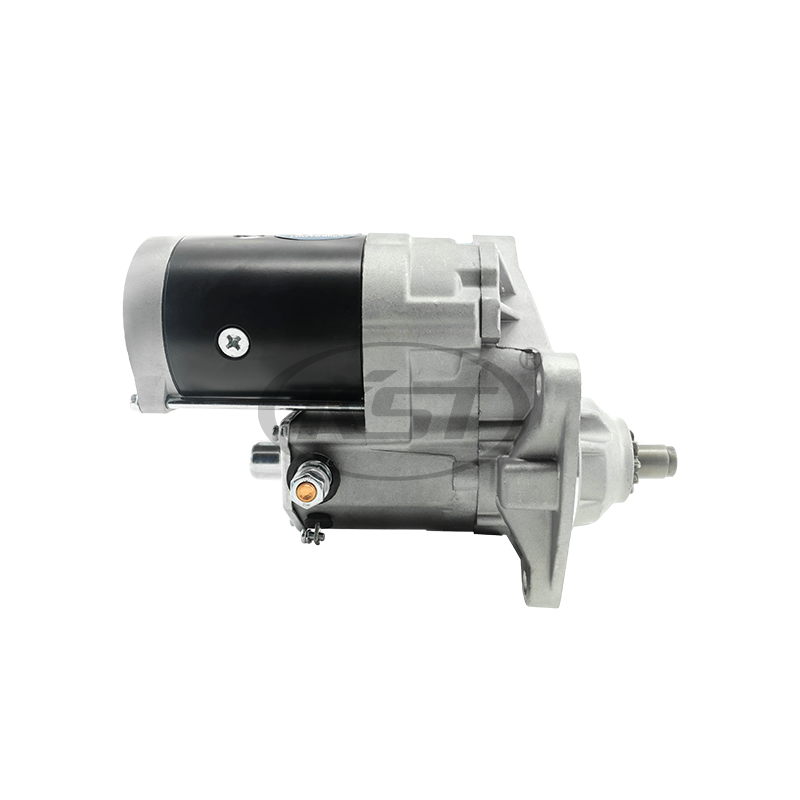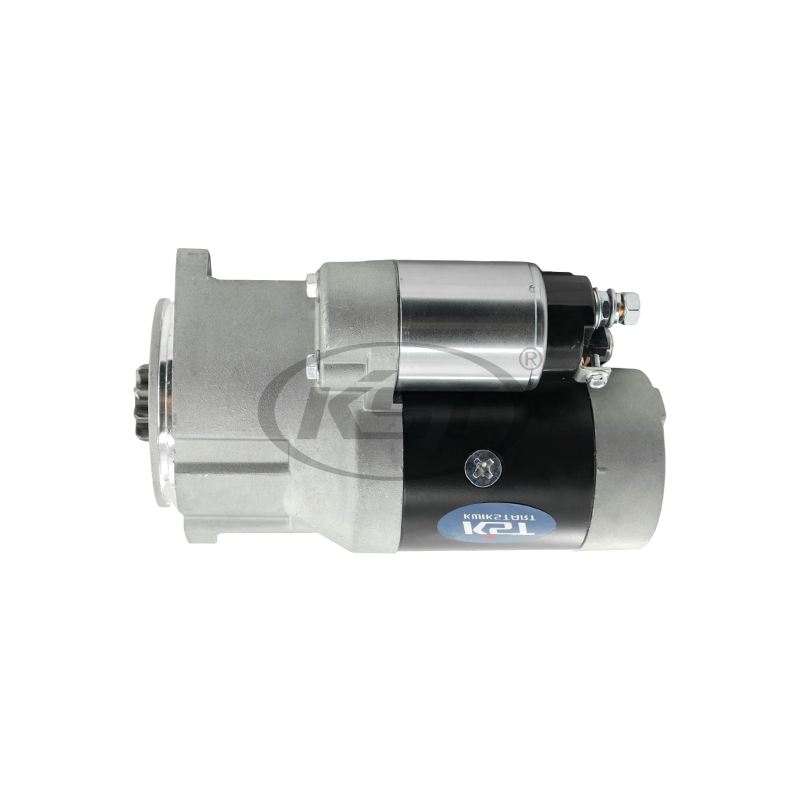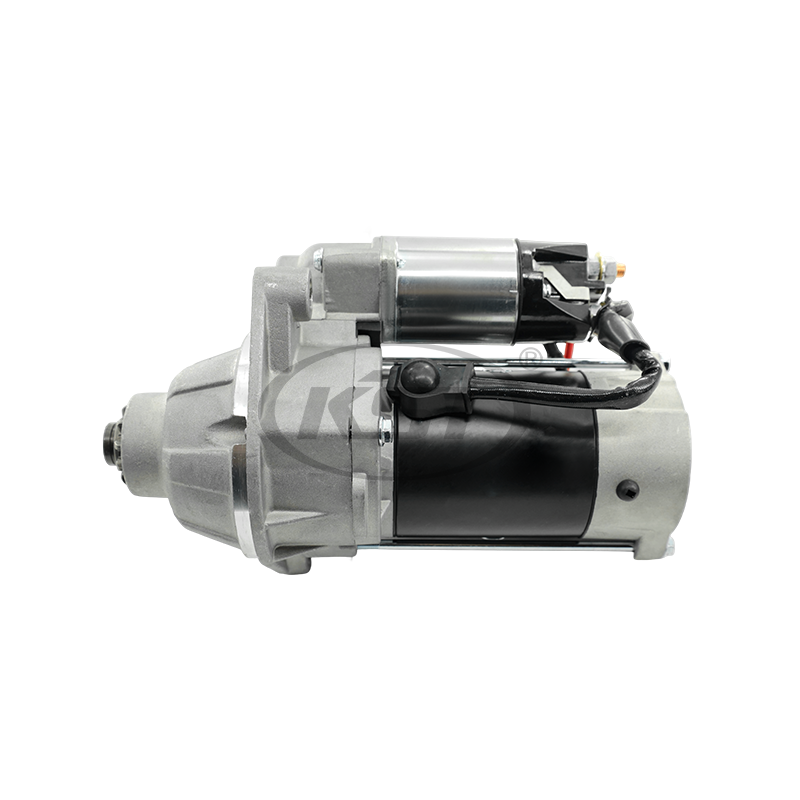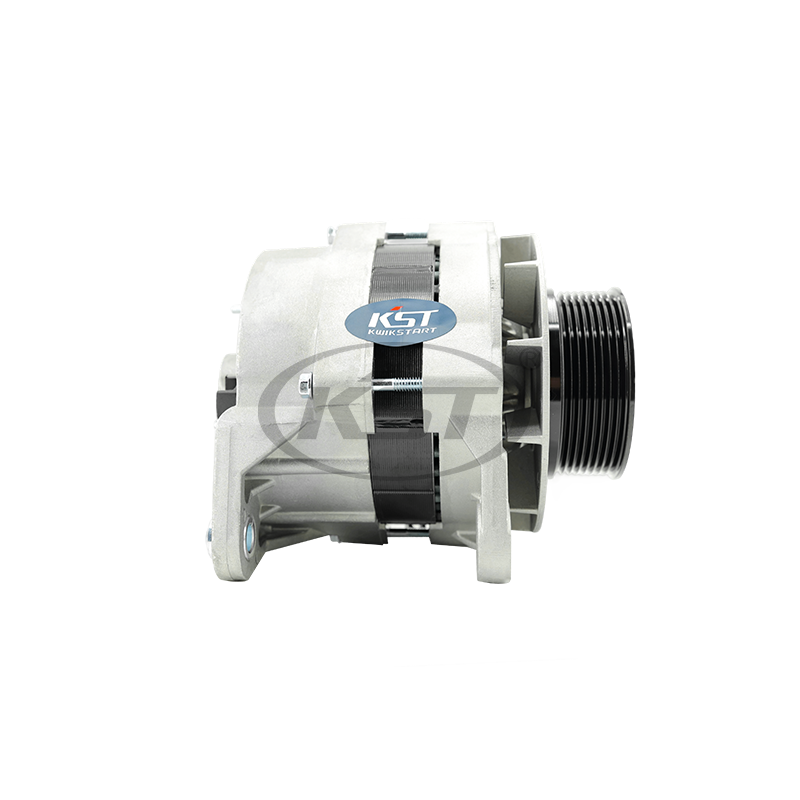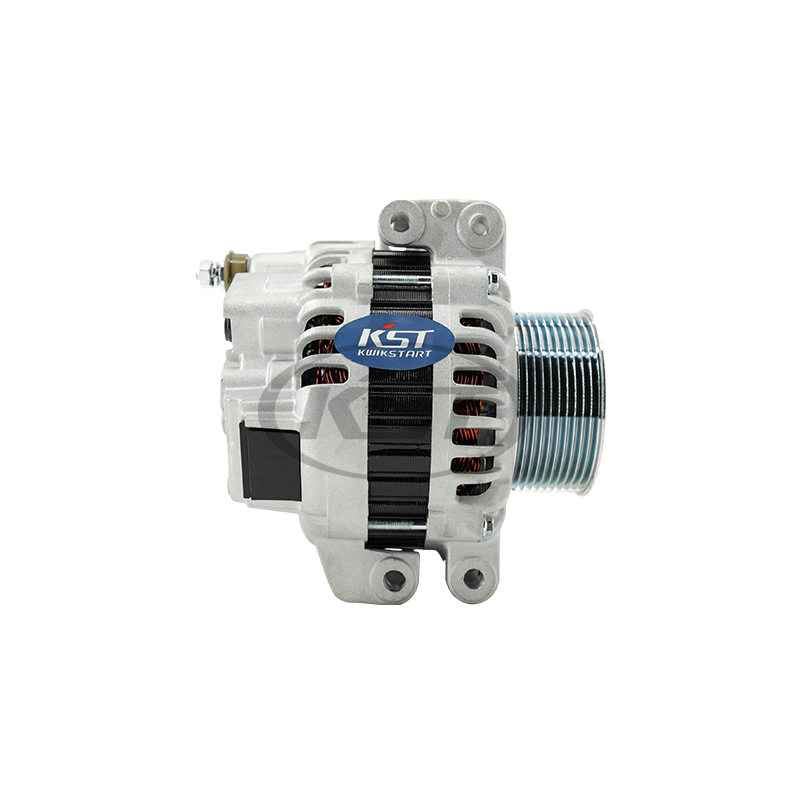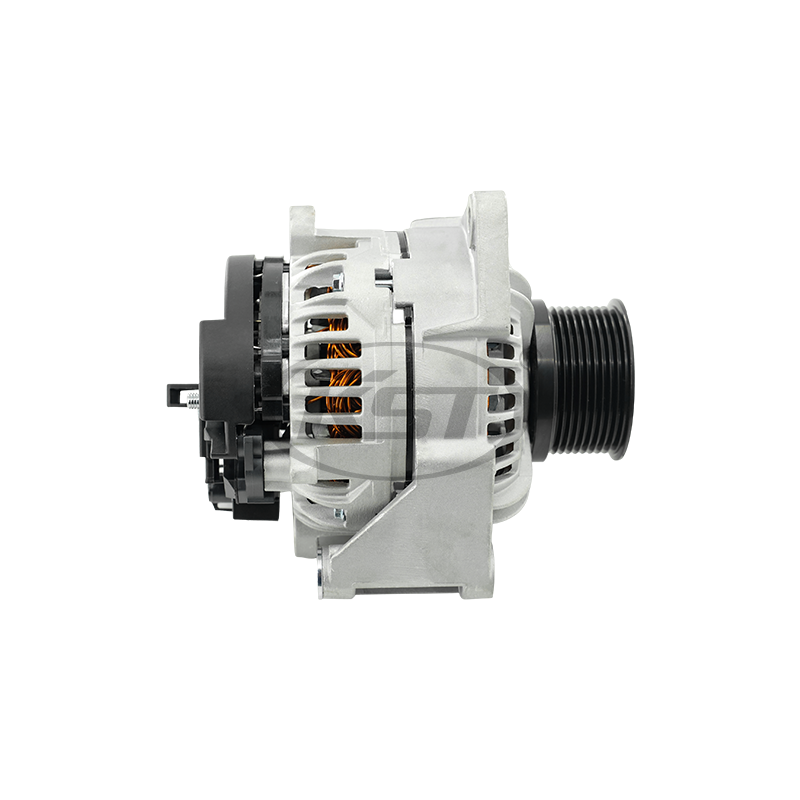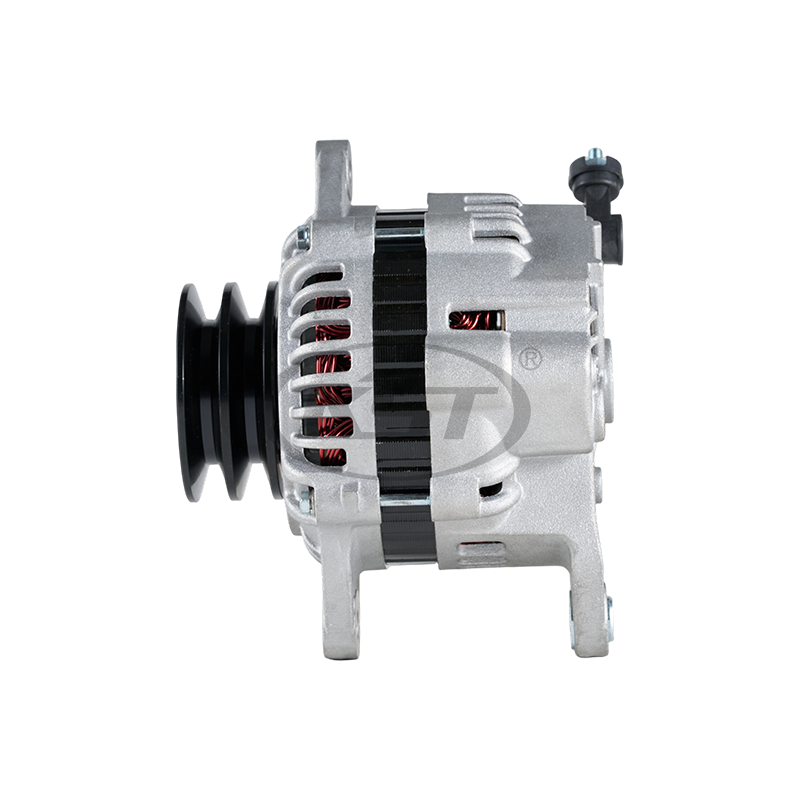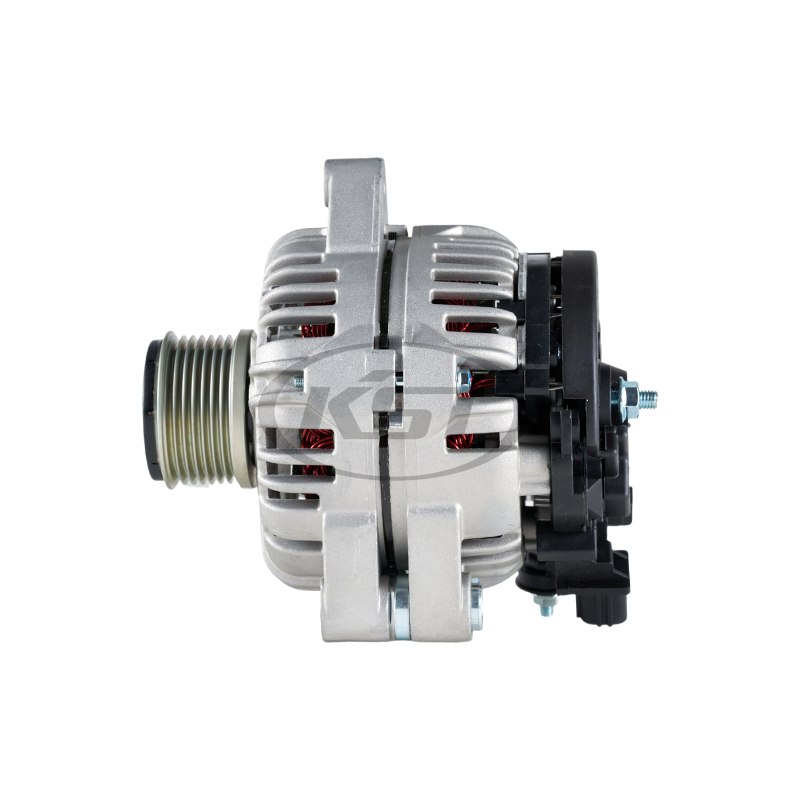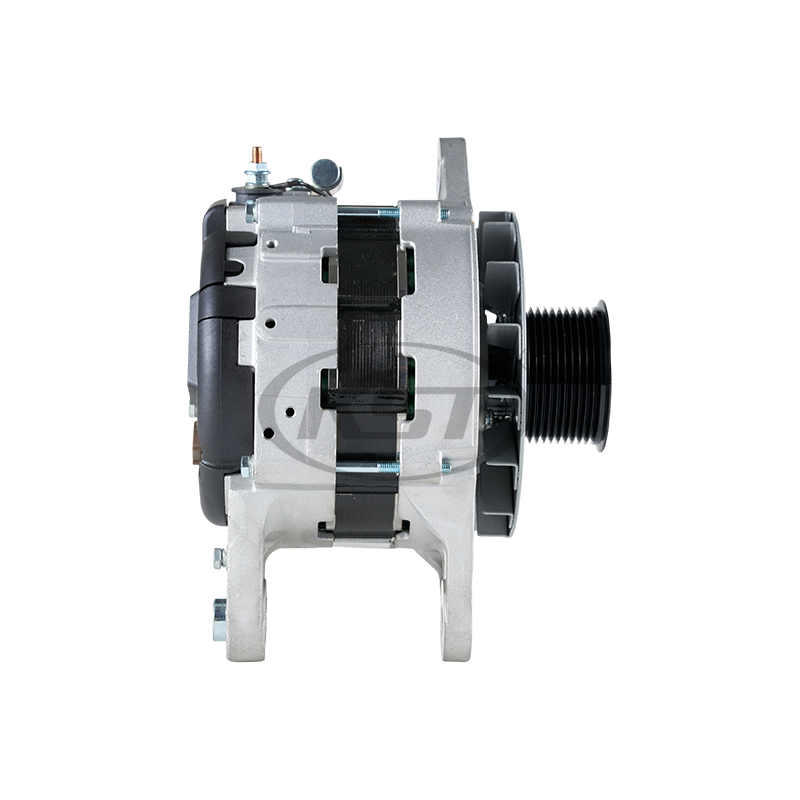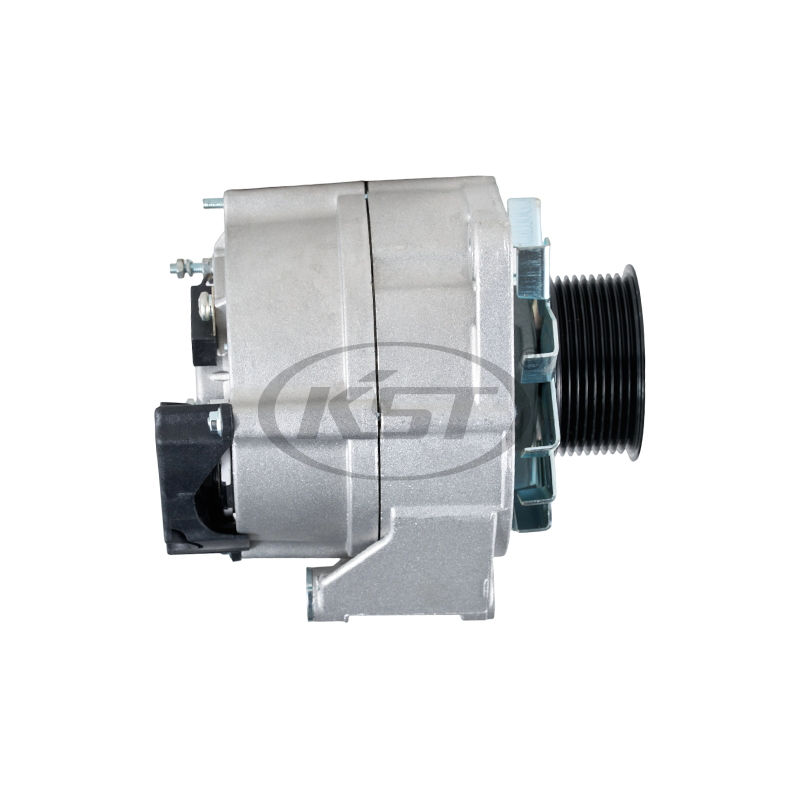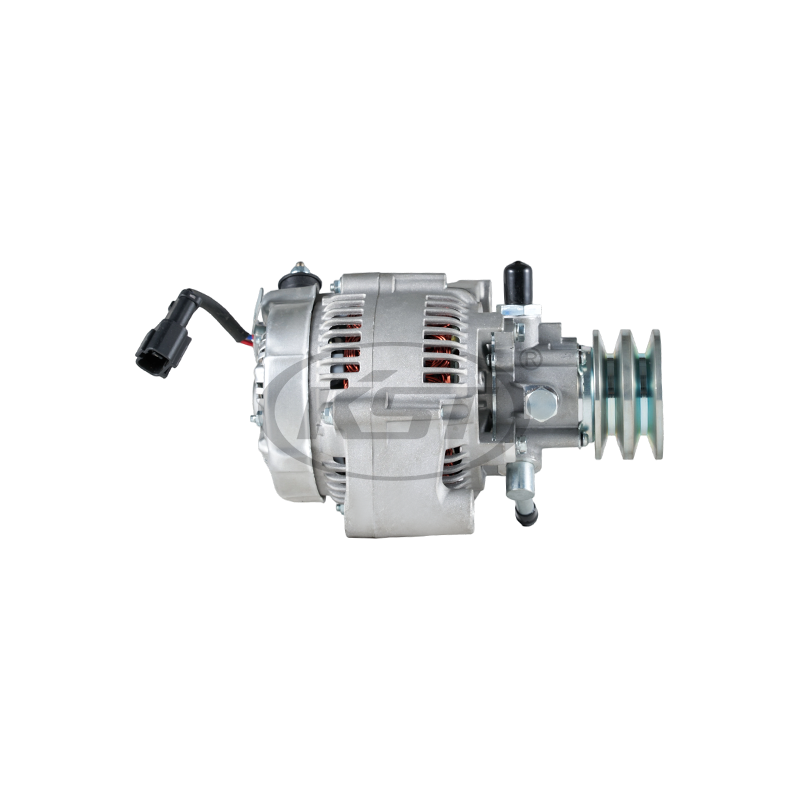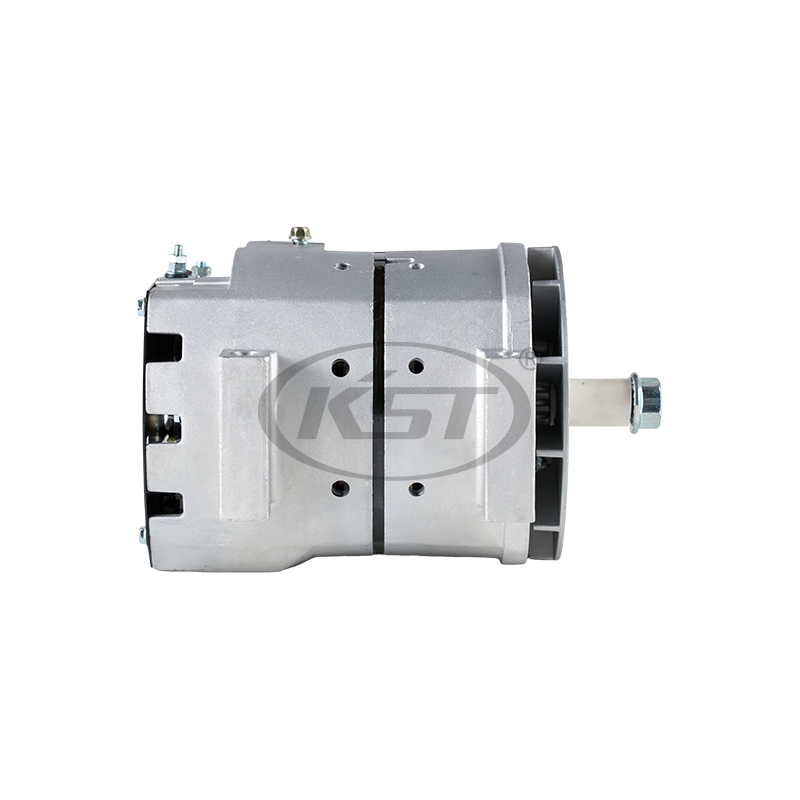
A vehicle's electrical system depends on a steady source of power once the engine is running. Construction machines such as excavators, loaders, and bulldozers place heavy demands on that system. Lights, instruments, control units, and other electrical equipment all draw current, and the battery alone cannot supply them for long. The alternator generates electricity while the engine turns and simultaneously restores charge to the battery. Alternator Vehicle units built for construction service must handle dust, vibration, long operating hours, and fluctuating loads. Understanding how the device works, how it supplies power, and what signs point to trouble helps keep machines ready for daily work.
In heavy equipment the alternator sits as part of the charging system. Its job is to turn mechanical energy from the running engine into electrical energy. A belt or other drive arrangement links the engine to the alternator so that the rotor spins whenever the engine is operating. The electrical output then supports the machine's lights, gauges, electronic controllers, and any auxiliary equipment that is in use. Under the rough conditions typical of construction sites, dependable generation of power becomes especially important.
The engine turns the alternator's rotor through the drive arrangement. Inside the housing the spinning rotor creates a moving magnetic field. That field interacts with the stationary windings of the stator. The changing magnetic field induces an alternating current in the stator windings through electromagnetic induction. As long as the rotor keeps turning, the alternator continues to produce electricity. The strength of the output depends on rotor speed and the design of the magnetic circuit, but the fundamental process remains the conversion of rotation into alternating current.
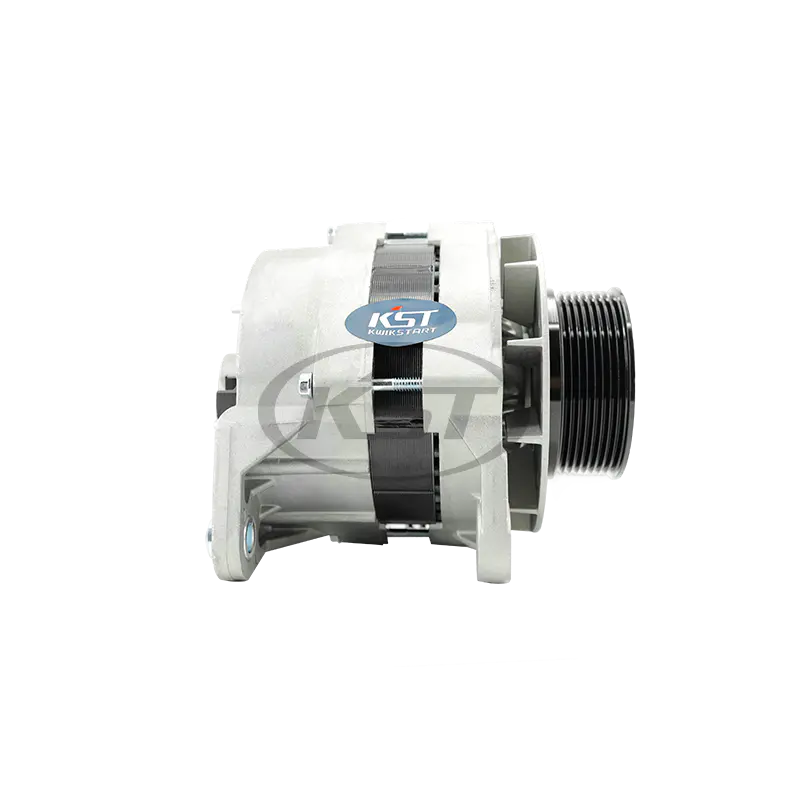
The alternating current produced in the stator is not directly usable by many vehicle systems, which operate on direct current. A rectifier assembly changes the alternating current into direct current. A voltage regulator then monitors the system voltage and adjusts the alternator's output so that it stays within the range the electrical system can accept. When output exceeds the immediate demand of the lights, instruments, and other loads, the surplus current flows into the battery and restores its charge. In this way the alternator both powers the machine while it runs and prepares the battery for the next start.
Work lights, dashboard instruments, electronic control modules, and various accessories all draw power. If the charging system cannot keep up, the battery gradually loses capacity and may eventually fail to crank the engine. Construction environments add further stress through dust that can enter housings, constant vibration that affects bearings and connections, and long continuous operating periods. An alternator that maintains steady output under these conditions helps keep the entire electrical system functional throughout the shift.
Several signs can appear when the charging system is not performing as expected. The battery may lose charge repeatedly or the engine may be slow to start. Lights can dim or flicker, and electrical accessories may behave irregularly. A warning light related to the battery or charging system may illuminate on the instrument panel. Unusual noises from the alternator area or signs of overheating can also indicate worn bearings, drive problems, or internal electrical faults. These symptoms call for a full check of the charging system rather than an automatic assumption that the alternator itself is the sole cause.
Compatibility with the specific machine is essential. Mounting points, electrical connectors, and the required charging capacity must match the vehicle. The operating environment and the total electrical load of the machine should also guide the choice. Once installed, routine attention to wiring, connectors, drive belts where used, and mounting hardware helps prevent avoidable failures. Periodic checks of charging performance, together with adherence to the equipment manufacturer's maintenance schedule, support longer service life.
| Aspect of Operation | Contribution to Machine Function | Practical Point to Monitor |
|---|---|---|
| Mechanical drive from engine | Provides the rotation that generates electricity | Condition of belt or drive arrangement |
| Rotor and stator interaction | Produces alternating current through induction | Free rotation and absence of unusual noise |
| Rectification and regulation | Converts output to usable direct current and controls voltage | Stable system voltage under varying loads |
| Power delivery and battery charge | Supplies electrical loads and restores battery charge | Battery state and warning indicators |
| Environmental durability | Maintains function amid dust, vibration, and long hours | Cleanliness of connections and security of mounting |
The alternator converts engine rotation into electrical energy, supplies the vehicle's electrical system through rectification and regulation, and restores charge to the battery when conditions allow. On construction equipment this continuous supply of power supports lights, instruments, control systems, and starting readiness. A dependable unit matched to the machine and kept under regular inspection contributes to smoother daily operation. Correct selection, periodic checks, and timely attention to emerging symptoms help maintain the electrical side of the equipment in working order. Alternator Vehicle designs intended for heavy-duty use illustrate the same basic operating principles while addressing the particular demands of construction environments.
Zhejiang KST Automotive Electric Motor Co., Ltd. develops practical automotive electrical components and remains available for further product inquiries.
Your email address will not be published. Required field are marked*
Get in Touch
 Heavy Duty Vehicle Motor Factory


 en
en  English
 عربى
عربى فارسی
فارسی