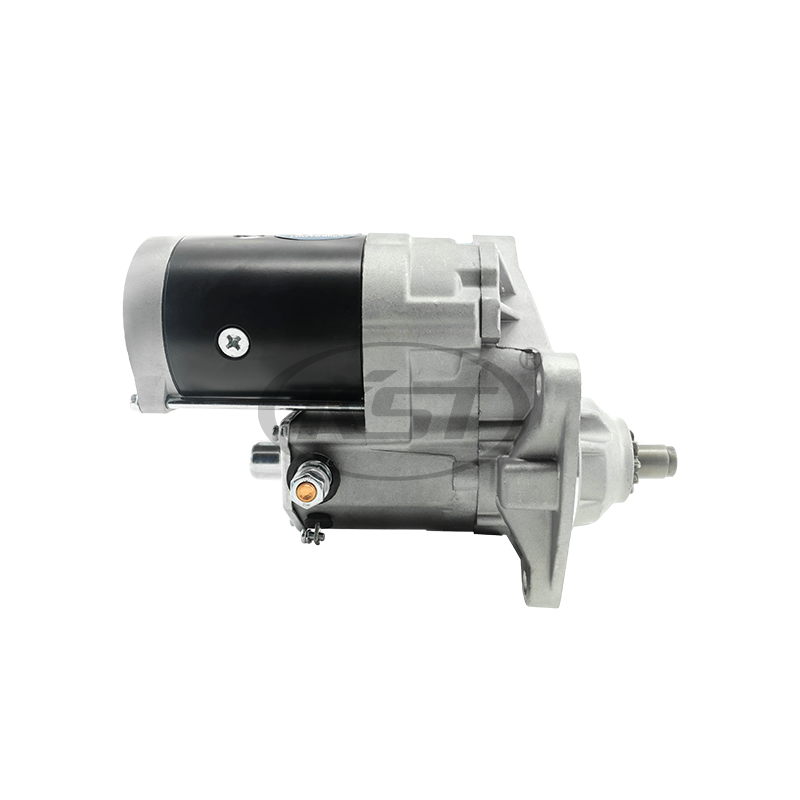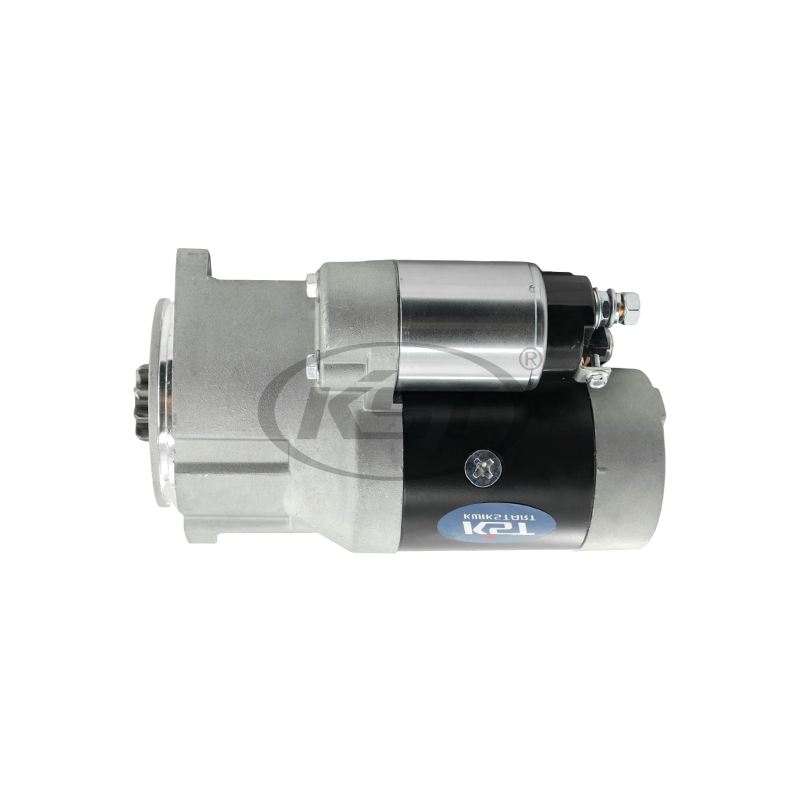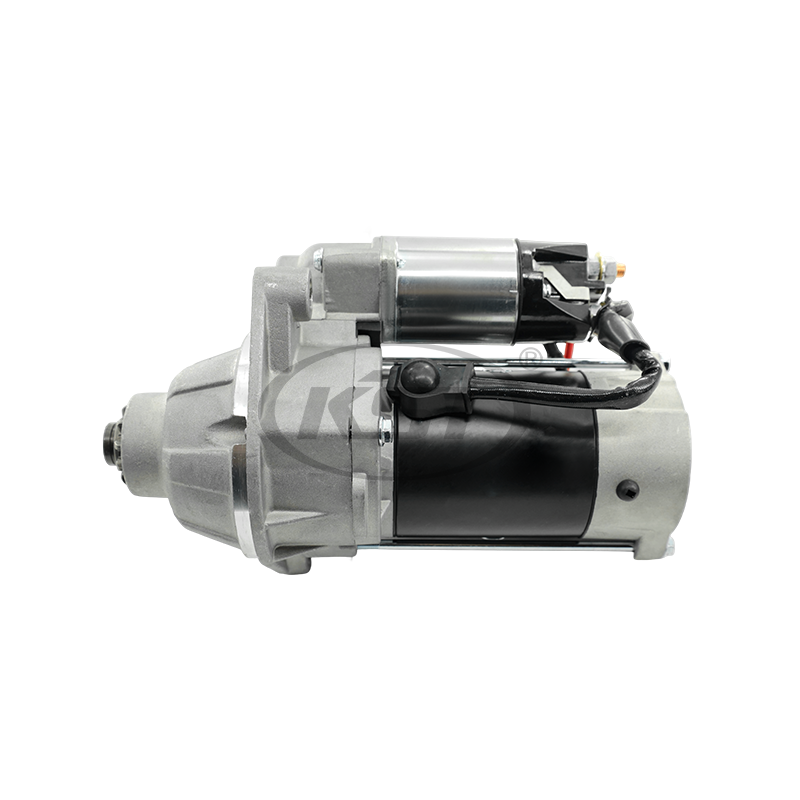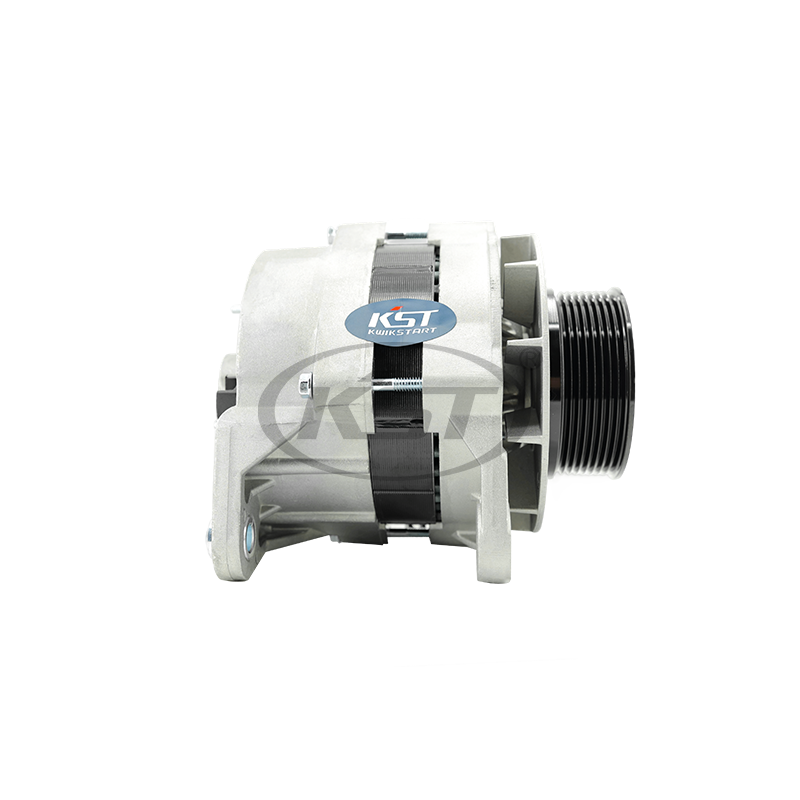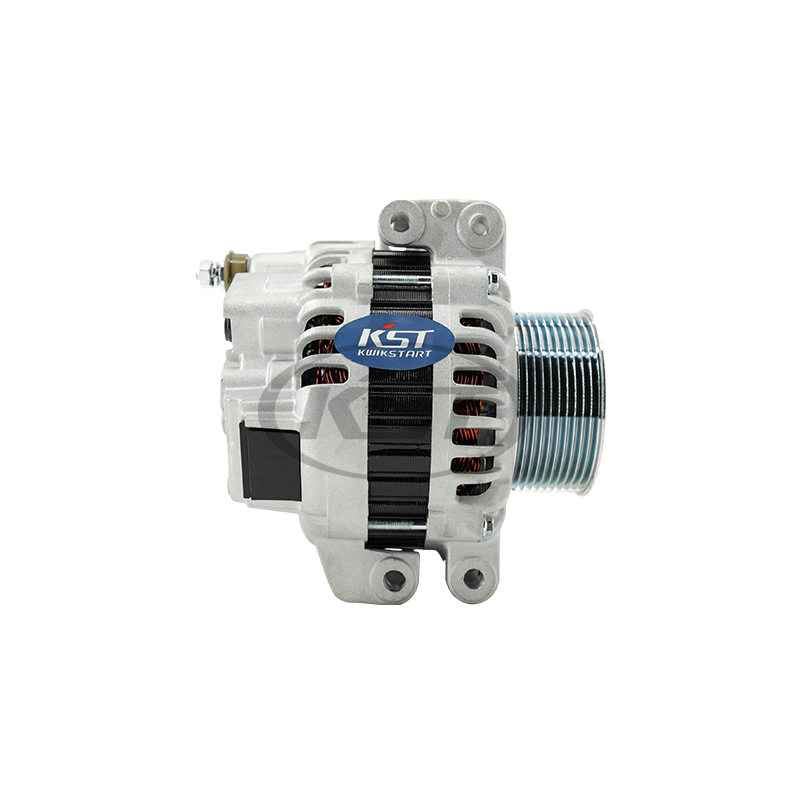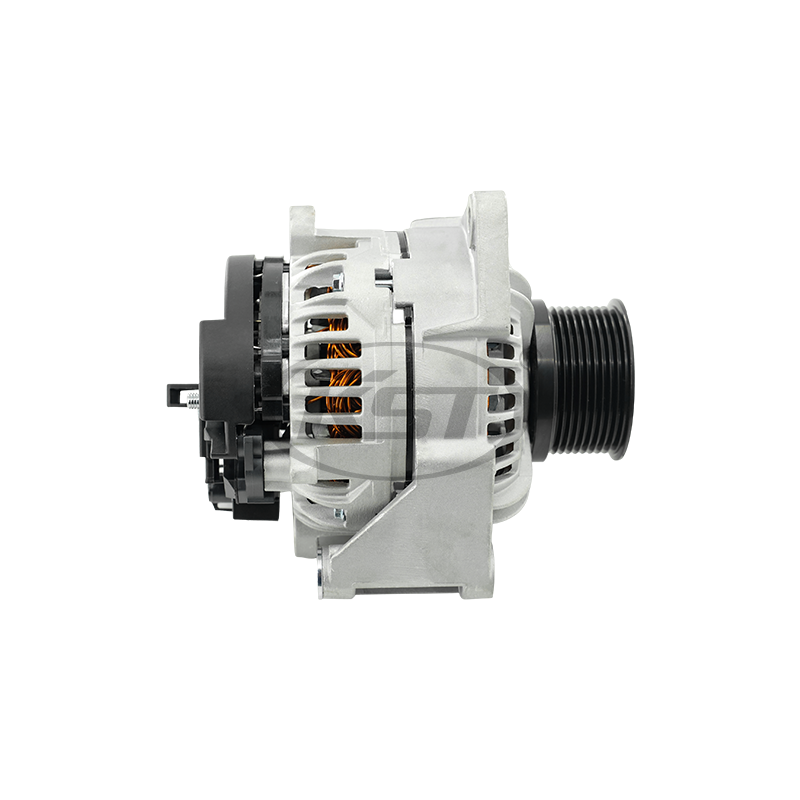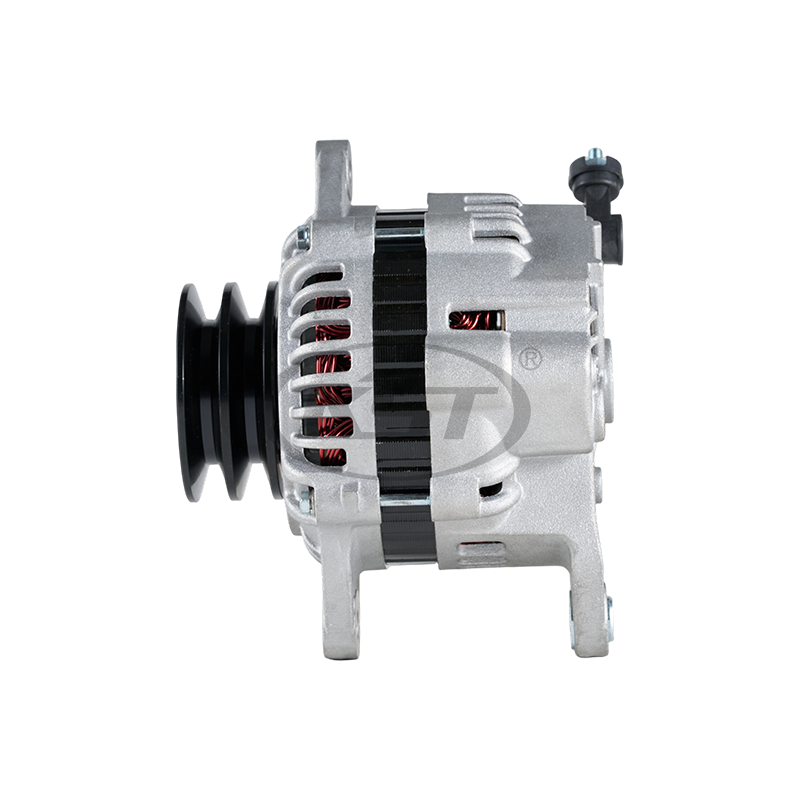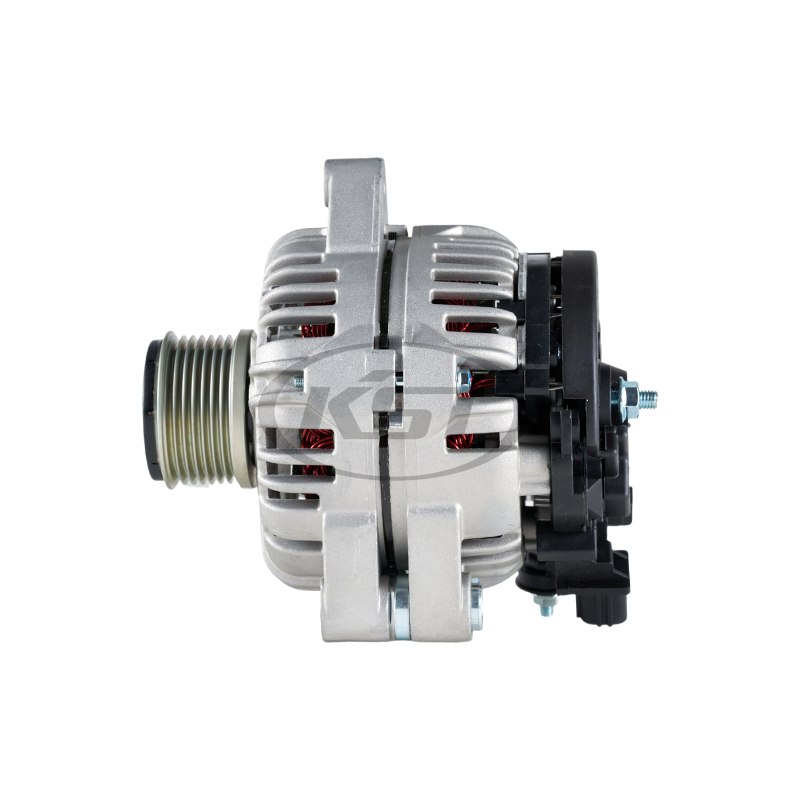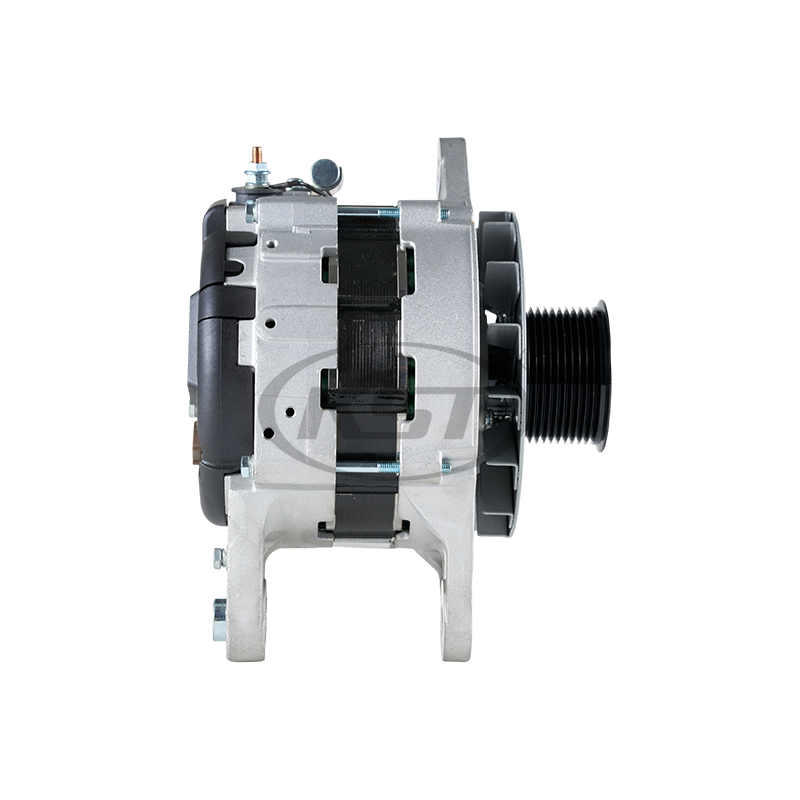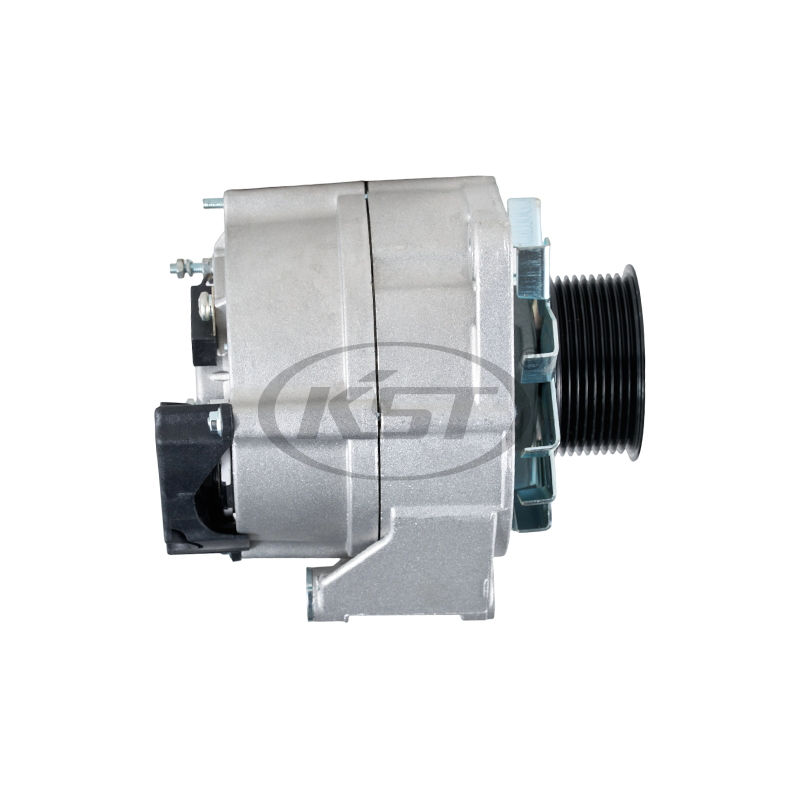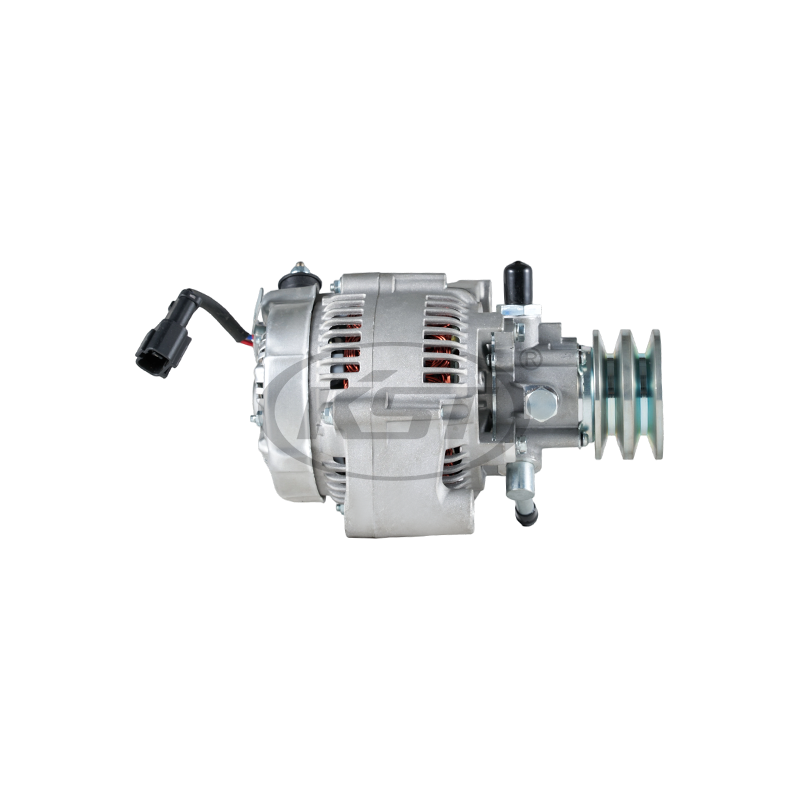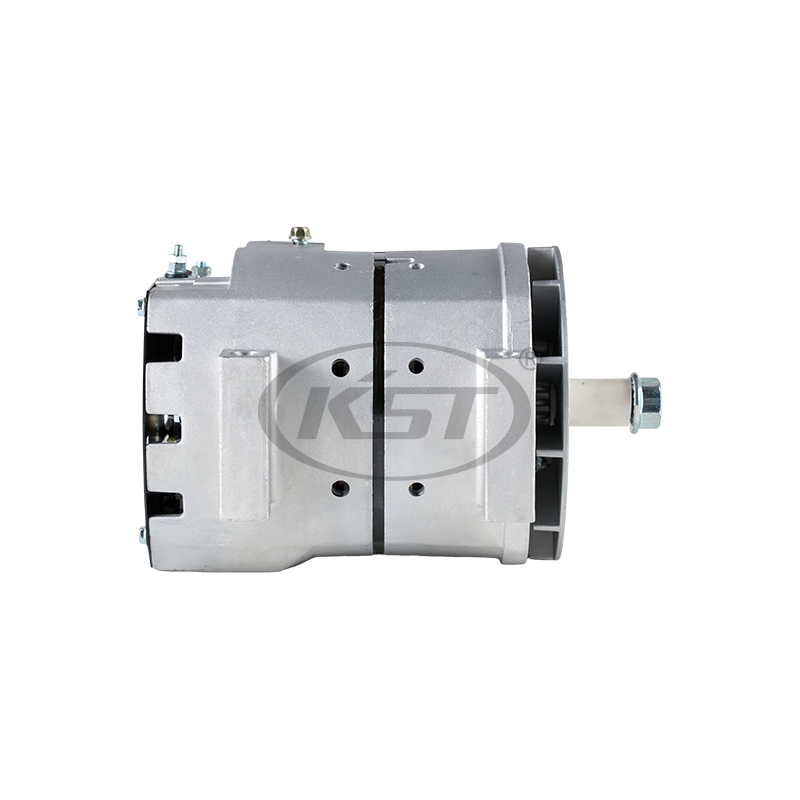
Heavy equipment rarely works in easy conditions. Construction machines may sit outdoors overnight, operate around dust and moisture, or spend long periods under heavy loads pulling a load uphill. Trucks and industrial vehicles can face repeated starts during a busy workday, and when the engine needs to start, the starting system has to respond without creating unnecessary delays for the operator waiting in the cab.
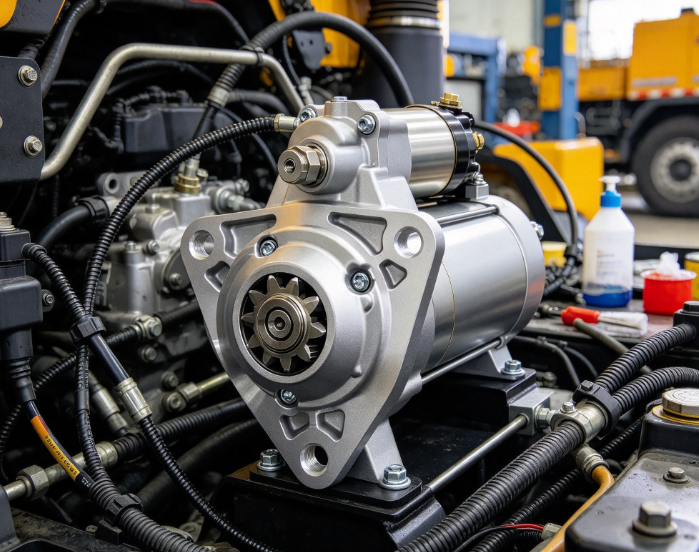
The Industrial Engine Starter plays a genuinely important role in this process. It provides the initial mechanical movement needed to turn the engine and begin combustion. For heavy equipment, this task can place genuinely considerable demands on the starter because the engine, battery system, and surrounding components all need to work together at the same moment.
A suitable starter is therefore not simply a replacement electrical component grabbed off a shelf. Its design, compatibility, construction, testing, and intended application all influence how it behaves during regular equipment use.
A heavy machine can depend on a successful engine start before almost every working cycle. Excavators, loaders, agricultural machines, transport vehicles, and other equipment may need to start repeatedly as operators move between tasks across a job site.
A starting problem can genuinely interrupt this routine. The operator may need to inspect the battery, connections, starter, or other parts before the machine can return to work, and even when the underlying issue stays small, the interruption can affect the way the equipment gets used throughout the day.
| Heavy Equipment Situation | Starting Requirement |
|---|---|
| Construction work | Consistent engine engagement |
| Material transport | Reliable repeated starting |
| Outdoor operation | Resistance to changing conditions |
| Seasonal operation | Suitable starting performance |
| Equipment storage | Dependable restart after standing |
The starter is only one part of the system, but its role begins at a genuinely critical moment. If it can't provide suitable starting action, other engine systems may not get an opportunity to operate at all.
The basic role of an Industrial Engine Starter is turning the engine, so the combustion process can begin. When the starting system gets activated, the starter receives electrical power and converts that energy into mechanical movement, which then transfers to the engine through the starter's engagement components.
The process may look simple from the operator's seat, but several components need to work together properly behind the scenes. The starter needs to engage the engine correctly, provide suitable turning force, and remain stable during repeated use throughout a shift. At the same time, the electrical system needs to supply enough energy for the starter to operate.
This relationship can get viewed as a chain: battery power leads to starter activation, which leads to engine engagement, then engine rotation, then engine start. A weakness in one part of this chain can affect the starting experience, which is why starter selection should consider the complete vehicle system, rather than focusing on the starter alone.
Heavy-duty engines can require genuinely substantial effort to begin turning, particularly when the engine has been sitting for some time or is operating in demanding conditions out in the field. The starter must provide enough turning force to overcome the initial resistance of the engine, which proves particularly relevant for diesel-powered construction machinery and heavy vehicles, where the starting process can place genuinely significant demands on the electrical and mechanical system.
A starter designed for the intended engine application can provide the required starting action without relying on unsuitable operating conditions to compensate. High starting force shouldn't get viewed as an isolated feature, though. The starter also needs suitable engagement, electrical connection, internal construction, and compatibility with the engine it serves.
A balanced design allows the starter to perform its intended role without placing unnecessary stress on surrounding components. The amount of turning force available at the starter genuinely affects how effectively the engine can begin moving.
Cold conditions can make engine starting genuinely more demanding. Fluids may become less mobile, engine resistance can change, and the battery may not provide the same starting response as it does under warmer conditions on a summer job site.
This creates additional pressure on the starting system as a whole. A suitable Vehicle Starter needs selection according to the vehicle and engine application it serves, working with the available electrical system while providing suitable engine engagement under the expected operating environment.
Construction equipment used outdoors may experience changing temperatures during storage and operation across seasons. A starter that performs reliably under ordinary workshop conditions still needs to suit the conditions in which the vehicle actually works day to day. For procurement teams, operating climate is therefore worth considering alongside engine type and vehicle application.
Construction machinery often works in environments where dust, vibration, moisture, and repeated movement are part of everyday operation rather than an exception. The starter itself may not get directly exposed to every external condition, but the surrounding equipment can still influence its working environment considerably. Repeated vibration can affect connections and mounting areas, while dust and moisture can create maintenance concerns around electrical components.
The starting system also experiences genuinely repeated use throughout a workday. An excavator may get started and stopped as the operator changes tasks. A loader may move between different work areas. A heavy transport vehicle may get restarted several times during loading and unloading.
This makes durability a combination of several design factors worth naming. Suitable housing construction matters, along with stable internal components and secure electrical connections. Appropriate mounting counts too, along with consistent engagement and suitable protection for the application at hand. A starter intended for heavy equipment needs consideration as part of a working machine, rather than as an isolated replacement part.
The term Vehicle Starter covers a genuinely wide range of starting products. Passenger vehicles, commercial vehicles, agricultural machines, construction equipment, and industrial vehicles can all use starter systems, but their operating demands may differ considerably from one to the next.
Heavy equipment often uses larger engines and works under conditions that require genuinely careful component selection.
| Application | Selection Consideration |
|---|---|
| Passenger vehicle | Vehicle-specific fit and starting needs |
| Commercial vehicle | Repeated operation and working environment |
| Construction machinery | Engine demand and harsh surroundings |
| Agricultural equipment | Seasonal use and storage conditions |
| Industrial vehicle | Operating cycle and system compatibility |
A starter shouldn't get selected simply because it looks physically similar to another product on a shelf. Electrical connections, mounting arrangements, engagement structure, and engine compatibility all need consideration, which is also why reference numbers and original equipment information can prove useful during replacement sourcing.
Replacement sourcing becomes genuinely easier when buyers have reliable identification information to work from. An OE number can help connect a replacement starter with the original application, letting buyers use available equipment records, previous component information, or supplier documentation to confirm whether a proposed replacement belongs to the same application group.
This doesn't mean a number alone should determine the purchase, though. The physical structure, electrical connection, mounting arrangement, engagement position, and intended engine application should also get checked before anything ships.
For B2B buyers, clear product identification can help reduce communication issues between the equipment owner, purchasing team, and supplier. A practical procurement process may begin by confirming the equipment application, then checking the original starter information. Comparing the replacement structure can follow, along with confirming electrical compatibility and reviewing the supplier's testing and quality procedures. Packaging and delivery requirements can then be confirmed to complete the procurement checklist.
This process helps reduce the chance of receiving a component that looks genuinely similar but doesn't suit the intended machine.
A Vehicle Self Starter is commonly understood as the starter component used to begin engine operation without manual engine cranking by hand. Its practical value becomes genuinely clear during repeated daily use, since operators expect the machine to respond when the starting control gets activated. A suitable self starter supports that routine by providing consistent engine engagement, shift after shift.
The design also needs to accommodate the conditions surrounding the vehicle. For heavy machinery, this can include vibration, dust, moisture, temperature changes, and repeated starting cycles throughout a working season. These factors can genuinely influence how the starter should be constructed and maintained over its service life.
The term may get used differently across markets, so buyers should focus on the actual application and replacement requirements, rather than relying only on product terminology printed on a box. Clear communication about the engine, vehicle type, installation arrangement, and original component can make sourcing genuinely easier.
Compatibility is one of the genuinely central issues in starter selection. A starter can be well constructed and still be unsuitable if it doesn't match the engine or vehicle system it's meant to serve.
| Compatibility Area | What Buyers Should Check |
|---|---|
| Engine application | Whether the starter suits the intended engine |
| Mounting | Whether the physical attachment matches |
| Electrical system | Whether connections and operating requirements match |
| Engagement | Whether the starter can interact correctly with the engine |
| Installation space | Whether the component fits the available area |
These checks are especially important when a buyer is sourcing replacements for equipment already in service and can't afford downtime. A supplier that can provide clear application information makes the purchasing process genuinely easier. OEM customization can also become relevant when a manufacturer needs a starter adapted to a particular equipment configuration. The key is confirming the application before production or shipment, rather than discovering a mismatch during installation on site.
Factory testing provides an opportunity to check whether a starter performs as intended before it ever reaches the customer's yard. Testing can cover different parts of the product depending on its design and intended application, with electrical operation, engagement behavior, assembly condition, and general starting performance all worth considering during inspection.
Testing also supports production consistency across a run. A starter may contain many internal and external parts, and each part needs to work with the others correctly. Checking the completed assembly gives manufacturers an opportunity to identify problems before the product enters distribution.
For B2B buyers, supplier quality procedures can become a genuinely important part of procurement discussions. Useful questions may cover how finished starters get inspected and how product consistency gets checked. How replacement applications get identified matters too, along with how customized products get verified and what documentation accompanies the shipment. These questions help buyers understand how the product gets prepared before it reaches the equipment.
Not every machine uses an identical starting arrangement off a standard template. Equipment manufacturers may have their own installation requirements, housing arrangements, electrical connections, or space limitations to work around. A starter supplier that supports OEM customization can navigate these application differences during product development rather than forcing a one-size-fits-all part.
Customization doesn't necessarily mean creating an entirely different product from scratch. It may involve adapting the housing, mounting arrangement, connection layout, engagement structure, or other application-specific features to fit a particular machine.
The important point is that customization should begin with clear technical communication upfront. The buyer can provide equipment information, original component details, application conditions, and installation requirements, while the supplier reviews whether the proposed starter structure genuinely fits the intended application. This approach can prove useful for equipment manufacturers, replacement-part distributors, and international sourcing teams alike.
International procurement adds another layer to starter sourcing that domestic buyers rarely face. The buyer may need to coordinate product identification, packaging, documentation, replacement information, and delivery arrangements across genuinely different locations and time zones.
Clear product classification proves particularly useful here. An Industrial Engine Starter, Vehicle Starter, and Vehicle Self Starter may get described differently by suppliers or buyers in different markets, so using application information alongside product terminology can reduce misunderstandings before an order ships.
| Procurement Area | Buyer Consideration |
|---|---|
| Product identification | Original component and application information |
| Compatibility | Engine and vehicle matching |
| Quality control | Factory inspection and testing |
| Customization | Application-specific requirements |
| Packaging | Protection during storage and transportation |
| Documentation | Product and replacement information |
A supplier that communicates these details clearly can make international purchasing genuinely easier to coordinate. The same principle applies when buyers need replacement starters for construction fleets spread across multiple sites, since clear records can help connect the replacement component with the machine that needs it.
Starter selection is genuinely connected with maintenance because the starting system is part of a larger vehicle electrical system, not an isolated part. When a machine develops a starting problem, replacing the starter without checking related components may not solve the underlying issue at all. Battery condition, electrical connections, grounding, and other starting-system components can also affect performance.
A practical maintenance approach therefore considers the complete starting path from battery to engine. Operators and maintenance teams can watch for changes such as unusual starting behavior, inconsistent engagement, or visible connection problems, and early inspection can help identify whether the issue relates to the starter or another part of the system entirely.
For equipment owners, keeping accurate replacement records can also simplify future sourcing considerably. Information about the original starter, equipment application, supplier, and replacement history can give purchasing teams a genuinely clearer starting point when another replacement is needed down the road.
Manufacturers serving heavy-duty vehicles and construction machinery need to consider genuinely more than basic starter production alone. The product has to fit the application, while production needs to remain consistent across different orders shipped to different customers. Product identification, customization, factory testing, packaging, and application support can all influence the buyer experience from start to finish.
A manufacturing process can therefore connect several stages worth naming: application review flows into product design, then component preparation, assembly, testing, inspection, and packaging. This structure gives manufacturers a way to manage the product from development through shipment reliably.
For buyers, the same process provides genuinely useful points for evaluation before placing an order. A supplier with clear application communication and inspection procedures can make it genuinely easier to identify a suitable starter for a particular machine sitting on a lot somewhere.
The starting system may only operate for a short period during each engine start, but its role stays closely connected with whether the equipment can begin its working cycle at all. For heavy vehicles and construction machinery, that makes starter selection, compatibility, testing, and application support genuinely important parts of routine equipment procurement.
Your email address will not be published. Required field are marked*
Get in Touch
 Heavy Duty Vehicle Motor Factory


 en
en  English
 عربى
عربى فارسی
فارسی