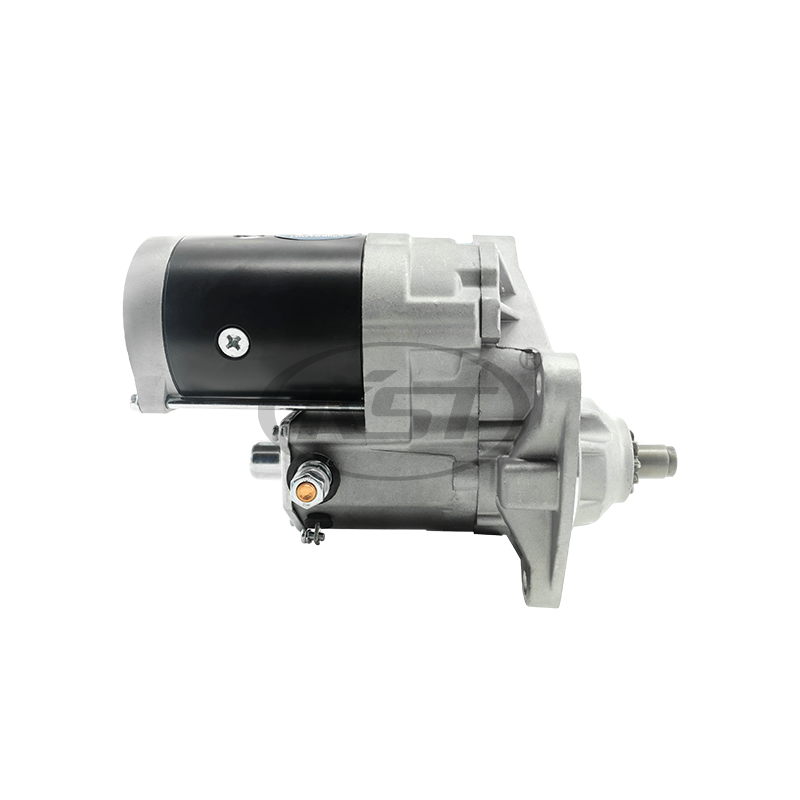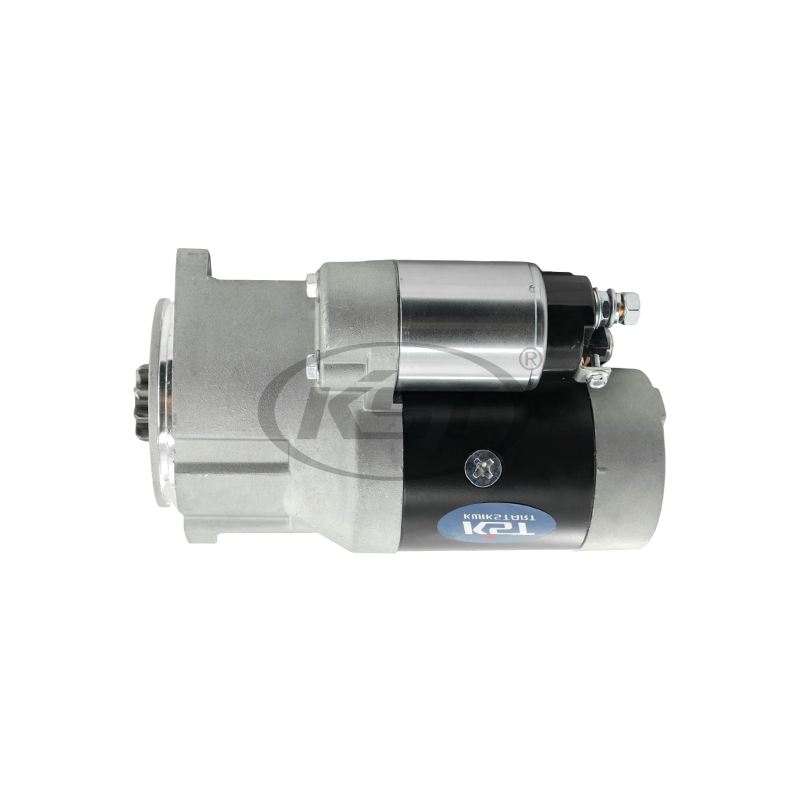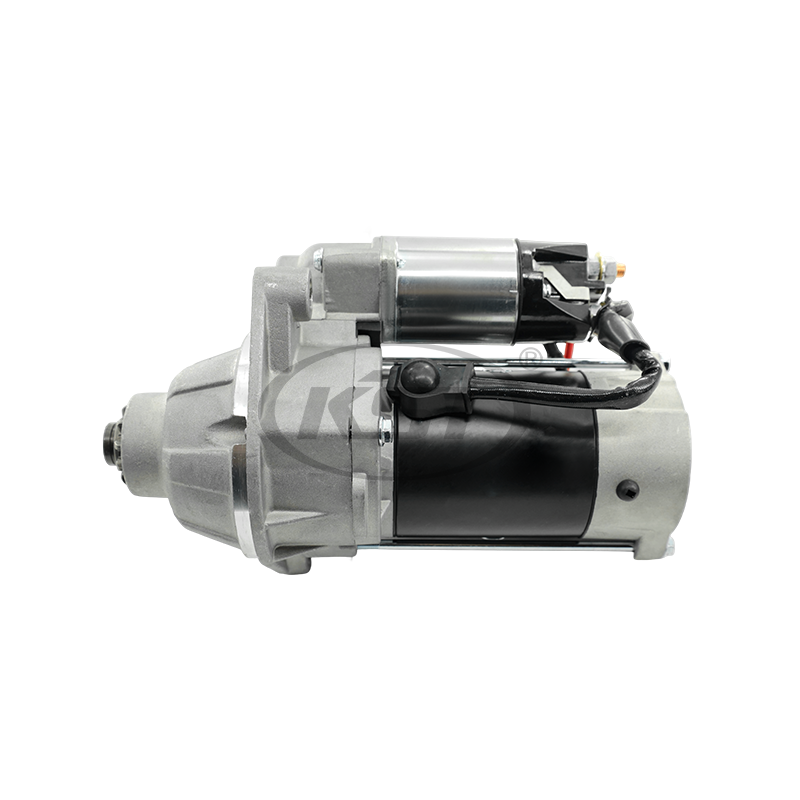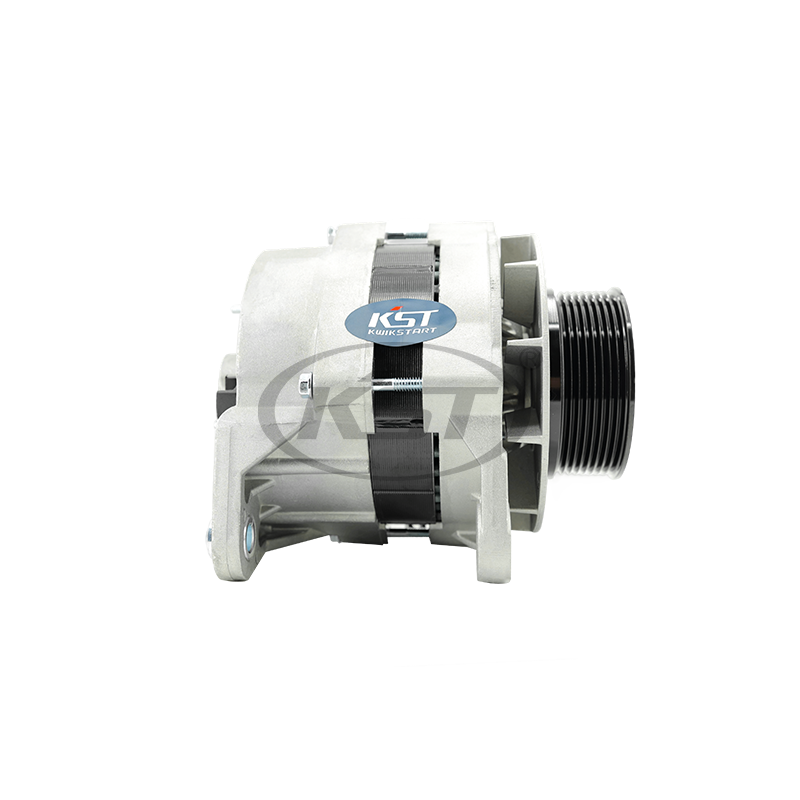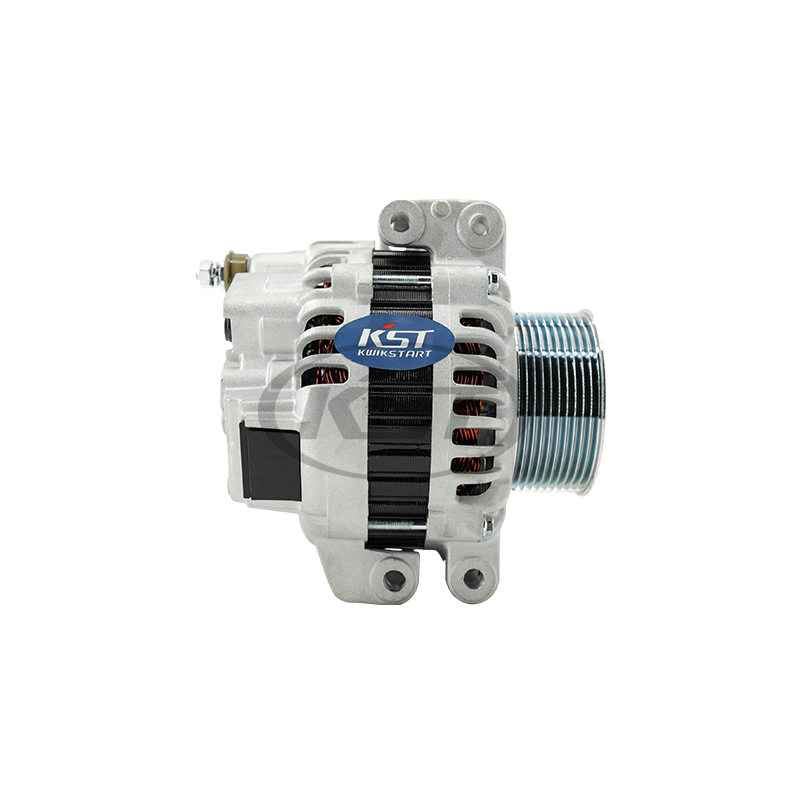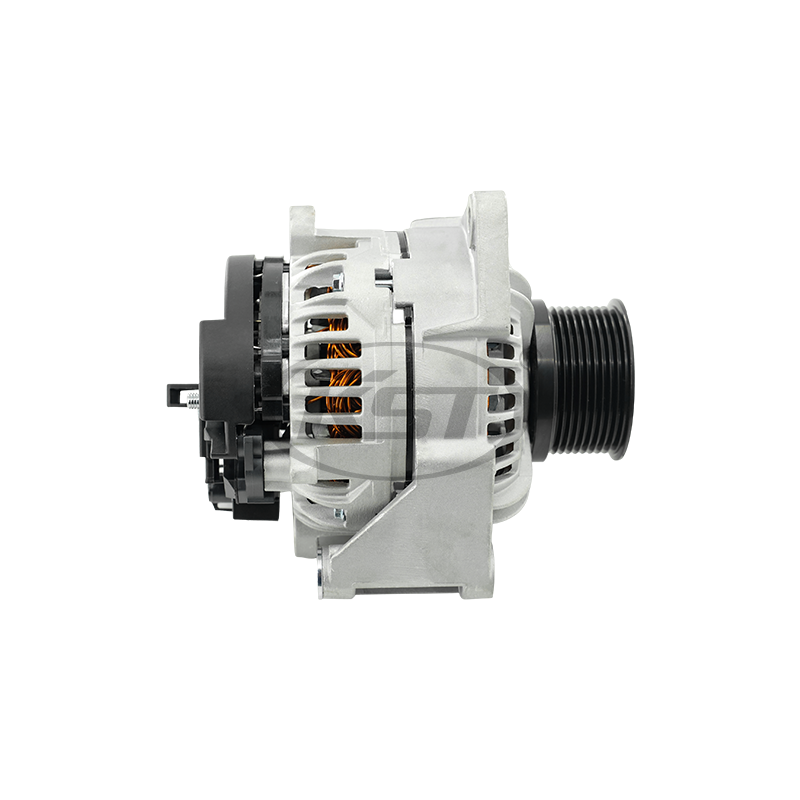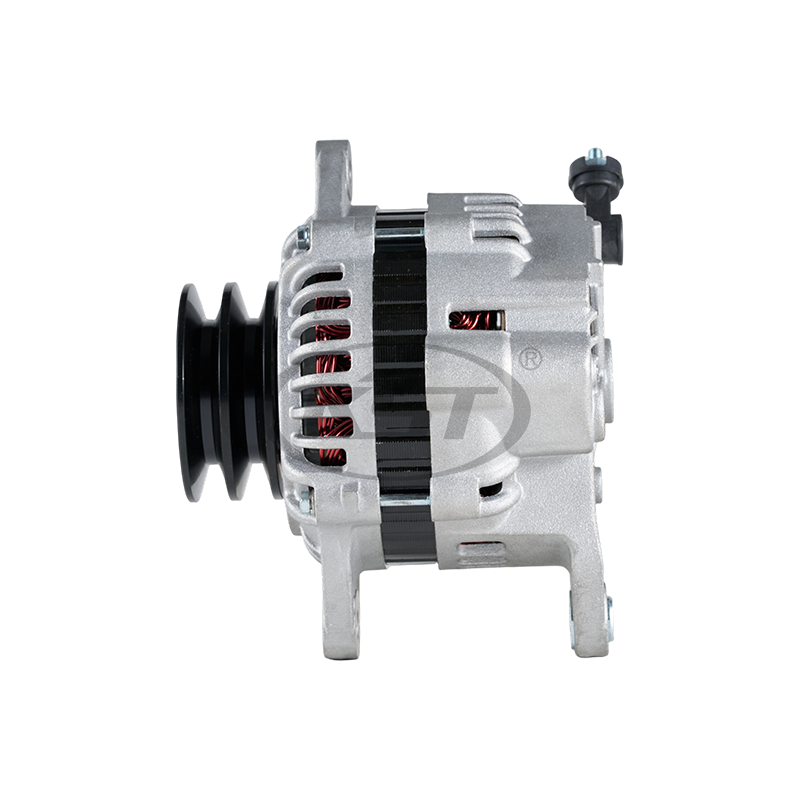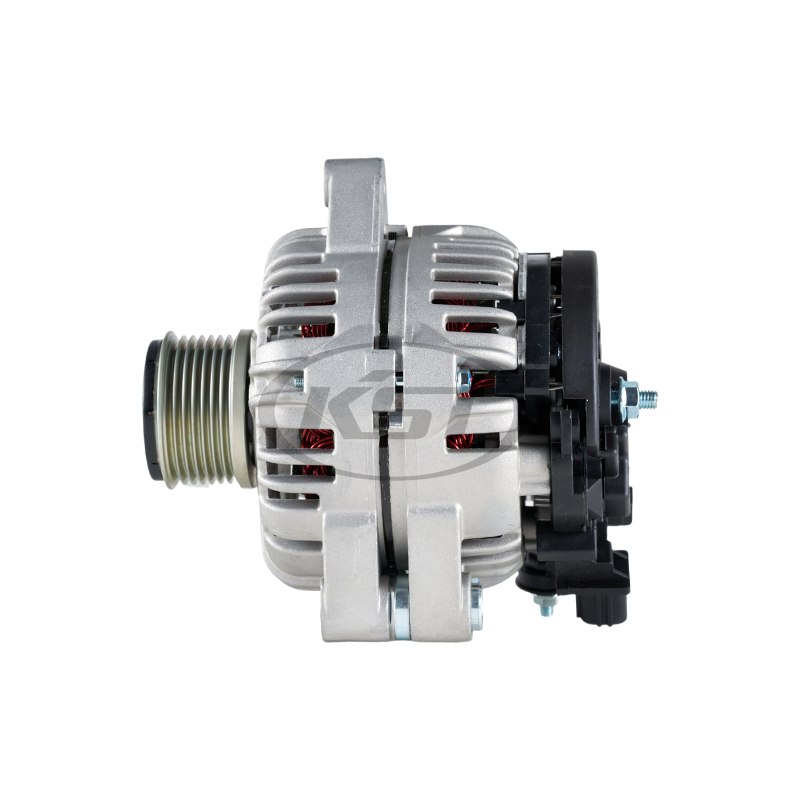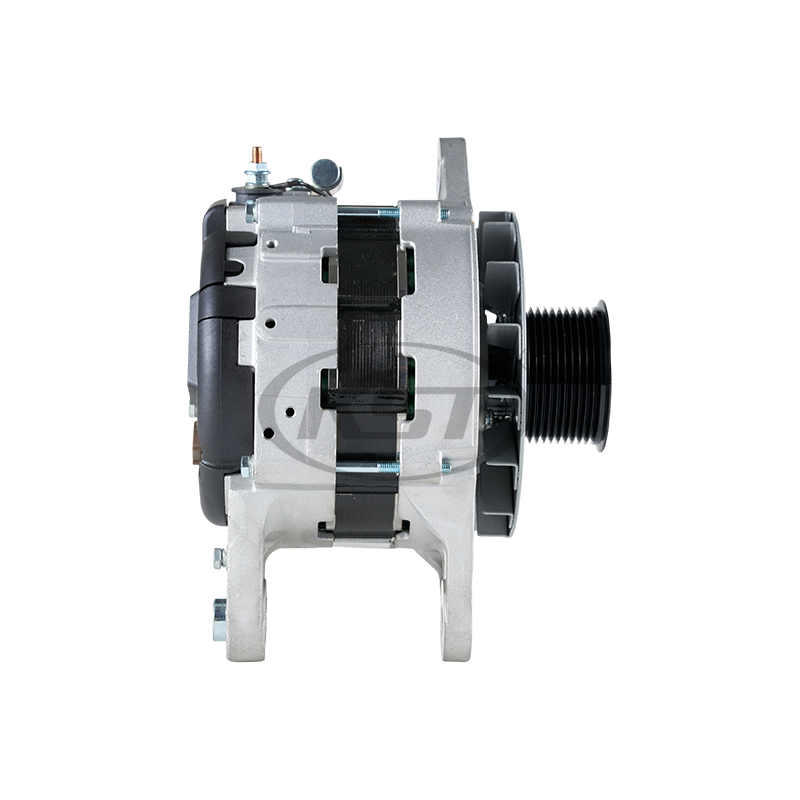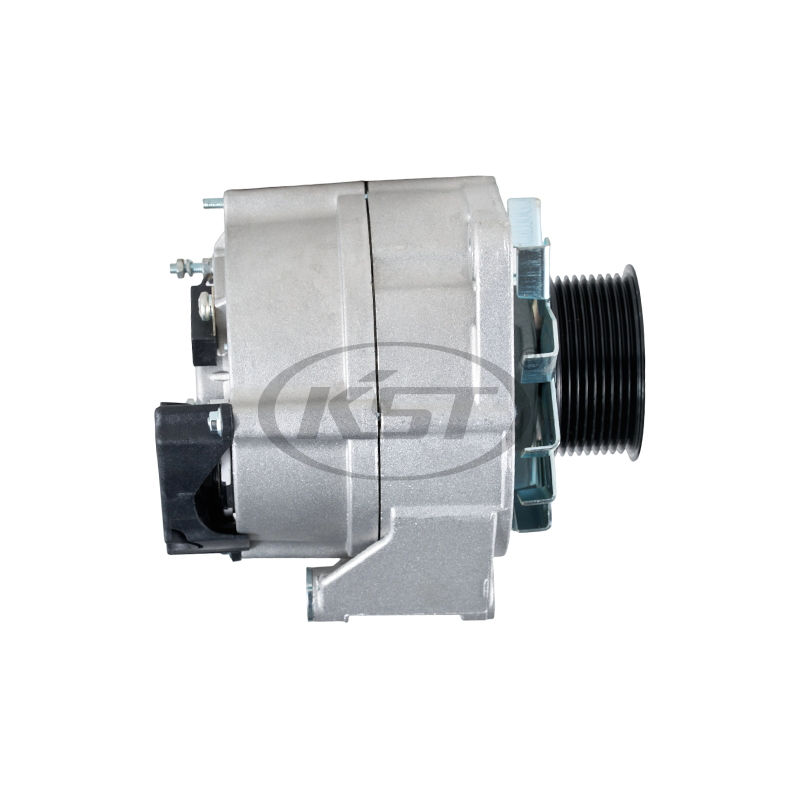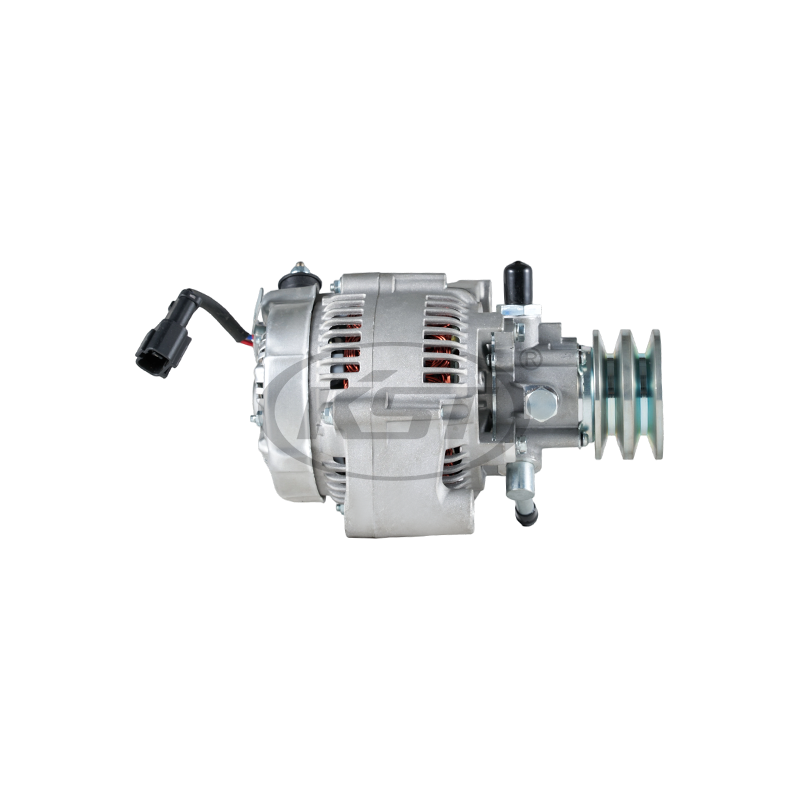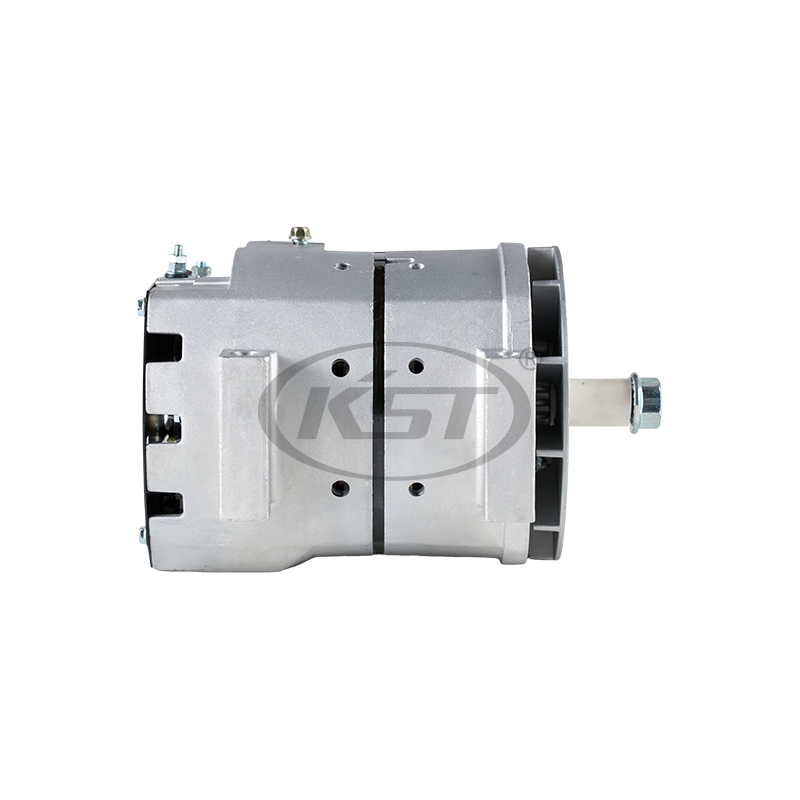
A starter housing has a simple appearance, yet its role inside an engine system is quite practical. It surrounds internal parts, supports mounting points, and helps keep moving and electrical components protected from the surrounding engine area. Material selection therefore needs to consider more than appearance or manufacturing convenience.
Metal is widely used for starter housings because a housing needs enough structural stability to remain in position during repeated engine operation. Vibration, heat, moisture, dust, oil, and contact with nearby components can all influence housing requirements.
Cast iron, aluminum alloys, and steel are common material choices. Each one brings a different balance of weight, strength, heat transfer, corrosion behavior, and production requirements.
| Housing Material | General Characteristic | Common Consideration |
|---|---|---|
| Cast Iron | Rigid and relatively heavy | Mechanical stability |
| Aluminum Alloy | Light with useful heat transfer | Weight and heat handling |
| Steel | Strong and adaptable | Structural requirements and corrosion protection |
Material selection usually follows engine application and starter construction. A housing intended for a heavy engine environment may face different requirements from one used in a compact installation where available space and handling are more important.
An Industrial Engine Starter also needs suitable mounting accuracy. Even a strong housing can cause installation problems when dimensions, mounting surfaces, or connection points are not produced consistently. Material choice and manufacturing accuracy therefore work together.
A starter housing does more than cover internal parts. Its structure helps hold components in their intended positions while a starter operates under vibration and changing temperature.
During starting, internal mechanical movement creates forces that travel through different parts of the assembly. Housing stiffness can help maintain the relationship between mounting points and internal components.
Environmental exposure creates another concern. Engine compartments can contain moisture, dust, oil mist, and road contaminants. A suitable housing material needs to tolerate its surroundings without creating unnecessary maintenance problems.
Heat also needs attention. Starter operation produces heat, while nearby engine components can raise the surrounding temperature. A housing can influence how heat moves away from internal areas.
Several factors are therefore considered together:
No single material has the same characteristics in every situation. A material that works well for one starter structure may not fit another design because housing shape, wall thickness, mounting method, and engine environment can change the requirements.
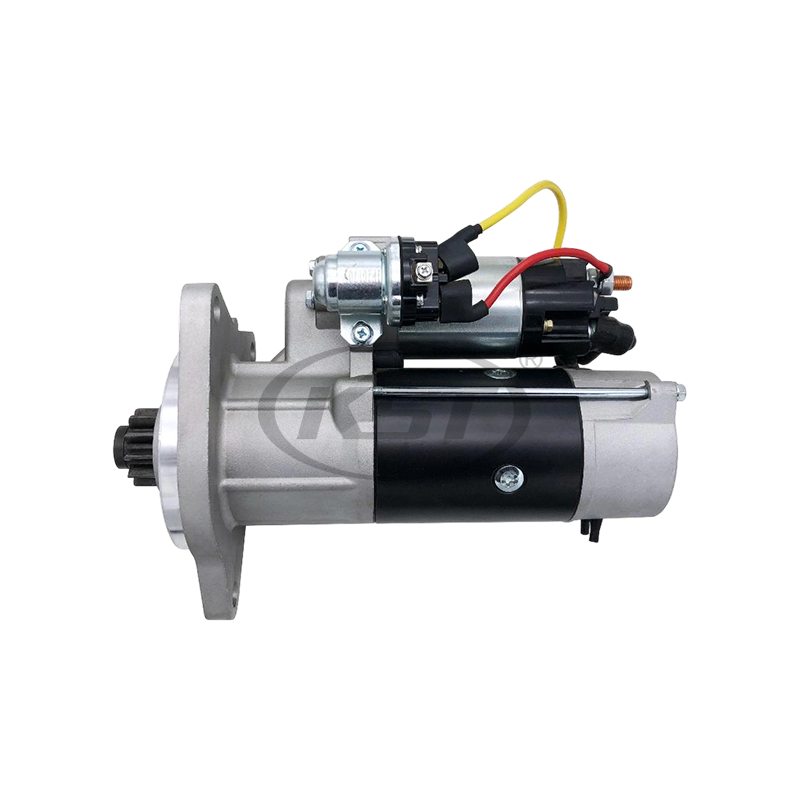
Cast iron has been used for mechanical housings because of its rigid structure and ability to tolerate mechanical stress. Its heavier nature can also affect installation and handling, making overall equipment design an important consideration.
Aluminum alloys offer a different balance. Lower weight can make installation easier, while useful heat transfer characteristics may support heat movement away from internal areas. Aluminum construction can also influence machining and casting processes used during production.
Steel provides another option where structural strength and manufacturing flexibility are needed. Depending on construction, steel housings can be shaped and processed for different mounting arrangements. Protection against corrosion needs attention, especially where moisture or other contaminants may reach exposed surfaces.
Material selection is therefore not simply a comparison between three metals. Engineers also consider how a selected material behaves after casting, machining, surface treatment, assembly, and installation.
For an Industrial Engine Starter, housing material needs to fit with internal construction as well. Mounting surfaces, bearing locations, fastener points, and surrounding components all need suitable dimensional stability.
Cast iron has a long history in mechanical equipment because it provides a rigid structure and can tolerate substantial mechanical loading. Such characteristics can be useful where a starter housing needs to remain stable around internal moving parts.
Weight is an important consideration. A cast iron housing can add considerable mass to an assembly, which may influence handling during installation or removal. For large equipment, lifting and access arrangements may therefore need to account for housing construction.
Another consideration is vibration. Engine operation produces continuous mechanical movement, and housing rigidity can help maintain structural stability. Material behavior needs to be considered together with housing geometry because shape also influences how forces move through a component.
Surface condition matters as well. Cast surfaces may require additional machining at mounting points and connection areas to achieve suitable contact. Accurate machining allows the housing to fit with neighboring components more consistently.
Cast iron may therefore appear in applications where structural rigidity is an important part of housing design, while weight and production requirements can encourage consideration of other materials.
Aluminum alloys are often considered when housing weight needs to be controlled. A lighter housing can make installation and maintenance easier, especially where technicians need to reach starter components in a restricted engine compartment.
Heat behavior is another factor. Aluminum can transfer heat differently from heavier ferrous materials, which can influence how warmth moves through a starter housing during operation.
Material selection still needs to account for environmental exposure. Contact with moisture, road contaminants, or other substances can affect metal surfaces, so suitable surface protection and production treatment may be required.
Housing design also influences how aluminum behaves in practice. Wall shape, mounting points, ribs, connection areas, and internal supports can all contribute to structural stability.
A Starter Motor Factory needs to consider such relationships during production. Casting alone does not determine final housing quality. Machining, dimensional inspection, surface treatment, and assembly all affect how a finished housing fits within a starter system.
Aluminum therefore represents a material option where weight, heat behavior, and manufacturing requirements need to be balanced with mechanical and environmental conditions.
Steel can be considered when a housing needs a combination of structural support and practical manufacturing characteristics. Compared with lighter materials, steel can add weight to an assembly, so the choice often depends on how the starter will be mounted and serviced.
A steel housing may be formed or machined according to the construction of the starter. Mounting points, connection areas, and protective sections can be designed around the internal arrangement rather than treated as separate features.
Corrosion needs attention where steel is exposed to moisture or other contaminants. Surface treatment and suitable protection can help reduce exposure-related problems during service. Production conditions also matter because poorly protected surfaces may create maintenance concerns later.
For a starter used around heavy machinery, structural requirements may influence material selection. A compact engine installation may place more emphasis on weight and available space.
Material choice should therefore follow the complete operating environment rather than one isolated characteristic.
An engine compartment can be a demanding place for mechanical and electrical components. Vibration, temperature changes, moisture, dust, oil, and contact with surrounding parts can all influence housing requirements.
Vibration is particularly relevant because a starter is connected directly to an engine structure. Repeated movement can place stress around mounting points and connection areas. Housing geometry and material need to work together so that the starter remains properly positioned.
Temperature is another consideration. A starter may experience heat generated during operation as well as heat from nearby engine components. Repeated heating and cooling can cause materials to expand and contract, making dimensional stability important.
Moisture and contaminants create additional concerns. Road water, dust, oil residue, and other substances may reach exposed housing surfaces. Different metals respond differently to such conditions, so surface protection and maintenance practices can influence material selection.
Installation space should also be considered. A housing may need to fit between other engine components, leaving limited room for removal or inspection.
For practical planning, several questions can be asked:
A material decision becomes more meaningful when answers to such questions are considered together.
Starter operation generates heat, especially during repeated starting activity. Heat needs a suitable path away from internal areas so that temperature does not build unnecessarily around sensitive components.
Housing material can influence that process because different metals transfer heat in different ways. Aluminum, for example, is commonly considered where weight and heat transfer need to be balanced. Cast iron and steel have different thermal behavior and may be selected according to the wider design.
Housing shape also plays a role. Fins, ribs, openings, wall thickness, and contact with neighboring parts can change how heat moves through an assembly.
Material should therefore not be viewed as the only factor in temperature management. A housing with suitable thermal characteristics can still require careful structural design, while a mechanically rigid housing may need other measures to manage heat.
During production, engineers may review the relationship between:
Such relationships become relevant when a starter operates in a warm engine environment or faces repeated starting demands.
A Starter Motor Factory works with more than raw material selection. Housing production normally involves forming or casting, machining, surface treatment, inspection, and final assembly, so each stage can influence the finished part.
Material consistency matters because changes in raw material can affect processing behavior. Machining conditions may also vary according to the selected metal, particularly around mounting holes, connection surfaces, and other areas that require accurate dimensions.
Inspection can focus on several areas:
Communication between design and production teams can help keep material selection connected with the actual housing structure. A material that looks suitable during design still needs to work within available manufacturing processes.
Quality checks also need to consider the complete housing rather than one isolated feature. Mounting accuracy, surface condition, and structural appearance all contribute to how the part fits into a finished starter.
Material comparison usually involves several factors at once. Weight may matter during installation, while structural behavior may receive more attention in a heavy mechanical environment. Heat transfer, corrosion protection, and production requirements can influence the decision as well.
| Consideration | Cast Iron | Aluminum Alloy | Steel |
|---|---|---|---|
| Housing Weight | Relatively heavy | Relatively light | Moderate to heavy |
| Structural Behavior | Rigid | Depends on design | Strong and adaptable |
| Heat Transfer | Moderate | Generally useful | Moderate |
| Corrosion Concern | Requires attention | Requires attention | Requires protection |
| Production Focus | Casting and machining | Casting and machining | Forming or machining |
Such a table provides a general framework rather than a fixed rule. Actual housing behavior depends on material grade, housing shape, wall structure, surface treatment, and manufacturing process.
Material selection also needs to consider the internal starter arrangement. Mounting points, shaft alignment, bearings, electrical connections, and protective sections all need to work with the housing.
Material questions can be useful when reviewing an Industrial Engine Starter, particularly when the equipment will operate in a demanding environment. Appearance alone provides little information about how a housing will behave during service.
A buyer can ask about the housing material, surface protection, mounting structure, and intended operating environment. It can also be useful to consider how easily the starter can be accessed for inspection or maintenance.
Several points deserve attention:
Weight may also influence practical installation. A heavier housing can affect handling, especially where access around the engine is limited.
Material selection should remain connected with the actual application. A housing used in a sheltered environment may face different concerns from one exposed to moisture, dust, vibration, and frequent temperature changes.
Housing material forms one part of a larger starter design. Structural requirements, heat management, environmental exposure, manufacturing methods, and installation conditions all influence how a suitable housing is developed.
Cast iron, aluminum alloys, and steel each offer different characteristics. Choosing between them involves more than comparing weight or strength because housing shape and production methods can change how a material performs in practice.
For a Starter Motor Factory, material selection also affects machining, surface treatment, inspection, and assembly. Consistent production depends on keeping those stages connected rather than treating housing material as an isolated decision.
An Industrial Engine Starter may operate in an environment where vibration, heat, moisture, and contamination occur together. Housing design therefore needs to account for the complete working condition.
Material selection is ultimately linked with the purpose of the housing: protecting internal parts, maintaining mounting stability, supporting heat management, and fitting properly within the engine assembly. Different applications can call for different material choices, with the final decision shaped by construction, operating conditions, and production requirements.
Your email address will not be published. Required field are marked*
Get in Touch
 Heavy Duty Vehicle Motor Factory


 en
en  English
 عربى
عربى فارسی
فارسی