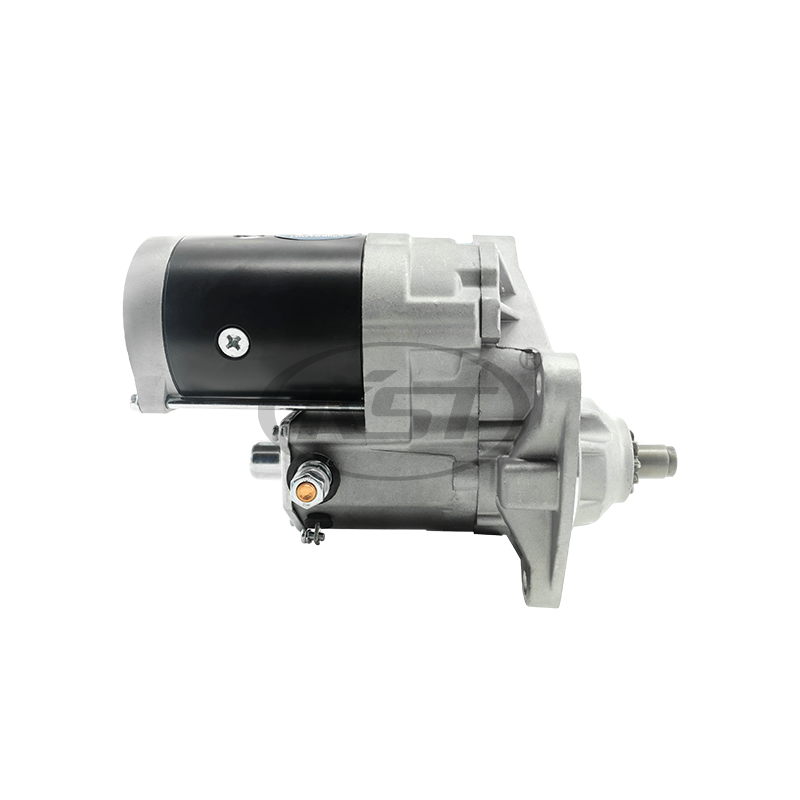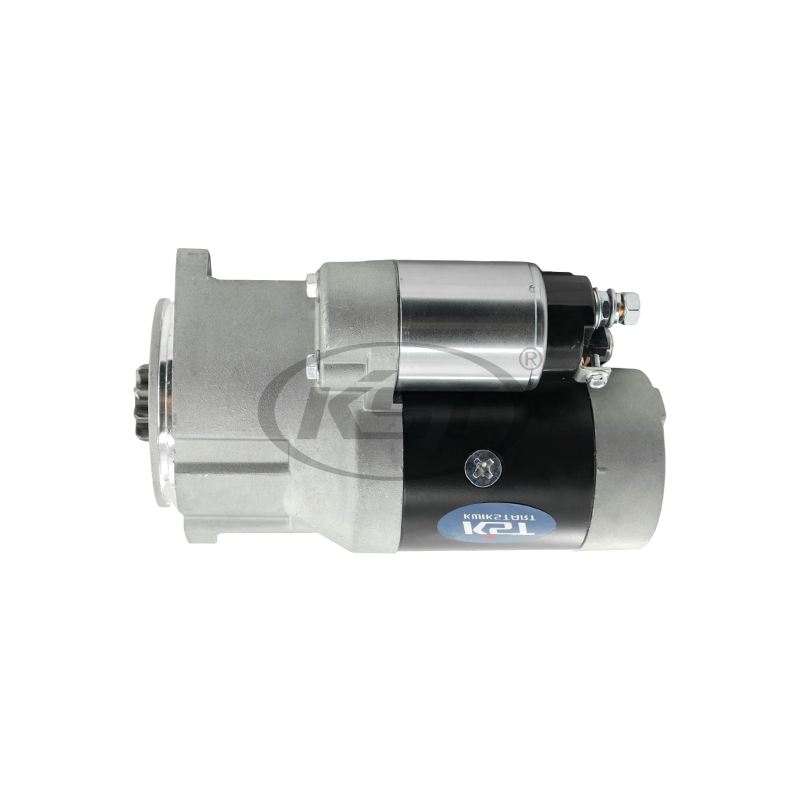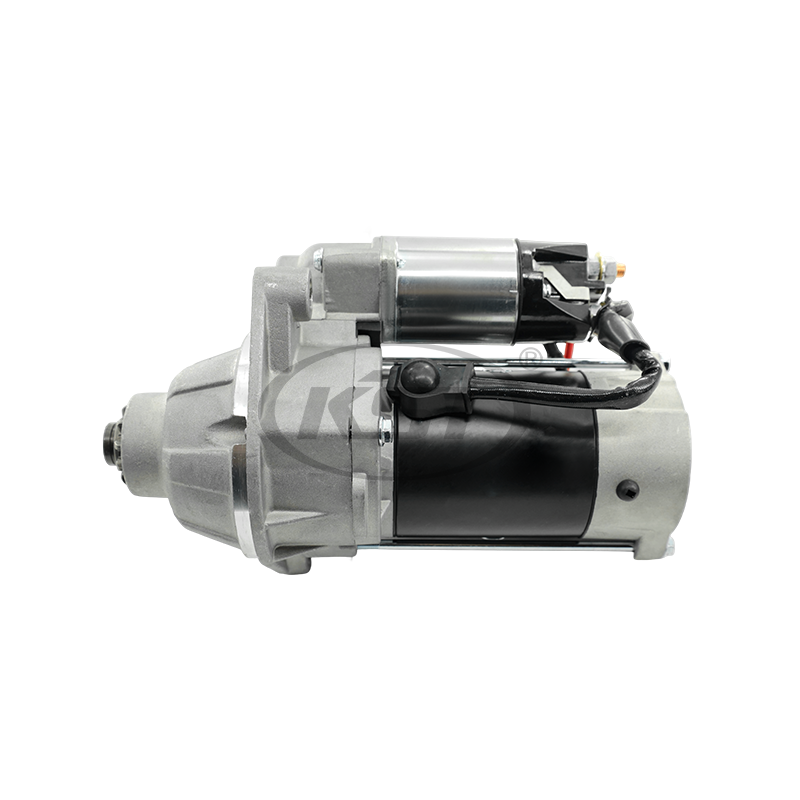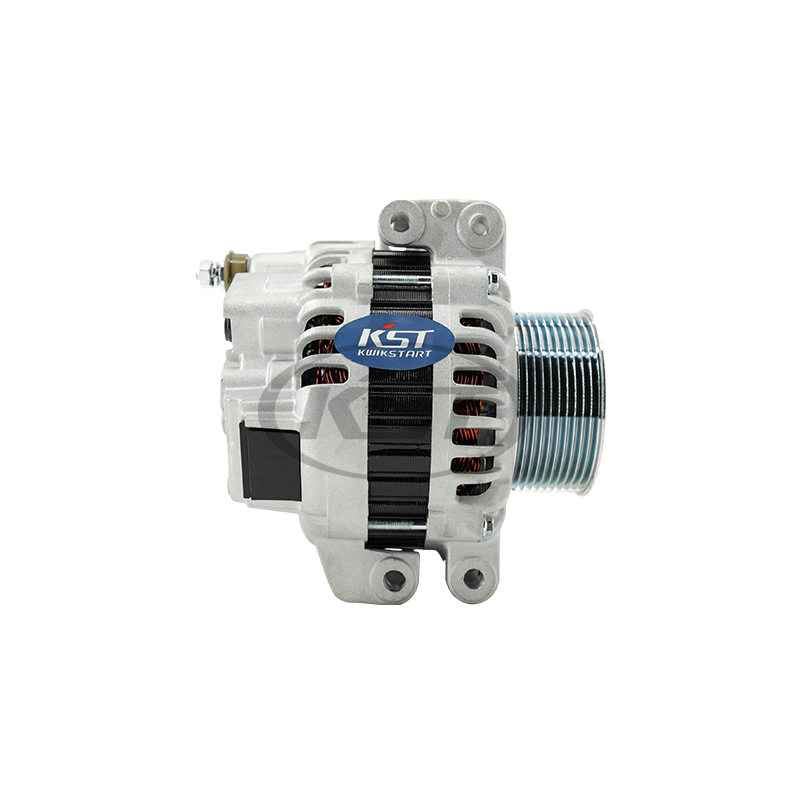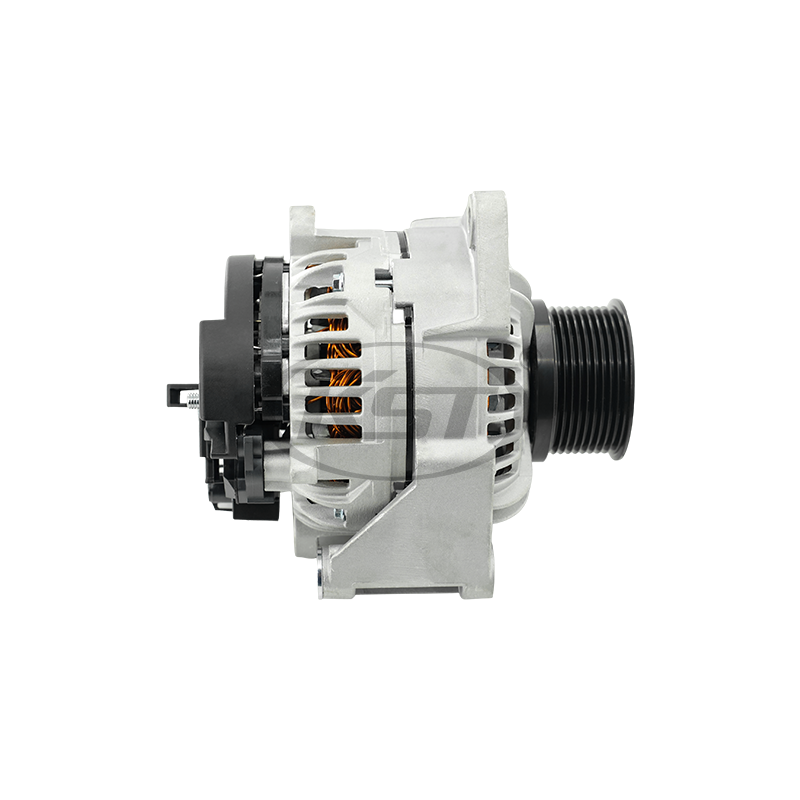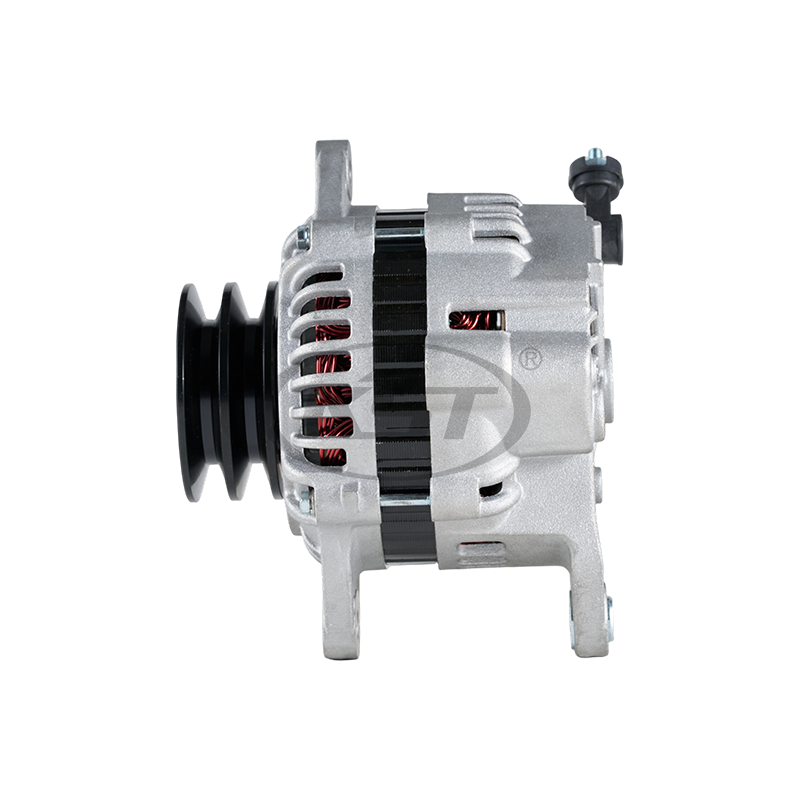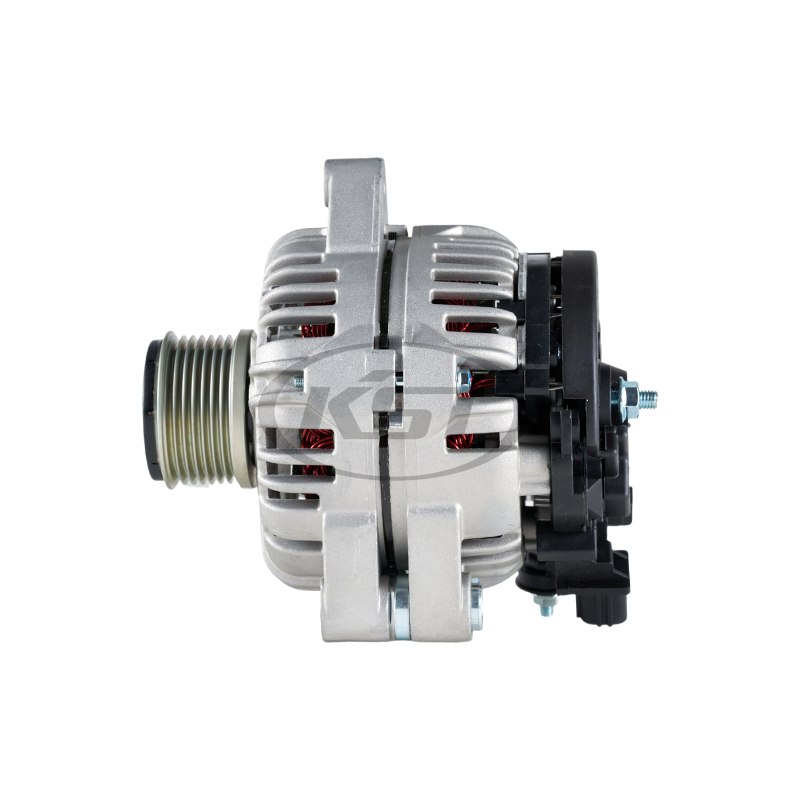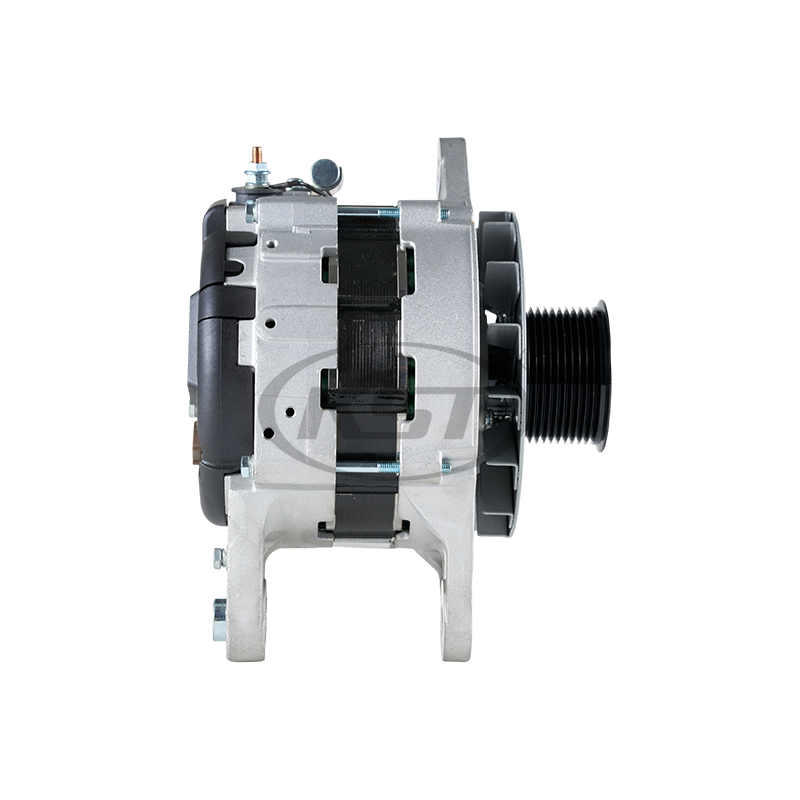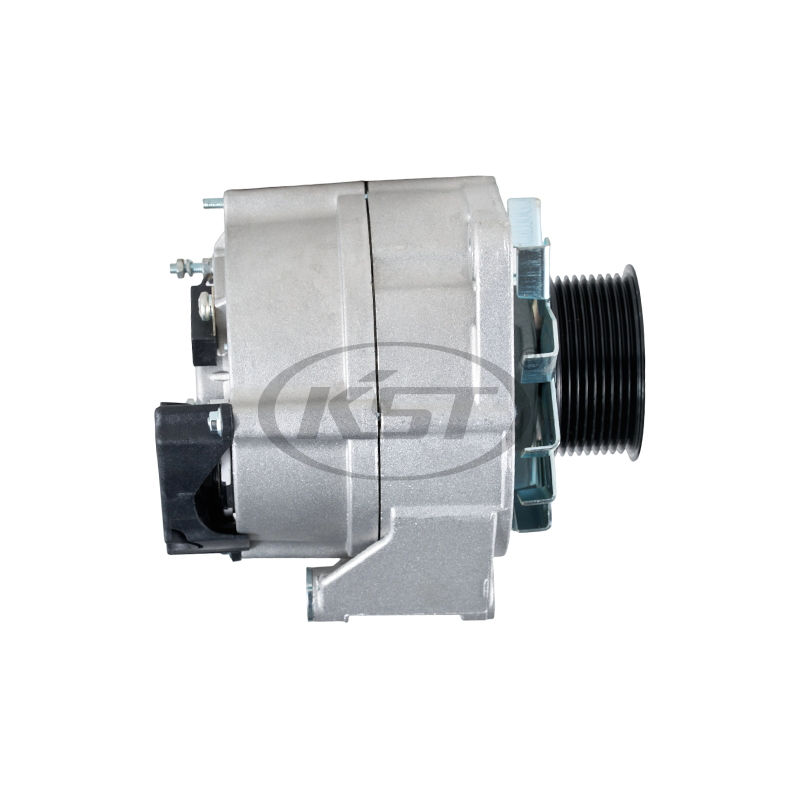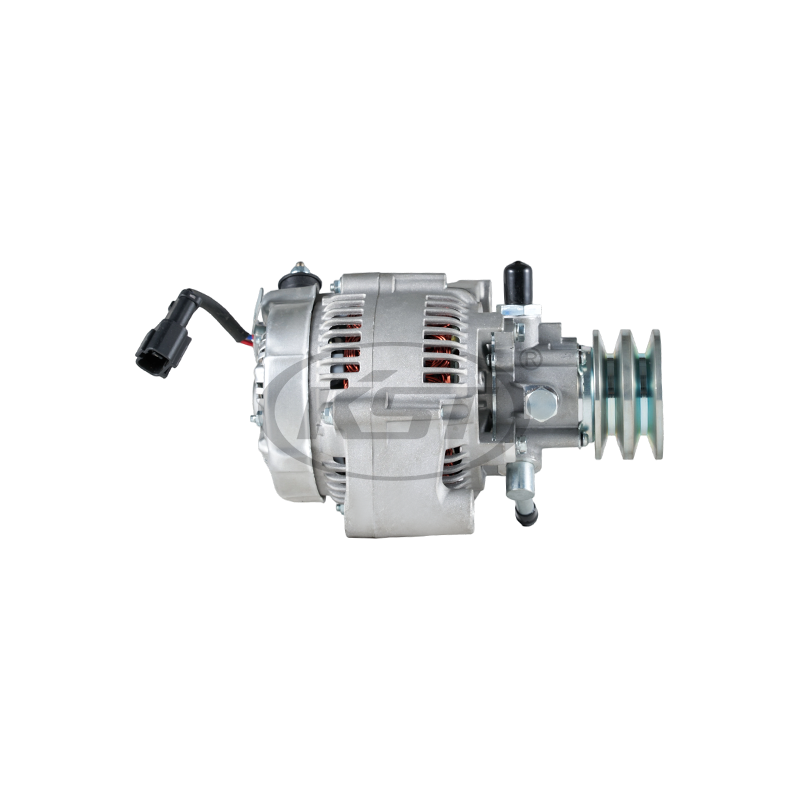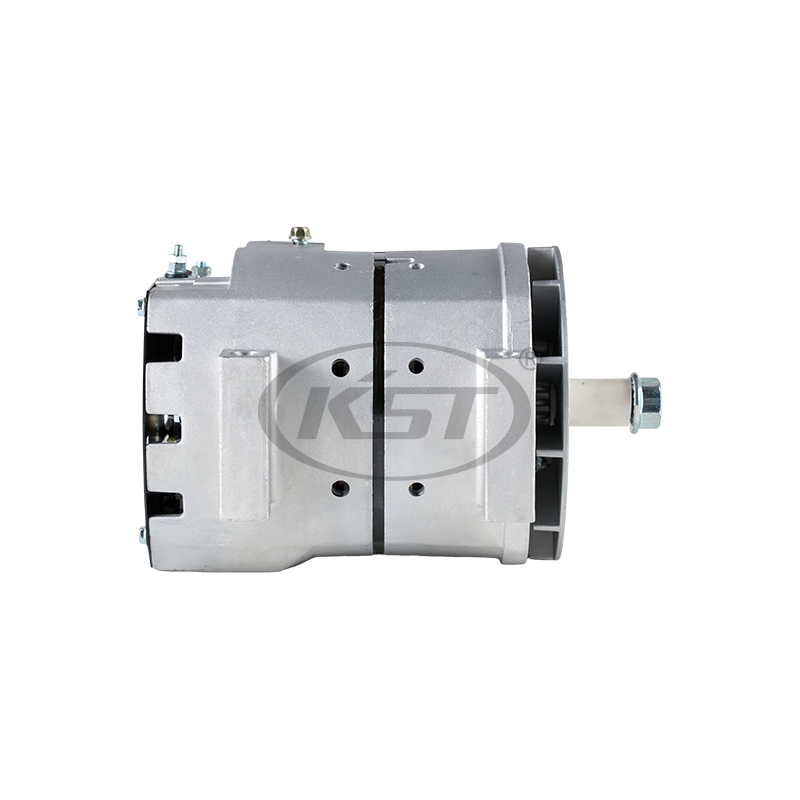
A starter motor works in a demanding environment where moisture, dust, oil, vibration, and temperature changes can appear during normal vehicle use. Internal electrical parts are not directly exposed to outside conditions during normal operation, yet moisture can still reach the housing through openings, joints, cable passages, or changes in internal temperature.
Condensation presents another concern. After operation, internal components gradually cool, and moisture in the surrounding air can settle on cooler metal surfaces. Repeated wetting and drying may gradually affect exposed metal parts and the insulation around the winding.
Corrosion does not always begin as a visible problem. A small amount of surface oxidation can develop around an electrical connection or exposed metal area before becoming noticeable during routine inspection. Contaminants can also remain on internal surfaces, creating conditions that make moisture‑related damage easier to develop.
For an OEM Starter Motor, protection therefore starts with controlling how moisture reaches the internal winding. A protective coating alone cannot compensate for an opening that allows water to enter repeatedly. Housing design, insulation, winding treatment, and assembly quality need to work together.
Copper winding wire requires an insulating layer because adjacent conductors must remain electrically separated during operation. Without suitable insulation, contact between winding sections can affect current flow and create abnormal electrical conditions.
During production, the wire is formed into the required winding arrangement and secured within the motor structure. Careful handling matters because scratches or damage to the insulating surface can expose the conductive material underneath.
Additional winding treatment can provide another layer of protection. A suitable insulating material may cover parts of the winding and fill small spaces between adjacent sections. Once properly cured, the material can help reduce direct contact between moisture and the conductor.
Protection around the winding also has a mechanical role. Starter motors experience vibration during vehicle operation, so loose winding sections can move against nearby components. Secure treatment helps keep the winding in position and reduces unnecessary movement.
Several production stages contribute to winding protection:
No single stage carries the entire responsibility. A defect introduced during winding may remain even when later coating is properly applied, which makes process control important throughout production.
Protective impregnation is commonly used to treat wound electrical components. During the process, liquid insulating material reaches spaces around the winding and later becomes a more stable protective layer after curing.
Small gaps between wires can hold moisture or contaminants. Filling part of that open space reduces the areas where moisture can remain directly against conductive surfaces. Coverage around the winding also creates a barrier between the conductor and surrounding air.
The process has a second benefit related to movement. A treated winding can remain more firmly secured, reducing movement caused by vibration. Less movement means fewer opportunities for the insulation to rub against nearby surfaces.
The effectiveness of such treatment depends on several factors rather than the coating alone. Material compatibility, application quality, curing conditions, and winding cleanliness all influence the final condition.
| Protection Area | Main Function | Why It Matters |
|---|---|---|
| Wire Insulation | Separates conductive surfaces | Helps prevent unwanted electrical contact |
| Winding Treatment | Covers gaps around the winding | Limits direct moisture contact |
| Curing | Stabilizes the applied material | Helps maintain the protective layer |
| Housing | Separates internal parts from outside conditions | Reduces moisture and contamination entry |
| Connection Protection | Shields exposed electrical areas | Limits corrosion around electrical joints |
Impregnation should therefore be viewed as one part of internal protection rather than a complete solution. Moisture that repeatedly enters through a damaged housing or connection can still create problems over time.
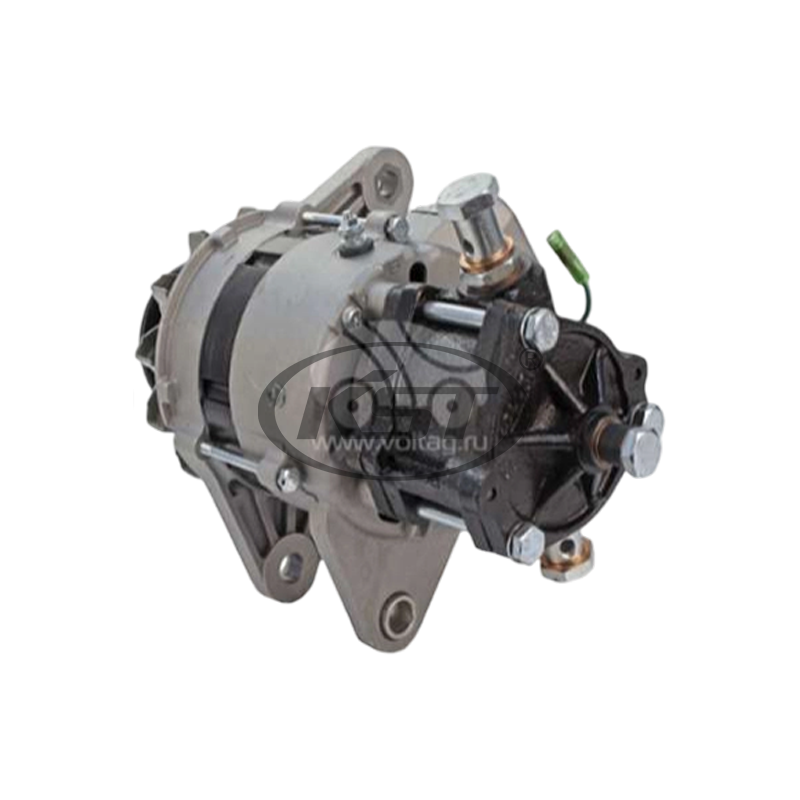
A motor housing forms the physical boundary between internal components and the outside environment. Its structure influences how moisture, dust, oil, and other contaminants can reach the winding.
Joints and openings deserve particular attention. Cable passages need enough protection to prevent unnecessary water entry, while mounting and assembly areas need to remain properly fitted. A poorly protected opening can create a direct route for moisture regardless of how carefully the winding has been treated.
Drainage can also affect internal conditions. When small amounts of moisture enter an assembly, allowing liquid to leave rather than remain trapped can reduce prolonged contact with metal surfaces. Ventilation design may also influence how pressure and internal moisture are managed during temperature changes.
Electrical connections require similar care. Exposed conductive areas can develop corrosion more readily when moisture and contaminants remain nearby. Protection around connection points therefore supports the broader corrosion‑control approach.
Housing design should not be considered separately from winding protection. A well‑treated winding still depends on a reasonably controlled internal environment.
Heat generated during motor operation raises the temperature of internal components. After the starter motor stops, cooling begins and the internal air changes with the surrounding conditions.
Repeated temperature changes can encourage condensation when moisture‑bearing air reaches cooler internal surfaces. Over time, repeated exposure may affect metal parts and electrical insulation, particularly where protective coverage is incomplete.
A useful way to view the protection system is through several connected layers:
No individual measure can address every source of moisture. Combining structural protection with winding treatment provides a more practical approach to controlling the internal environment.
For an OEM Starter Motor, such coordination is particularly relevant because the motor needs to operate within the conditions created by its intended vehicle installation. Housing position, surrounding components, exposure to road moisture, and maintenance practices can all influence the conditions around the motor.
The focus therefore shifts from treating corrosion after it develops to reducing the conditions that allow corrosion to begin.
Protection of an internal winding depends on several parts working together. A winding may have its own insulating layer, while additional treatment can cover gaps around the coils. Housing construction then provides another barrier between internal components and outside moisture.
Electrical connections need separate attention because connection points can provide a path for moisture to enter. Proper fitting around cable passages and joints helps reduce exposure, while suitable internal drainage can prevent small amounts of liquid from remaining inside.
A practical protection arrangement can be viewed in several layers:
Each layer has a different role. Removing one layer may place additional pressure on another, so corrosion control works better when protection begins during design and continues through manufacturing.
A Custom Starter Motor may be designed for an installation with different space, mounting, or environmental conditions. Such changes can affect how internal moisture protection needs to be arranged.
For example, a motor installed in an area with greater exposure to road spray may require closer attention to housing openings and cable connections. A different mounting position can also change where water or oil is likely to collect around the housing.
Winding treatment may need to correspond with the intended operating environment as well. A design that changes the housing shape or internal arrangement can alter how protective material reaches the winding during production.
Several design points can be considered together:
Custom design does not simply mean changing the outside shape. Changes to one part of the motor can affect internal protection, assembly, heat movement, and connection placement.
A Starter Motor Factory needs to control winding protection through several production stages rather than relying on a final visual inspection.
Wire insulation should be checked before winding begins. During winding, handling needs to avoid unnecessary damage to the insulating surface. Once the winding has been positioned, protective material can be applied according to the intended construction.
Curing also requires attention. Inadequate curing may leave the protective material in an unsuitable condition, while excessive treatment can affect assembly around the winding. Consistent production conditions help keep the finished winding within the intended design.
Housing assembly forms another important stage. Even a properly treated winding can face moisture exposure when seals, covers, cable passages, or joints are not assembled correctly.
A practical production sequence can include:
Manufacturing control therefore connects material protection with assembly quality. Corrosion resistance is not created at one particular workstation; it develops through a series of controlled steps.
Moisture‑related problems can appear in different ways, and visible corrosion is only one possible sign. Discoloration around electrical connections may indicate exposure to moisture or contaminants. Damaged insulation can also provide a path for electrical problems to develop.
Irregular starting behavior may have several causes, so it should not automatically be attributed to winding corrosion. Mechanical wear, connection problems, contamination, or other electrical issues can produce similar symptoms.
During inspection, attention can be given to:
Internal inspection should be carried out carefully because unnecessary opening or handling can introduce additional contamination. A visible problem around one connection does not necessarily mean the winding itself has been affected.
Manufacturing provides the initial protection, while maintenance helps preserve the condition of the housing and connections. Damage to a cover, seal, or cable protection can create a new path for moisture even when the internal winding remains properly treated.
During routine service, external areas around electrical connections can be kept clean and free from accumulated contaminants. Damaged protective components should receive attention rather than being left exposed.
Water should also be prevented from entering through openings during cleaning or maintenance. Direct exposure to strong water flow can create conditions that were not present during normal operation.
For an OEM Starter Motor, maintaining the external protective structure helps preserve the internal environment intended during production. A Custom Starter Motor may have different housing arrangements, so maintenance requirements can vary according to its installation.
A Starter Motor Factory also needs to consider service conditions when developing the original protection approach. Design, manufacturing, installation, and maintenance are connected rather than separate stages.
Internal winding corrosion is therefore controlled through a combination of insulation, winding treatment, housing protection, connection design, assembly quality, and appropriate service care. Each measure addresses a different route through which moisture or contaminants could reach sensitive electrical parts.
Your email address will not be published. Required field are marked*
Get in Touch
 Heavy Duty Vehicle Motor Factory


 en
en  English
 عربى
عربى فارسی
فارسی