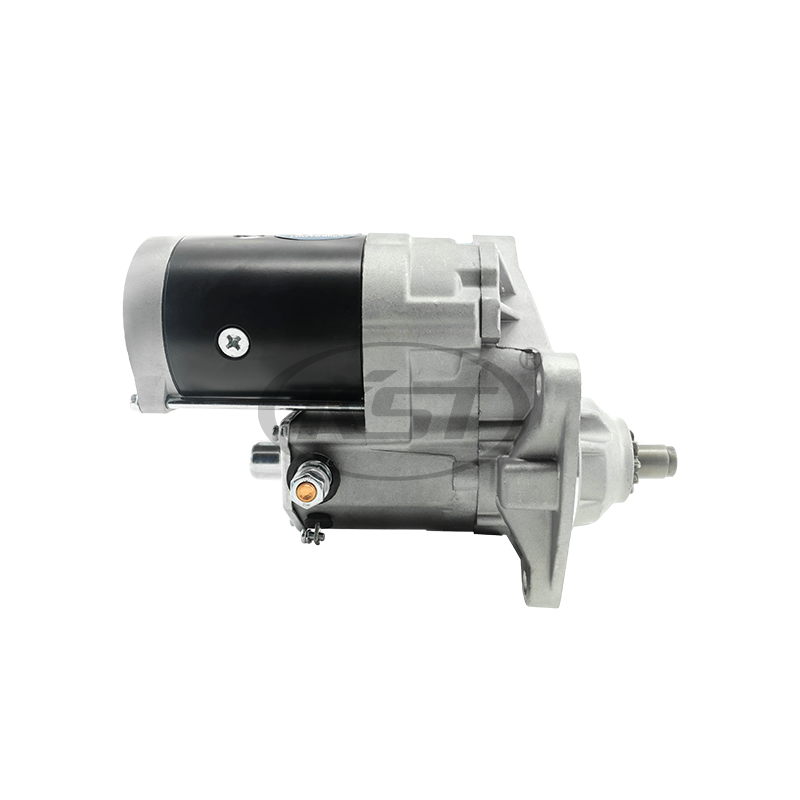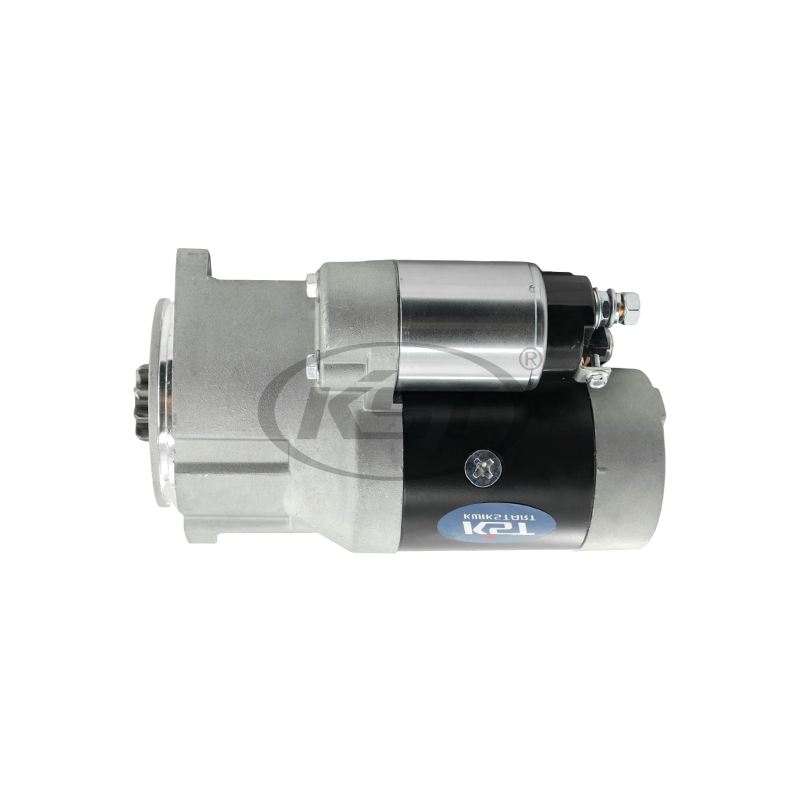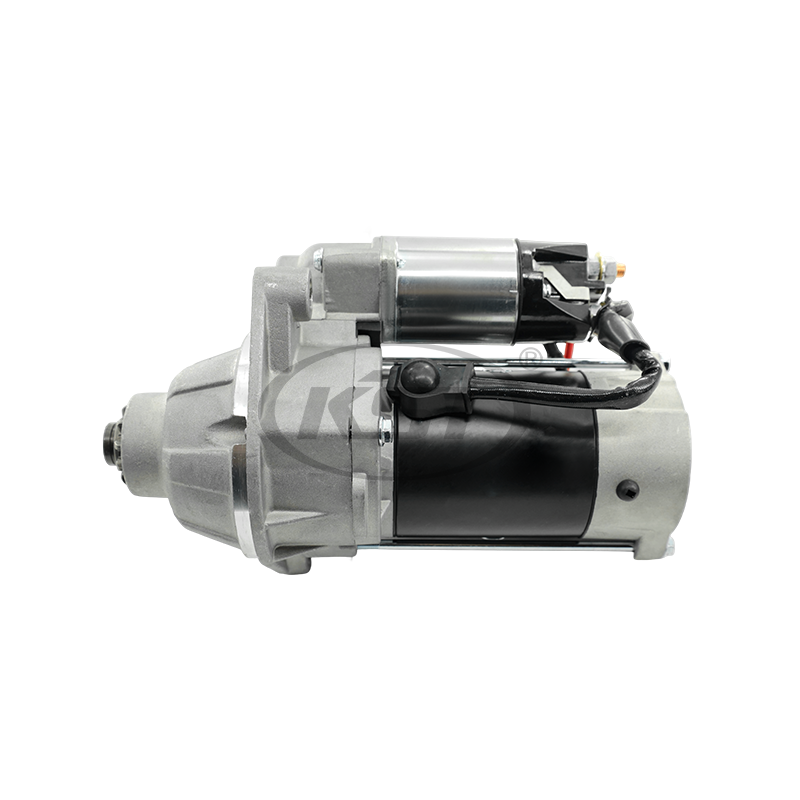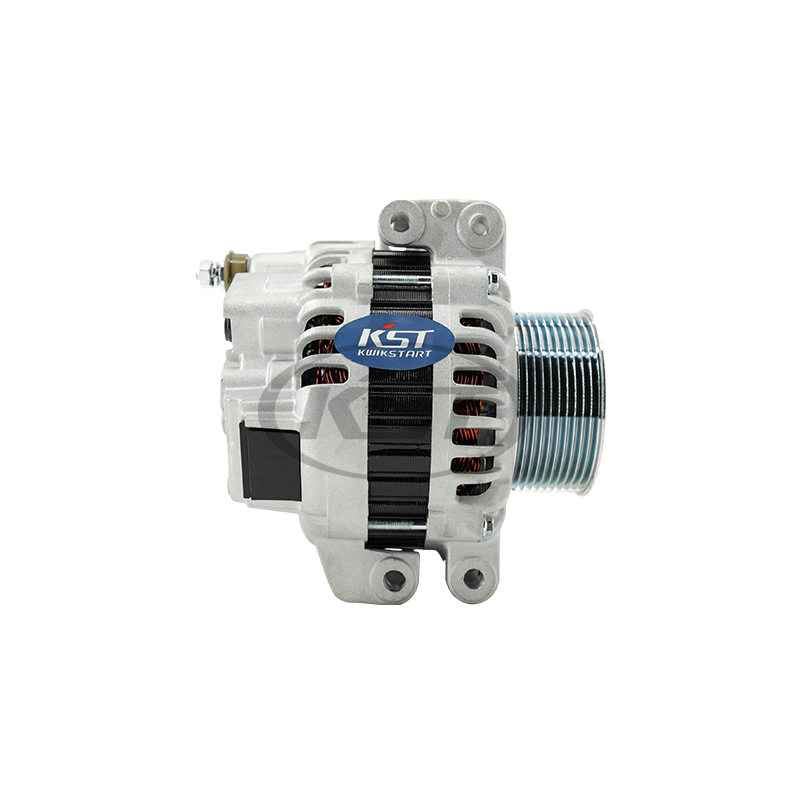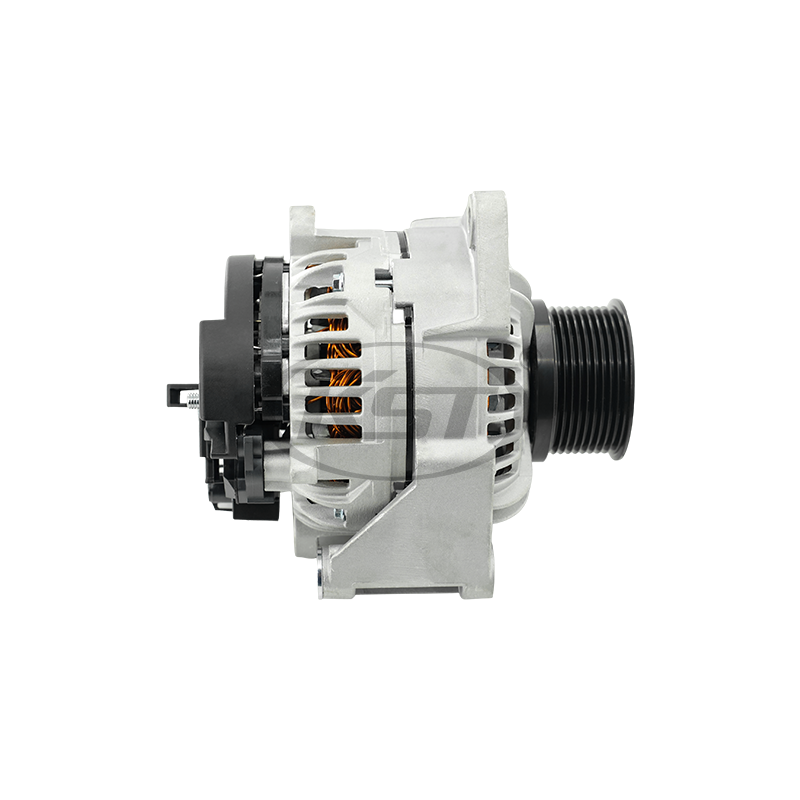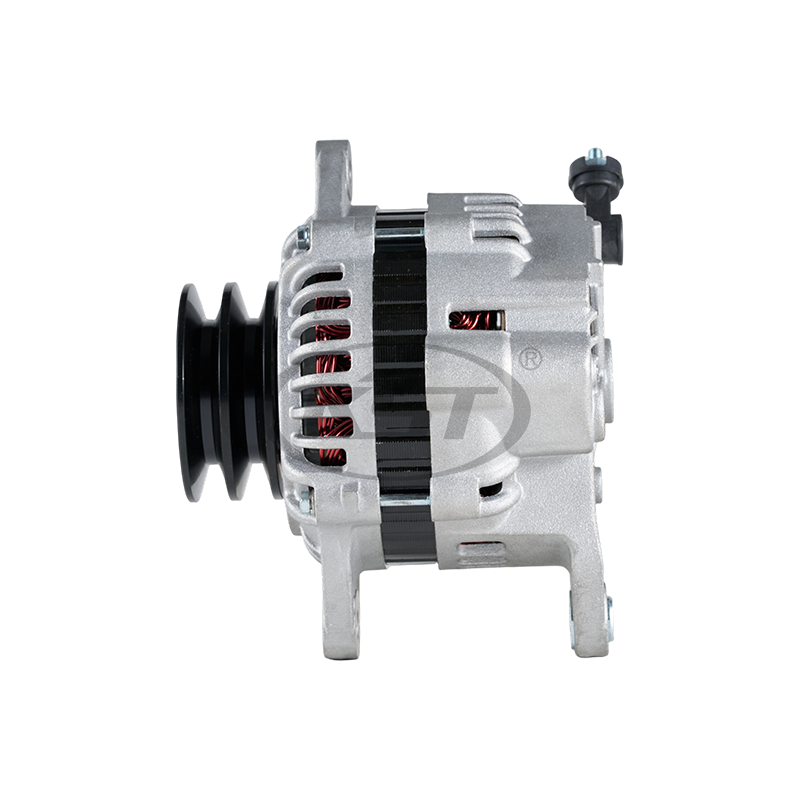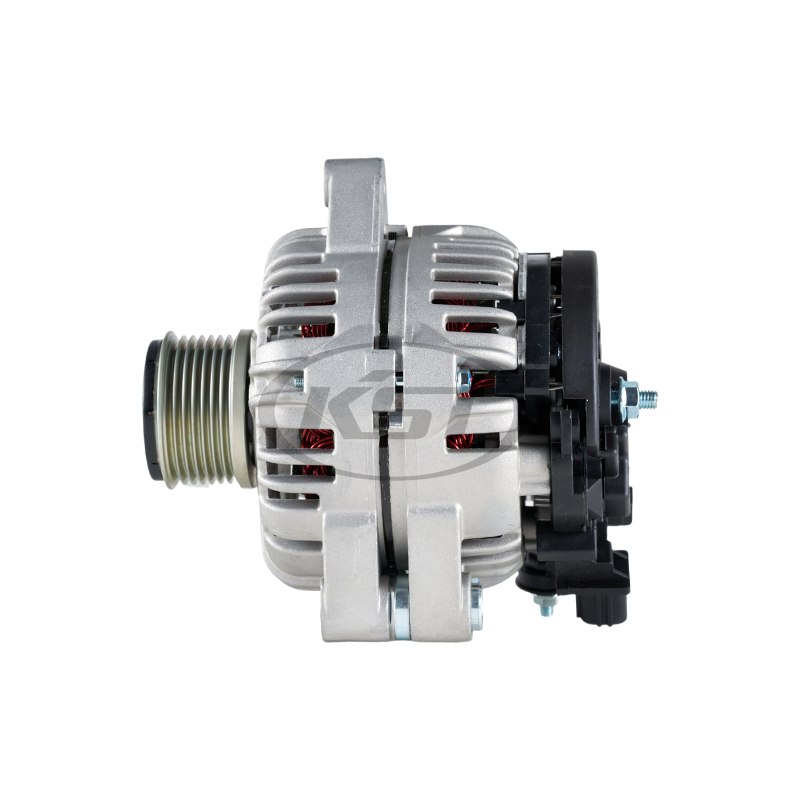
Starting an engine kicks off a genuinely precise mechanical sequence. The starter motor gets electrical power and starts spinning up. A small gear called the pinion pushes forward along the starter shaft, and its teeth slide into mesh with the flywheel ring gear's teeth.
That connection between pinion and ring gear happens through direct physical contact — pinion teeth sliding right in between the ring gear's teeth. The mesh really has to be complete and secure for anything to work properly. Incomplete mesh just leads to trouble down the line.
Tooth contact is what actually carries rotational force from starter to engine. The starter spins the pinion, the pinion turns the ring gear, the ring gear turns the crankshaft — and all of that force travels straight through the tooth contact surfaces. How good that contact is really determines how well the engine actually turns over.
This whole engagement process needs to be reliable and repeatable, every single time. Every start runs through the same sequence, and any variation in tooth contact shows up directly in starting performance. The starter simply has to engage correctly on every attempt.
Tooth count is really what determines how the pinion fits against the ring gear. Each tooth sits in a specific position on the gear, and the spacing between them dictates exactly how they mesh together.
Tooth spacing shapes that fit between pinion and ring gear pretty directly. Get the spacing right, and teeth slide in and out of mesh smoothly. Get it wrong, and you end up with interference or gaps that throw the whole engagement off.
Mismatched tooth counts carry real consequences too. A pinion with the wrong tooth count simply won't mesh correctly — teeth end up clashing instead of engaging cleanly, and the starter might just spin freely without ever turning the engine over.
Tooth count really has to be correct for proper function here. Pinion and ring gear come designed as a matched pair, so changing the tooth count on one side means the other side needs to change too. Starter and flywheel have to match, full stop.
Incorrect tooth counts tend to produce symptoms that are hard to miss. A grinding noise during engagement. An engine that won't turn over at all. Intermittent starting that works sometimes and not others. All of these point straight back to a tooth count problem.
How that mismatch actually hurts starting performance is pretty clear‑cut. The starter simply can't transfer force effectively to the engine anymore — teeth slip or skip past each other, and the engine cranks slowly or just doesn't crank at all.
The mechanical damage that follows poor engagement can get serious. Teeth take damage from improper contact repeatedly. The starter itself can suffer damage. The ring gear might need outright replacement. None of that comes cheap to fix.
Some problems don't announce themselves right away, either. Early starts might seem perfectly fine. Then, over time, teeth wear unevenly, engagement quality slips bit by bit, and the problem grows more obvious the longer it goes unaddressed.
Flywheel ring gear designs really do vary across different engines, and that variation reflects genuine differences in engine characteristics and design philosophy. Not every ring gear runs the same tooth count.
Engine size and type feed into tooth count requirements in a very practical way. Larger engines often call for different tooth geometry than smaller ones, since tooth count really tracks the power and speed demands of whatever engine it's paired with.
Tooth count connects directly to gear ratio too. It shapes the mechanical advantage between starter and engine, and changing that tooth count changes the ratio right along with it. That ratio has to suit the engine's particular starting requirements, or the whole system falls out of sync.
There's really no universal tooth count standard here, precisely because engines themselves vary so much. Ring gear tooth count is baked into the engine's overall design, and the starter pinion has to match that design point for point. No single tooth count works across every engine out there.
| Tooth Count Factor | Effect on Starter Performance |
|---|---|
| Too few teeth | May not mesh correctly with ring gear |
| Too many teeth | May interfere with ring gear teeth |
| Incorrect pitch | Causes improper tooth engagement |
| Wrong pressure angle | Affects force transfer efficiency |
| Misaligned teeth | Leads to uneven wear and potential failure |
Tooth count shapes how the starter wears over its working life. Teeth that engage cleanly wear evenly across their surface. Teeth that engage poorly wear unevenly instead, and that difference compounds over time.
Engagement quality really does affect starter lifespan in a direct way. A starter that engages smoothly simply outlasts one that struggles through every start. Smooth engagement takes stress off the teeth and the starter mechanism as a whole, while poor engagement piles that stress right back on.
Every single start puts the teeth through the full engagement cycle, and across hundreds or thousands of starts, that wear really adds up.
Durability at the end of the day comes down to correct tooth geometry, and tooth count is a core piece of that geometry. Get it right, and load distributes evenly across the teeth. Even load distribution supports a genuinely longer service life — which is really why getting tooth count correct isn't optional if durability actually matters.
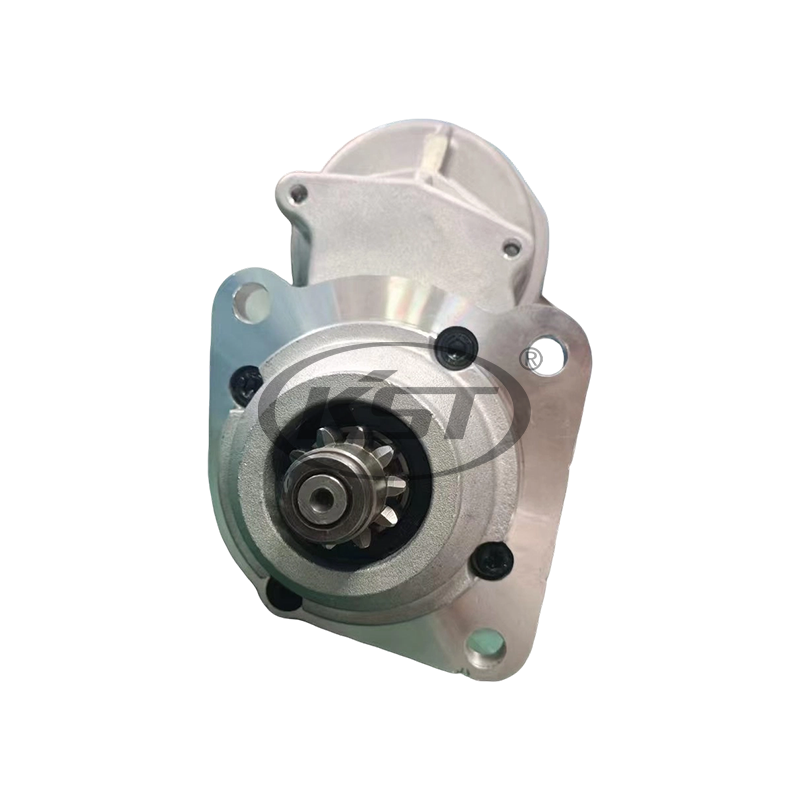
Gear ratio really describes the relationship between how fast the starter pinion spins versus how fast the engine flywheel turns in response. Tooth count on both the pinion and the ring gear is what sets that ratio, and the ratio in turn shapes how much force the starter actually delivers to the engine.
Tooth count and mechanical advantage tie together pretty directly here. A starter pinion carrying more teeth relative to the ring gear produces a noticeably different ratio, and that ratio determines exactly how much cranking torque makes it through to the engine. Push the ratio higher, and you get more force but slower engine rotation.
How gear ratio feeds into cranking torque is really a practical concern more than a theoretical one. An engine demanding high starting torque often needs a specific gear ratio dialed in to match. Tooth count selection ends up shaping just how much torque is actually available, and the starter needs enough force behind it to push past engine compression.
The trade‑offs across different ratio choices are pretty straightforward:
Getting the ratio to match engine requirements really matters here. A Custom Starter Motor built for a particular engine comes with the tooth count that application actually calls for. Ratio is baked into the starter's specification from the start, and it's worth double‑checking during selection rather than assuming it lines up.
Nailing down the right tooth count really starts with understanding the engine's ring gear inside and out. That usually means measuring the existing ring gear directly or pulling numbers straight from engine specifications.
Engine specifications carry a lot of weight in tooth count selection. Manufacturer documentation for the engine spells out the ring gear tooth count, and that number is what determines the required starter pinion tooth count in turn. The starter simply has to match what the engine spec calls for.
The ring gear's role here is genuinely foundational. Starter pinion has to mesh with it, full stop, and the ring gear's tooth count and geometry are really what set the requirements the pinion needs to be designed around.
A few key steps really guide that process:
Verification before installation is genuinely essential — not optional. A Custom Starter Motor that supposedly fits the spec should still get checked against the actual engine. Confirming tooth count before installation heads off problems that would otherwise mean pulling everything back apart for replacement.
Producing starter pinions with genuinely accurate tooth counts takes precise manufacturing from start to finish. Tooth cutting needs to be controlled to fine tolerances, since manufacturing variables really do shape the final dimensions of every tooth.
The precision demanded in tooth cutting is pretty specific. Each tooth needs to come out the right size and shape, spacing between teeth has to stay consistent, and any deviation in manufacturing shows up directly in how well the teeth end up meshing.
Manufacturing tolerances play out in practical terms too. A pinion sitting within tolerance works the way it should. One that's out of tolerance may not mesh properly at all. Manufacturing quality really does translate straight into starter performance.
A handful of manufacturing factors really drive tooth accuracy:
Manufacturing quality and performance connect pretty clearly in the end. A Starter Motor Factory that keeps tolerances tight turns out consistent results, run after run. One that lets quality control slip produces results that vary unpredictably. The manufacturing process really does shape how that starter performs once it's out in service.
Wear builds up in the engagement components as time goes on. Teeth on both pinion and ring gear take contact stress with every single start, and that stress gradually reshapes the tooth surfaces bit by bit.
The wear patterns that show up over time actually tell a story. Even wear points to proper engagement happening consistently. Uneven wear signals a problem — alignment issues or tooth mismatch, usually. Reading that wear pattern gives real insight into the condition of the whole engagement system.
Tooth condition really shapes engagement quality across the equipment's working life. Worn teeth stop meshing correctly, start skipping or slipping, and engagement quality just degrades further the longer that wear goes unaddressed.
A few signs tend to flag tooth problems developing:
Regular inspection really pays off here, catching problems well before they turn into outright failures.
Specifying a starter for a particular engine takes attention across several fronts at once. Tooth count sits among the more critical factors, though mounting configuration, electrical characteristics, and drive type all carry real weight too.
The factors feeding into starter specification span engine type, flywheel configuration, and electrical system requirements. Each one shapes the final selection in its own way. Tooth count specifically gets determined by the flywheel ring gear, and a Custom Starter Motor has to be matched precisely to that ring gear to function correctly at all.
Tooth count sits at the core of the broader specification process. Other specs can flex based on what the application actually needs, but tooth count stays fixed — it has to match the engine, and there's no adjusting it without changing the ring gear itself.
A handful of essential factors deserve attention during specification:
Matching the starter to the application really is what keeps operation reliable long‑term. A correctly specified starter engages properly, cranks the engine effectively, and holds up for its expected service life. Get the specifications right, and reliable starting performance tends to follow naturally.
Choosing a Custom Starter Motor really works well as a collaborative process with a Starter Motor Factory. The factory brings real guidance on tooth count and the rest of the specification, and that expertise goes a long way toward making sure the starter actually suits the engine it's headed for. Proper specification upfront cuts down considerably on the risk of problems cropping up during installation or later operation.
Your email address will not be published. Required field are marked*
Get in Touch
 Heavy Duty Vehicle Motor Factory


 en
en  English
 عربى
عربى فارسی
فارسی