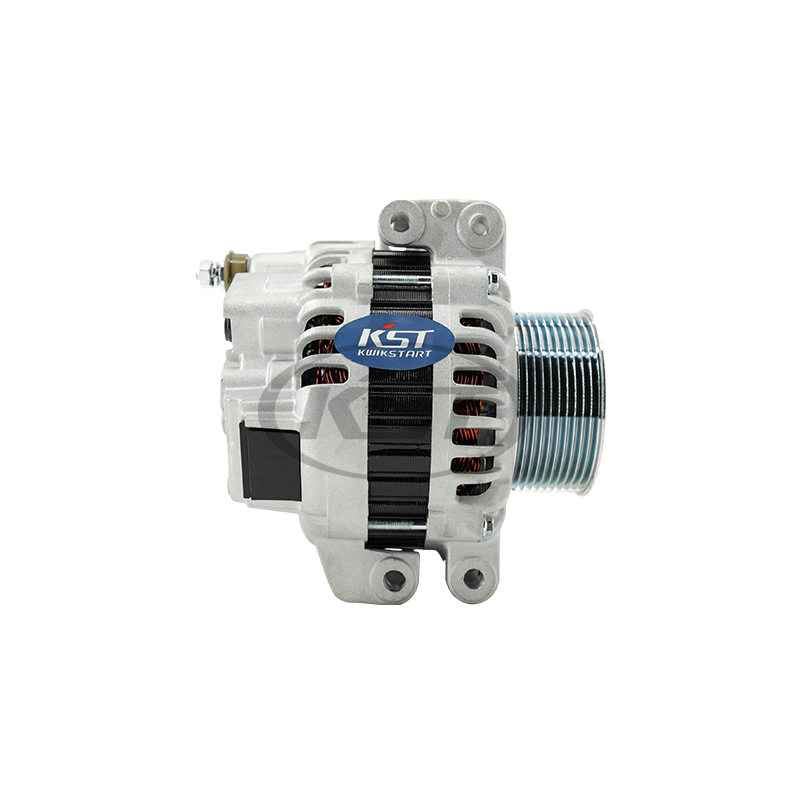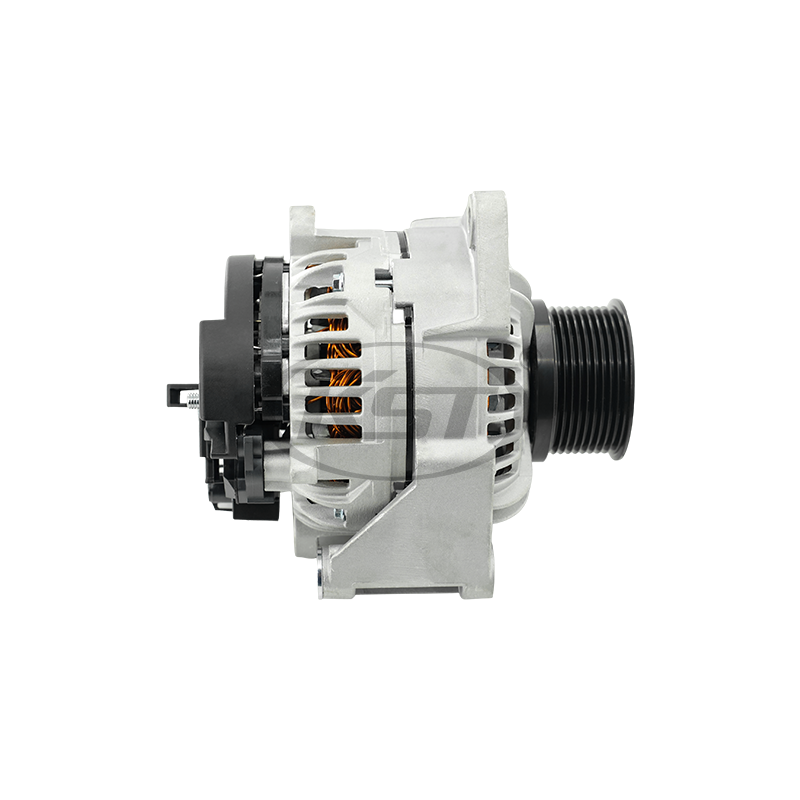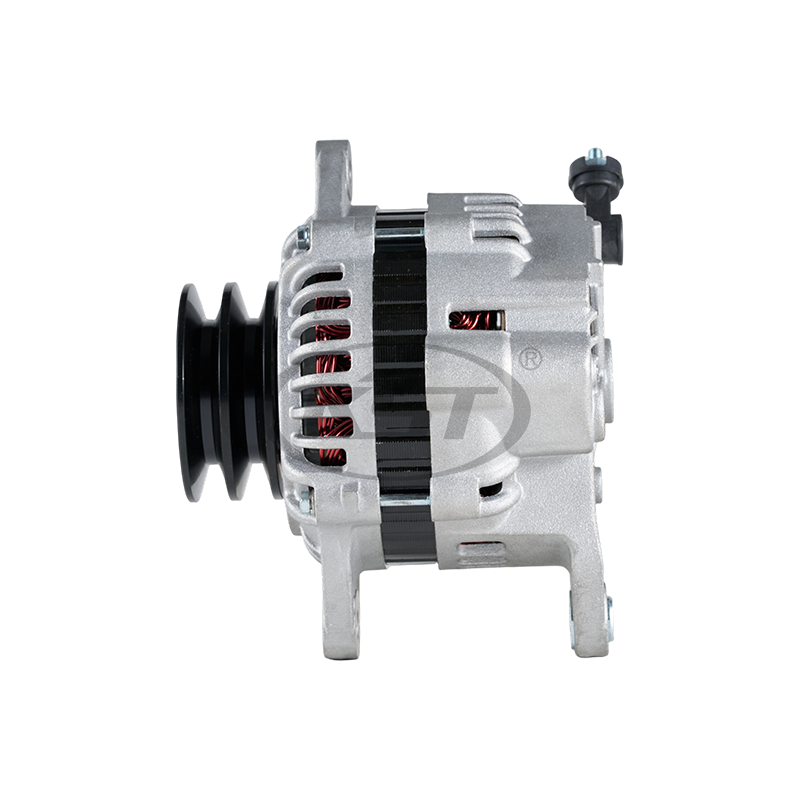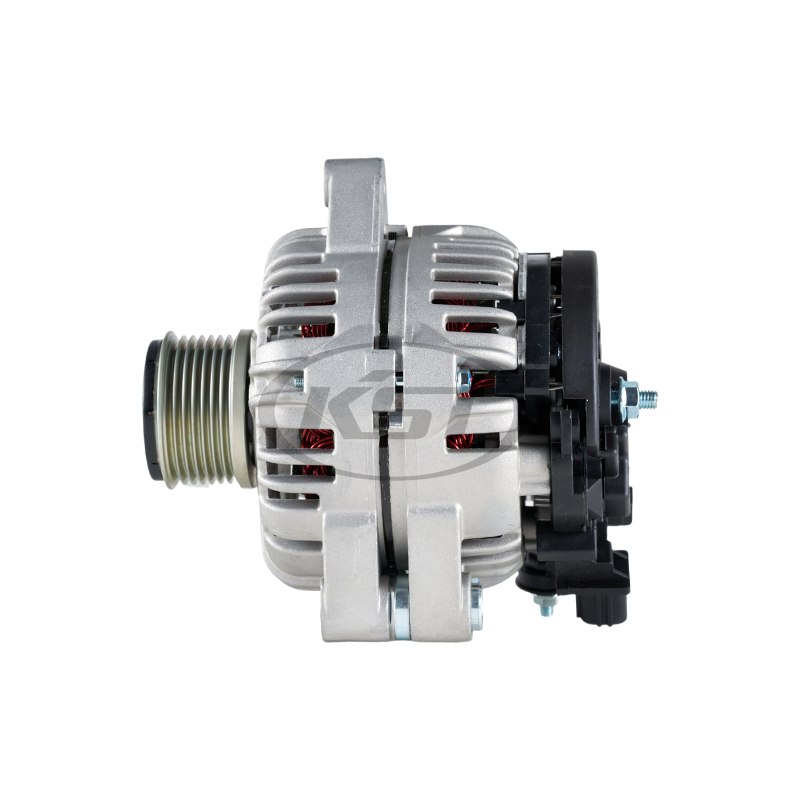
Modern industrial equipment depends on electrical systems far more than many people realize. Power is needed not only for starting engines, but also for lighting, control panels, monitoring units, warning systems, and communication devices that remain active during operation.
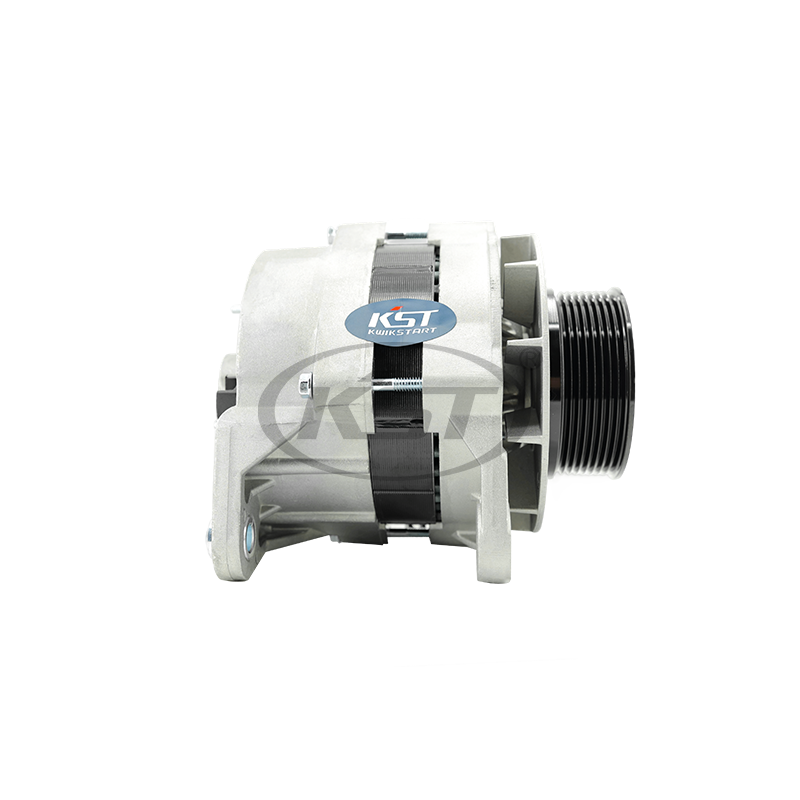
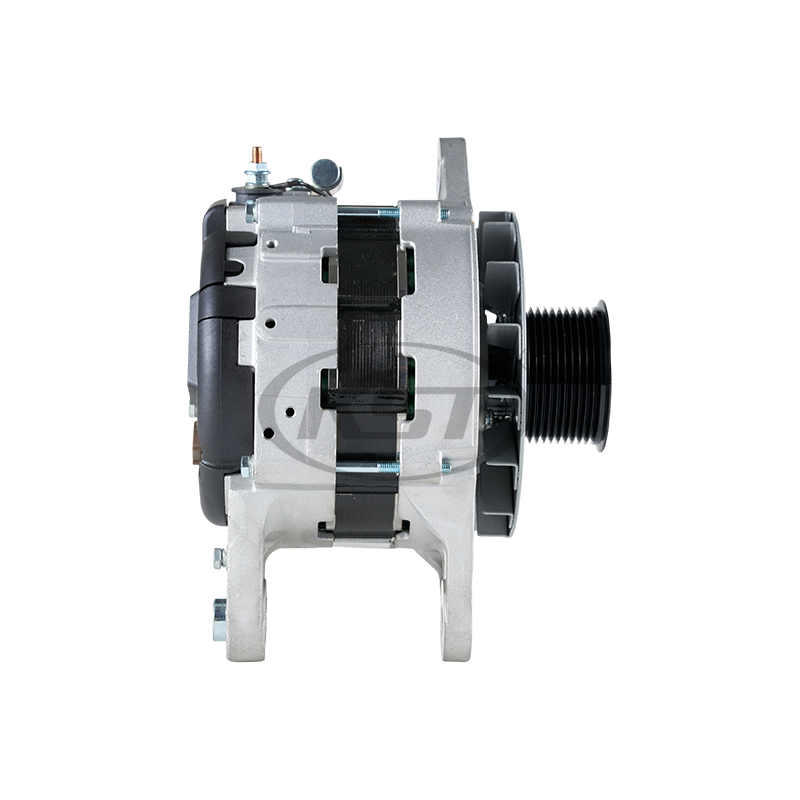
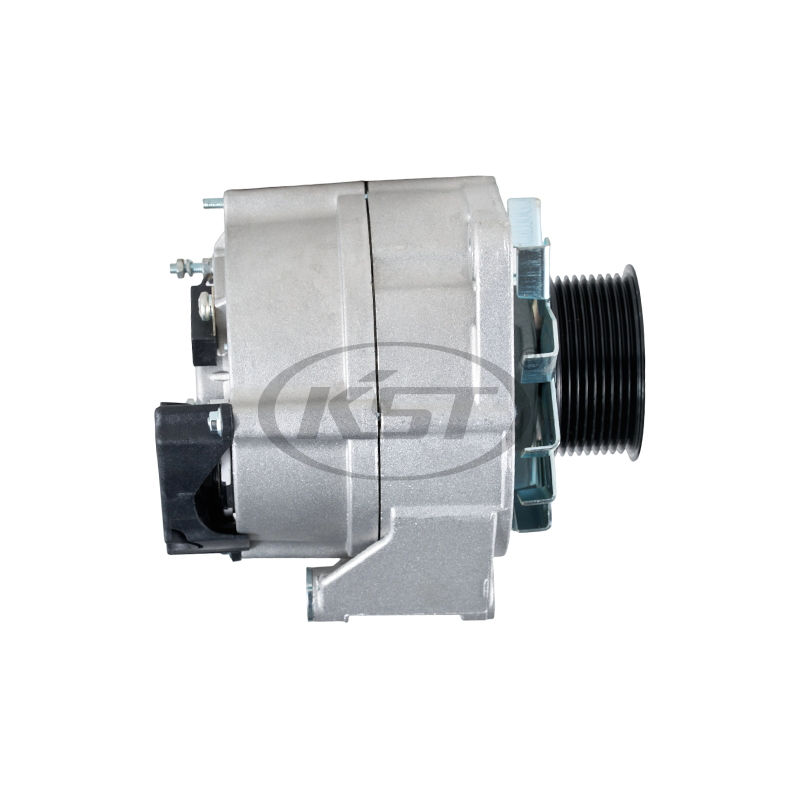
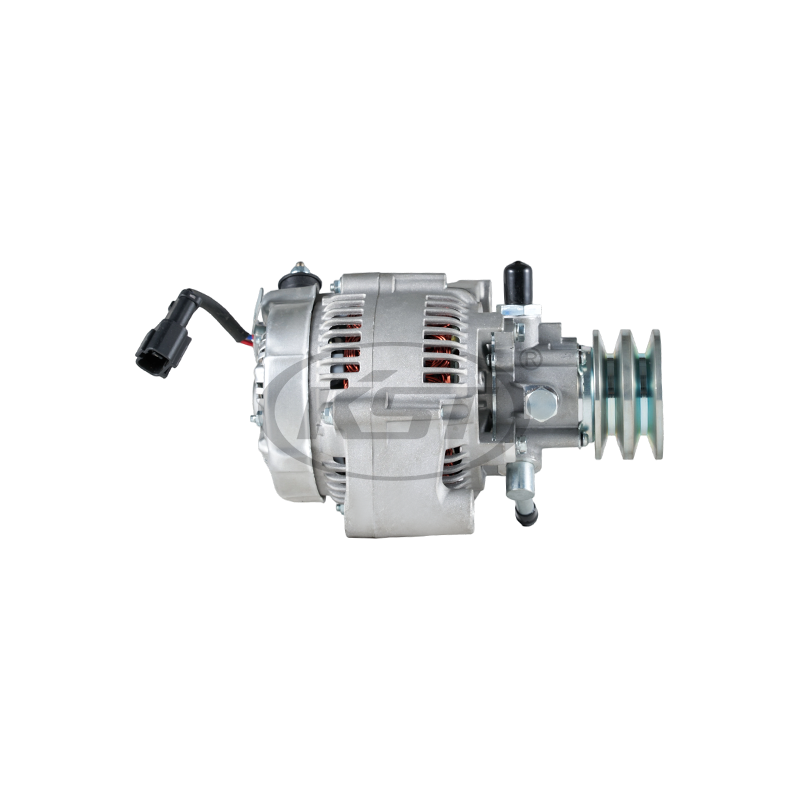
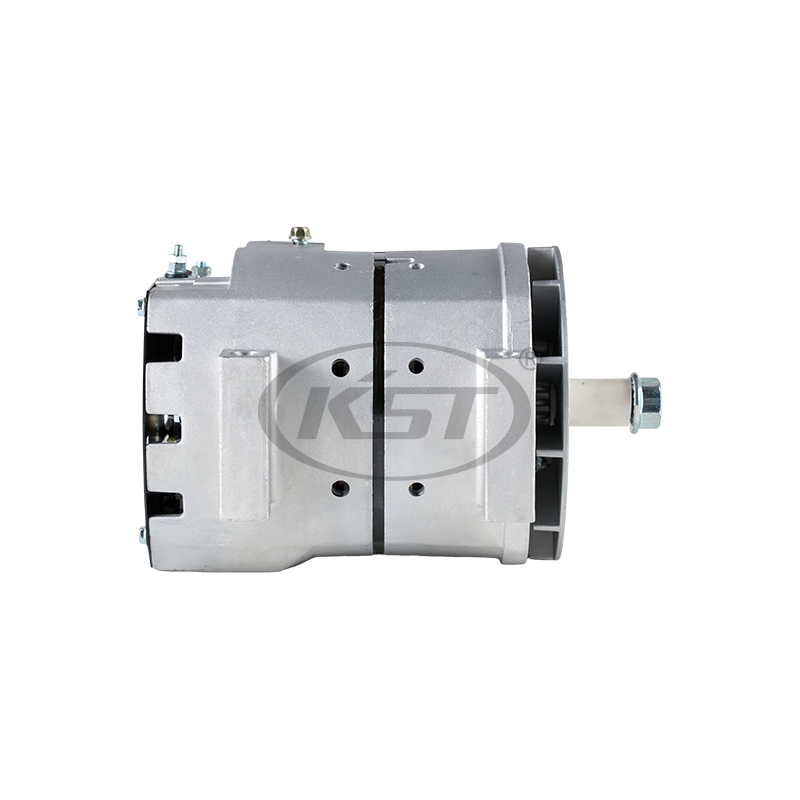
In many machines, the 24 volt 60 amp alternator works quietly in the background while the equipment runs. Once the engine starts moving, the alternator begins supplying electrical current to connected systems and also helps keep the battery charged during long working periods.
Different industries place different pressure on electrical systems. Construction equipment works in dusty outdoor areas. Agricultural machinery faces mud, moisture, and changing weather. Warehouse vehicles move through repeated work cycles inside enclosed spaces. In all of these situations, stable charging affects how smoothly equipment performs during daily use.
A 24 volt 60 amp alternator changes engine movement into electrical energy. While the engine runs, rotational force drives the internal parts of the alternator. Electrical current is then produced and sent to the systems connected to the machine.
Part of the current supports equipment that is already operating. Another part helps maintain battery charge so the system does not rely only on stored battery power during long operation.
Industrial machinery often uses several electrical functions at the same time. Lighting may stay active for hours. Monitoring panels continue running during operation. Communication systems and warning signals also require stable power while equipment moves or works under load.
The process inside the alternator follows a simple flow:
The alternator continues working as long as the engine remains active. Because of that, it becomes part of the machine’s normal operating structure instead of a separate accessory.
Industrial machinery often works for long periods without complete shutdown. During continuous operation, batteries alone cannot support all electrical demand for extended time. A charging system is needed to keep electrical supply stable while the machine continues working.
The 24 volt 60 amp alternator is widely used because its output fits many medium-duty industrial systems without making the electrical structure overly complicated.
In practical use, electrical demand may come from several areas at once:
Many industrial systems are already built around similar voltage structures, which also makes installation and replacement easier in different types of machinery.
A simple comparison of operating environments:
| Equipment Environment | Electrical Demand | Alternator Function |
|---|---|---|
| Construction machinery | Long work cycles | Continuous charging support |
| Agricultural equipment | Outdoor operation | Stable electrical balance |
| Warehouse vehicles | Repeated movement | Battery charging during operation |
| Service machinery | Multiple electrical accessories | Ongoing current supply |
In many machines, the alternator is only noticed when charging problems begin to appear. During normal operation, it works continuously in the background without drawing much attention.
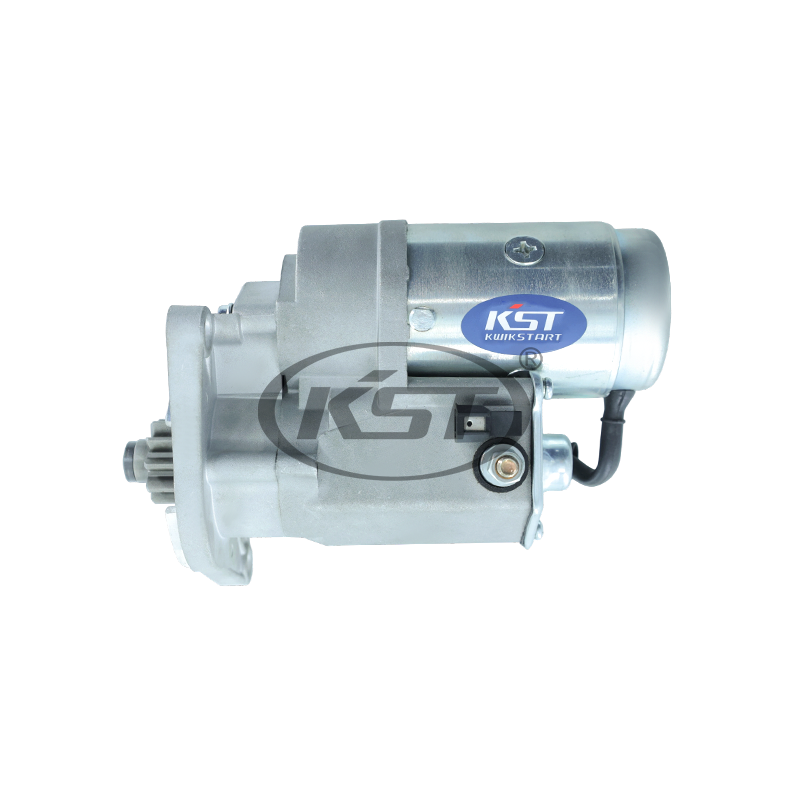
Construction equipment operates under conditions that place steady pressure on electrical systems. Dust, vibration, uneven ground, and long running hours all influence how charging components behave over time.
Machines used for loading, lifting, digging, or material transport often require stable electrical support during the entire work cycle. Lighting systems may remain active for long periods, especially in enclosed work zones or low-visibility areas. At the same time, control systems and instrument panels continue operating while the engine remains under load.
In construction environments, vibration becomes a constant factor. Electrical connections move slightly during operation, especially on rough ground. Stable charging helps reduce interruption in electrical supply during movement.
Common equipment using this type of alternator includes:
Environmental exposure also affects operation. Dust may gather near cooling openings and electrical connections. Over time, airflow around the charging system becomes less stable, which can influence operating temperature during long work periods.
Construction machinery rarely stays in one place. Equipment moves between sites and works under changing conditions, so electrical systems need to adapt without major adjustment.
Agricultural equipment works in environments that change throughout the day. Soil dust, moisture, temperature shifts, and uneven terrain all affect operating conditions around electrical systems.
Machines used for field work often run for extended periods while several electrical functions remain active at the same time. Lighting, monitoring systems, control panels, and communication equipment all depend on stable current during operation.
Unlike warehouse machinery, agricultural equipment stays exposed directly to outdoor conditions. Early morning moisture, midday heat, and airborne dirt become part of normal operation.
The alternator supports several practical functions during field activity:
Engine speed also changes frequently in field work. Terrain conditions and equipment load may shift continuously while the machine moves. The charging system therefore needs to remain stable even during uneven operation.
A simple overview of agricultural conditions:
| Working Condition | Electrical Situation | Charging Requirement |
|---|---|---|
| Open field work | Continuous system use | Stable current during movement |
| Dust exposure | Reduced airflow around components | Reliable operation in dirty conditions |
| Moisture exposure | Surface protection needs | Steady charging stability |
| Long operation periods | Ongoing electrical demand | Continuous battery support |
In many agricultural environments, uninterrupted electrical supply becomes closely connected to keeping field work moving without unnecessary delays.
Material handling equipment works in a different pattern compared with outdoor machinery. Forklifts, transport units, and warehouse vehicles often operate indoors where repeated movement continues throughout the day.
Even in cleaner indoor environments, electrical demand stays constant. Equipment starts, stops, lifts, lowers, and changes direction repeatedly during operation. Each movement cycle places pressure on the electrical system.
Battery condition becomes especially important in warehouse operation. Warning lights, movement controls, display systems, and safety functions all require stable electrical support while the equipment remains active.
In enclosed industrial spaces, airflow around machinery may be more limited compared with outdoor environments. Heat can build gradually around electrical components during continuous use.
Common electrical functions supported during operation include:
Although warehouse conditions are cleaner than construction sites or agricultural fields, repeated operation cycles create their own form of stress on charging systems over time.
Commercial transport vehicles spend long hours in operation, and many electrical functions stay active the entire time. The alternator supports far more than engine starting. While the vehicle moves, current is continuously supplied to lighting, dashboard systems, communication equipment, and battery charging circuits.
During long driving periods, electrical demand changes often. Headlights may stay on for hours, internal control systems continue running, and communication devices remain connected throughout the route. Without steady charging, stored battery power gradually drops during operation.
Road conditions also affect the charging system. Uneven surfaces create vibration around electrical connections and mounting points. In vehicles used for transport work, components rarely stay completely still.
The alternator commonly supports:
Operating conditions change constantly in transport environments. Traffic, weather, and engine speed all shift throughout the day, so charging systems need to remain stable through changing situations.
Outdoor industrial equipment works in conditions that place constant pressure on electrical systems. Mining machinery, transport support vehicles, and outdoor operating units often remain active for long periods with little downtime between work cycles.
Dust becomes part of the environment almost immediately in many outdoor locations. Fine particles move through the air and settle around cooling areas, electrical connections, and surrounding engine components. Over time, airflow around the alternator becomes less stable.
Vibration is another constant factor. Heavy machinery moving across rough ground creates repeated movement around mounting structures and electrical wiring.
Outdoor systems also face:
In remote work areas, stable charging becomes especially important because equipment may continue running far from maintenance facilities. Lighting systems, monitoring equipment, and communication devices often depend on continuous electrical support while machinery stays active.
A simple overview of outdoor operating conditions:
| Working Condition | Influence On Charging System |
|---|---|
| Dust exposure | Reduced airflow around components |
| Continuous vibration | Stress on mounting and wiring |
| Moisture exposure | Gradual surface wear |
| Long operation cycles | Increased thermal load |
Outdoor machinery rarely works under calm conditions, so charging systems are expected to keep operating while surroundings continue changing.
Environmental influence usually appears slowly. Problems rarely begin in a sudden way. Instead, small changes build over time through daily operation.
Heat is one of the more common factors. During long work cycles, engine compartments become warmer, especially where airflow is restricted. Higher temperature affects surrounding electrical parts and may change operating stability during continuous use.
Dust creates another long-term issue. Fine particles gather near cooling openings and electrical contact areas. As buildup increases, airflow becomes weaker and surrounding temperature rises more easily.
Moisture exposure also affects long-term operation. Rain, damp air, and changing outdoor conditions gradually influence exposed surfaces and nearby wiring areas.
Vibration affects almost every industrial machine. Continuous movement places pressure on mounting brackets, surrounding bolts, and electrical connections.
Environmental influence often develops like this:
None of these conditions work alone. In real environments, they usually appear together.
Industrial electrical systems often support several active functions at the same time. Lighting, monitoring equipment, warning systems, and control panels may all remain connected while machinery operates under load.
Batteries provide stored energy, though long operation depends on charging support from the alternator while the engine continues running. Without stable charging, electrical balance becomes harder to maintain during extended work periods.
In many machines, electrical demand changes continuously. Some systems switch on and off throughout operation while others remain active without interruption.
Common electrical demand areas include:
Stable output helps connected systems continue operating together without sudden interruption. In industrial environments where machinery works for long periods, charging consistency becomes part of keeping daily operation moving normally.
Alternator wear usually develops gradually. Small changes appear first, often through sound, vibration, or charging behavior.
Regular inspection helps reduce problems caused by dust buildup, loose wiring, and long operating hours. In industrial environments, dirt and airborne particles often collect around cooling areas and electrical connections.
Cleaning surrounding areas helps maintain airflow around the alternator housing. Reduced airflow can raise operating temperature during continuous use.
Drive belt condition also affects charging stability. A worn or loose belt may change rotational movement, which then influences electrical output during operation.
Practical maintenance often includes:
In many cases, early wear signs appear quietly. Slight charging instability or increased operating noise may show up long before larger problems develop.
Choosing an alternator involves more than matching voltage. Working conditions, equipment layout, and electrical demand all influence compatibility.
Some machines operate in cleaner indoor environments, while others work outdoors with constant exposure to dust, vibration, and moisture. The charging system needs to match the conditions surrounding the equipment.
Electrical demand also changes between applications. Machines using several active electrical systems at once require stable current support during operation.
Important considerations often include:
Installation position also matters. Limited airflow or crowded engine compartments may affect operating temperature over long work cycles.
In practical use, surrounding conditions influence charging behavior just as much as electrical specifications themselves.
Many industrial machines continue using similar charging structures because the electrical demand remains relatively balanced across different applications.
Construction equipment, agricultural machinery, warehouse vehicles, transport systems, and outdoor operating units all require stable charging during operation. Even though the working environments differ, the basic need stays similar: maintaining electrical supply while the equipment continues running.
The 24 volt 60 amp alternator remains widely used in situations where:
Its continued use comes from practical compatibility with many industrial systems rather than from a single application type.
Your email address will not be published. Required field are marked*
Get in Touch
 Heavy Duty Vehicle Motor Factory


 en
en  English
 عربى
عربى فارسی
فارسی