In everyday vehicle work, stable output is often misunderstood as a completely fixed electrical flow. In real operation, that is not how vehicle systems behave.
A vehicle electrical system is always changing. Even when the engine sounds steady, electrical demand inside the system can still rise or drop depending on what is being used at that moment.
Stable output in practical terms means the system can keep all connected devices running without interruption, even when demand changes. Small fluctuations are normal. What matters is that these changes do not cause sudden failure or unstable behavior.
For example, during a normal work cycle, a vehicle may:
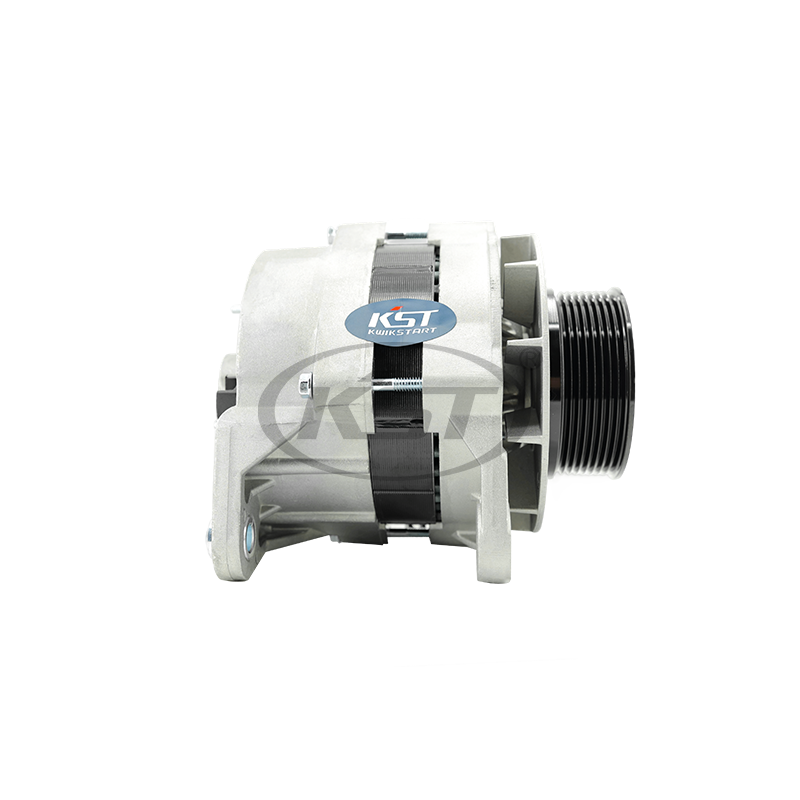
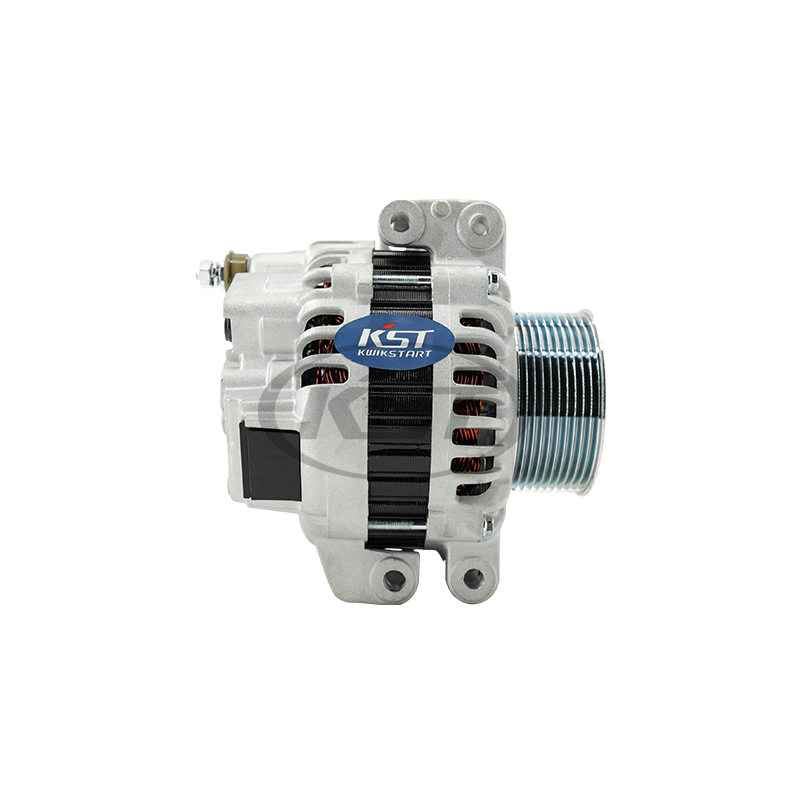
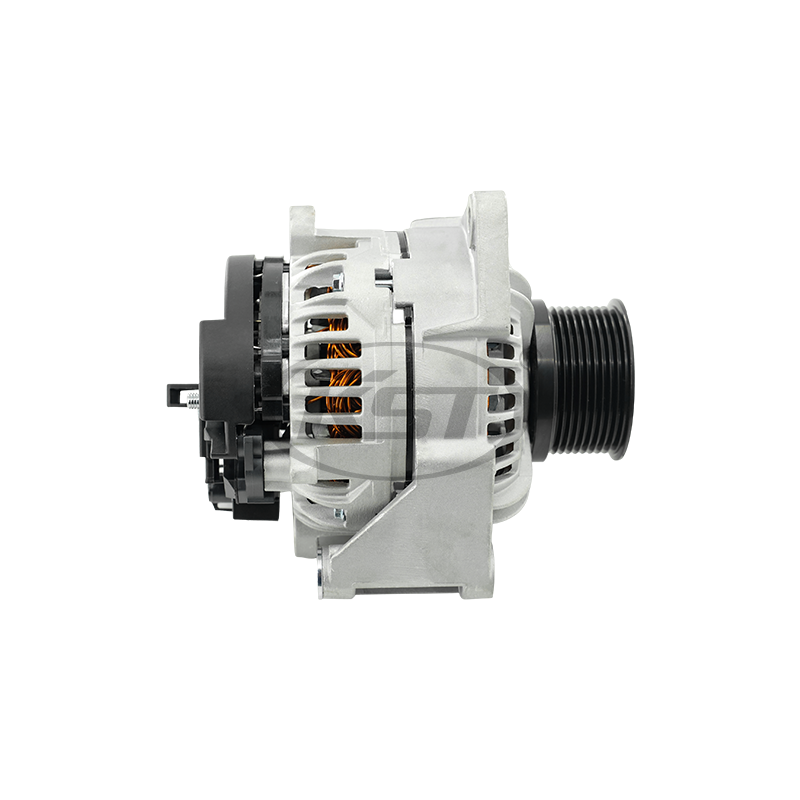
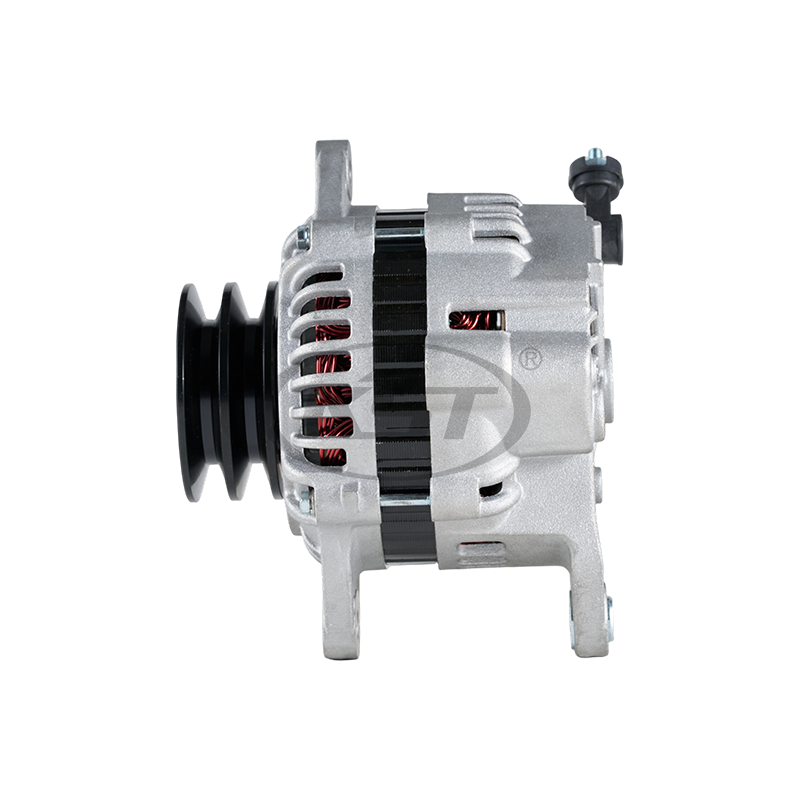
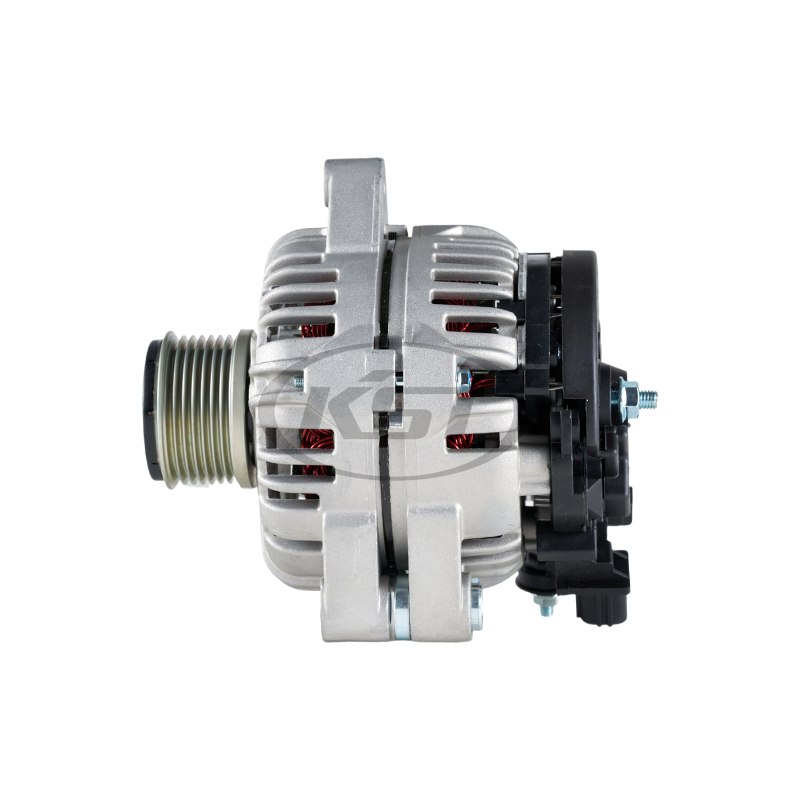
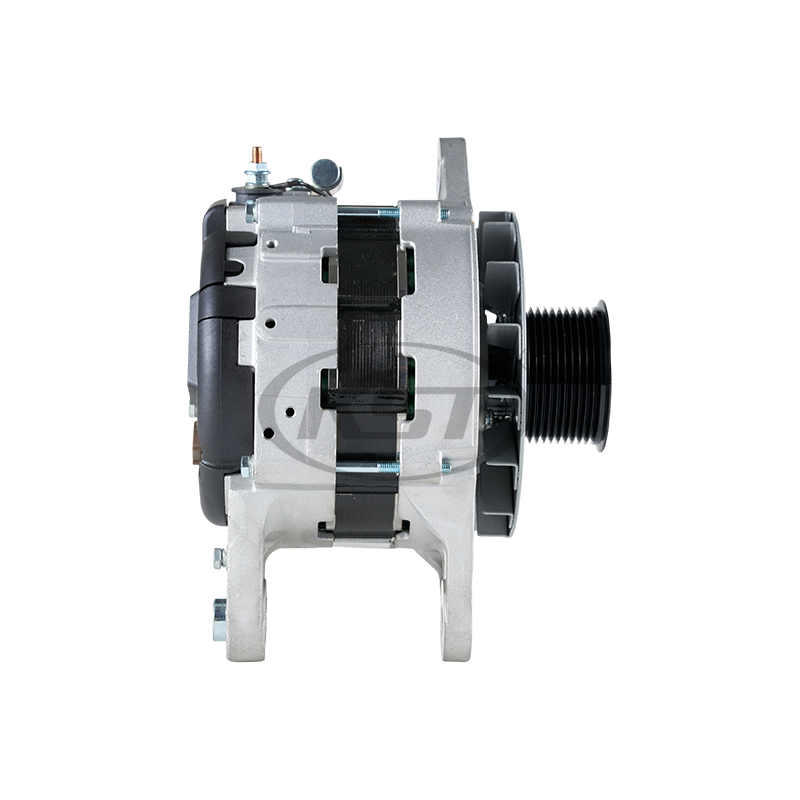
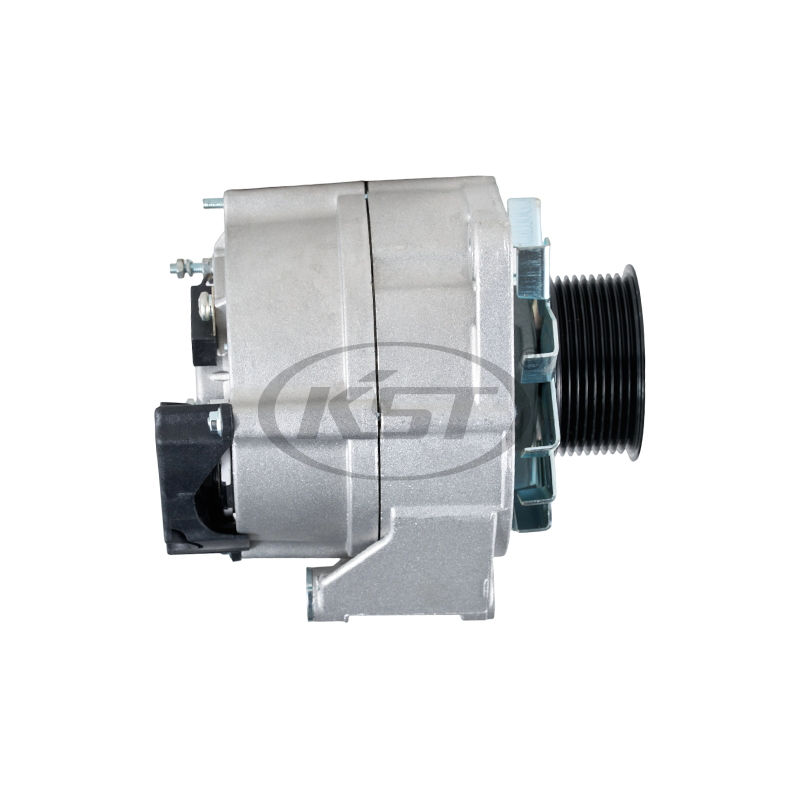
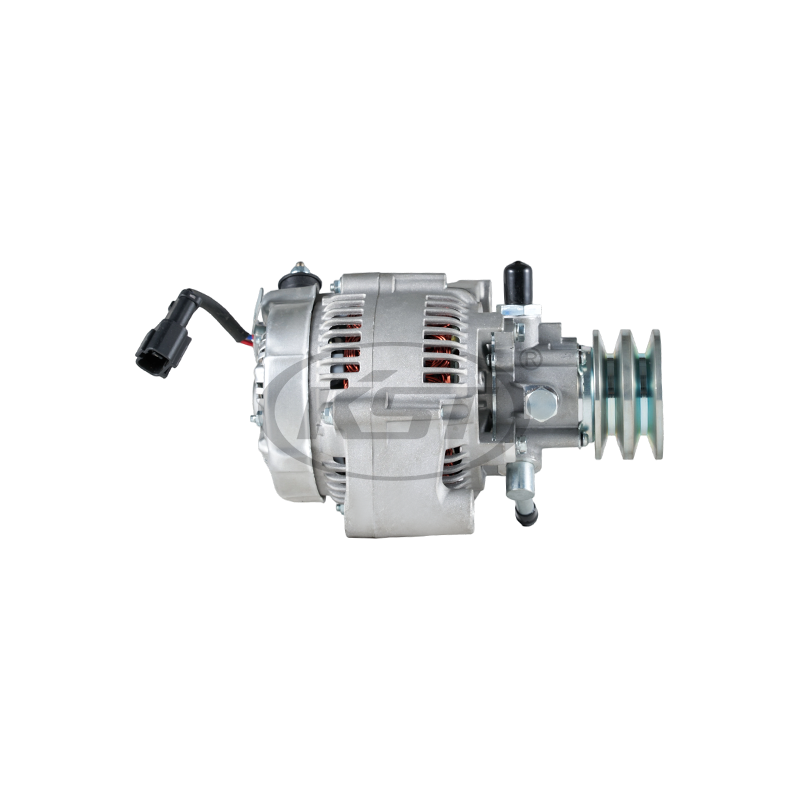
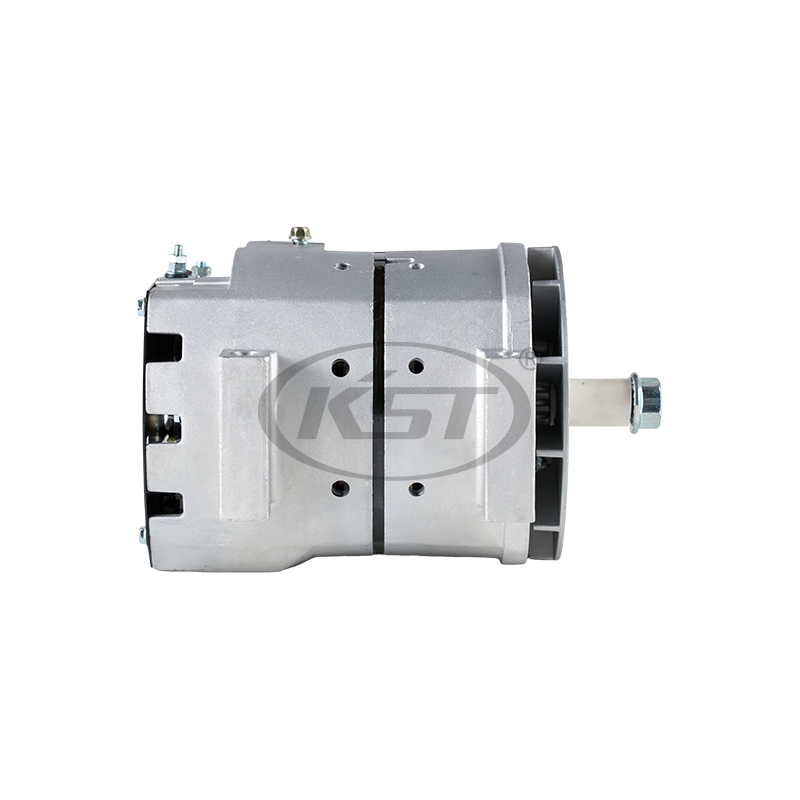
The 24 volt 60 amp alternator supports this kind of changing condition by adjusting output continuously instead of staying at one fixed level.
In real working environments, electrical load does not stay still because vehicles are not used in a single fixed way. Operators often switch systems on and off depending on what task is needed.
Load changes usually come from very simple actions in daily use:
These actions may seem small individually, but together they create constant changes in power demand.
A simple breakdown of real behavior:
| Working Condition | What Happens in Practice | Electrical Demand Pattern |
|---|---|---|
| Idle waiting | Engine running, few devices active | Light and stable demand |
| Basic movement | Essential systems running | Moderate demand |
| Active work phase | Multiple devices used together | Rising and mixed demand |
| Task switching | Devices turning on/off frequently | Changing demand pattern |
The working idea behind a 24 volt 60 amp alternator is based on continuous rotation. As long as the engine is running, mechanical movement is transferred into electrical generation.
In real use, the process is simple in structure but continuous in behavior:
What makes this important in real life is that there is no need to stop or restart the process during operation. Once the engine is running, energy generation becomes continuous.
In working vehicles, this means electrical support is always available during operation, even when demand changes frequently.
The alternator does not work like a fixed-output device. Instead, it behaves more like a responsive system that follows the engine while adjusting to electrical usage.
When electrical load changes, the alternator does not react with sudden jumps. Instead, it adjusts step by step based on how much demand is added or reduced.
In practical operation, this can be seen in small behavior changes:
In real field use, stability is more about controlled transition than fixed power level.
To understand how the system behaves in daily use, it helps to look at the energy flow in a simple way:
In real vehicle work, fixed output is not the main goal. What matters more is whether the system can keep working under changing conditions.
A stable electrical system helps:
Without stable adjustment, every change in load could create visible impact on vehicle operation. In real environments, this would make continuous work difficult.
The 24 volt 60 amp alternator supports this by adjusting output gradually instead of reacting sharply.
In real working situations, some vehicles are not used in short cycles. They run for long periods with only brief pauses. During this time, the electrical system does not get a chance to fully rest.
For example, in one continuous work cycle, a vehicle may:
The 24 volt 60 amp alternator supports this type of usage by maintaining continuous adjustment instead of reacting separately to each change.
In practice, what matters is not only power production, but the ability to keep the system balanced across repeated transitions.

Engine speed is closely connected to how electrical energy is produced. When the engine rotates faster, more electrical output becomes available. When it slows down, output naturally decreases.
In real working environments, engine speed is not constant. It changes based on driving conditions or task requirements.
Typical situations include:
Each change in speed affects energy production. However, the system does not react in a sudden way. Instead, it adjusts gradually to match both engine behavior and electrical demand.
In real use, this means:
In real vehicle electrical systems, the alternator does not work alone. The battery is an important part of the overall balance.
The battery acts as a temporary energy buffer. When demand increases suddenly, the battery can supply additional energy for a short time. When demand decreases, it can receive stored energy again.
In practical operation, this creates a shared responsibility:
A simple interaction view:
In real field use, there are moments when several electrical systems activate together. This can happen during task changes or equipment operation steps.
When this occurs, demand rises quickly. The alternator responds, but not in an instant jump. Instead, it increases output step by step.
The process usually follows a natural pattern:
Even though the demand changes quickly, the system response is controlled. This controlled adjustment is one of the key reasons stable output can be maintained during operation.
In real working conditions, the alternator is exposed to environmental changes. These include temperature shifts, vibration, and surrounding dust or moisture.
Common influences include:
In practice, the system continues to operate under these conditions, but stability depends on how well it adapts to environmental stress.
Temperature changes are especially important because they affect internal resistance and overall efficiency. During long operation, the system must continue adjusting output while managing these environmental effects.
In practical use, load stability is not something abstract. It becomes visible in daily working behavior.
For example, in field operations:
In these situations, the electrical system is constantly adjusting. The alternator plays a continuous role in keeping everything balanced.
Another common scenario is transport operation, where vehicles run for long periods while electrical demand changes depending on driving conditions and onboard system usage.
In both cases, stable output is what allows systems to keep functioning without interruption during transitions.
Over time, a 24 volt 60 amp alternator operates under repeated cycles of load change. It does not work under a single fixed condition, but under constantly shifting demand.
In long term use, the system behavior can be described as:
What defines long term performance is not a single moment of operation, but how consistently the system responds across many cycles of change.
In real working environments, this consistency is what keeps vehicle electrical systems reliable during extended use.
When looking at the full operation process, the role of the alternator can be seen as a continuous balancing element in the vehicle electrical system.
It does not simply generate electricity. It responds to changing demand, adjusts output gradually, and works together with the battery to maintain system balance.
In real operation, stability is achieved through:
Your email address will not be published. Required field are marked*
Get in Touch
 Heavy Duty Vehicle Motor Factory


 en
en  English
 عربى
عربى فارسی
فارسی