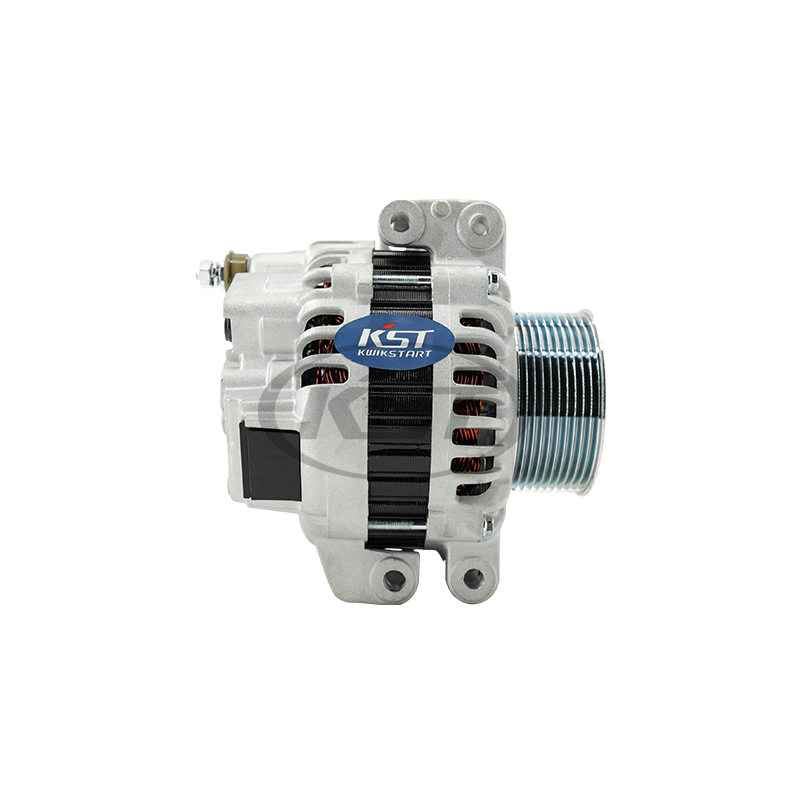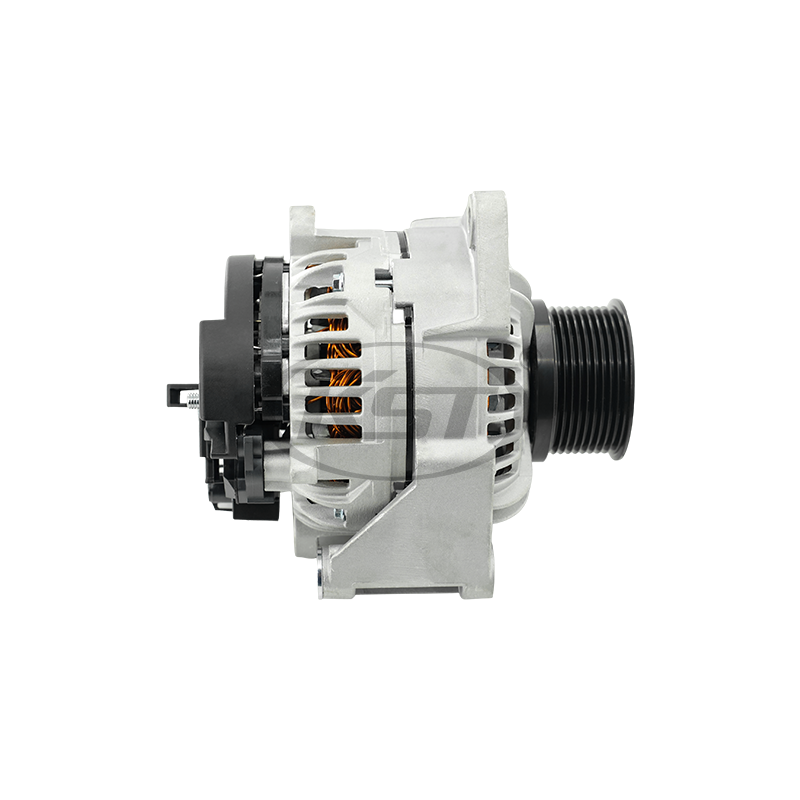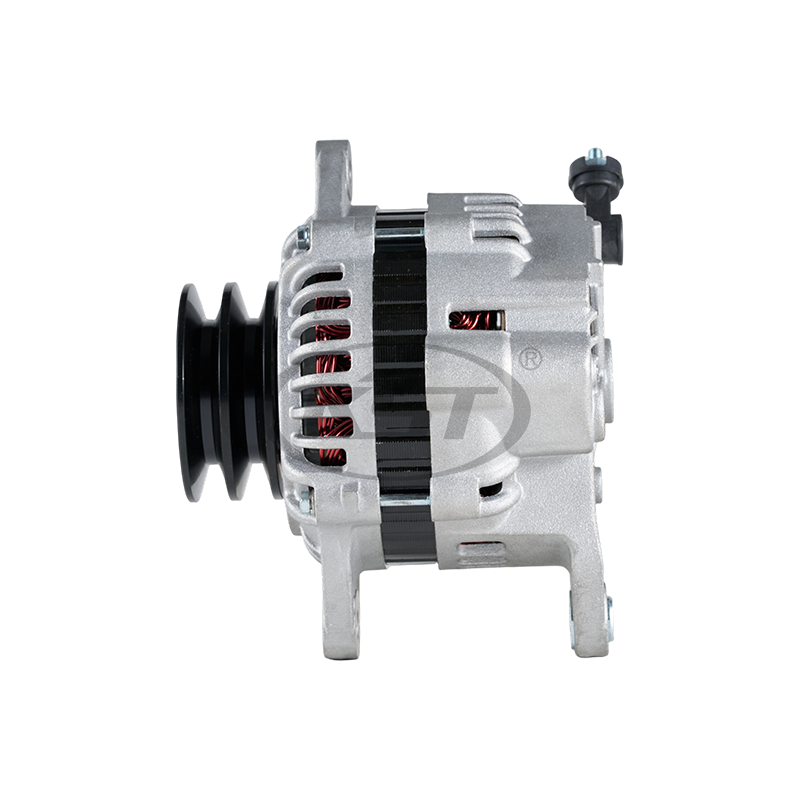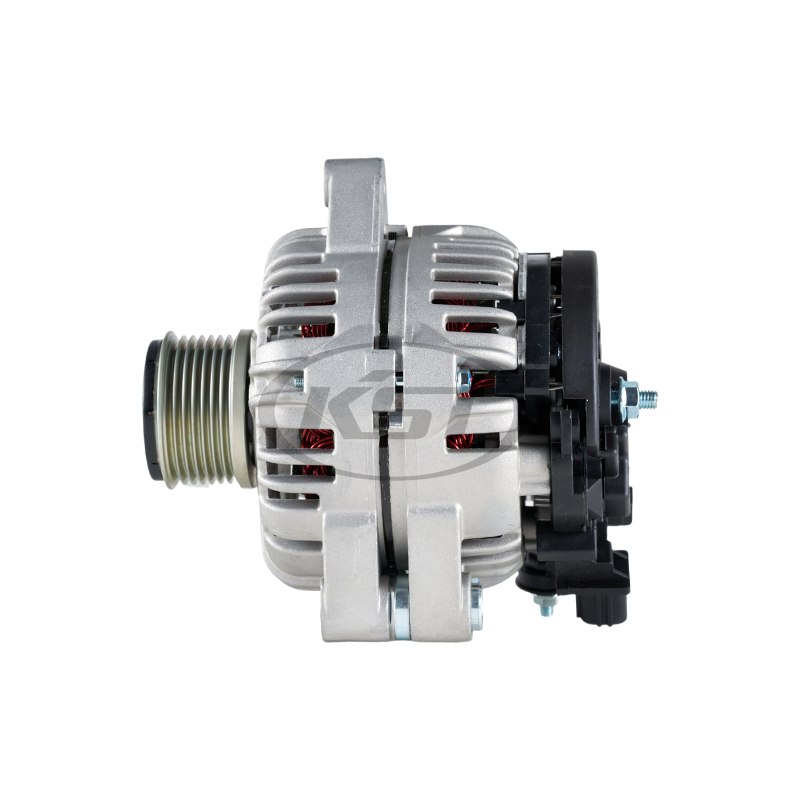
Vehicle electrical systems rarely sit in a calm state. Even when the engine runs steadily, electrical demand keeps shifting across lighting, control units, communication modules, and smaller auxiliary parts that stay active in the background. Power draw comes and goes in layers, not in a straight line, which makes energy supply a continuous balancing act rather than a simple delivery process.
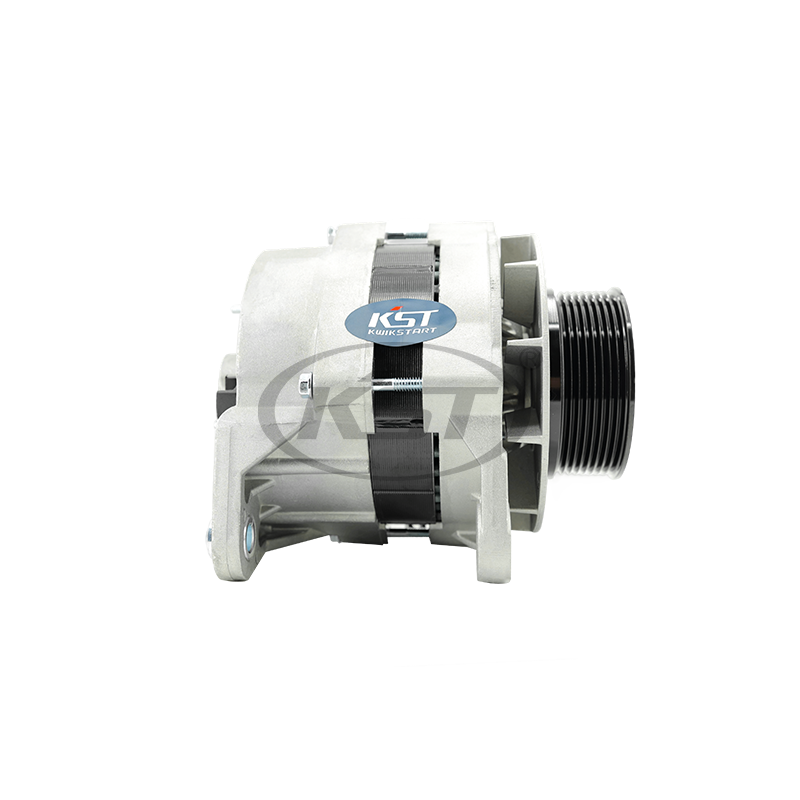
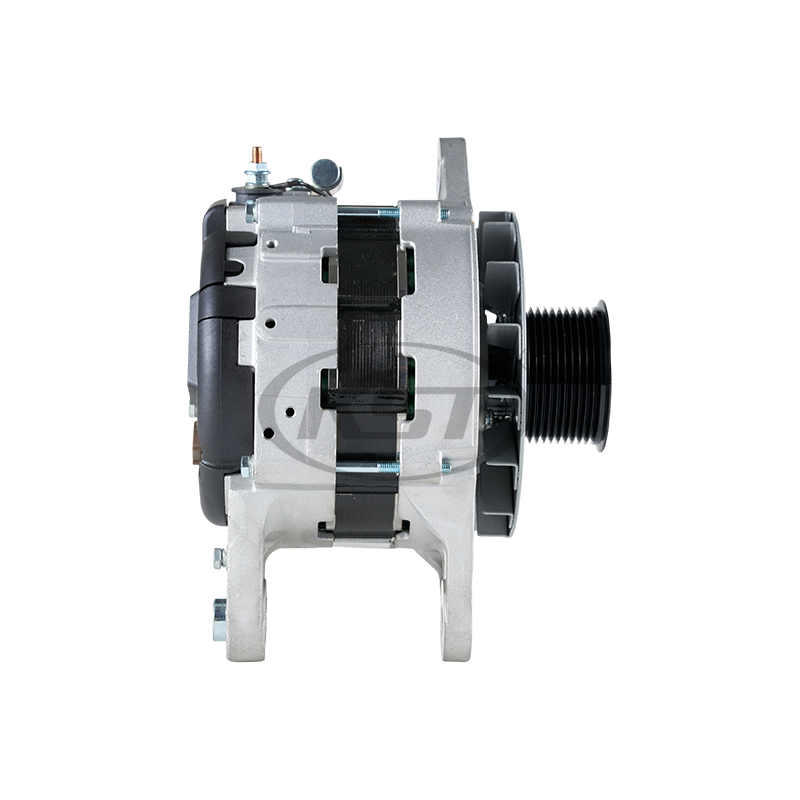
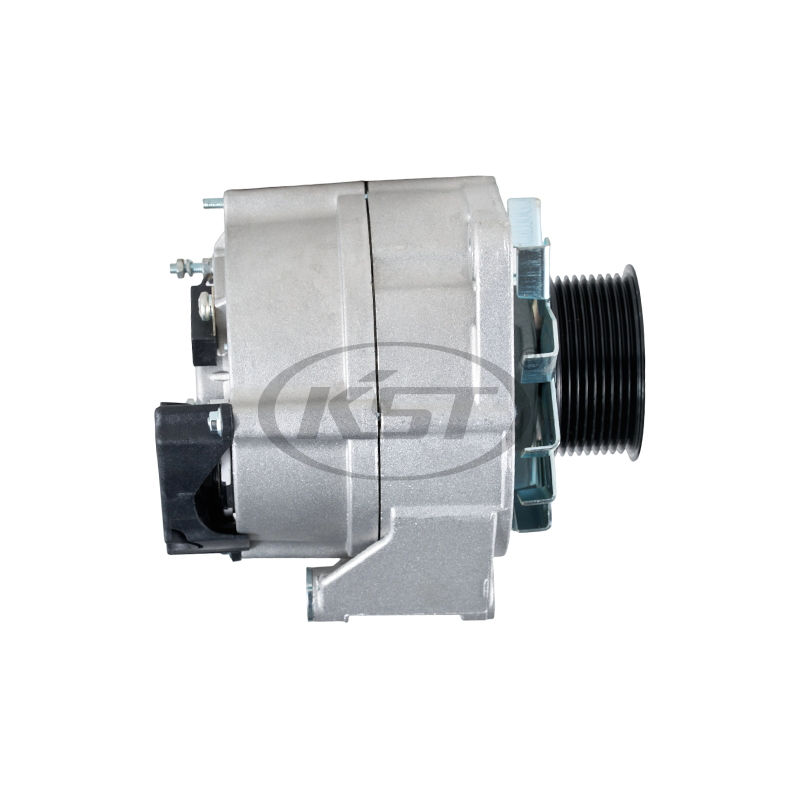
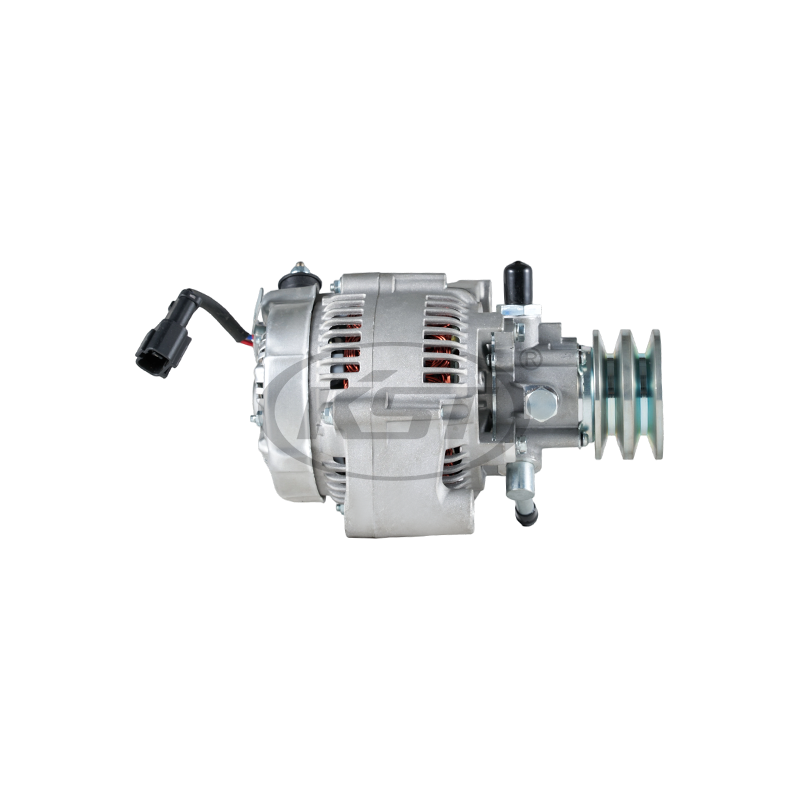
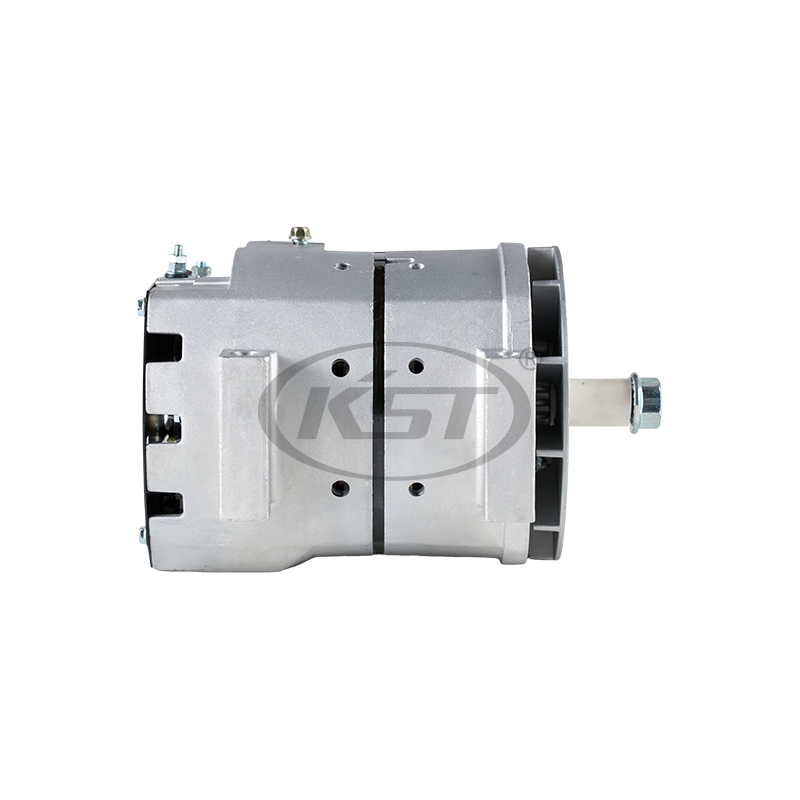
In this setting, a 24 volt 60 amp alternator becomes part of a moving loop where engine rotation is turned into electrical output, then shared between immediate use and battery storage. Nothing stays fixed for long. Load rises, drops, overlaps, and repeats, and the charging system follows that rhythm in real time.
Electrical demand inside a vehicle builds from many small sources working at once. Some stay on for long periods, others appear briefly, then disappear again. Even without obvious changes in driving conditions, internal circuits keep drawing energy in the background.
Battery power handles starting and short transitions, though once operation continues, stored energy alone starts to fall behind the overall demand. That is where continuous generation becomes necessary, not as an extra feature, more as part of normal operation.
Common load sources include:
All of these overlap. The result is not a single load, more like stacked consumption that keeps shifting shape. A charging source has to follow that movement without breaking balance.
Battery and alternator do not work in isolation. Both sit inside the same loop, and energy moves back and forth depending on what the system needs at any moment.
When output is steady, part of the energy goes into the battery for storage. When demand rises, the battery releases stored charge to smooth the gap. The alternator keeps generating as long as the engine turns, while the battery fills in short uneven moments.
The flow often follows a repeating pattern:
None of these steps stay separate for long. They overlap, shift, and adjust based on load and speed changes.
Voltage shapes how far and how steadily electrical energy can move through a system. Inside a vehicle, multiple circuits run side by side, and stability across those paths matters more than any single output point.
When voltage stays steady, different systems behave in a predictable way. When it drifts, small inconsistencies start appearing across lighting, control, or accessory circuits.
A simple comparison of behavior:
| Condition | System Behavior |
|---|---|
| steady voltage | stable multi-circuit operation |
| unstable voltage | uneven response across systems |
| higher level | wider distribution reach |
| lower stability | weaker coordination between loads |
A 24 volt setup sits in a range that supports multiple circuits running at the same time without constant correction from the system.
Current reflects how fast energy moves through the system at any moment. Unlike voltage, which sets structure, current reacts directly to load changes.
Vehicle usage rarely stays constant. One moment lighting is the main load, the next moment several systems activate together. Each change shifts how much current is required.
Common situations affecting current behavior:
A 24 volt 60 amp alternator responds to these shifts by adjusting output flow in real time, keeping generation close to what the system is actually consuming.
Everything begins with motion. Engine rotation drives the alternator through a mechanical link, and that movement becomes the base of electrical generation.
Inside the unit, rotation creates changing magnetic conditions that produce electrical output. The process continues as long as movement continues, forming a constant loop rather than a single event.
The cycle can be viewed in steps:
Speed changes affect output level, though regulation keeps the delivery from becoming unstable during those shifts.
Raw electrical output does not directly match what vehicle systems need. Conversion and control steps sit between generation and usage, shaping the final flow into something usable.
Rectification turns generated output into a usable electrical form. Regulation then smooths the level so systems do not experience sudden change during operation.
Main functions include:
Together, these steps keep the electrical network from reacting too sharply to engine or load changes.
Many systems rely on constant electrical supply while the engine runs. Battery support alone cannot maintain everything for long periods, especially when multiple circuits stay active together.
Common systems include:
Each one adds to the total demand, and together they form a steady background load that the alternator must continuously support.
Electrical demand inside a vehicle rarely holds a steady shape, even when road speed and engine sound feel unchanged, since different circuits come in and out of use in uneven timing, sometimes overlapping in a way that makes the total load look calm on the surface while actually shifting underneath.
A 24 volt 60 amp alternator spends many time reacting rather than holding a fixed output, since lighting, control units, and small auxiliary circuits tend to wake up in clusters, then settle again, then rise once more depending on driving moments.
Typical situations where load shifts become noticeable include:
Nothing in that pattern stays locked, so output behavior also keeps adjusting in a loose cycle rather than a rigid line.
Battery condition quietly changes how the whole charging loop feels during operation, even when alternator output remains unchanged, because the battery is not only a storage point but also a kind of buffer sitting between generation and real consumption.
A stable battery tends to accept charge in a calm way and release energy without sudden shifts, while a battery that has aged or lost consistency may respond in a more uneven rhythm, which forces the system to correct balance more often during driving.
In real operation, several small details affect that behavior:
When battery behavior stays steady, alternator output feels more uniform across the system. When it becomes irregular, the charging loop spends more effort keeping everything aligned.
Heat inside a charging system does not appear suddenly, it builds slowly as energy moves through mechanical rotation, electrical conversion, and internal resistance points, and once it appears, it quietly influences how stable the whole system behaves.
Inside a working alternator, temperature affects more than just surface warmth, since it changes how easily current moves through internal paths and how regulation responds when load shifts happen during operation.
Thermal influence usually shows up in areas such as:
When temperature stays balanced, output tends to feel steady and predictable. When it rises, internal adjustments begin working more actively in the background to keep the system from drifting too far away from stable conditions.
Modern vehicle electrical systems no longer run as isolated parts, they work more like a shared network where lighting, control units, communication modules, and comfort systems all draw power at the same time, often without any clear separation between one load and another.
Inside that network, a 24 volt 60 amp alternator sits in a continuous role of keeping energy moving, not by delivering a single fixed output, but by adjusting constantly as the system shifts between light load and heavier combined demand.
In practice, its behavior inside the system can be seen through patterns such as:
Rather than working as an independent source, it becomes part of a loop where generation and storage stay linked all the time, each one adjusting based on what the other is doing.
Over long periods of use, the way a charging system behaves is shaped not only by its internal design but also by the condition of the parts connected to it, since small changes in contact points, alignment, or mechanical drive can slowly affect how energy moves through the entire system.
Even when the alternator continues operating, surrounding conditions can change how smoothly its output reaches different electrical paths inside the vehicle.
Common influences include:
When these supporting elements remain in good condition, energy transfer tends to stay smooth and balanced. When they start to drift, the system adapts continuously, and that adaptation shows up as small changes in how stable the charging behavior feels during operation.
Your email address will not be published. Required field are marked*
Get in Touch
 Heavy Duty Vehicle Motor Factory


 en
en  English
 عربى
عربى فارسی
فارسی