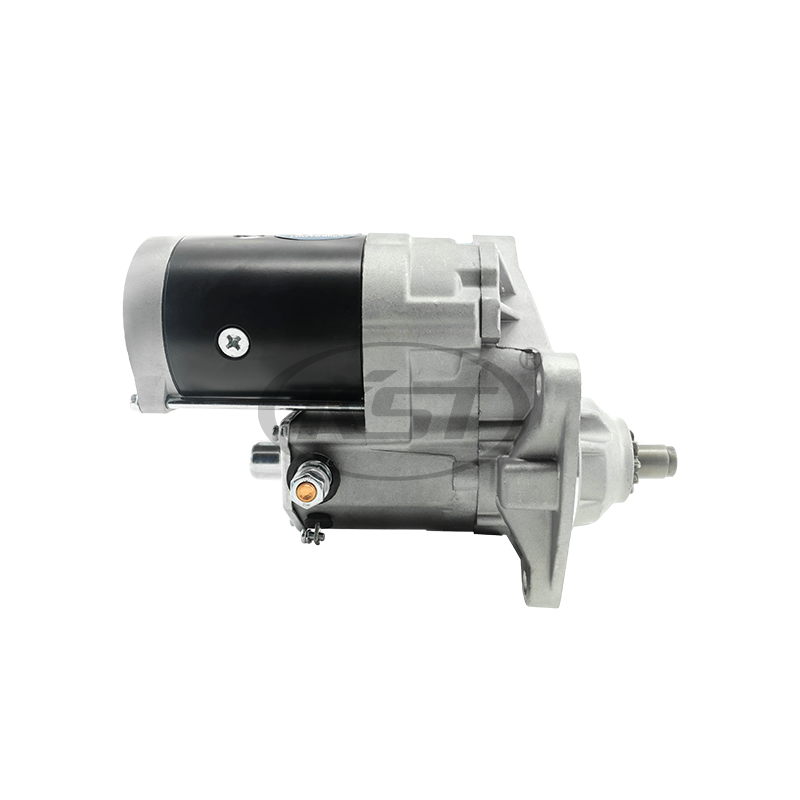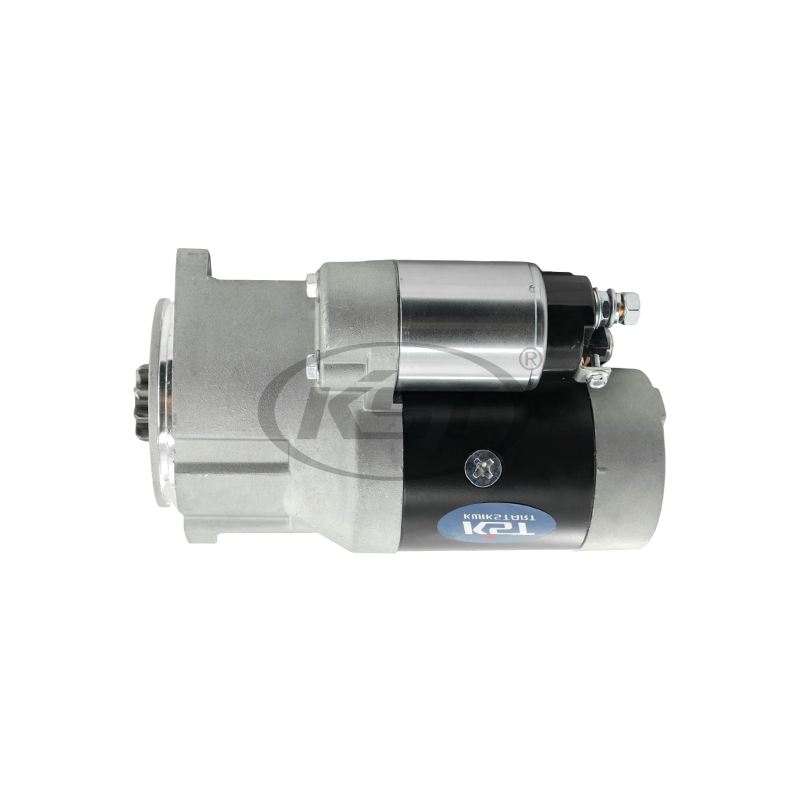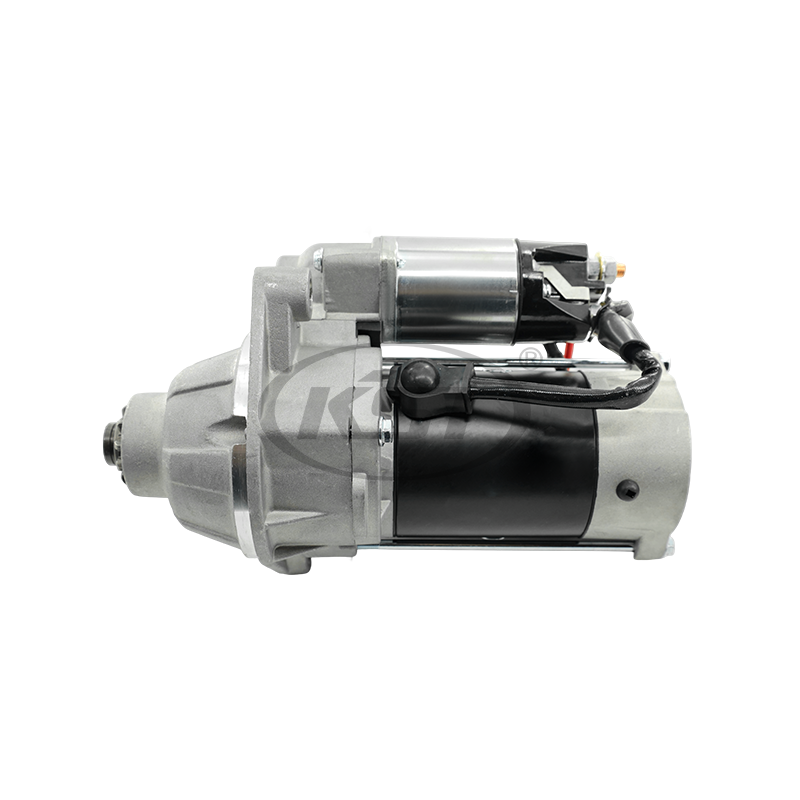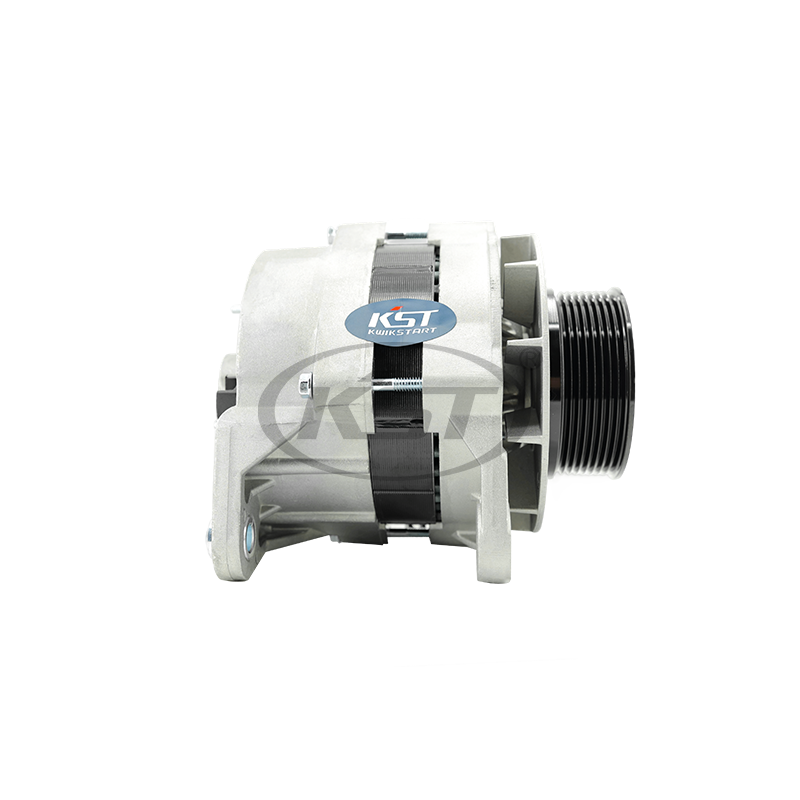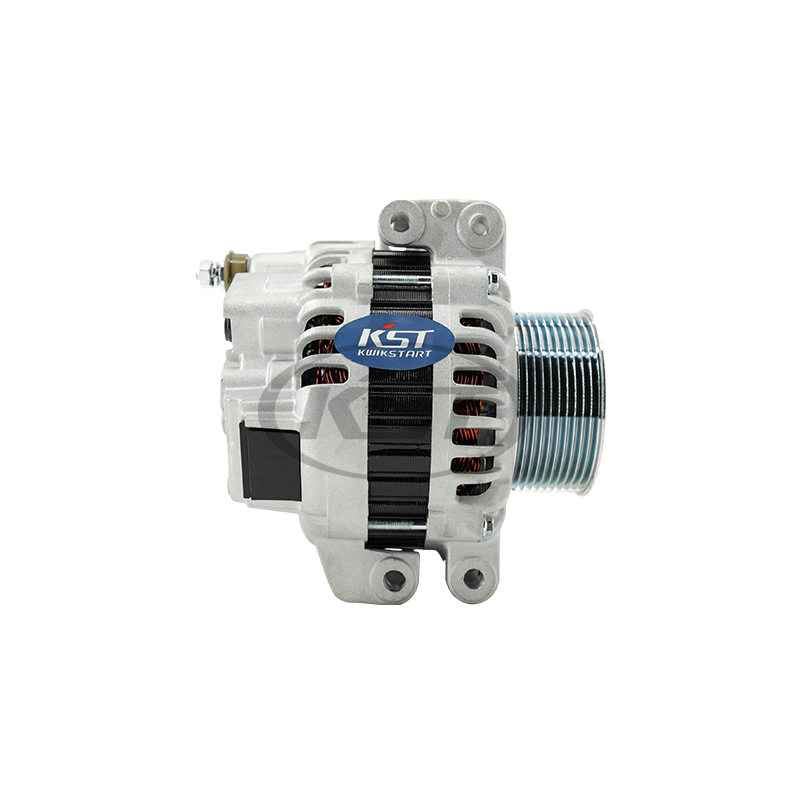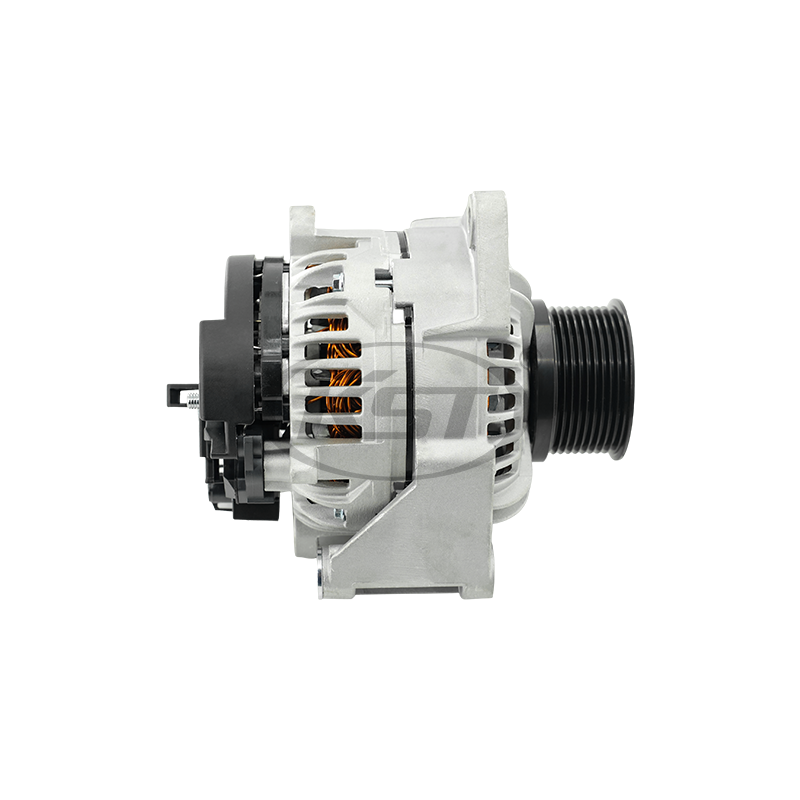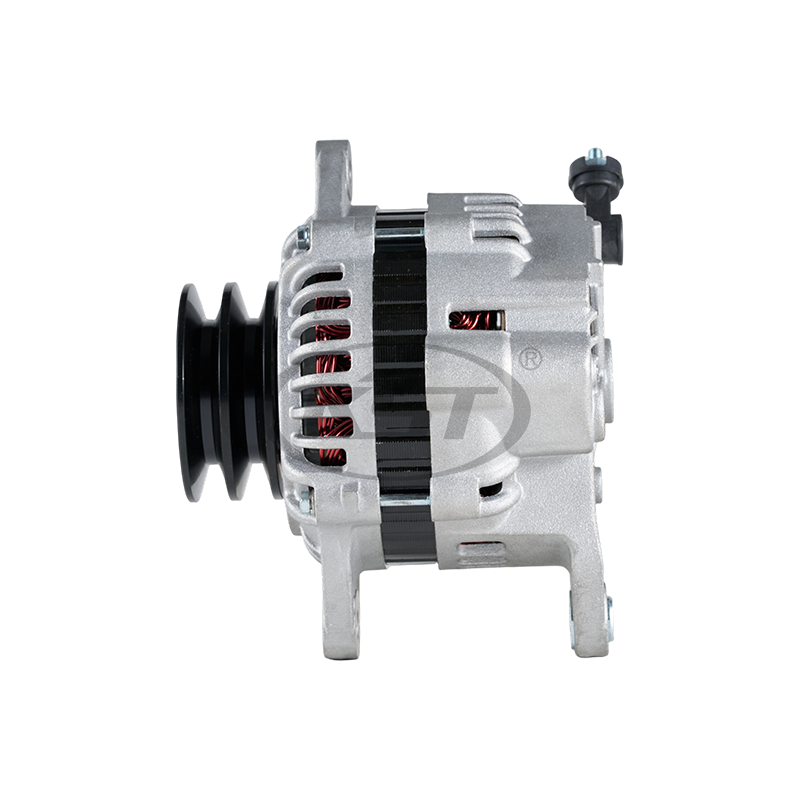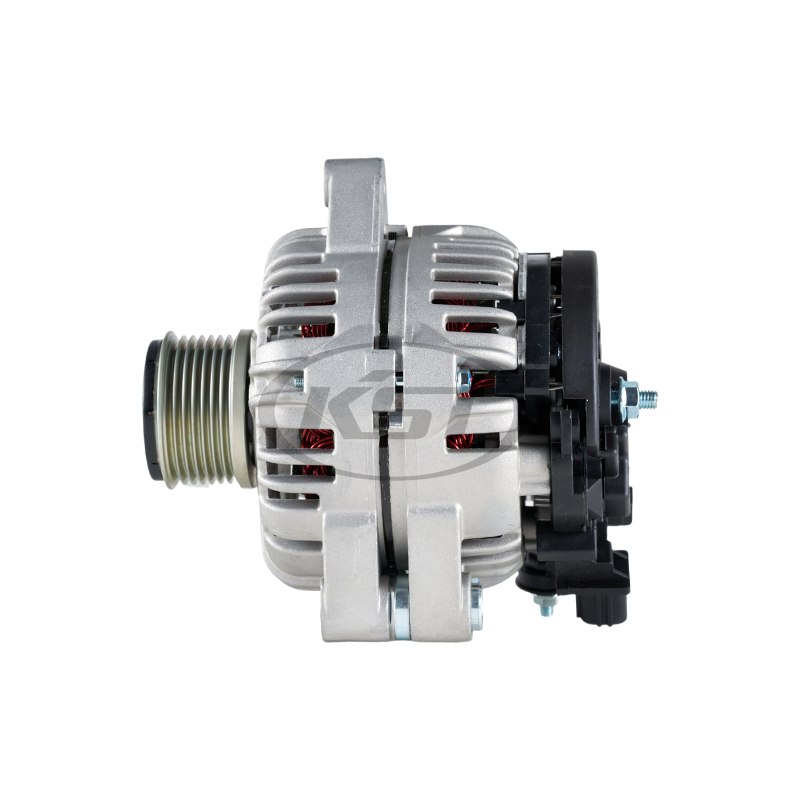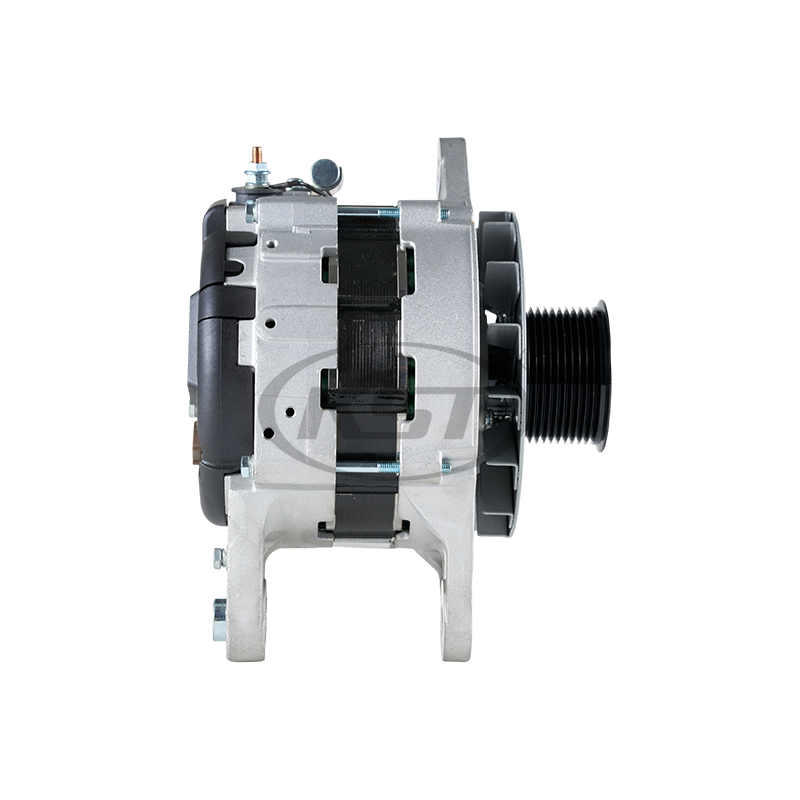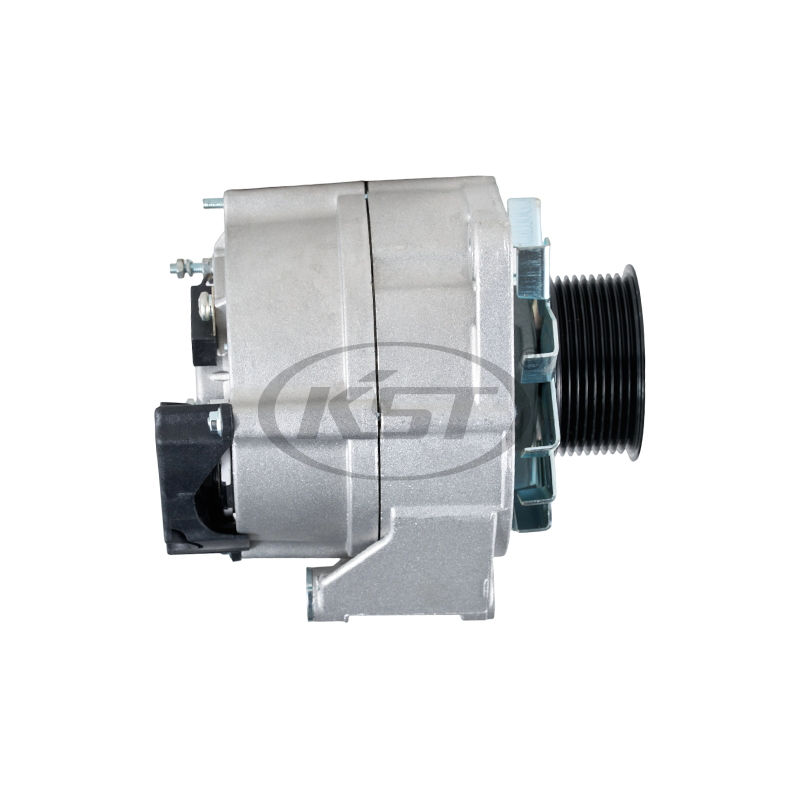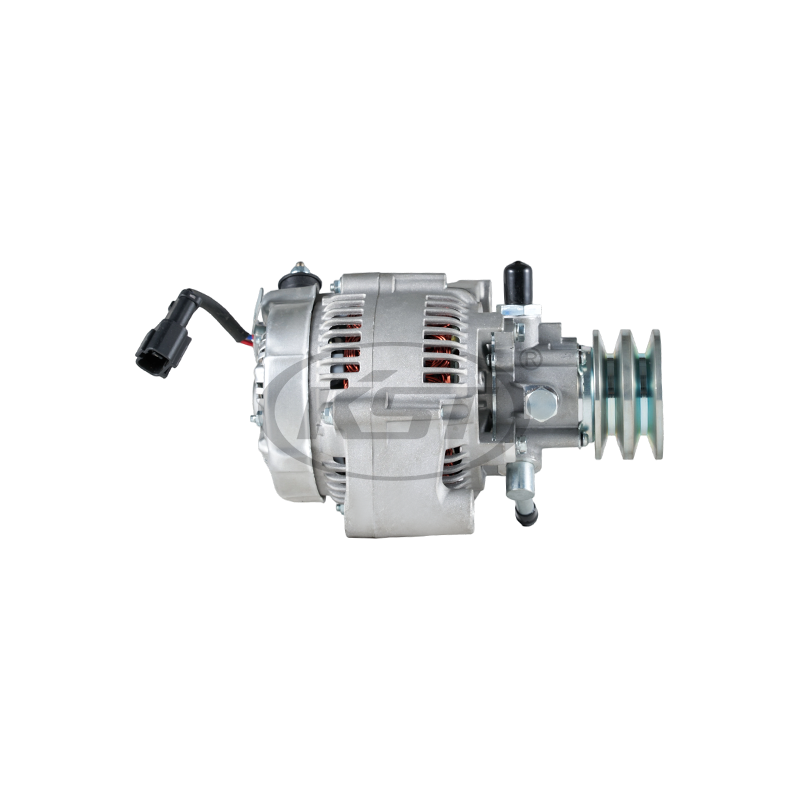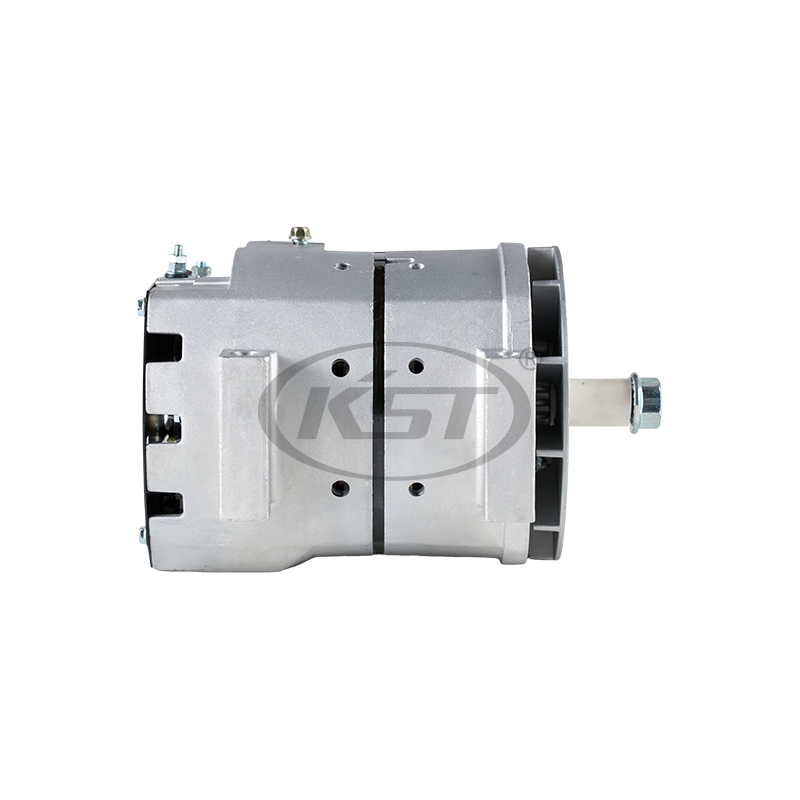
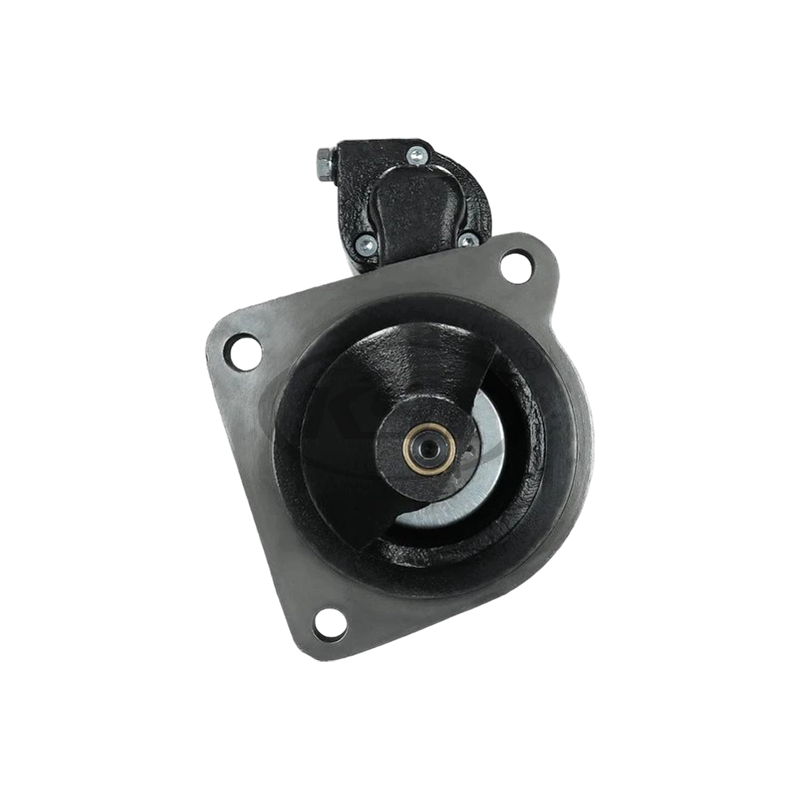
A 24 volt 60 amp alternator sits inside many power systems where movement and electricity need to work together in a steady loop. Mechanical rotation enters the unit, passes through internal magnetic interaction, then turns into electrical output that supports the rest of the system.
In simple working conditions, the alternator does not act alone. It works alongside a battery and a group of electrical loads. Rotation keeps happening, energy keeps forming, and the system keeps circulating power as long as mechanical input continues.
What matters in real use is not only output, also how even that output stays during long operation. A stable condition means the alternator keeps producing similar electrical behavior even when external demand changes slightly.
Power systems usually fail in small steps before any obvious issue appears. Output starts to vary a little, charging becomes less even, and connected parts begin to react differently. A alternator plays a role in preventing that slow drift.
Stability is important because electrical flow is shared. When one part changes behavior, other parts respond in return. That chain reaction can affect batteries, controllers, and loads connected to the same circuit.
In daily operation, stability helps in situations like:
Inspection is often simple work, yet it quietly prevents larger instability. A quick check can reveal early signs that are easy to miss during normal operation.
Many issues begin as small changes. A slightly loose connection, a bit of dust near airflow, or minor wear around moving parts. Left alone, those small points slowly affect performance.
A basic inspection routine usually looks at:
The value of inspection is not only finding faults. It is more about noticing slow changes before they become part of normal operation behavior.
The alternator depends on external rotation, often delivered through a belt system. That belt is not just a connector, it decides how smooth the rotation enters the unit.
When belt tension stays balanced, rotation comes in a steady way. When tension changes, movement becomes slightly uneven. That unevenness does not stop the system, yet it slowly influences output behavior.
Wear on the belt surface also matters. A smooth surface keeps contact stable. A worn surface can slip slightly under load, especially during sudden changes in engine speed.
Key points that affect performance:
A small slip may not look important. Over repeated cycles, that small movement difference can show up as uneven electrical output.
Heat is always present during operation. Inside an alternator, movement and electrical generation naturally create temperature rise. The system relies on airflow to balance that heat.
When airflow moves freely, heat spreads out and leaves the system in a steady way. When airflow is blocked or slowed, heat starts to stay inside longer than expected.
Some common influences on cooling include:
Heat does not always create immediate problems. The effect is more gradual. Materials expand slightly, resistance changes slowly, and performance may shift without sudden warning.
Good airflow keeps those changes under control, allowing the alternator to keep a more consistent behavior during long operation periods.
Electrical energy leaving the alternator must pass through connection points before reaching the system. Those points carry current under changing load, which makes them sensitive over time.
If a connection stays tight and clean, current flows in a stable way. If the contact becomes loose or oxidized, resistance begins to rise slowly, even without visible damage.
In practical operation, connection quality influences:
Small resistance changes can create uneven energy flow. That unevenness often shows up during high load moments or longer working cycles.
| Maintenance Area | Stable Condition | Unstable Condition |
|---|---|---|
| Belt system | even rotation transfer | slight slipping under load |
| Cooling flow | steady air movement | heat accumulation zones |
| Electrical contact | firm and clean connection | resistance fluctuation |
| Inspection habit | regular condition check | delayed issue detection |
Load inside an electrical system rarely stays fixed. Lights switch on and off, auxiliary devices join or leave the circuit, and storage units adjust their charging demand. A 24 volt 60 amp alternator reacts to these changes continuously.
When load changes are smooth, alternator output tends to follow in a stable rhythm. When load shifts are sudden or repeated too often, internal stress increases and output may start to fluctuate slightly.
Load behavior influences:
A stable system is not about avoiding load changes, it is about how gently those changes are absorbed during operation cycles.
Environmental exposure gradually shapes how a 24 volt 60 amp alternator behaves over time. Even when operation remains normal, outside conditions keep interacting with the unit.
Dust is one of the common factors. It can slowly settle around ventilation areas and reduce airflow efficiency. Moisture adds another layer, sometimes affecting electrical contact surfaces or increasing resistance in exposed areas.
Temperature variation also plays a quiet role. Repeated heating and cooling cycles cause small material expansion and contraction, which slowly influences internal alignment.
Main environmental influences include:
These factors usually do not cause immediate failure. Instead, they create slow changes that accumulate across long use periods.
Even with stable design, long operation can bring gradual changes. Many issues appear slowly and often start with small behavior shifts.
One common situation is uneven output. Electrical delivery may stay normal at times, then slightly fluctuate during load changes. Another sign is added vibration or sound variation during rotation.
Typical issues include:
These conditions often develop step by step. Small mechanical or electrical imbalance repeats during operation and slowly becomes noticeable in system behavior.
Maintenance is not a single action, it is a repeated behavior over time. A 24 volt 60 amp alternator tends to stay stable when small attention is given consistently instead of occasional repair after problems appear.
Simple habits often make the difference between steady operation and gradual instability. Cleaning, checking, and observing working behavior can reveal early changes that are not obvious during normal use.
Useful habits include:
A stable alternator condition is often the result of many small maintenance actions rather than one major repair event.
Over longer operation periods, a 24 volt 60 amp alternator becomes part of a repeating cycle between mechanical motion and electrical output. Its condition influences not only itself, but also the system connected to it.
When performance stays stable, batteries charge in a more even pattern and connected loads receive steady energy. When performance becomes uneven, small fluctuations spread through the system and affect multiple parts.
Long term behavior often shows:
The alternator becomes less of an isolated unit and more of a continuous stabilizing point in the entire system.
Looking at all maintenance factors together, stability does not depend on one single part. Belt condition, cooling flow, electrical contact, environmental exposure, and load behavior all interact at the same time.
| Factor Area | Stable Behavior Pattern | Risk Pattern When Ignored |
|---|---|---|
| Load changes | gradual adaptation | sudden output fluctuation |
| Environment | controlled exposure | slow performance drift |
| Connections | steady current transfer | resistance variation |
| Cooling | balanced heat release | internal heat buildup |
When these areas stay within control, the 24 volt 60 amp alternator tends to keep a consistent working rhythm over long periods.
Your email address will not be published. Required field are marked*
Get in Touch
 Heavy Duty Vehicle Motor Factory


 en
en  English
 عربى
عربى فارسی
فارسی