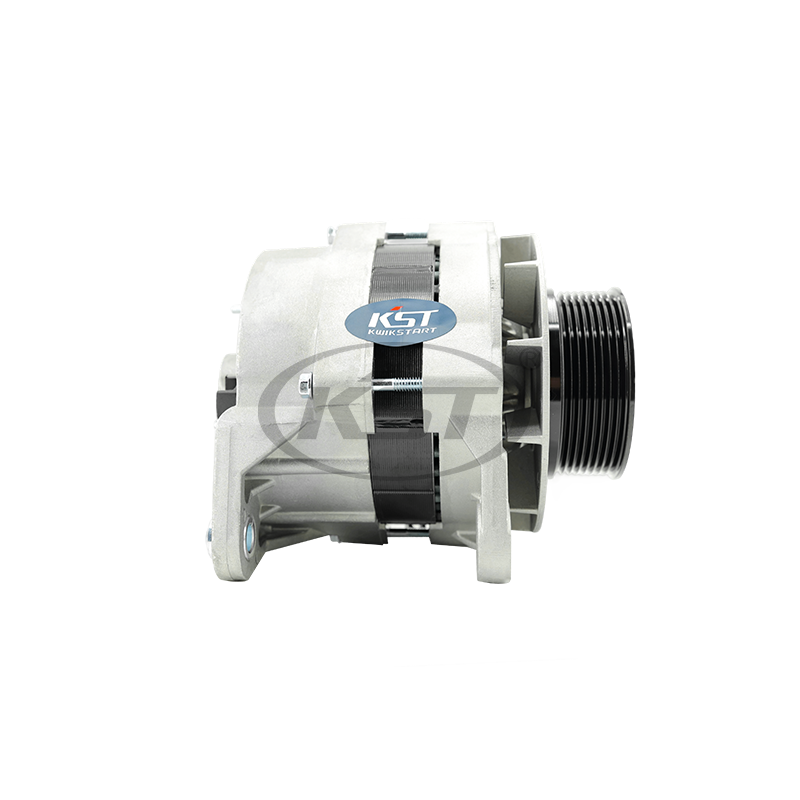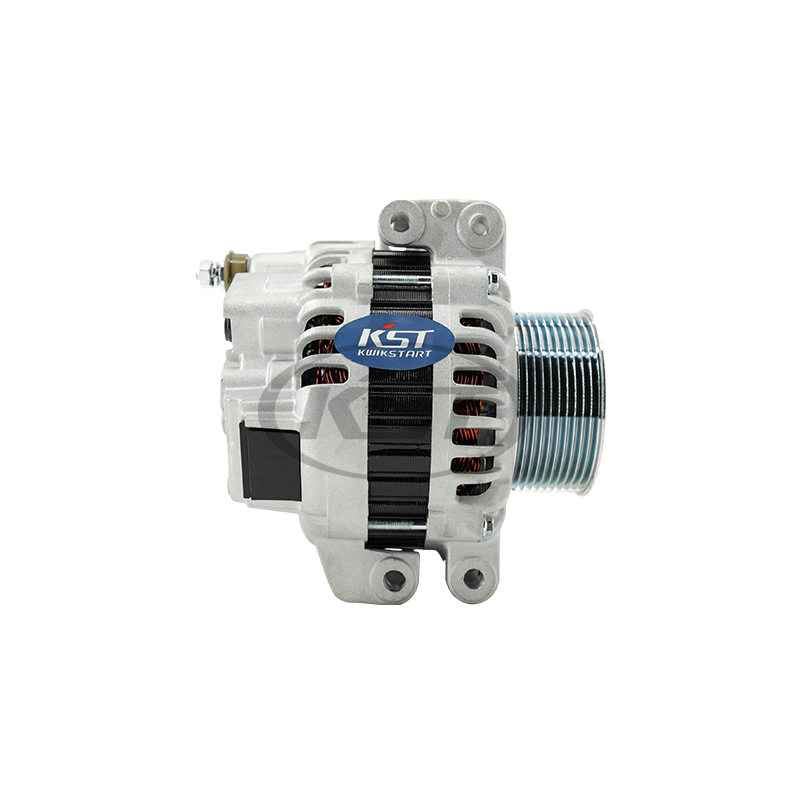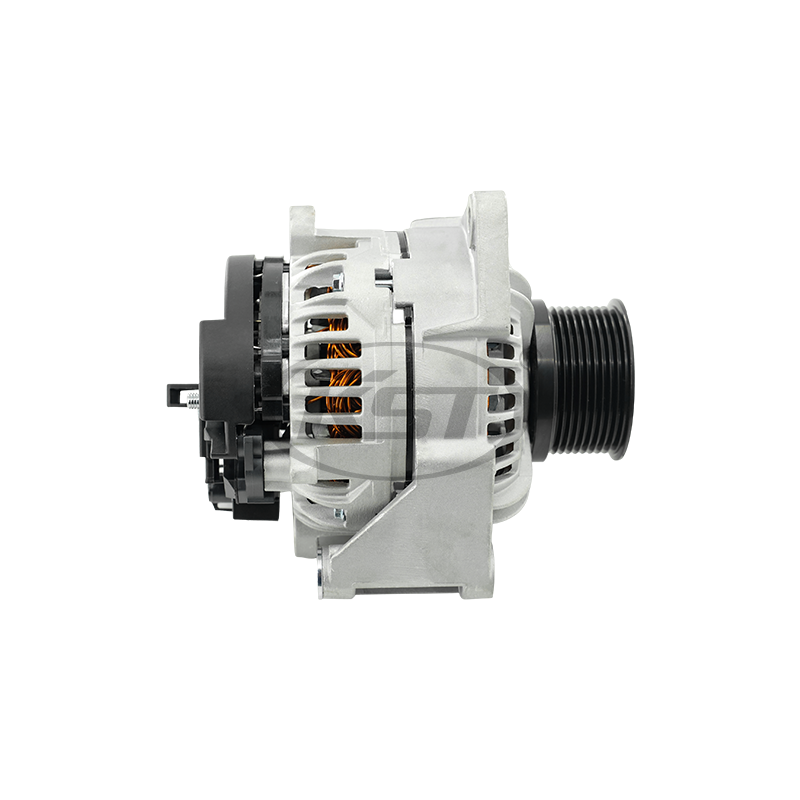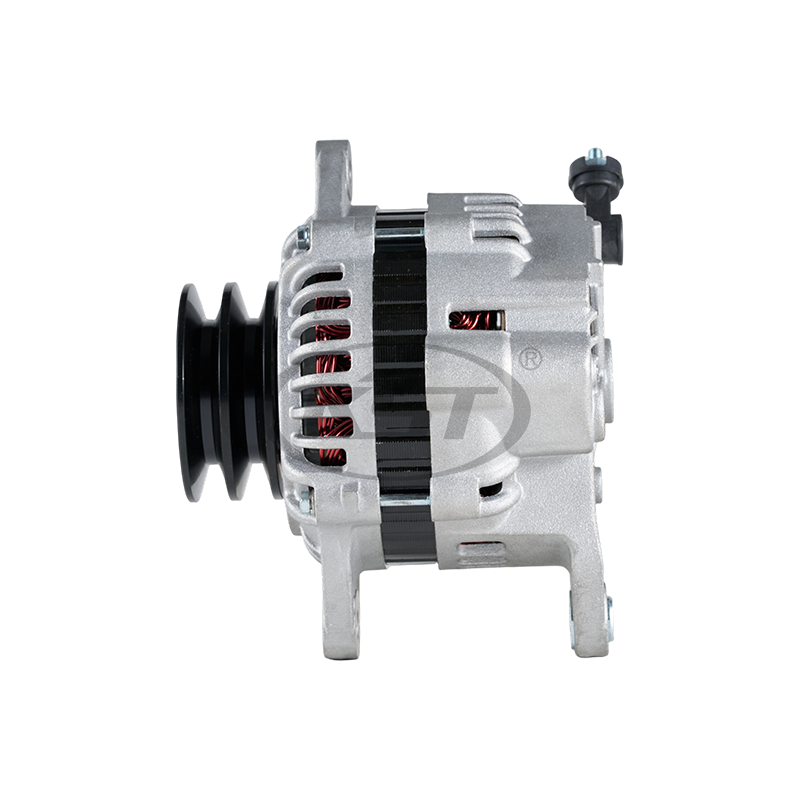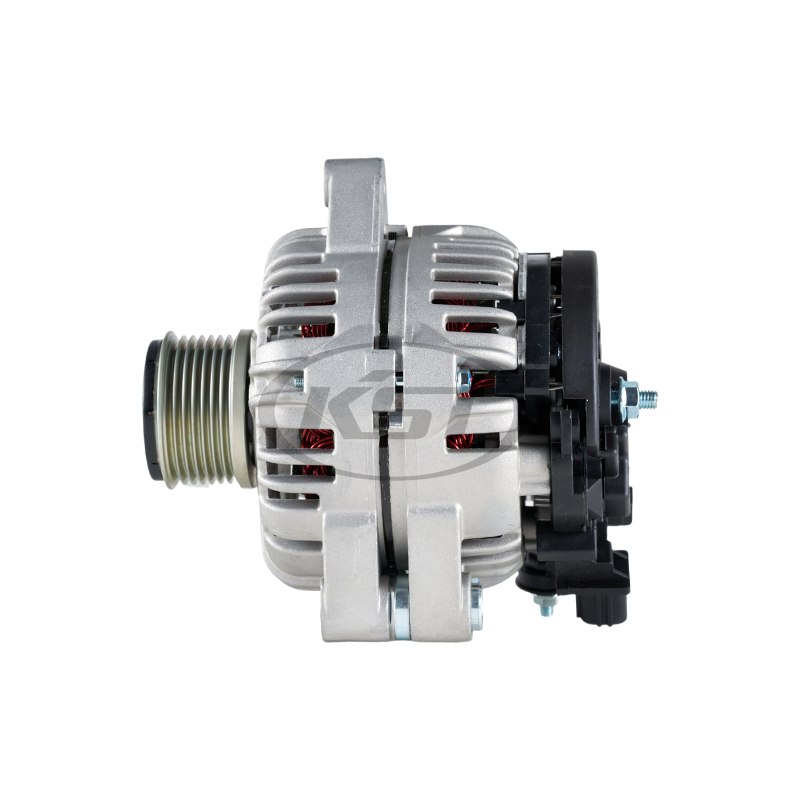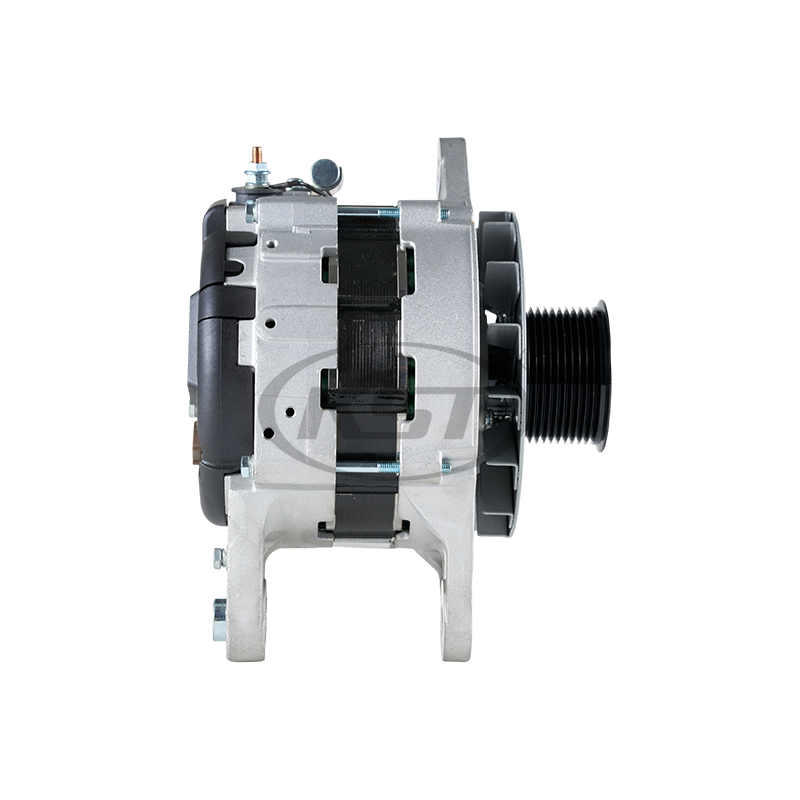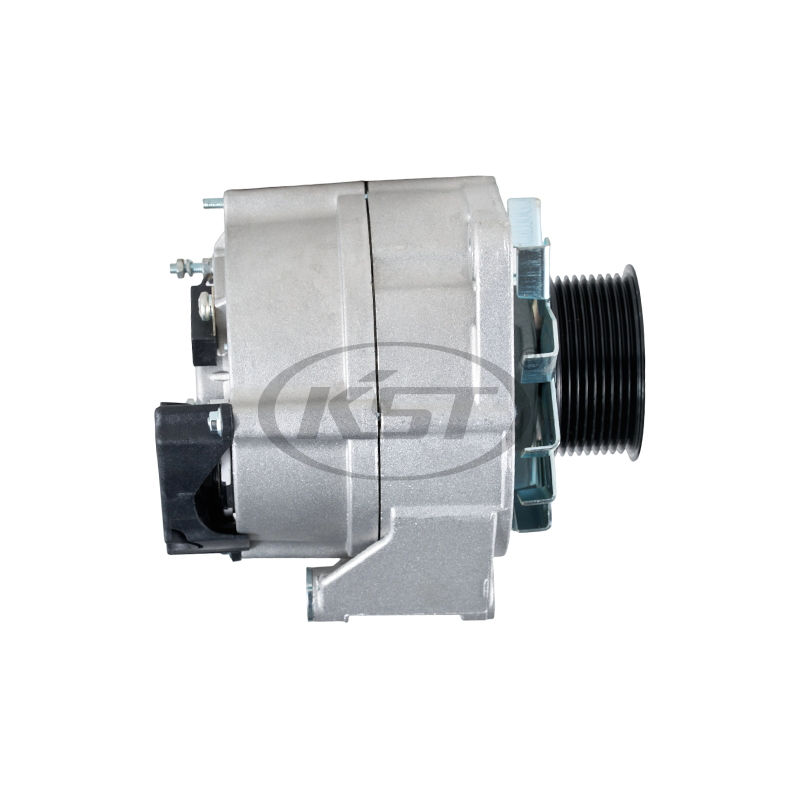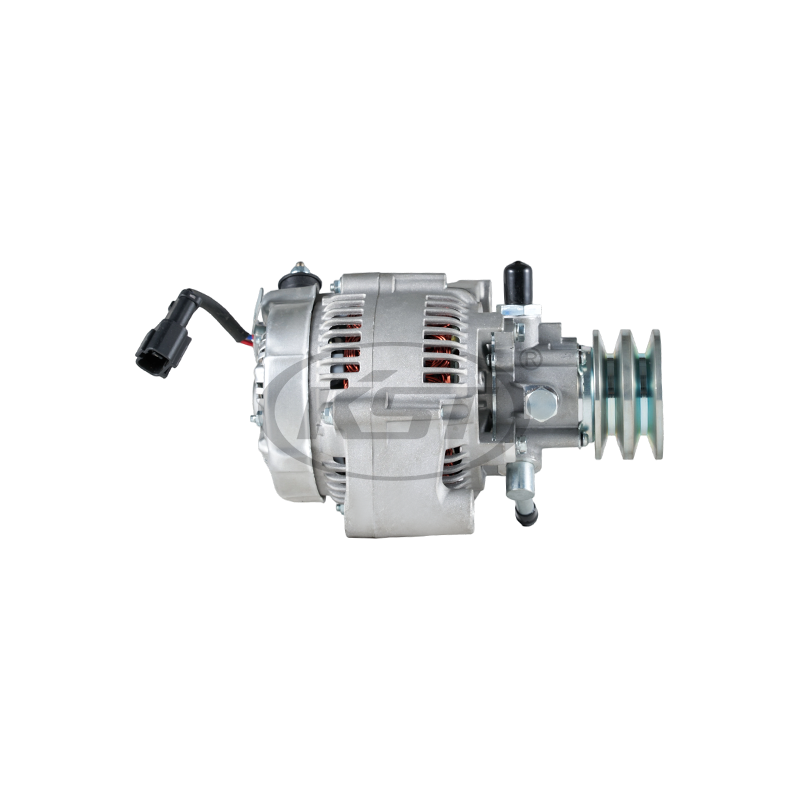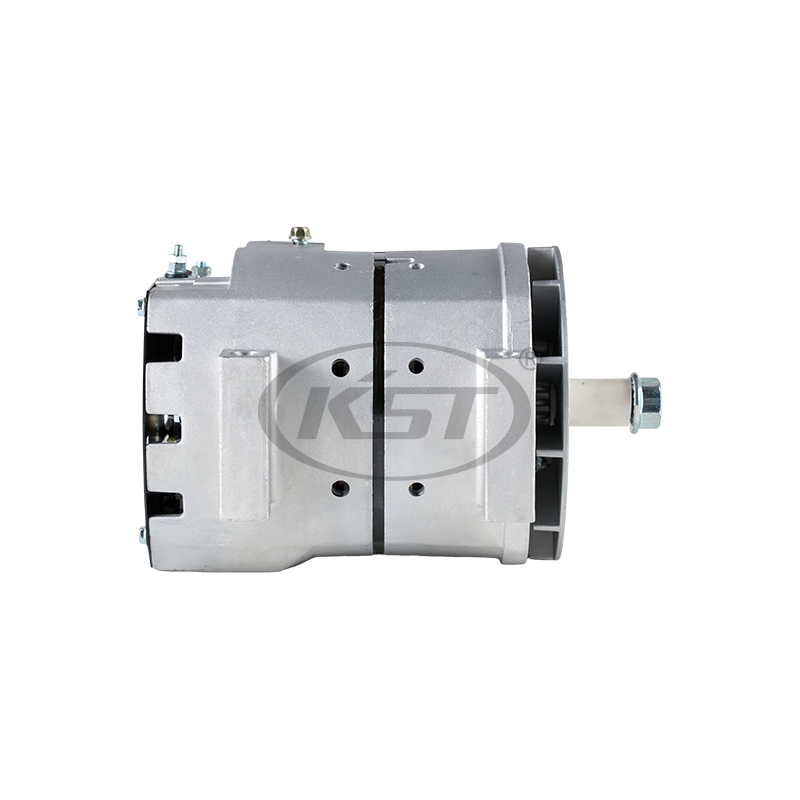
In many working machines and mobile power systems, electrical output does not stay fixed during operation. A 24 volt 60 amp alternator often runs while surrounding conditions keep changing in real time. Temperature shift after long running hours, airflow difference around installation space, and load changes from connected devices all slowly reshape how electrical output behaves.
In practical use, output fluctuation is not always a fault signal. In many cases it is a response to environment and mechanical condition. Understanding that relationship helps explain why the same alternator can feel stable in one setup and slightly uneven in another.
A 24 volt 60 amp alternator works through continuous rotation. Mechanical energy enters through a drive system, then gets converted into electrical energy that feeds batteries or equipment circuits. In real applications, this happens while machines are running, stopping, restarting, or carrying changing loads.
In daily operation environments such as vehicles, construction machines, or standby power units, electrical demand rarely stays constant. Lights turn on and off, control systems switch modes, auxiliary devices start and stop. Each change sends a small shift back to the alternator.
In real operation behavior, several points stand out:
In actual machines, these changes are not isolated. They overlap during normal working cycles.
| Real Condition | Output Behavior in Practice |
|---|---|
| stable driving speed | steady electrical output |
| repeated stop and start | fluctuating charging response |
| high accessory load | higher current demand on system |
| low load condition | reduced output pressure |
| long continuous run | gradual heat accumulation effect |

Temperature influence becomes more obvious after a machine runs for a long period. Inside a 24 volt 60 amp alternator, heat comes from two sources: mechanical friction and electrical resistance. Outside temperature adds another layer to that internal heat.
During long working cycles, especially in enclosed engine compartments or tightly packed equipment spaces, heat tends to stay around the alternator body. As temperature rises, internal electrical resistance shifts slightly, which affects current flow behavior.
In real field situations, a few patterns often appear:
Cold conditions behave differently. In lower temperature environments, internal lubrication becomes slightly less responsive at startup, and electrical response may feel delayed until the system reaches stable working temperature.
Temperature influence is gradual rather than sudden. Operators often notice it during longer working sessions rather than at the moment of start.
Air movement around the alternator body plays a direct role in keeping temperature under control. A 24 volt 60 amp alternator that operates in open airflow conditions behaves differently compared to one installed in a tight or blocked space.
In real equipment layouts, alternators are often placed near engines, frames, or protective covers. These structures can either support airflow or restrict it depending on design and surrounding parts.
When airflow is stable, heat leaves the housing more easily. When airflow is blocked, heat stays longer inside the system and slowly builds up during continuous use.
Practical airflow effects often include:
In field observation, temperature difference caused by airflow often shows up after extended operation rather than short cycles.
| Environmental Factor | Real-World Effect On 24 Volt 60 Amp Alternator |
|---|---|
| high surrounding temperature | slower heat release and gradual output shift |
| low surrounding temperature | delayed internal stabilization during startup |
| strong airflow | smoother thermal balance during load changes |
| restricted airflow | heat buildup under continuous operation |
| humid environment | long-term insulation stress and surface change |
Humidity does not always show immediate impact on electrical output, yet over time it influences how internal surfaces behave. In a 24 volt 60 amp alternator, moisture in the air may interact with metal surfaces and insulation layers during repeated temperature cycles.
A common real-life situation happens when machines operate during the day and cool down at night. Moist air can condense slightly on cooler surfaces. Over time, this repeated cycle may influence electrical consistency.
In practical observation:
These effects are slow and often appear only after long-term use in the same environment.
In actual equipment use, a 24 volt 60 amp alternator rarely works under a fixed load. Electrical demand keeps shifting depending on what the machine is doing at that moment. Lights may switch on, control modules activate, cooling fans start or stop, and all these changes reflect back into alternator behavior almost immediately.
What matters in real working conditions is not only the total load, but how fast the load changes. A steady load allows output to settle into a stable pattern. Sudden load changes create short adjustment periods where voltage and current shift until balance returns.
In practical situations, several patterns often appear:
When load shifts repeatedly, alternator response also becomes less uniform. It does not mean failure, more like continuous adjustment to changing demand inside the system.
Where a 24 volt 60 amp alternator is installed often shapes how stable it feels during long use. In real machines, installation space is rarely ideal or open. It is usually surrounded by engine blocks, metal frames, protective covers, and other heat-generating parts.
When space is tight, heat does not escape easily. Air around the alternator becomes warmer, and that slowly changes internal temperature balance during long operation. In more open layouts, airflow helps carry heat away, keeping output behavior closer to steady range.
Practical installation factors include:
Electrical connections form the path between alternator output and the rest of the system. In a 24 volt 60 amp alternator, even small resistance changes at connection points can influence how stable output feels during operation.
Heat plays a major role here. As temperature increases, resistance in connection points may slowly rise. Over time, repeated heating and cooling cycles can loosen contact slightly or affect insulation condition.
In real applications, common connection-related behaviors include:
| Connection Condition | Real Output Effect |
|---|---|
| tight and clean joints | stable current transfer |
| loose contact points | irregular voltage fluctuation |
| heat-stressed terminals | slow resistance increase |
| oxidized surfaces | reduced conductivity over time |
| well-protected wiring | more stable long-term behavior |
In many working machines, connection quality becomes more noticeable after extended use rather than at installation stage.
Long-term stability of a 24 volt 60 amp alternator often depends less on sudden inspection and more on small maintenance habits repeated over time. Dust buildup, airflow blockage, and unnoticed vibration changes slowly influence output behavior.
Cleaning around the alternator housing helps keep airflow consistent. Checking wiring tightness reduces hidden resistance growth. Monitoring temperature patterns during operation gives early signs of cooling problems.
In practical maintenance routines:
In real working environments, maintenance is not a single event. It is a repeated condition that quietly supports stable output over long cycles.
Modern machines often combine multiple electrical loads running at the same time. A 24 volt 60 amp alternator is expected to support this mixed demand while operating under changing temperature and space conditions.
Instead of running in a simple fixed pattern, output behavior adapts continuously. When load increases, current rises. When temperature builds up, internal resistance adjusts slightly. When airflow improves, cooling stabilizes and output becomes smoother again.
In practical use trends:
Real working systems do not stay in one condition. They move through different states during a single operation cycle, and alternator behavior follows that movement.
Your email address will not be published. Required field are marked*
Get in Touch
 Heavy Duty Vehicle Motor Factory


 en
en  English
 عربى
عربى فارسی
فارسی