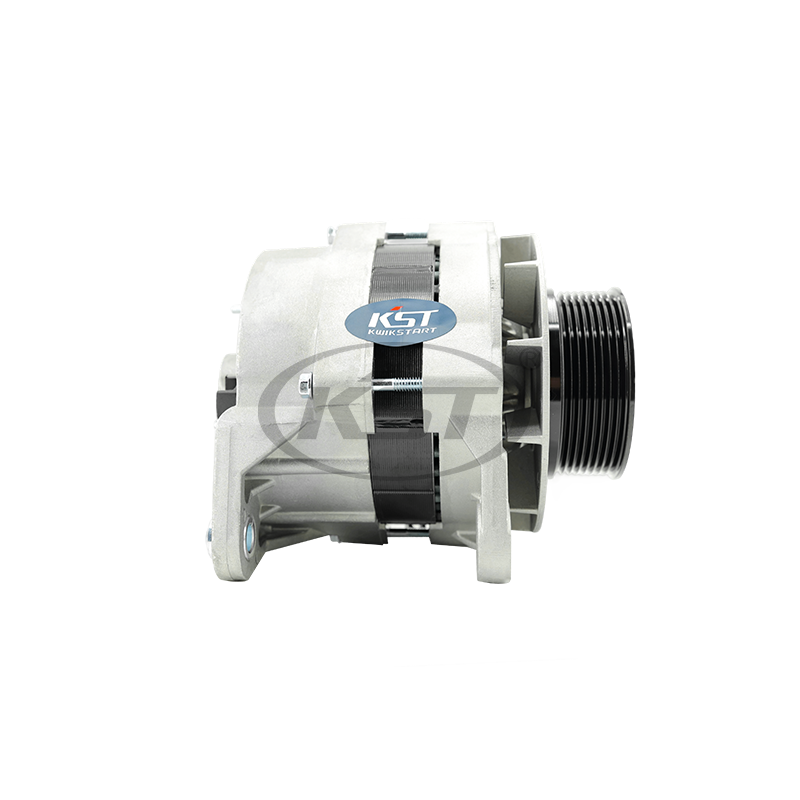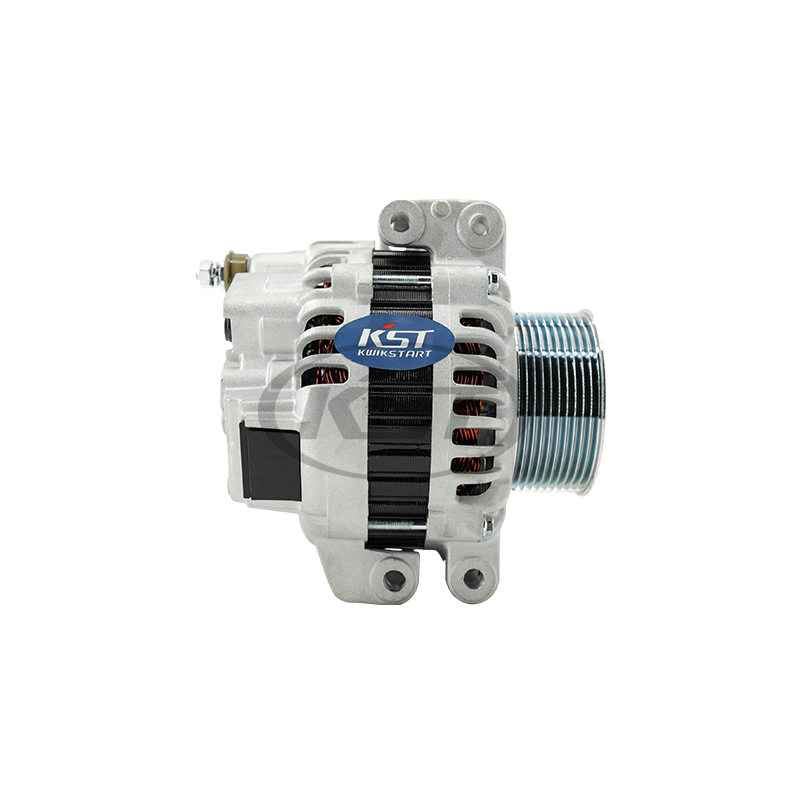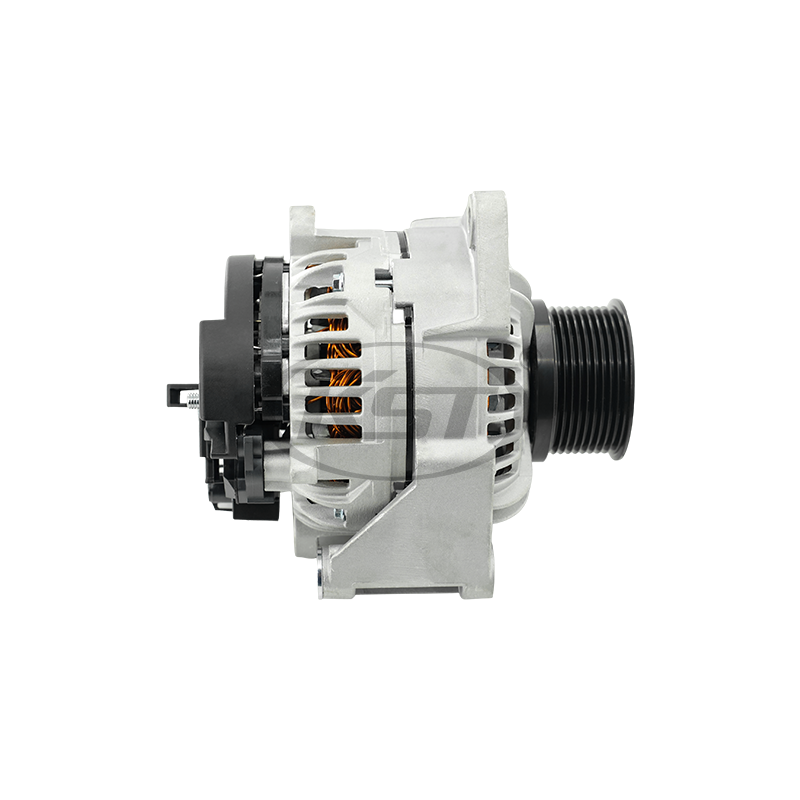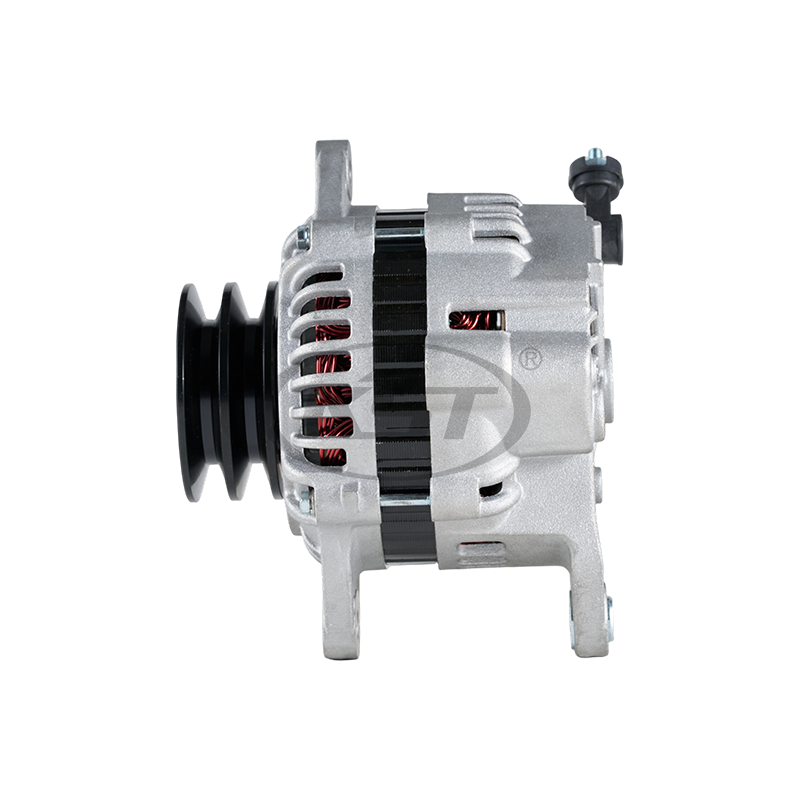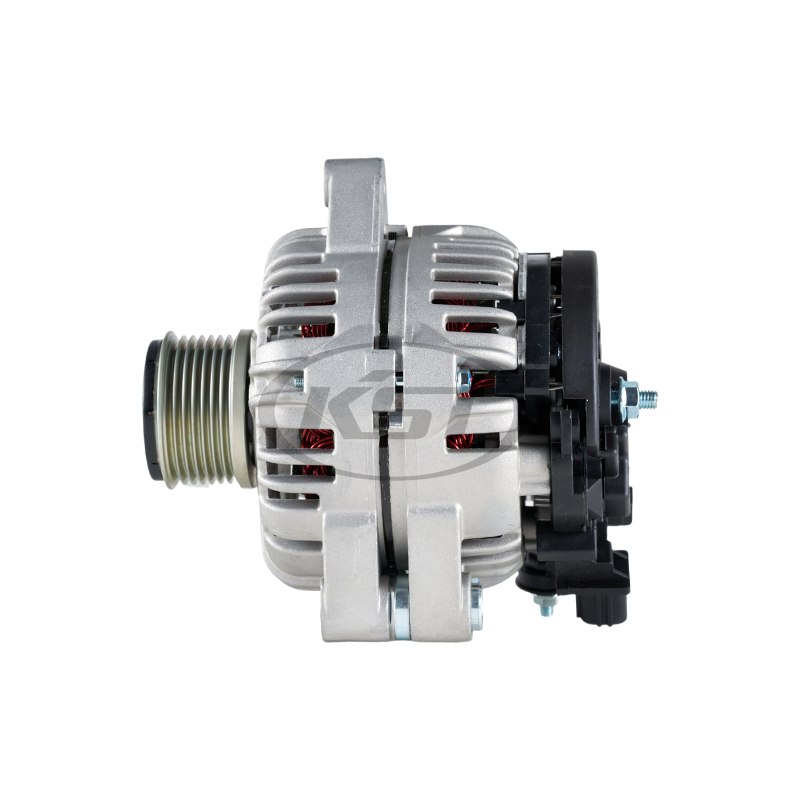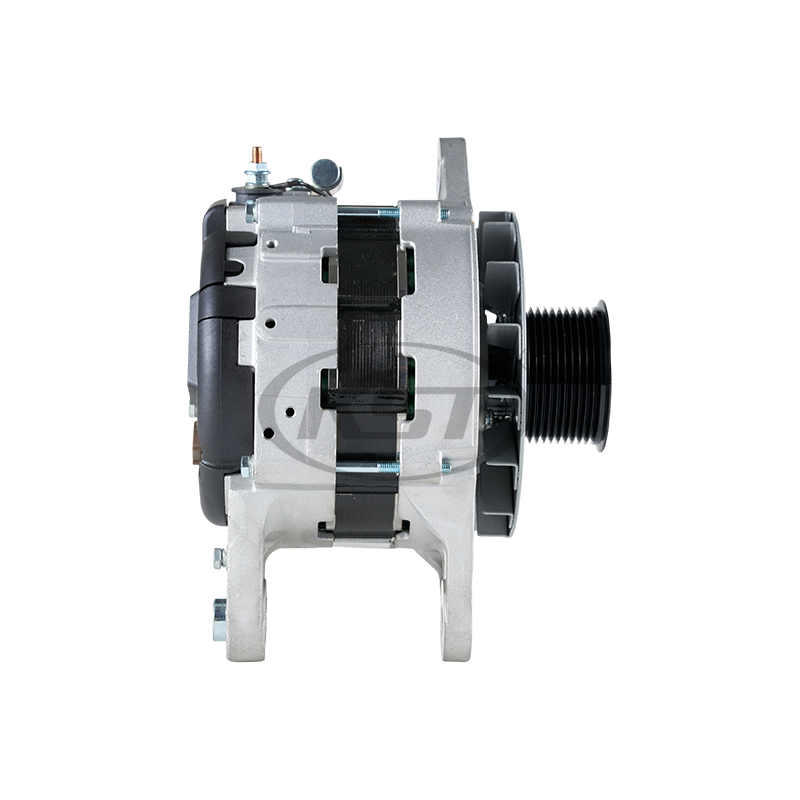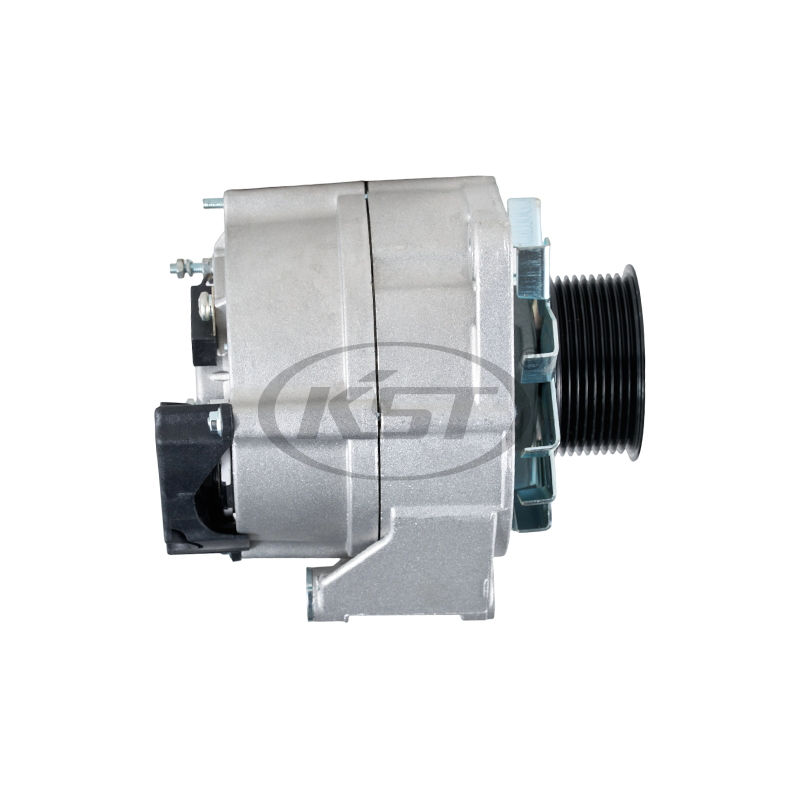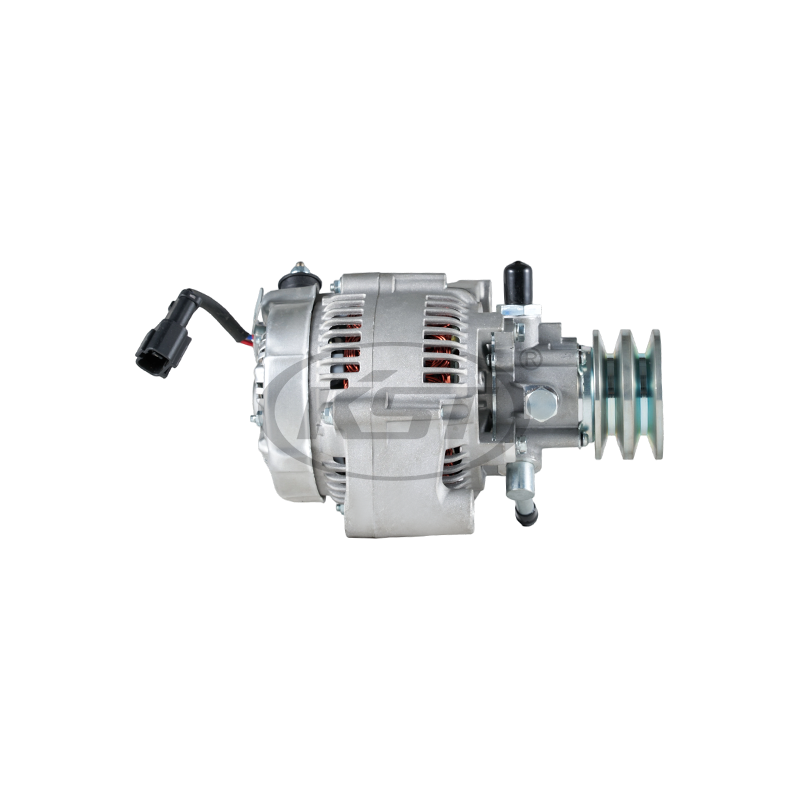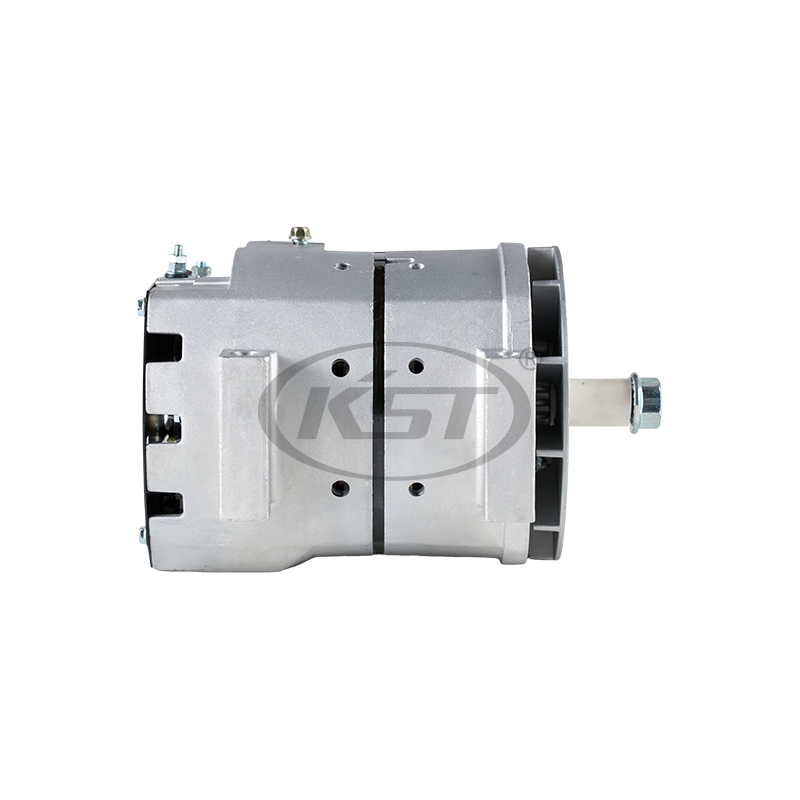
Vehicle electrical systems rely on a steady flow of power while the engine keeps running. A 24 volt 60 amp alternator sits inside that flow as a device that turns engine movement into electrical energy for onboard use. It does not work in isolation. It supports a wider network where multiple electrical loads share the same source.
In real operation, electrical demand never stays fixed. At one moment only a few systems draw power, at another moment several devices may run together. Lighting, control units, communication parts, and auxiliary equipment all add pressure to the system. When demand shifts like this, stability becomes more important than raw output strength.
A 24 volt structure is often used in environments where several devices operate in parallel. Instead of feeding a single unit, the system distributes energy across a group of components. That kind of layout needs a generator that can keep output behavior steady while conditions keep changing.
Long duration driving adds another layer. Engine speed rises and falls depending on movement. Electrical demand also changes depending on usage. A stable charging source helps reduce the gap between those changes so the rest of the system does not feel sudden fluctuations.
The working process starts with rotation. Engine power drives an internal rotor, and that movement creates a magnetic field inside the alternator. As the field interacts with surrounding windings, electrical energy begins to form.
That energy does not go straight into the system. It passes through internal steps that adjust and stabilize the flow. First comes conversion, where alternating current is shaped into a usable form. Then comes regulation, where voltage is kept within a controlled range even when engine speed changes.
Electrical load inside a vehicle is rarely constant. Sometimes several systems operate together, sometimes only a few are active. The alternator reacts to that shifting demand by adjusting output level in real time.
Battery storage also works closely with this process. When output is higher than demand, energy is stored. When demand rises suddenly, stored energy helps fill the gap. In practice, generation and storage behave like two parts of the same loop.
| Step | What Happens | System Effect |
|---|---|---|
| Rotation | Engine drives internal movement | Starts energy creation |
| Magnetic induction | Electrical current appears | Raw output is formed |
| Conversion | Current is shaped for use | Flow becomes usable |
| Regulation | Voltage is controlled | Output stays steady |
| Distribution | Power spreads to systems | Devices receive energy |
Systems that rely on multiple electrical loads often use this kind of setup. Instead of powering one device, the generator becomes part of a shared network where many components work together at the same time.
Transport vehicles with several onboard systems are a common example. Lighting, control modules, monitoring tools, and auxiliary devices may all operate together. A shared power source helps keep their behavior aligned instead of separated.
Industrial vehicle platforms also use similar structures. Long operation periods and steady workload create continuous electrical demand. In that environment, stability becomes more useful than short bursts of high output.
Auxiliary systems add another layer. Extra equipment installed for support functions still needs consistent energy input. When power delivery remains stable, these added systems do not interfere with core operations.
In multi-device environments, load changes are normal. Some components run continuously, while others activate only at certain moments. The electrical system must handle those changes without causing imbalance across the network.
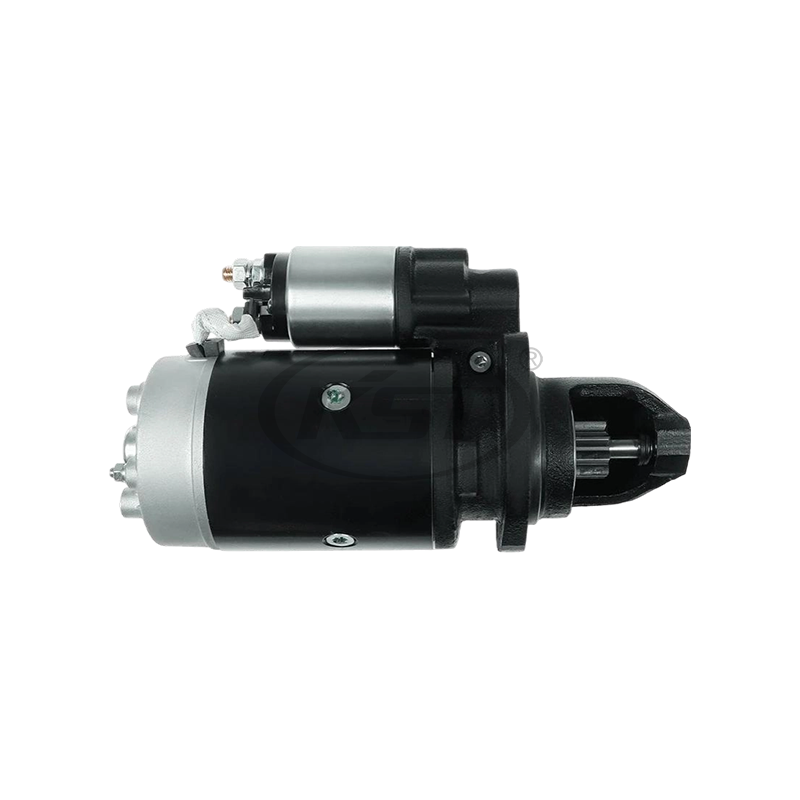
Long term electrical stability in a vehicle depends on how smoothly energy is produced and shared during continuous operation. A 24 volt 60 amp alternator supports that condition by keeping output behavior relatively steady even when driving conditions and electrical demand keep changing in the background.
Heat build-up is one of the natural conditions during long use. Inside the alternator, energy conversion is never completely cold. Friction and electrical generation both contribute to temperature rise. When that heat spreads in a controlled way, internal parts tend to keep more stable performance. When heat becomes uneven, small changes in output may appear during longer operation periods.
Load variation also has a quiet influence. In real driving situations, electrical demand does not stay fixed for long. At one moment only a few systems are active, and later several devices may run together. The alternator reacts to these shifts continuously. Instead of holding one fixed output level, it adjusts in a flexible range so the system does not experience sudden electrical imbalance.
Mechanical stability is another layer that often gets less attention. Inside the unit, rotation happens constantly as long as the engine is running. When that rotation stays balanced, energy production remains smoother. If movement becomes slightly uneven over time, output consistency may slowly drift, especially during long working cycles.
All of these elements—heat behavior, load changes, and mechanical movement—work together. None of them acts alone. Long term stability is more like a steady balance that is maintained across many small conditions rather than a single fixed feature.
The internal design of a 24 volt 60 amp alternator has a direct influence on how long it can maintain stable operation. One of the core elements is the coil arrangement. The way copper windings are structured affects how efficiently magnetic energy is converted into electrical output. A stable coil layout helps reduce irregular fluctuations during continuous use.
Rotor and stator alignment is another important factor. These components form the core magnetic interaction system. When alignment remains consistent, energy transfer between moving and stationary parts stays smoother. Even small misalignment over time may affect output stability during long operation periods.
Cooling behavior also plays a major role. Since the alternator runs continuously while the engine is active, internal temperature naturally increases. A design that allows airflow or internal heat dispersion helps maintain a more balanced working condition. When heat is controlled, other components tend to perform more consistently as well.
Wear resistance is another long term consideration. Internal contact surfaces experience constant movement and friction. Over time, that natural contact can help to gradual surface change. Durable material selection helps slow that process, keeping mechanical movement closer to its original smoothness for a longer period.
A vehicle electrical system works as a connected network rather than separate parts, and the alternator sits in the center of that network. A 24 volt 60 amp alternator connects directly with energy storage units, regulation elements, and multiple electrical loads.
The battery is one of the main partners in this system. It stores energy when output is higher than immediate demand and releases energy when demand rises suddenly. This creates a shared working cycle where generation and storage support each other in both directions.
Voltage regulation units also play a stabilizing role. They help shape output into a controlled level so connected systems receive a steady electrical supply. Without this layer, voltage variation would be more noticeable during speed changes or load shifts.
Inside the vehicle, power distribution spreads energy across multiple systems. Lighting, control modules, monitoring devices, and auxiliary equipment may all operate at the same time. The alternator supports this distribution by maintaining a steady base level of supply so no single component destabilizes the network.
Load sharing naturally happens within the system. When several devices operate together, demand increases. The alternator responds by adjusting output while the battery helps balance short-term peaks. This shared response keeps the overall system closer to equilibrium during operation.
Long term use always introduces gradual stress on electrical and mechanical systems. In the case of a 24 volt 60 amp alternator, several factors slowly influence performance over time.
Vibration from engine movement is one of the constant conditions. Even when not visible, small continuous shaking can affect internal alignment after long periods. This may not create immediate problems, but over time it can influence how smoothly components interact.
Temperature variation is another ongoing factor. The alternator does not operate in a fixed environment. Engine heat, airflow changes, and surrounding conditions all affect internal temperature. Managing that variation is important for keeping performance stable across different driving situations.
Electrical load shifts also play a role. Some periods require higher output, especially when multiple systems run together. Other times demand is lower. Repeated changes between these states create continuous adjustment cycles inside the alternator, which adds long term operational pressure.
Mechanical wear is unavoidable during extended use. Rotating parts gradually experience friction, and even with stable design, surface change happens slowly over time. When wear becomes uneven, small differences in rotation smoothness may appear.
Despite these challenges, stable design and balanced operation help extend consistent performance. The overall behavior depends less on one factor and more on how all conditions are managed together during long service cycles.
Your email address will not be published. Required field are marked*
Get in Touch
 Heavy Duty Vehicle Motor Factory


 en
en  English
 عربى
عربى فارسی
فارسی