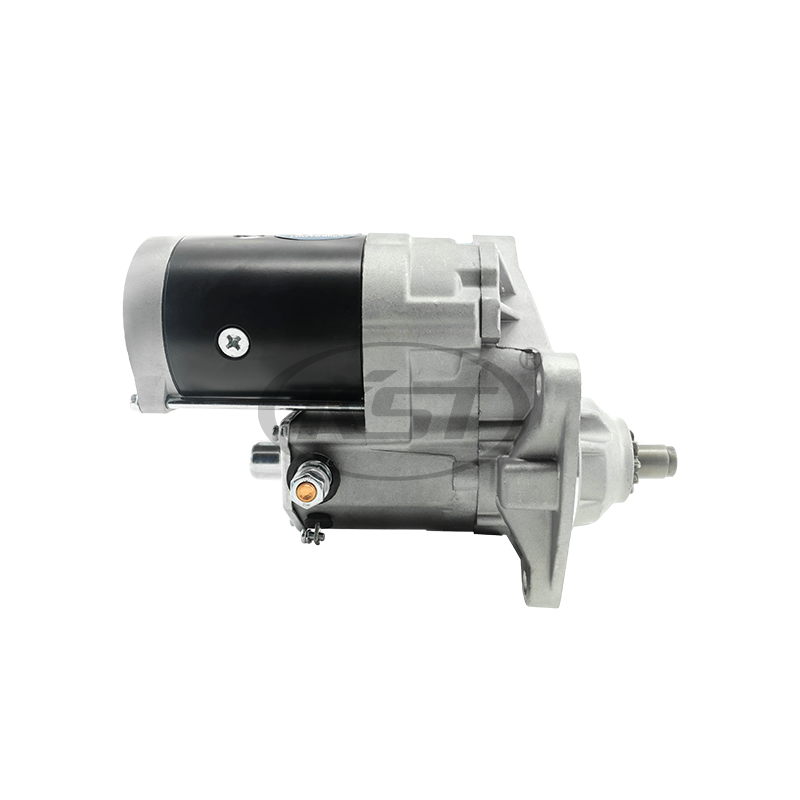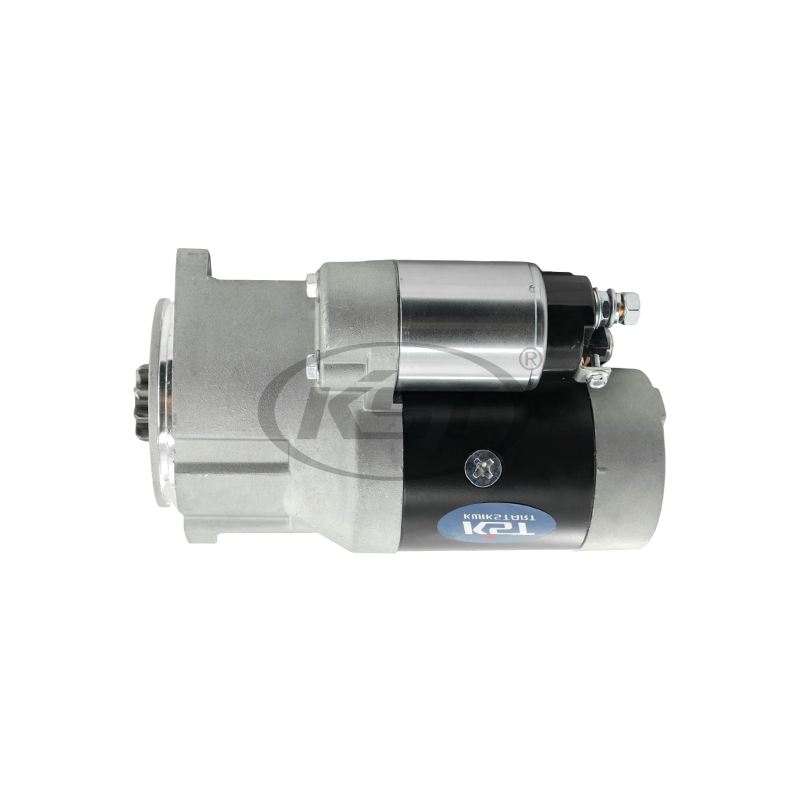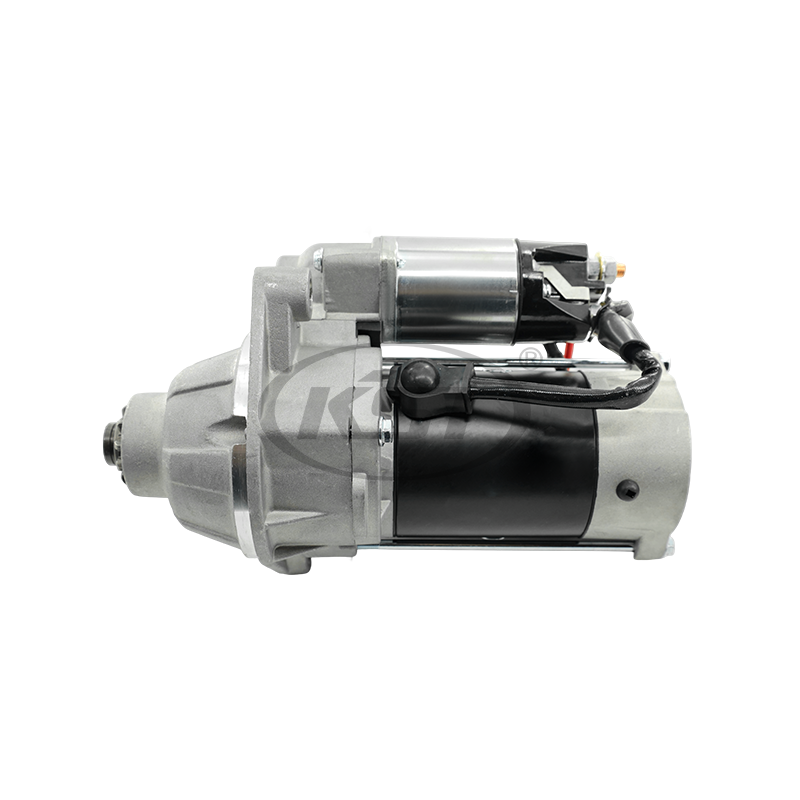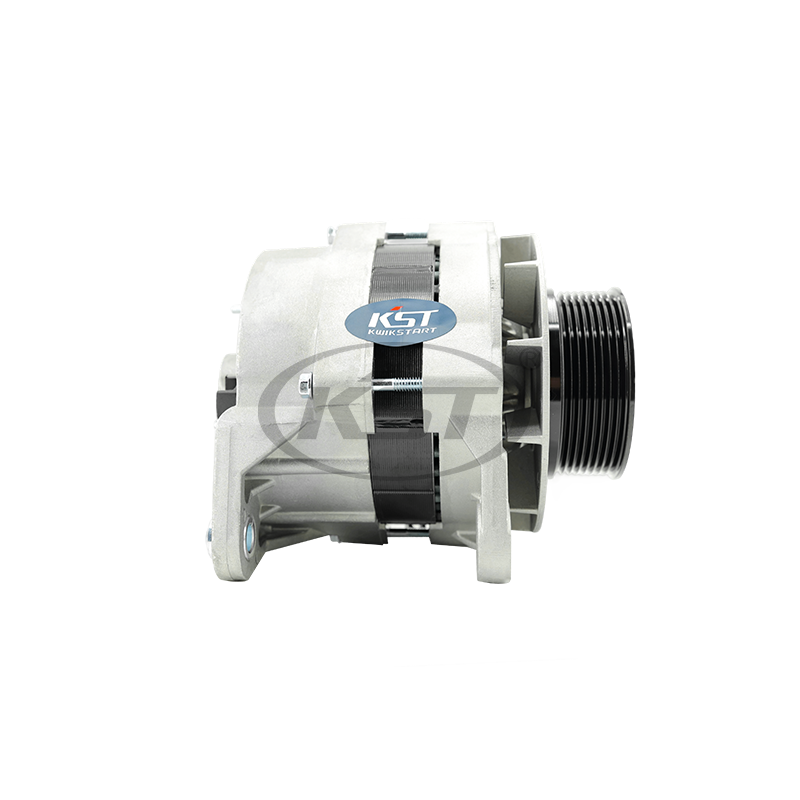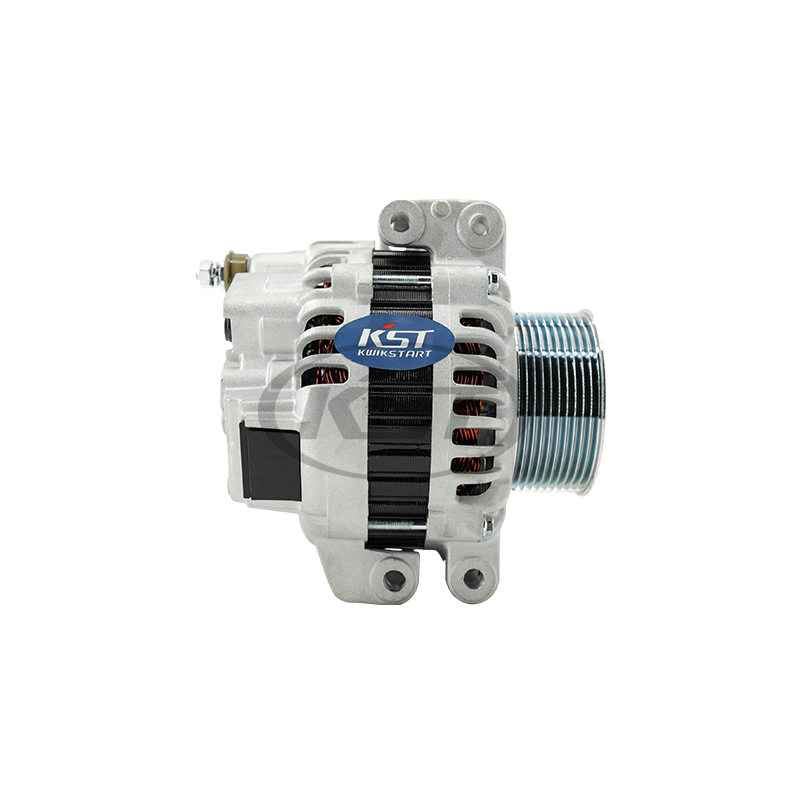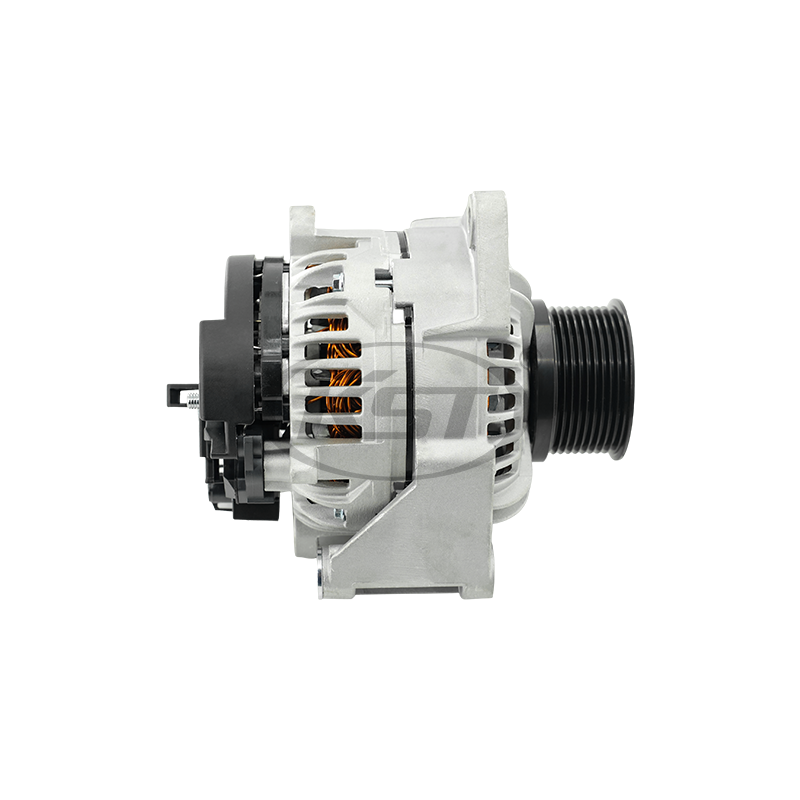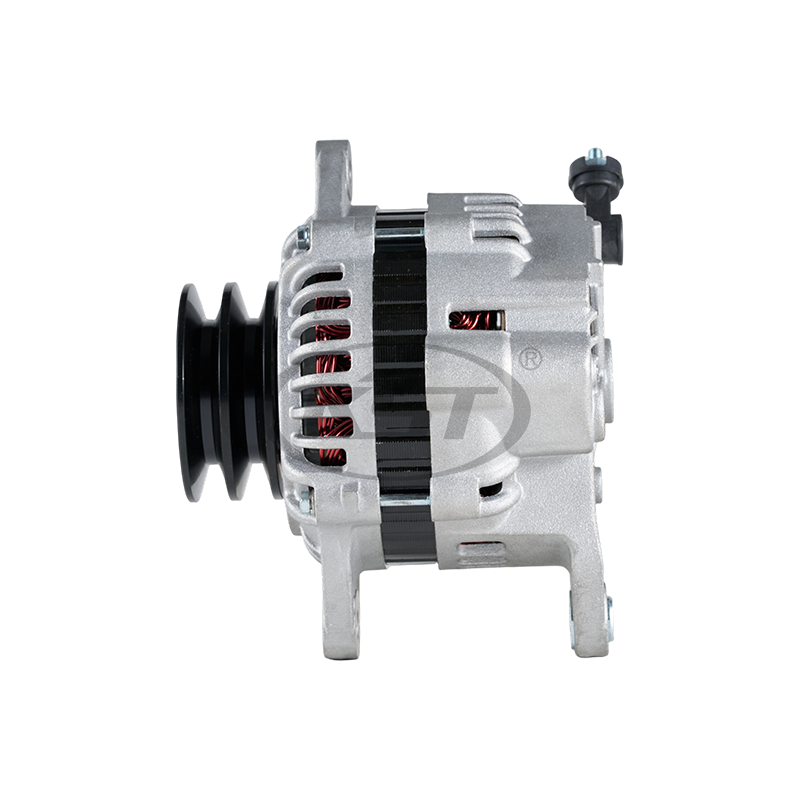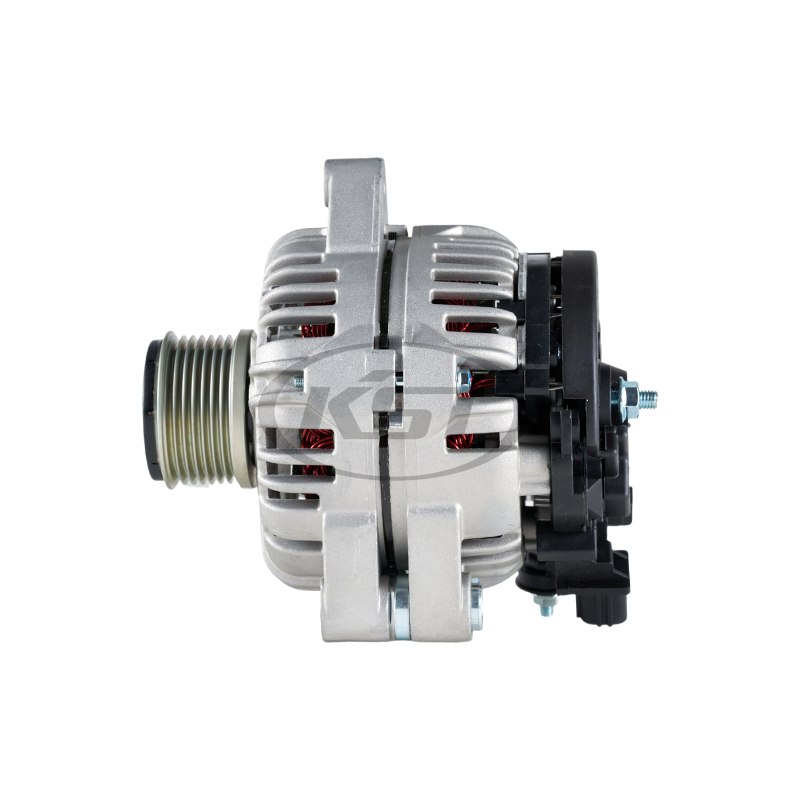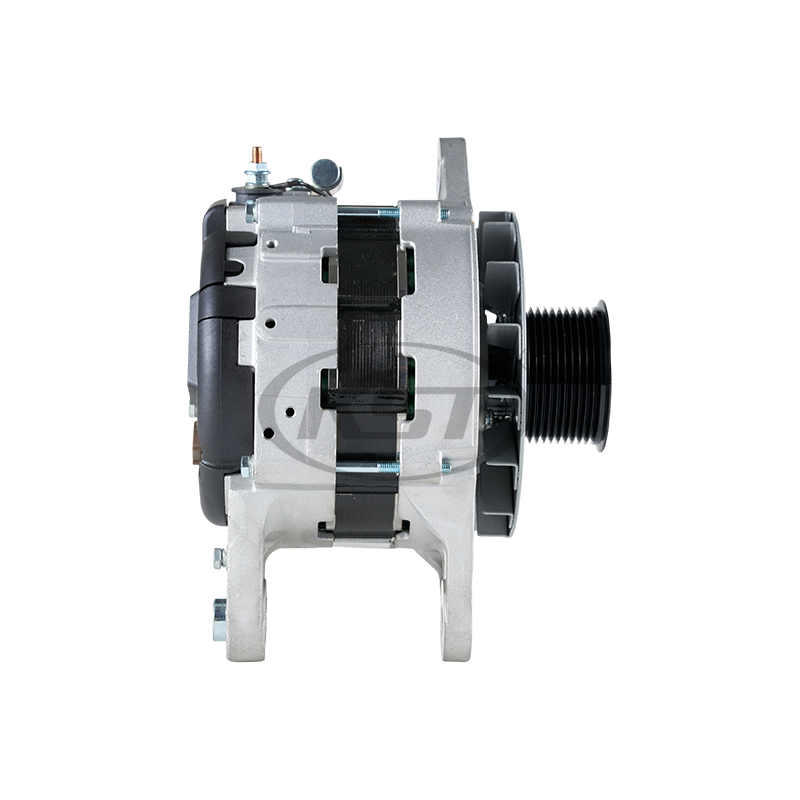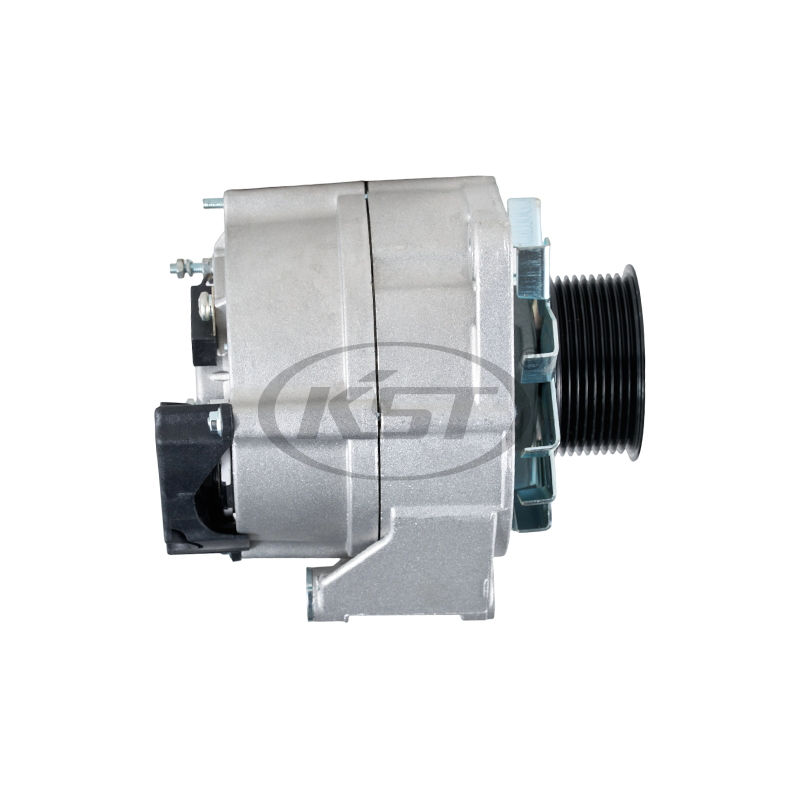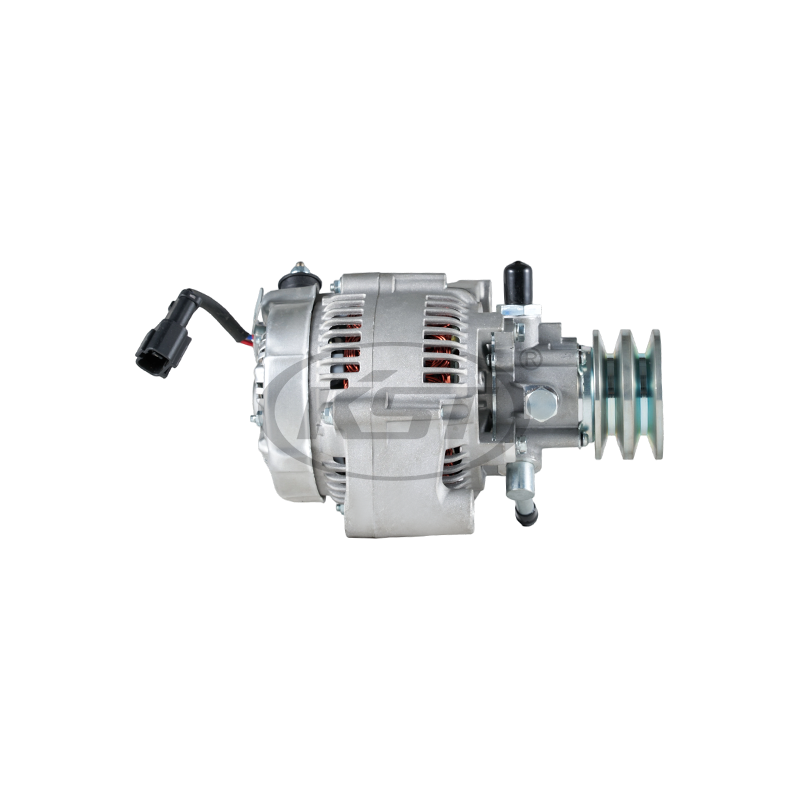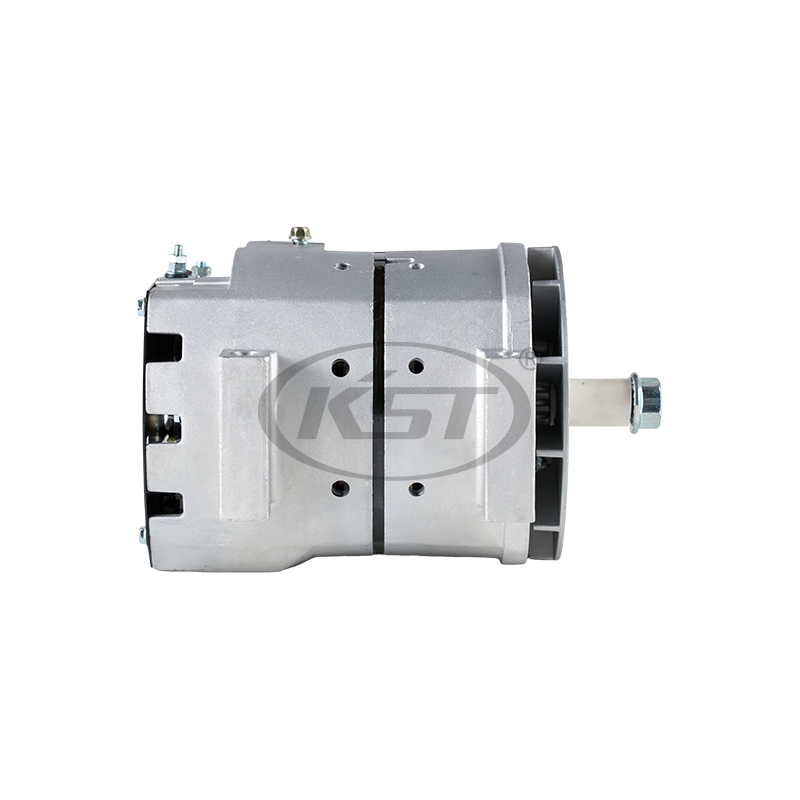
Understanding the differences between Heavy Duty Motors and standard motors is essential for selecting the right solution for industrial, construction, and heavy machinery applications. From a manufacturer's perspective, these differences go beyond simple size or power rating—they involve design, materials, construction, and intended operating environments. This guide explores these aspects in detail, focusing on Heavy Electric Motor, Heavy Duty Motor, and Construction Electric Motor applications.
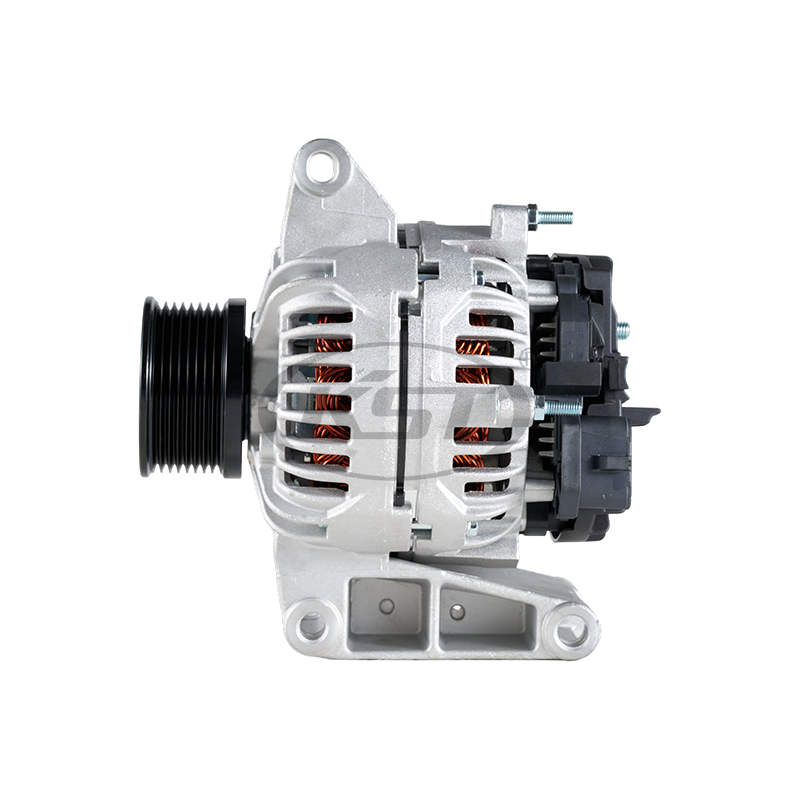
A Heavy Duty Motor is designed for continuous operation under high stress, demanding mechanical loads, and harsh environmental conditions. Unlike standard motors, which are often used for light or intermittent applications, heavy duty motors are built to endure conditions and extended operational cycles.
Key characteristics include:
Manufacturers design Heavy Electric Motor units specifically for industries such as mining, construction, steel production, and large-scale material handling, where reliability and longevity are critical.
A Construction Electric Motor is a type of Heavy Duty Motor optimized for construction machinery, including cranes, excavators, and concrete mixers. While standard motors may fail under vibration, dust, and temperature extremes, construction electric motors are engineered to handle:
The design of a Construction Electric Motor often incorporates reinforced rotor shafts, protective enclosures, and specialized bearings to ensure the motor maintains performance under demanding operating conditions.
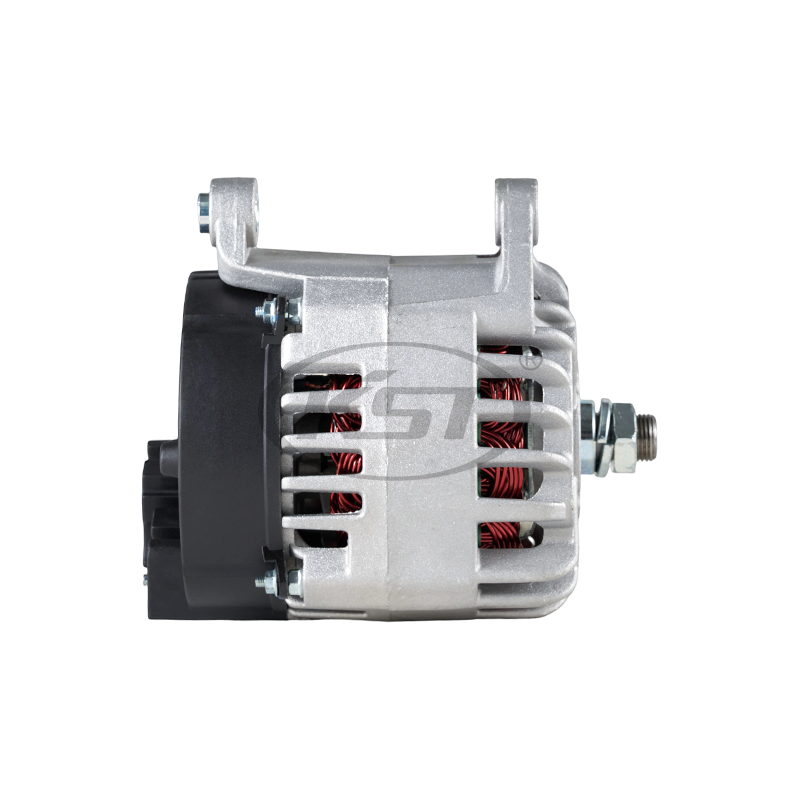
Mechanical design is a major differentiator. Manufacturers of Heavy Duty Motors emphasize components that extend service life and reduce maintenance. Differences include:
Heavy duty frames are thicker, made of reinforced steel or cast iron
Standard motor frames are lighter and less rigid
Heavy duty motors use bearings with higher load ratings
Standard motors are designed for moderate mechanical stress
Reinforced shafts and rotors prevent bending or fatigue under high torque
Standard motors may deform if overloaded
Fans, vents, or liquid cooling systems are optimized for continuous operation
Standard motors often rely on basic ventilation
These mechanical differences allow Heavy Electric Motors to operate reliably for thousands of hours in harsh conditions, while standard motors may require frequent maintenance or early replacement.
From a manufacturer's perspective, Heavy Duty Motors are also electrically distinct from standard motors:
Heavy duty motors use high-grade insulation materials to resist heat, dust, and moisture, protecting against winding failure. Standard motors may only support short-duration operation.
Heavy Electric Motor units are designed for higher voltage and current to handle demanding loads. Standard motors typically operate at lower ratings suitable for light-duty tasks.
Heavy duty motors provide higher starting torque, essential for moving heavy machinery or materials. Standard motors may struggle under sudden high-load starts.
Continuous duty (S1) motors, common in heavy duty applications, can operate indefinitely under full load. Standard motors are often rated for intermittent duty (S2 or S3).
Reliability is a key concern in industries relying on Heavy Electric Motors. From a manufacturer's perspective, these motors are built with:
For construction machinery, using a Construction Electric Motor instead of a standard motor reduces downtime and maintenance costs, improves efficiency, and ensures consistent operation even under workloads.
Maintenance requirements also differ significantly:
Require regular lubrication of high-load bearings
Periodic inspection of insulation and rotor windings
Scheduled replacement of components subject to wear
Less intensive lubrication schedules
May require complete replacement sooner under heavy use
Manufacturers often provide detailed maintenance guidelines for Heavy Electric Motor and Construction Electric Motor units to improve uptime and reduce unexpected failures.
Industries and scenarios where Heavy Duty Motors are essential include:
In contrast, standard motors are suitable for light machinery, HVAC systems, small pumps, and office equipment.
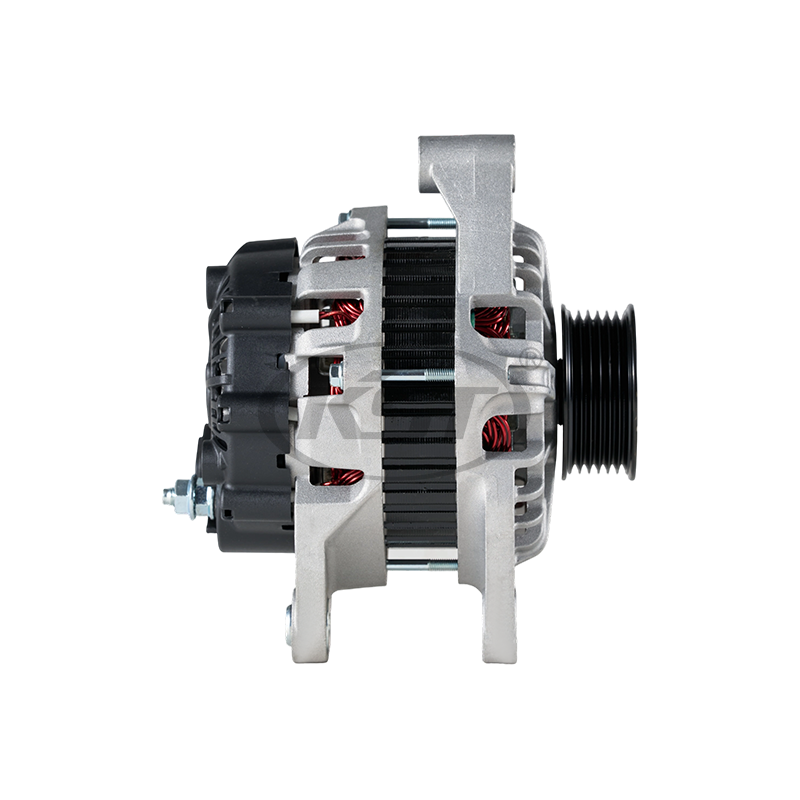
Environmental factors play a crucial role in selecting Heavy Duty Motors:
Standard motors may fail quickly under these harsh conditions, emphasizing the importance of selecting the correct Electric Motor Equipment for each application.
From a manufacturer's perspective, Heavy Duty Motors and Construction Electric Motors have higher upfront costs compared to standard motors. However, the total cost of ownership is often lower due to:
For industrial users, investing in a Heavy Electric Motor pays off over time, especially in critical operations.
Using the right motor also improves workplace safety:
A Construction Electric Motor designed by a reputable manufacturer minimizes risks to personnel and equipment alike.
Manufacturers are now focusing on improving Heavy Duty Motors with features like:
These innovations further distinguish Heavy Electric Motor and Construction Electric Motor offerings from standard alternatives.
From design and materials to performance, reliability, and maintenance, Heavy Duty Motors and Standard Motors serve very different purposes. A Heavy Electric Motor or Construction Electric Motor is engineered to operate under conditions, provide high torque, and withstand mechanical and electrical stresses. Standard motors are suitable for light applications but are not designed for heavy industrial or construction environments.
For manufacturers, the emphasis is on durability, efficiency, and reliability. Selecting the appropriate motor type ensures operational continuity, cost efficiency, and safety, especially in demanding industrial and construction applications.
Your email address will not be published. Required field are marked*
Get in Touch
 Heavy Duty Vehicle Motor Factory


 en
en  English
 عربى
عربى فارسی
فارسی