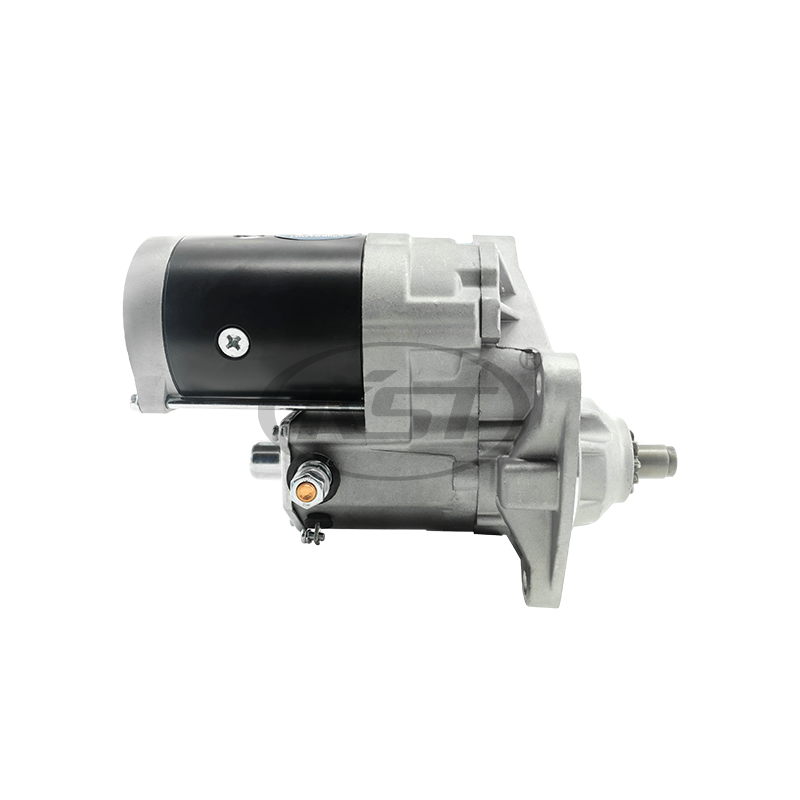
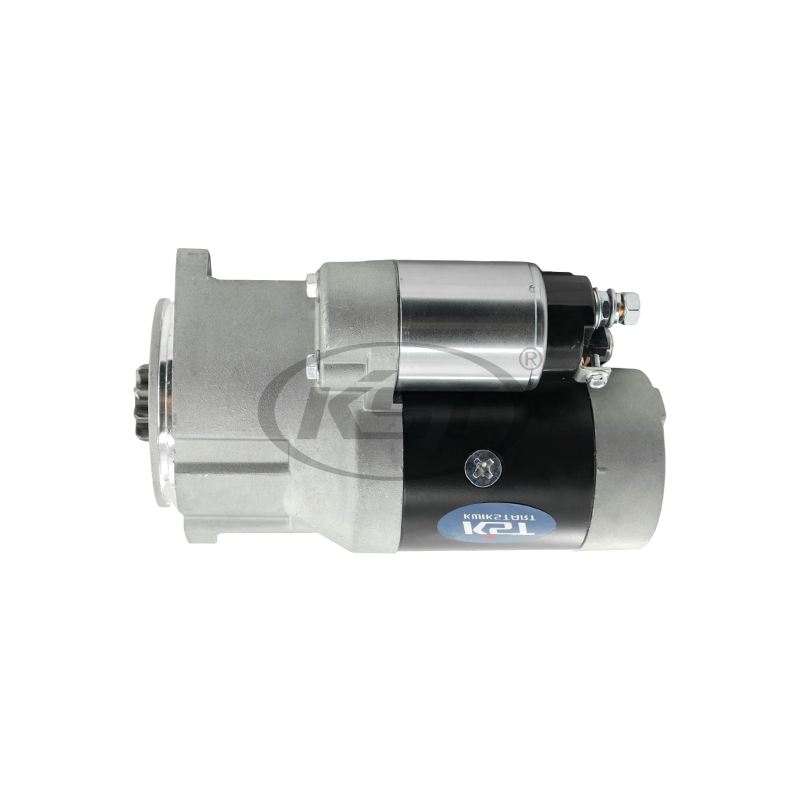
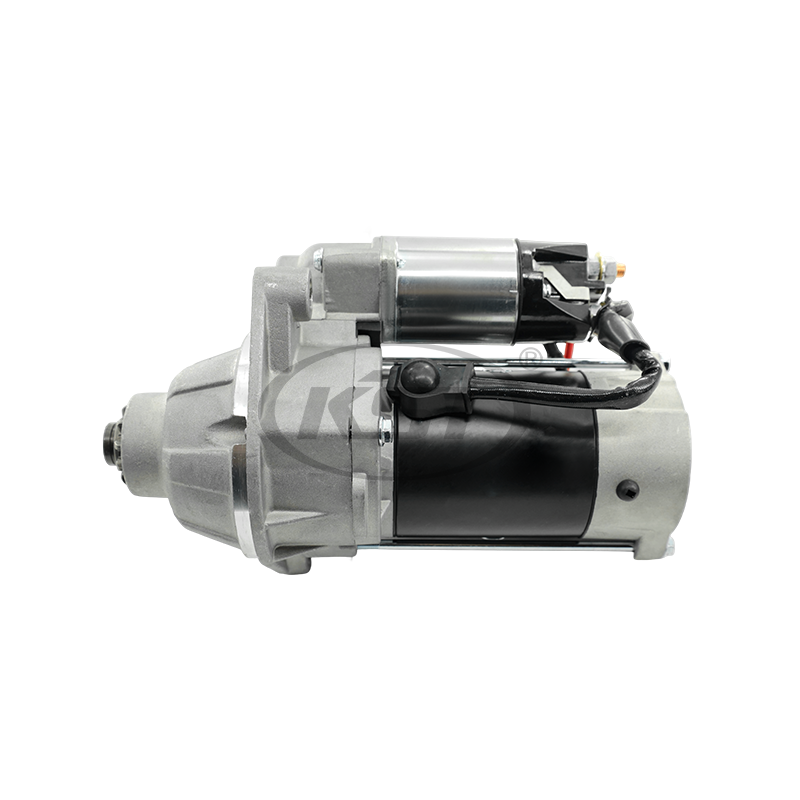
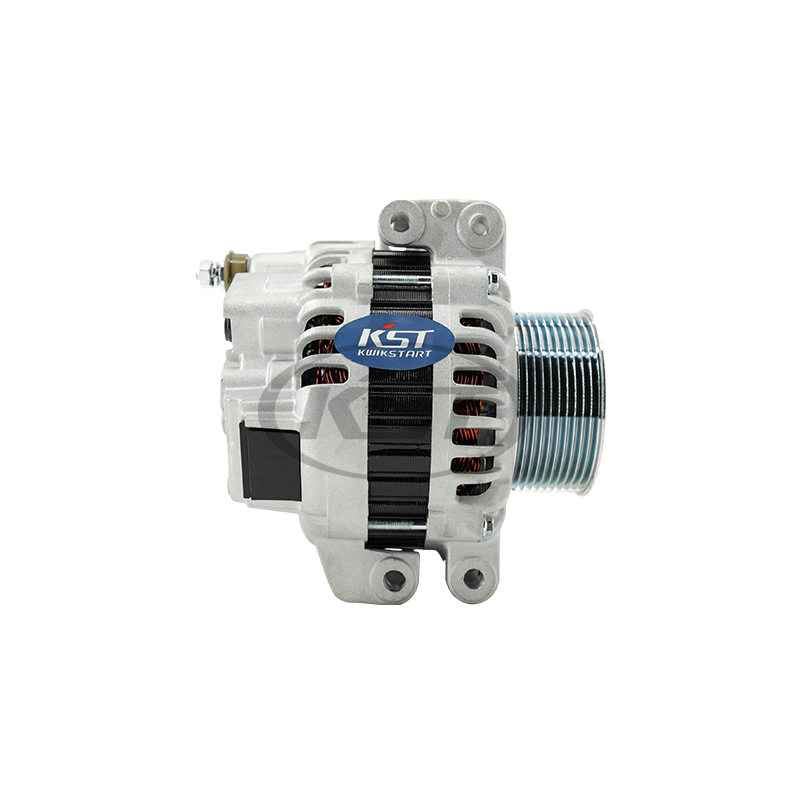
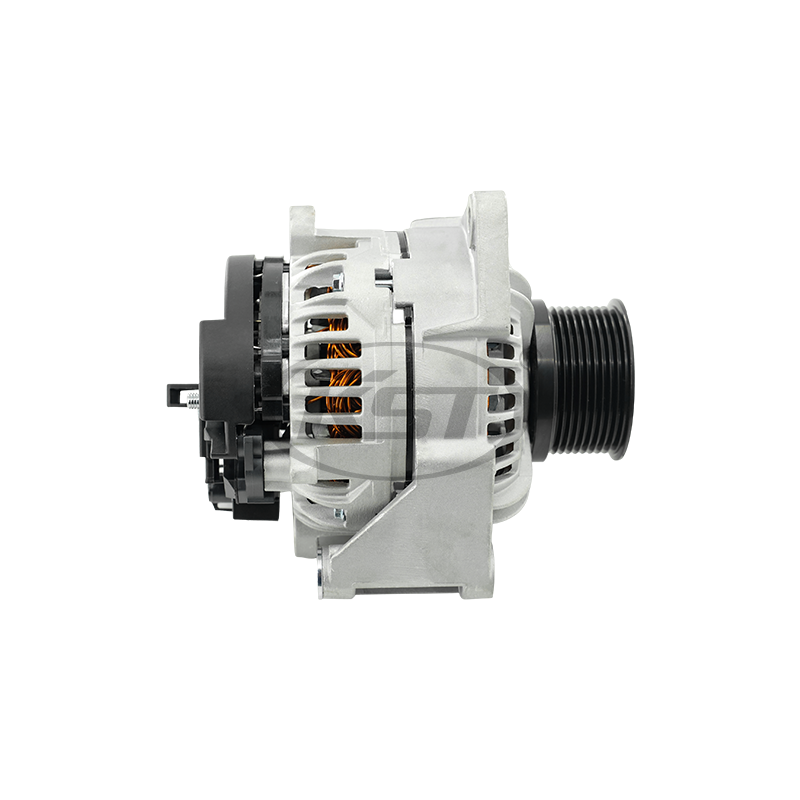
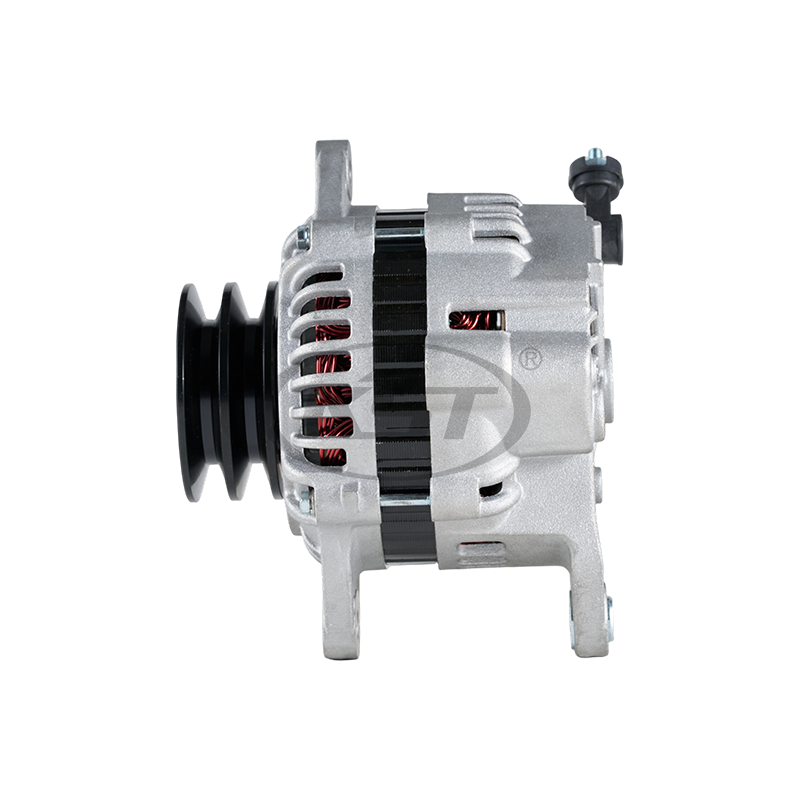
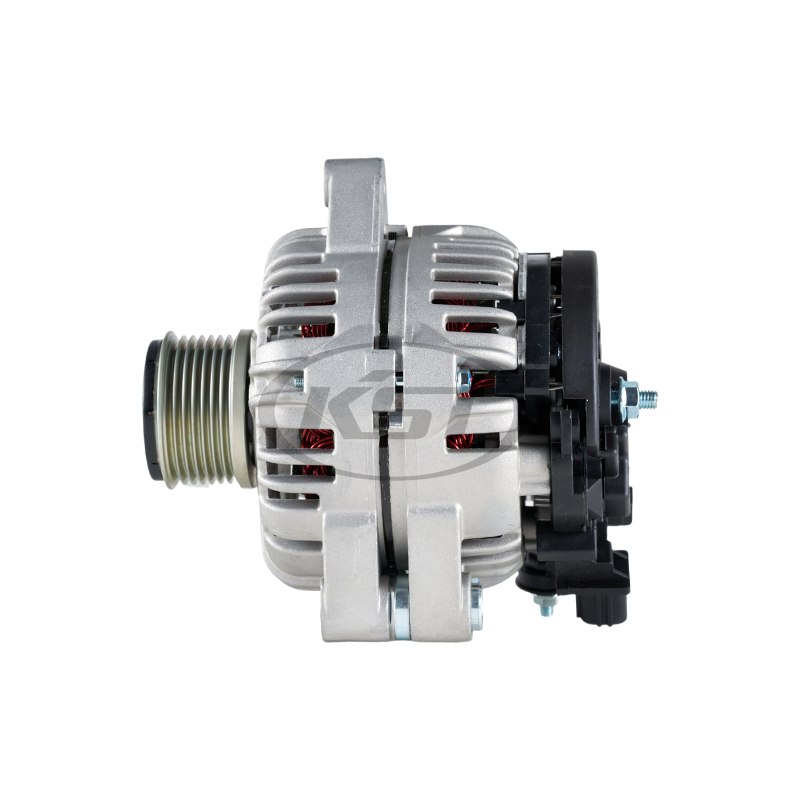
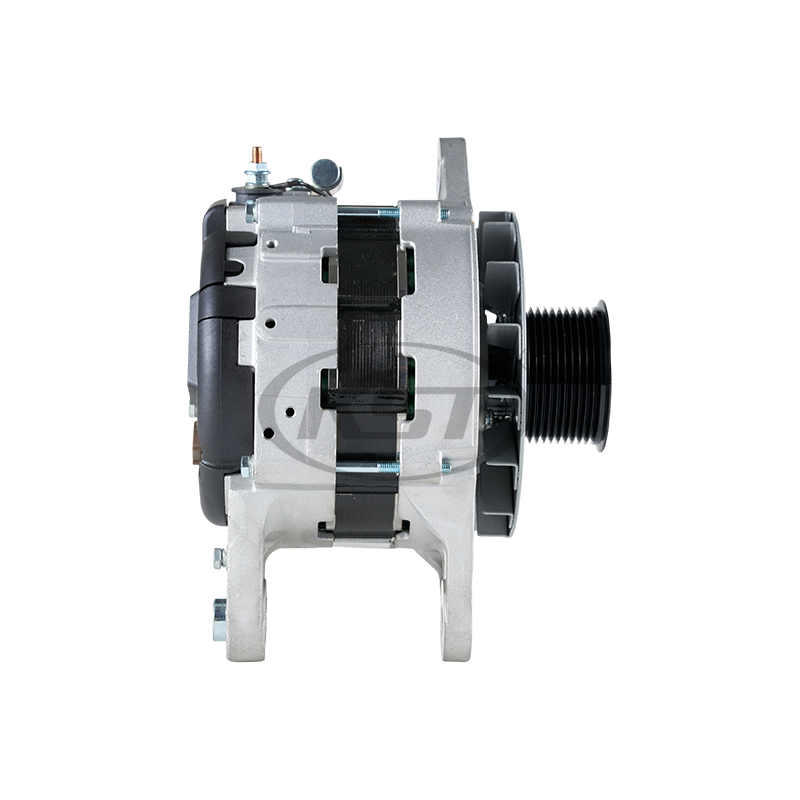
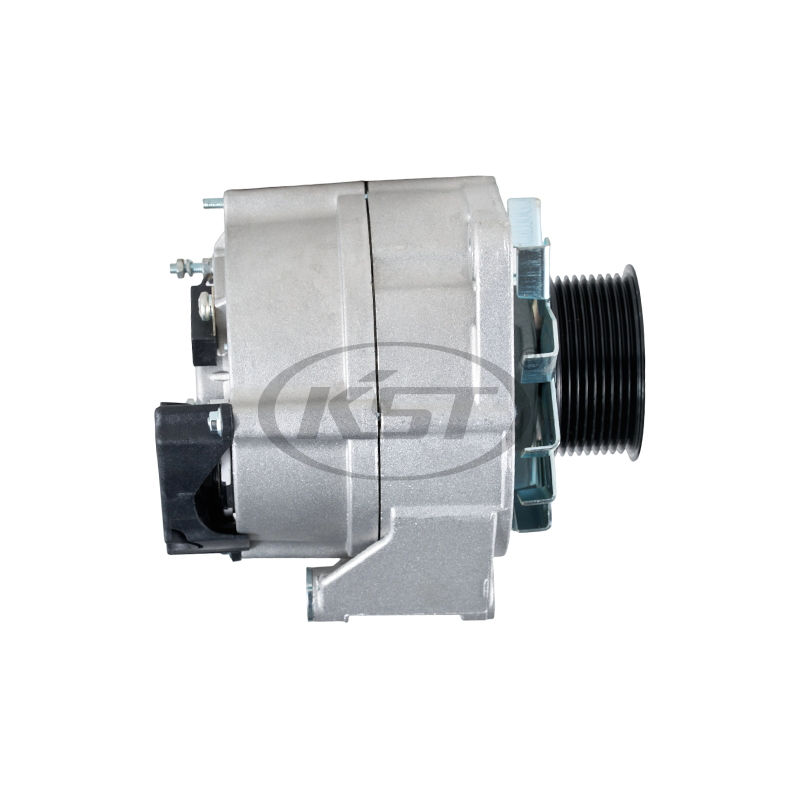
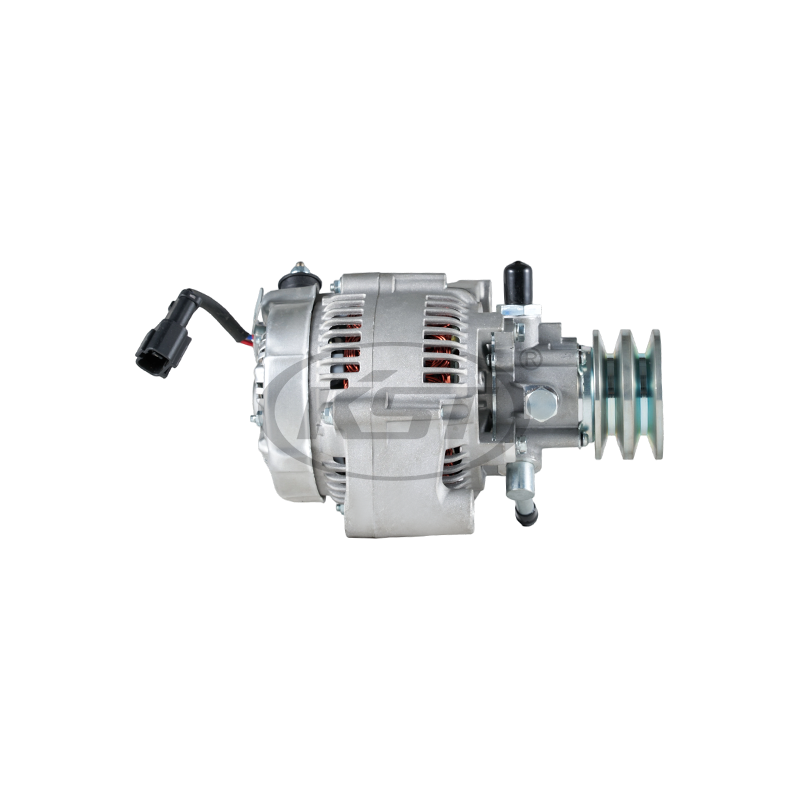
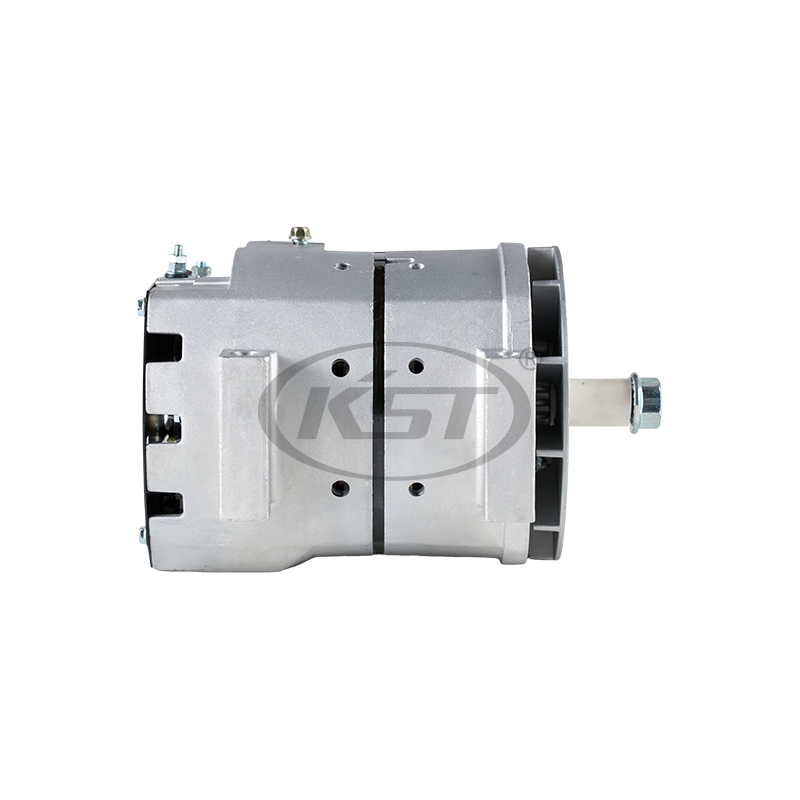
Testing a Heavy Duty Starter before installation is a crucial step to ensure the reliability and performance of commercial vehicles. From the perspective of a manufacturer, proper pre-installation testing prevents failures, reduces downtime, and ensures that Commercial Truck Starter and Commercial Vehicle Starter units meet operational specifications. But what exactly should be checked, and how can the testing process be performed efficiently?
Why Is Pre-Installation Testing Important for Heavy Duty Starters?
Pre-installation testing is not optional—it is essential for several reasons:
- Ensures Functional Reliability: A properly tested Heavy Duty Starter guarantees that it will perform under engine load conditions.
- Prevents Vehicle Downtime: Identifying faulty units before installation reduces costly service interruptions.
- Confirms Manufacturer Quality: Even high-quality Commercial Truck Starter units can have defects from handling, storage, or shipping.
- Safety Assurance: Testing ensures that the starter does not pose electrical or mechanical hazards during operation.
In short, pre-installation testing improves efficiency, safety, and confidence in Commercial Vehicle Starter performance.
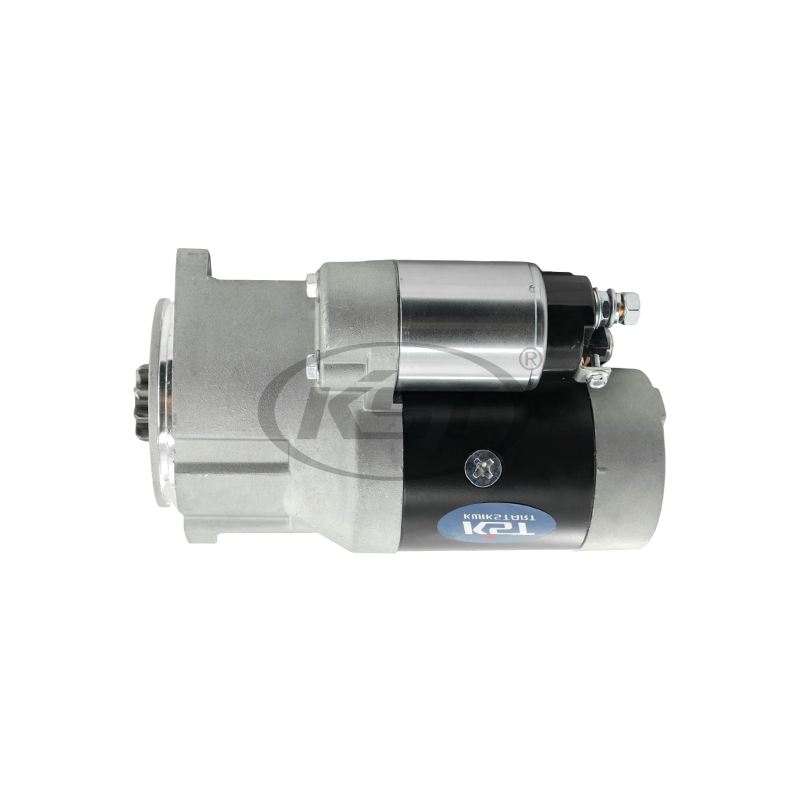
What Tools Are Needed to Test a Heavy Duty Starter?
To perform accurate testing on Heavy Duty Starters, certain equipment is required:
- Multimeter or Voltmeter: Measures voltage drop, resistance, and continuity.
- Battery or Power Supply: Provides the required voltage to test starter operation.
- Test Bench or Mounting Fixture: Simulates engine load conditions safely.
- Clamp Meters and Ammeter: Monitors current draw during cranking.
- Protective Gear: Gloves and eye protection for electrical safety.
Having the right tools ensures reliable results and protects personnel handling the Commercial Truck Starter and Commercial Vehicle Starter.
How to Inspect the Starter Physically Before Testing?
Before any electrical test, a physical inspection is critical. Steps include:
- Visual Check: Examine the casing for cracks, dents, or corrosion.
- Terminal Condition: Ensure battery and motor terminals are clean, free from oxidation, and tightly connected.
- Brush and Armature Inspection: Check brushes for wear and armature for smooth rotation.
- Gear and Pinion Verification: Inspect for worn teeth or misalignment that may affect engagement.
Performing a thorough visual inspection ensures the Heavy Duty Starter is physically sound before any electrical testing begins.
Voltage testing helps determine if the Commercial Truck Starter will operate under real-world conditions:
- Connect the starter to a fully charged battery or regulated power supply.
- Use a voltmeter to measure the voltage at the starter terminals.
- Confirm that the voltage aligns with manufacturer specifications, usually within ±10% of the rated voltage.
- Observe for any abnormal drops during engagement.
A Commercial Vehicle Starter that exhibits significant voltage drop may have internal faults, such as worn brushes or shorted windings.
How to Measure Current Draw Safely?
Current draw is an important indicator of starter health:
- Connect Ammeter in Series: Between the battery and the starter.
- Engage the Starter: Activate the solenoid to simulate cranking.
- Record Maximum Current: Compare against manufacturer's rated current for a healthy Heavy Duty Starter.
- Interpret Results: Excessive current may indicate internal resistance, binding, or mechanical issues; low current could signal poor electrical contact.
Monitoring current ensures that the Commercial Truck Starter will handle the engine's load without overheating or failure.
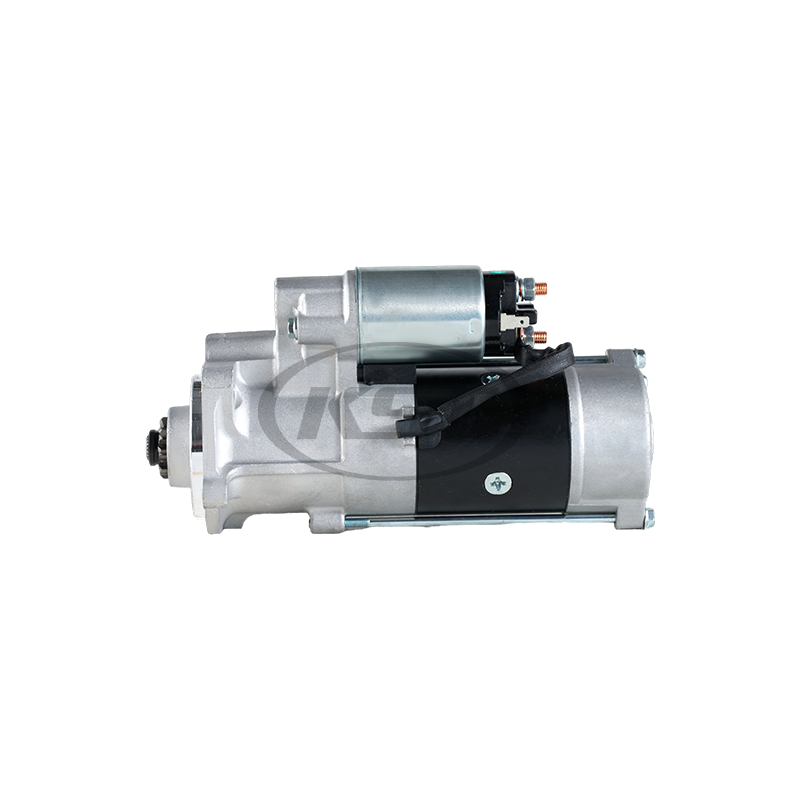
How to Conduct a Solenoid Test?
The solenoid is a critical component in all Commercial Vehicle Starters. Steps include:
- Check Coil Resistance: Measure across solenoid terminals with a multimeter.
- Activate Solenoid: Apply voltage and listen for audible click or observe mechanical movement.
- Inspect Plunger Movement: Ensure smooth engagement of the starter pinion.
- Check Return Spring: Verify that the pinion retracts after disengagement.
A faulty solenoid can prevent the Heavy Duty Starter from engaging or disengaging correctly, causing starting issues.
Why Is a Load Test Important?
Load testing simulates real operational conditions:
- Mount Starter on Test Bench: Securely attach to a fixture that mimics engine inertia.
- Apply Voltage and Observe Cranking: The starter should rotate smoothly without excessive noise.
- Measure Current and Torque: Ensure it meets manufacturer specifications.
- Check Temperature Rise: Excessive heat indicates inefficiency or internal faults.
Load testing confirms that the Commercial Truck Starter or Commercial Vehicle Starter can handle the engine's starting demands reliably.
How to Check Gear Engagement and Pinion Operation?
Engagement testing ensures that the starter's pinion meshes correctly with the flywheel:
- Observe the movement of the pinion gear during activation.
- Ensure smooth and full engagement without slipping or grinding.
- Check for unusual vibrations, which could indicate misalignment or wear.
Proper engagement testing protects both the Heavy Duty Starter and the vehicle's flywheel from damage.
How to Inspect for Noise and Vibration?
Noise and vibration can indicate internal wear or imbalance:
- Listen for unusual hums, clicks, or grinding during activation.
- Check for excessive vibration using a hand-held device or visual observation.
- Compare against baseline noise levels specified for Commercial Vehicle Starters.
Noise testing helps detect minor defects before they cause complete starter failure.
What Is the Role of Temperature Monitoring?
Temperature is critical during pre-installation testing:
- Measure temperature rise during load or continuous operation.
- Excessive heat may indicate high resistance, friction, or worn components.
- Ensure cooling or ventilation mechanisms function properly on Heavy Duty Starters.
Maintaining correct operating temperatures ensures the longevity and reliability of Commercial Truck Starters.
How to Document Test Results?
Documenting all test results is important for quality assurance:
- Record voltage, current, torque, temperature, and engagement observations.
- Note any abnormalities or required repairs.
- Compare against manufacturer specifications for Heavy Duty Starters.
Proper documentation helps maintain warranty compliance and provides traceability for Commercial Vehicle Starter performance.
What Safety Precautions Should Be Taken During Testing?
Testing involves electrical and mechanical hazards. Safety steps include:
- Wear insulated gloves and safety glasses
- Secure the starter to a stable test bench
- Avoid loose clothing or jewelry near rotating parts
- Use proper fuses or circuit breakers to prevent electrical hazards
Following safety protocols ensures safe handling of all Heavy Duty Starter units.
How to Troubleshoot Common Starter Issues?
Common issues identified during testing may include:
- Excessive Current Draw: Check brushes, armature, or solenoid.
- No Movement: Inspect wiring, solenoid, or internal connections.
- Grinding Noise: Examine pinion and flywheel gear teeth.
- Overheating: Review current draw, lubrication, and mechanical binding.
Troubleshooting ensures that only fully functional Commercial Truck Starters are installed in vehicles.
Why Is Pre-Installation Testing Cost-Effective?
Testing before installation prevents future costs:
- Reduces the risk of roadside failures
- Minimizes downtime for commercial operations
- Avoids damage to engine flywheels or transmission systems
- Ensures long-term reliability of Commercial Vehicle Starter and associated equipment
From a manufacturer's perspective, pre-installation testing is an investment in quality assurance and customer satisfaction.
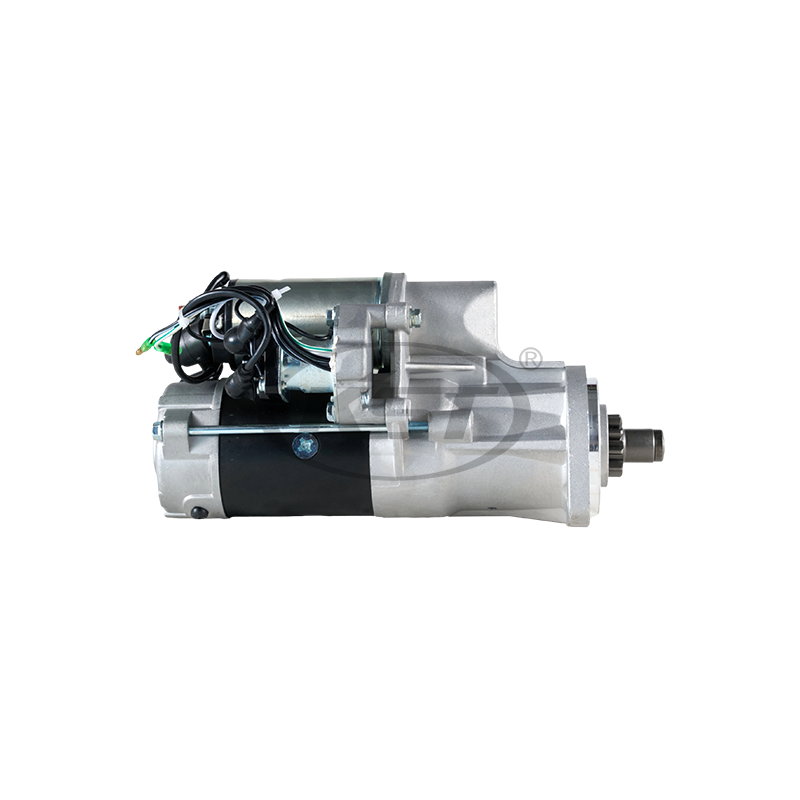
How to Choose the Right Starter Testing Method?
Different testing methods suit different scenarios:
- Bench Testing: Ideal for individual Heavy Duty Starters
- Field Testing: Used when replacement parts need verification in situ
- Automated Testing Rigs: For high-volume production and quality control
Choosing the correct method ensures accurate results and safe handling of Commercial Truck Starter units.
Pre-installation testing is an indispensable step for any Heavy Duty Starter, Commercial Truck Starter, or Commercial Vehicle Starter. Manufacturers emphasize a thorough testing process including:
- Physical inspection
- Voltage and current measurement
- Solenoid operation check
- Load simulation
- Engagement and vibration testing
- Temperature monitoring and documentation
Following these procedures ensures that starters operate reliably, reduce maintenance costs, and provide safe, efficient performance for commercial vehicles. Testing before installation is not just practice—it is essential for operational reliability and long-term customer satisfaction.

 Heavy Duty Vehicle Motor Factory


 en
en  English
 عربى
عربى فارسی
فارسی