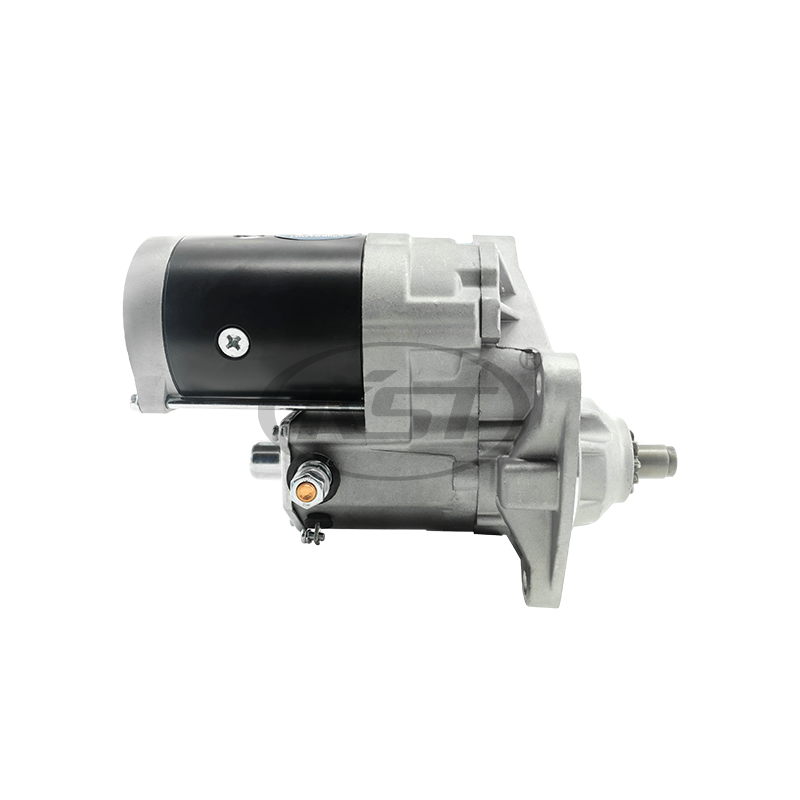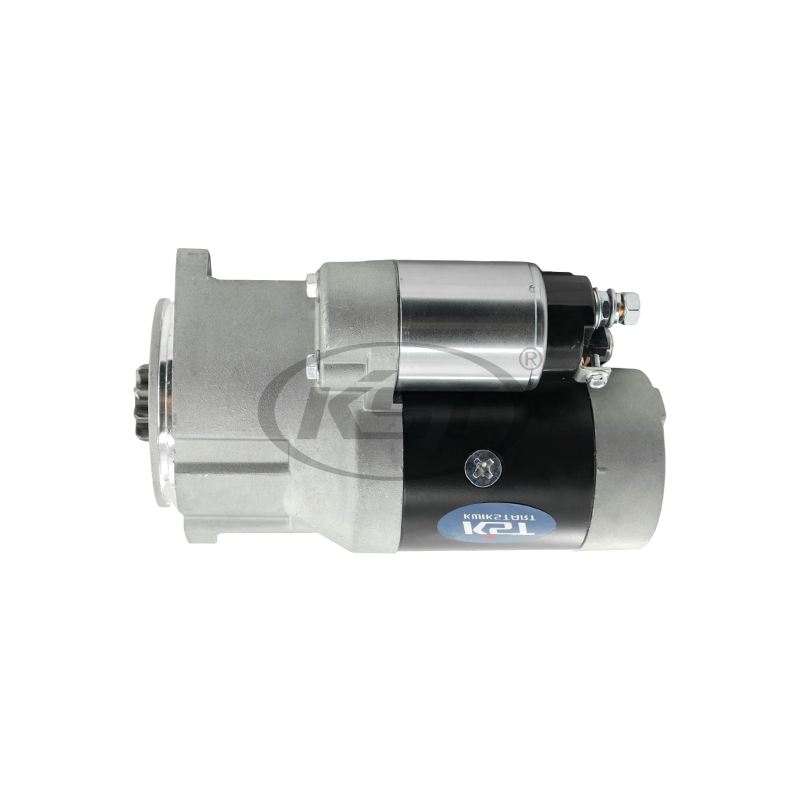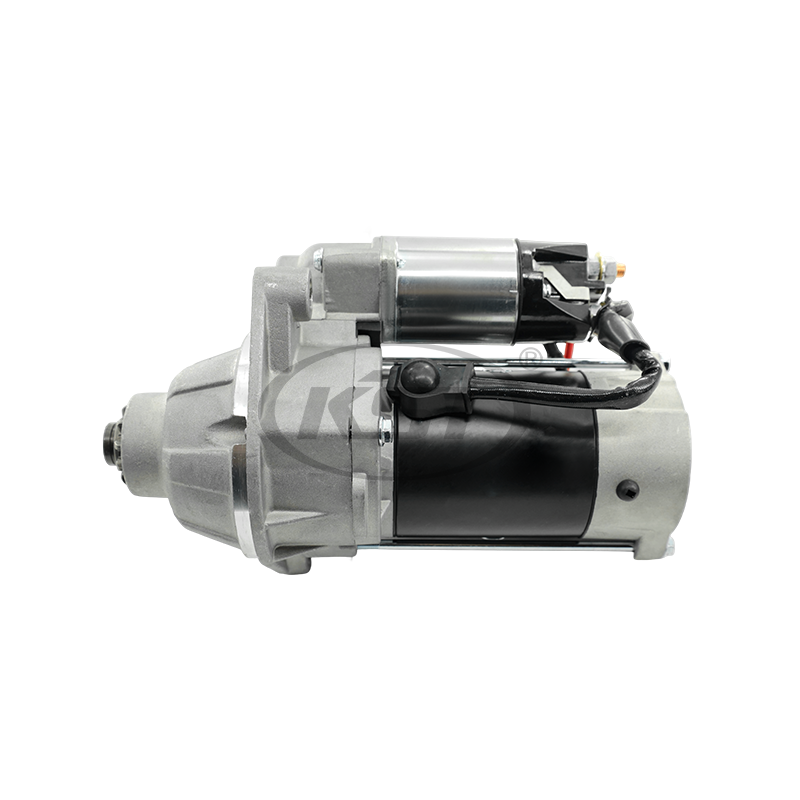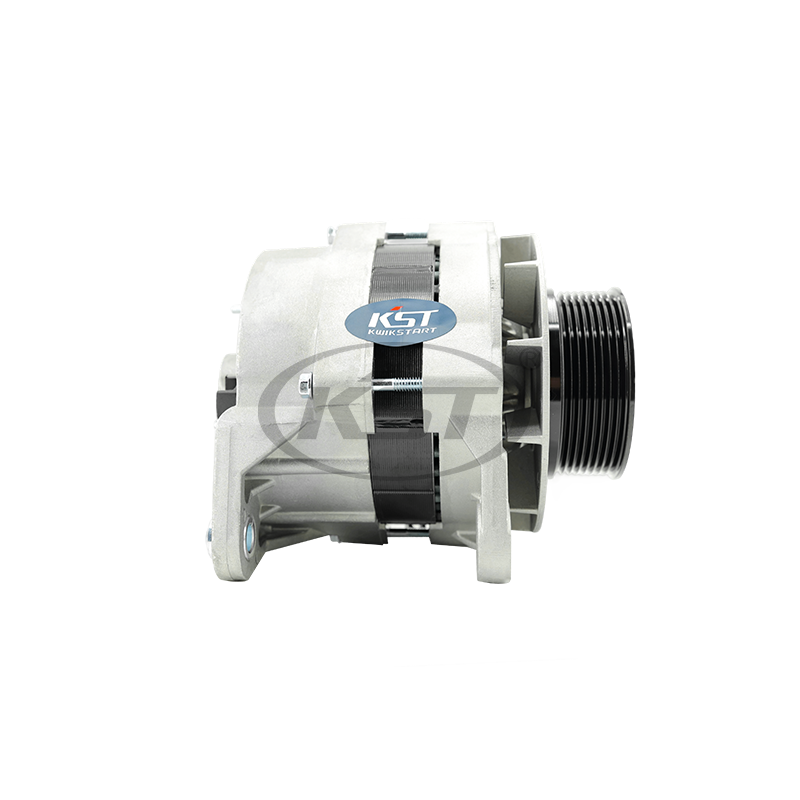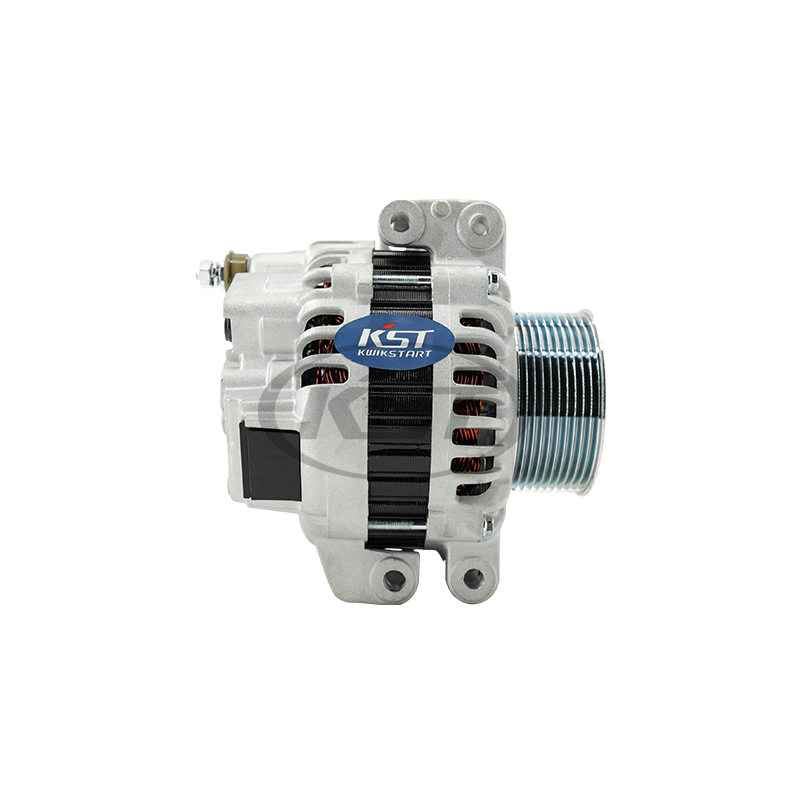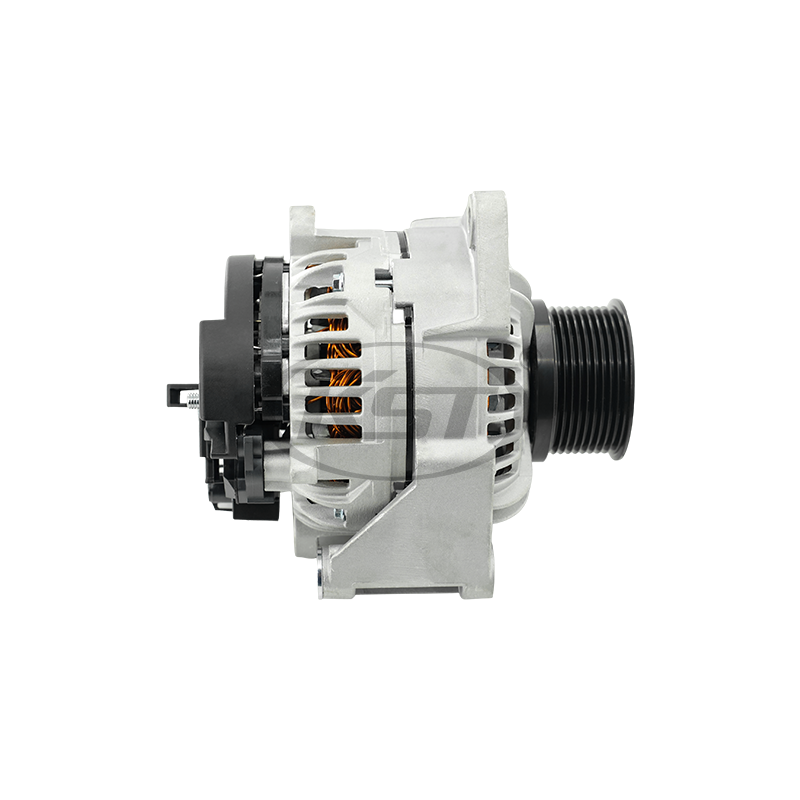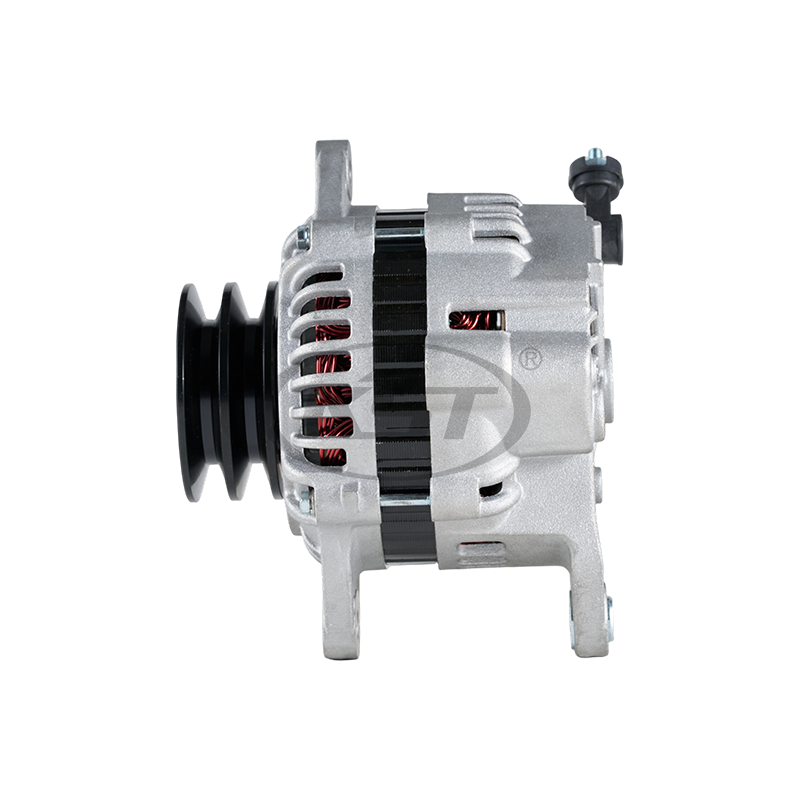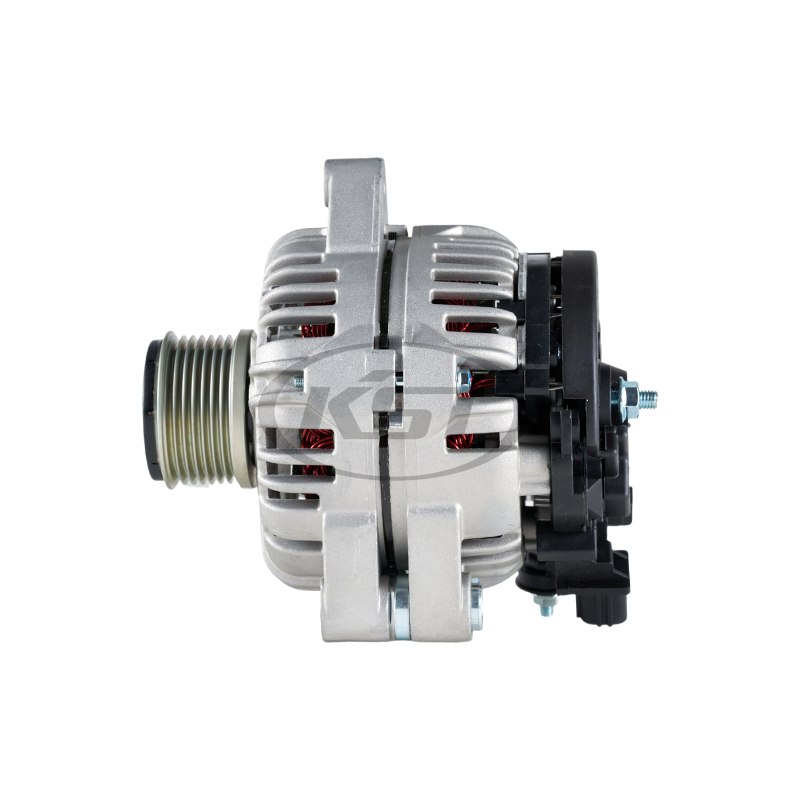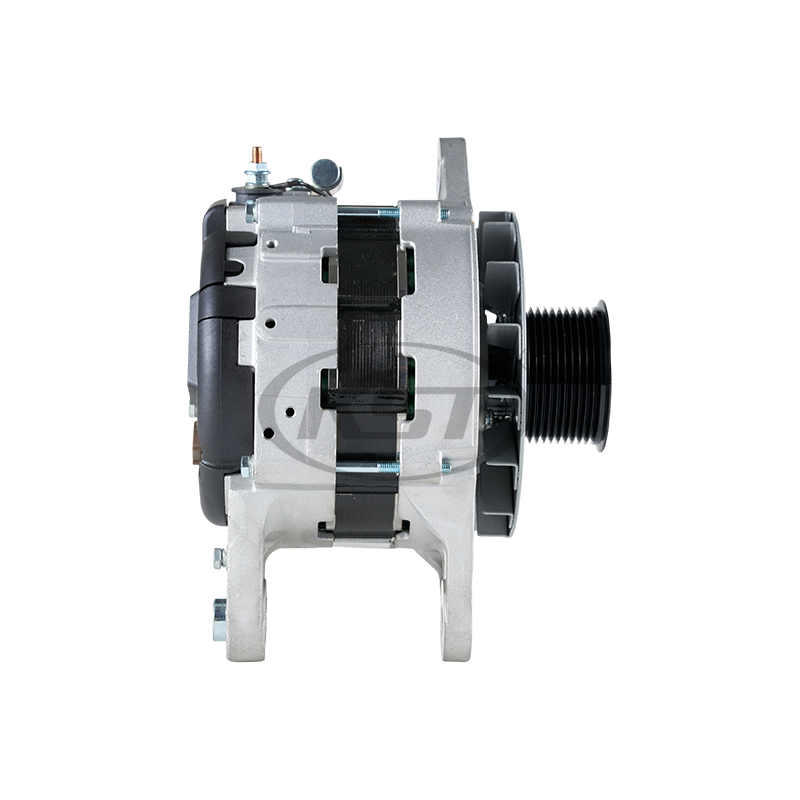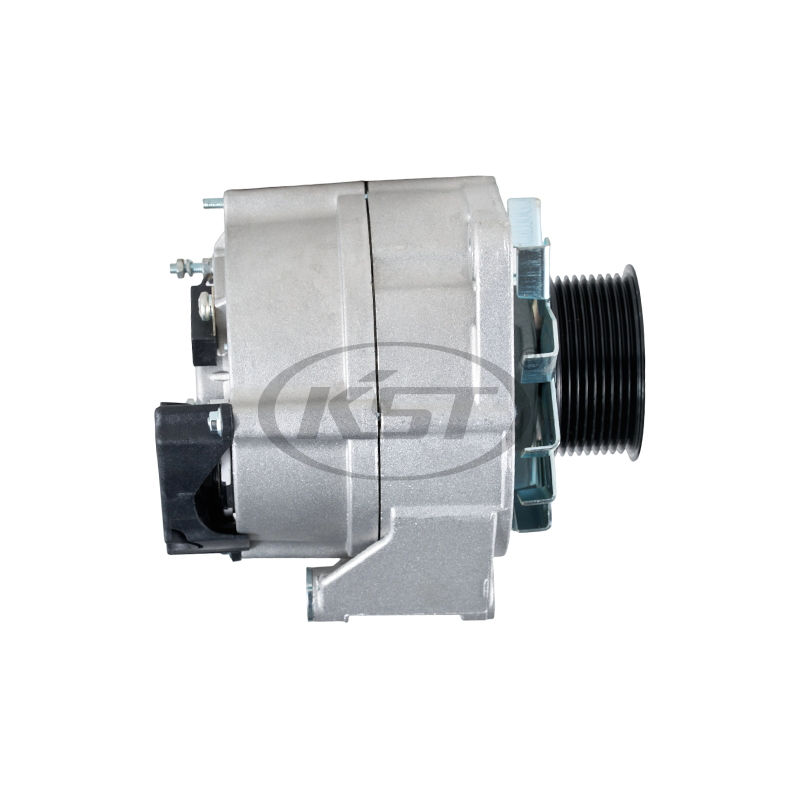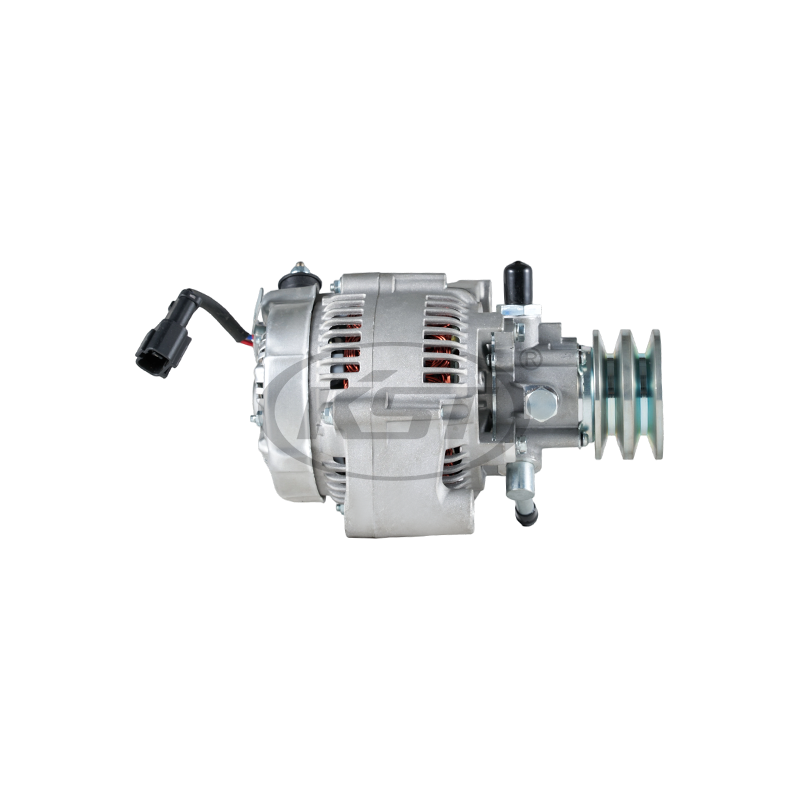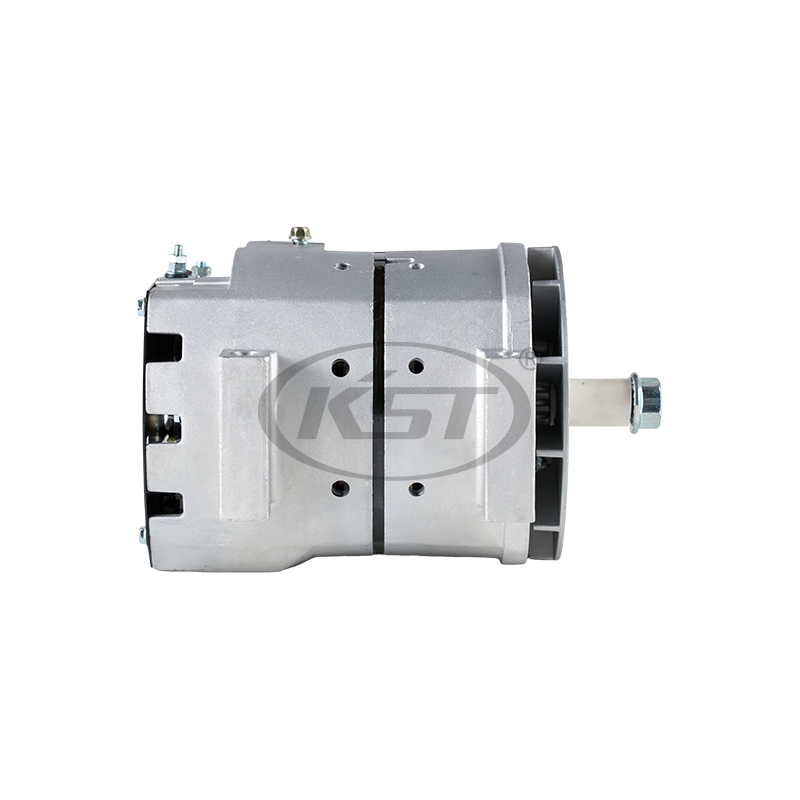
A modern automotive charging system is far more than a simple power source. At its core, the Car Generator converts mechanical energy into electrical energy, ensuring stable power supply for ignition, electronics, and battery charging. Understanding how this system works requires examining electromagnetic principles, mechanical structure, control logic, and real-world operating conditions.
The Car Generator is responsible for supplying electrical energy once the engine is running. While the battery provides initial power for starting, continuous operation relies on the Vehicle Generator to maintain voltage stability.
Key responsibilities include:
Without a properly functioning Car Alternator, modern vehicles would quickly experience power loss, electronic malfunctions, and battery depletion.
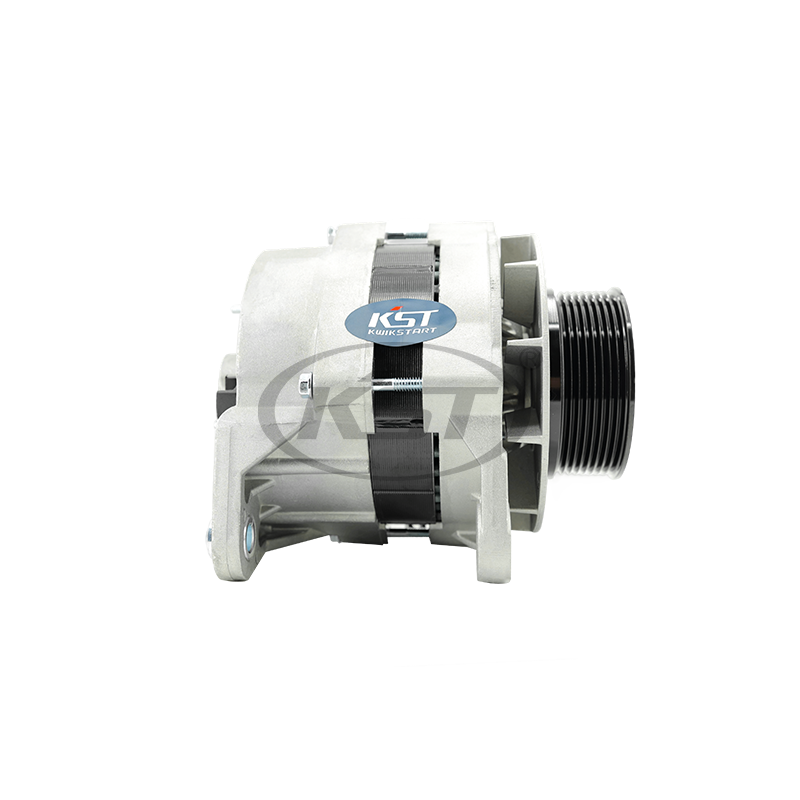
The fundamental principle behind every Vehicle Generator is electromagnetic induction. When a conductor moves through a magnetic field, an electromotive force is induced.
This principle allows the Car Generator to:
The design leverages physics to achieve high reliability with minimal energy loss, making the Car Alternator ideal for automotive applications.
At the heart of the Car Alternator are two main components: the rotor and the stator.
Rotor function:
Stator function:
In a Vehicle Generator, the interaction between rotor and stator ensures continuous electrical output as long as the engine is running.
Three-phase alternating current is a critical design choice in the Car Generator.
Advantages include:
The Car Alternator produces three sinusoidal voltages spaced 120 degrees apart, improving charging stability under fluctuating loads.
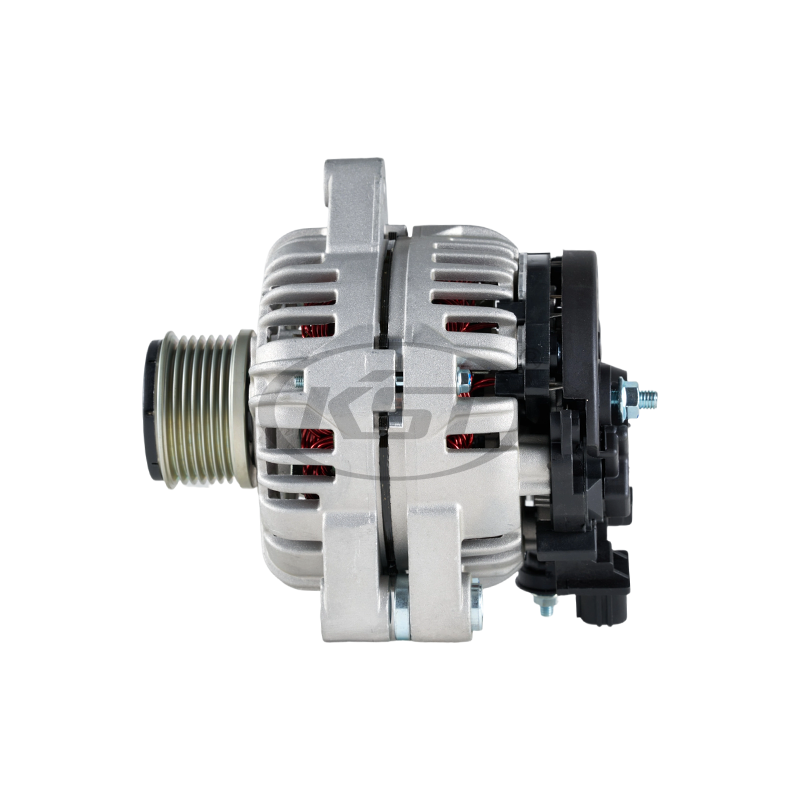
Although the Vehicle Generator produces AC, vehicle systems require DC power. This conversion is handled internally.
Conversion process:
This built-in rectification allows the Car Generator to seamlessly integrate with DC-based vehicle systems.
A critical component of the Car Alternator is the voltage regulator. It controls the excitation current supplied to the rotor.
The regulator ensures:
Without regulation, the Vehicle Generator would produce unstable voltage, risking damage to sensitive electronics.
The charging indicator provides a visual status of the Car Generator system.
When the engine is off:
When the engine runs:
Indicator turns off
This simple logic confirms normal Car Alternator operation and self-excitation status.
Engine speed directly affects the Vehicle Generator output.
At low speed:
At high speed:
This dynamic adjustment allows the Car Generator to perform consistently across idle, cruising, and acceleration conditions.
The claw-pole rotor is a defining feature of the Car Alternator.
Benefits include:
Efficient cooling
This design allows the Vehicle Generator to remain lightweight while delivering high output in limited engine space.
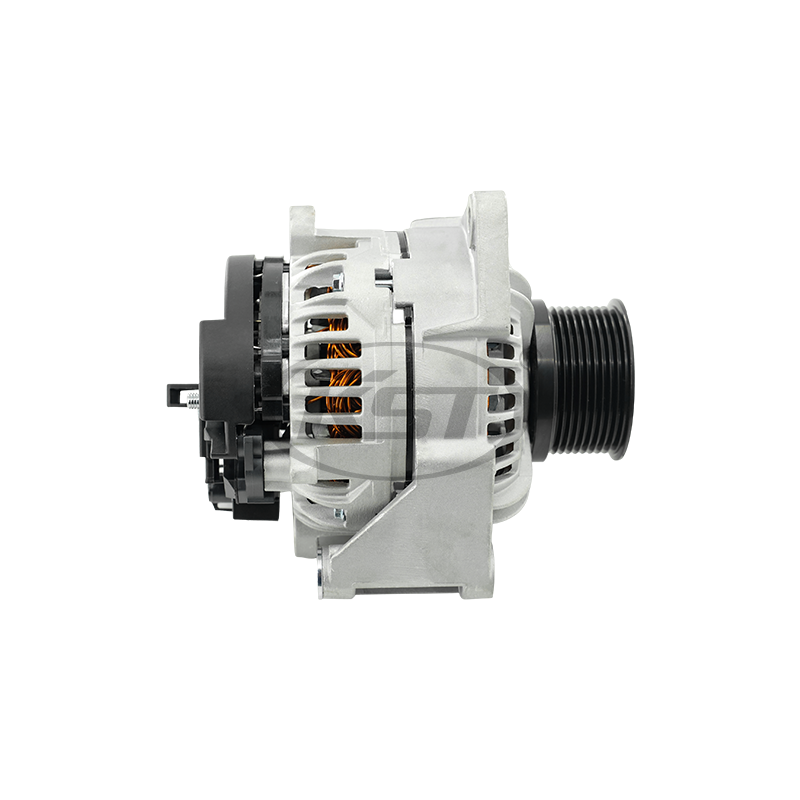
The battery is not just a storage unit; it is an active partner of the Car Generator.
Battery functions include:
Together, the battery and Car Alternator form a closed-loop energy system.
Because the Vehicle Generator uses regulated excitation.
AC generation is more efficient and structurally simpler.
DC generators suffer from wear and inefficiency compared to a Car Alternator.
These design choices explain why modern systems rely on the Car Generator concept.
Thermal management is crucial for Car Alternator reliability.
Manufacturers address heat through:
A well-designed Vehicle Generator maintains output stability even during long operating periods.
The durability of the Car Generator comes from:
This makes the Car Alternator one of reliable components in any vehicle.
As vehicles become more electronically complex, the Car Generator plays an increasingly strategic role in system coordination. Modern vehicles rely on electronic control units, sensors, infotainment systems, and safety modules that all demand stable electrical power. The Vehicle Generator must therefore respond not only to mechanical speed changes but also to dynamic electrical load variations.
To meet these requirements, the Car Alternator works closely with the voltage regulator and battery to form a responsive power management loop. When electrical demand increases suddenly—such as activating air conditioning or advanced driver assistance systems—the generator compensates by adjusting excitation current almost instantly. This ensures uninterrupted power delivery without noticeable voltage drops.
Energy efficiency is a key consideration in Car Generator engineering. Mechanical energy drawn from the engine directly impacts fuel consumption, so minimizing losses is essential.
Efficiency improvements include:
A high-efficiency Vehicle Generator reduces parasitic load on the engine, improving overall vehicle efficiency. The Car Alternator thus contributes indirectly to lower emissions and better fuel economy.
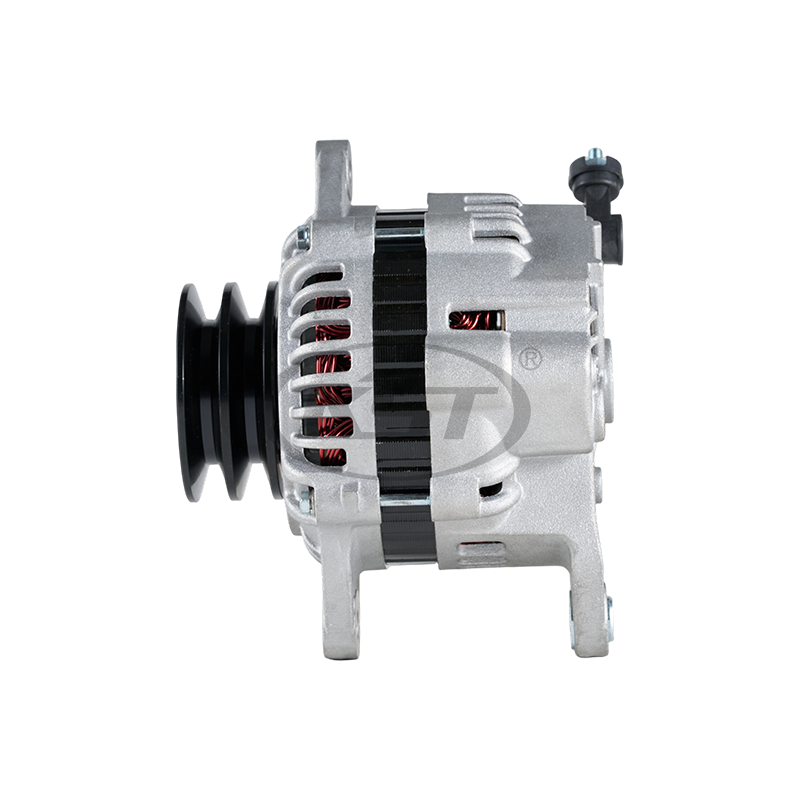
The operational behavior of a Car Alternator often provides early indicators of system health. Unstable voltage, dim lighting, or warning indicators may point to issues such as regulator malfunction or worn brushes.
From a diagnostic perspective:
Understanding how the Car Generator behaves under different conditions allows technicians and engineers to identify problems before complete failure occurs.
Future developments are pushing the Vehicle Generator beyond traditional charging roles. With the rise of electrification, integrated starter-generators and higher-output systems are becoming more common.
These trends include:
Despite these changes, the core operating principles of the Car Alternator remain rooted in electromagnetic induction. The Car Generator continues to evolve, but its fundamental role as a reliable energy converter remains unchanged.
Understanding how a Car Generator works helps users appreciate the engineering behind everyday driving. From electromagnetic induction to voltage regulation, each part of the Vehicle Generator contributes to a stable electrical ecosystem.
The Car Alternator is not just a component—it is a finely balanced energy conversion system designed for efficiency, durability, and precision. As vehicles continue to evolve, the fundamental principles behind the Car Generator remain a cornerstone of automotive engineering.
Your email address will not be published. Required field are marked*
Get in Touch
 Heavy Duty Vehicle Motor Factory


 en
en  English
 عربى
عربى فارسی
فارسی