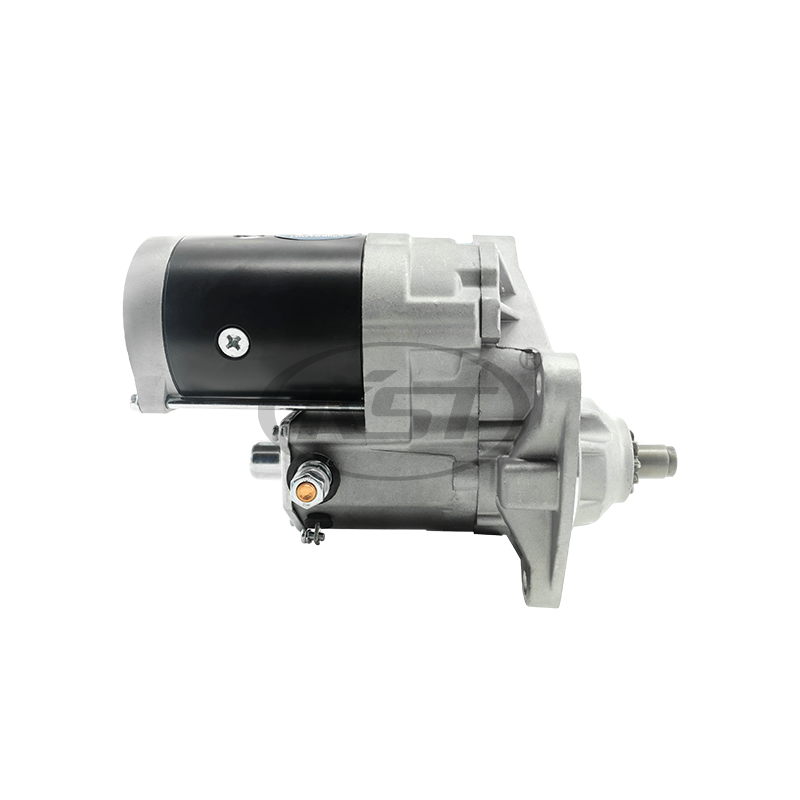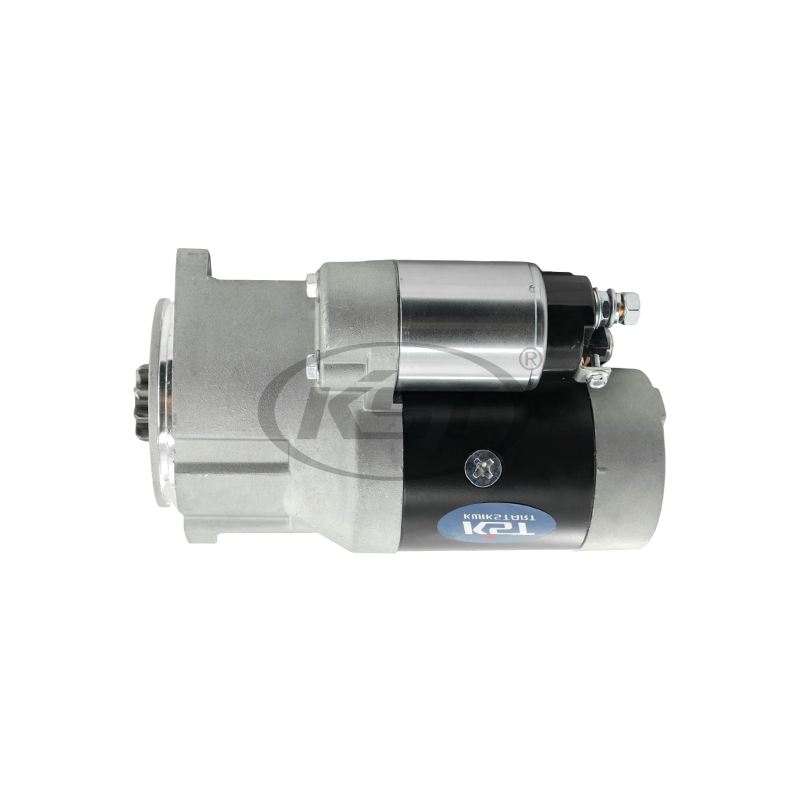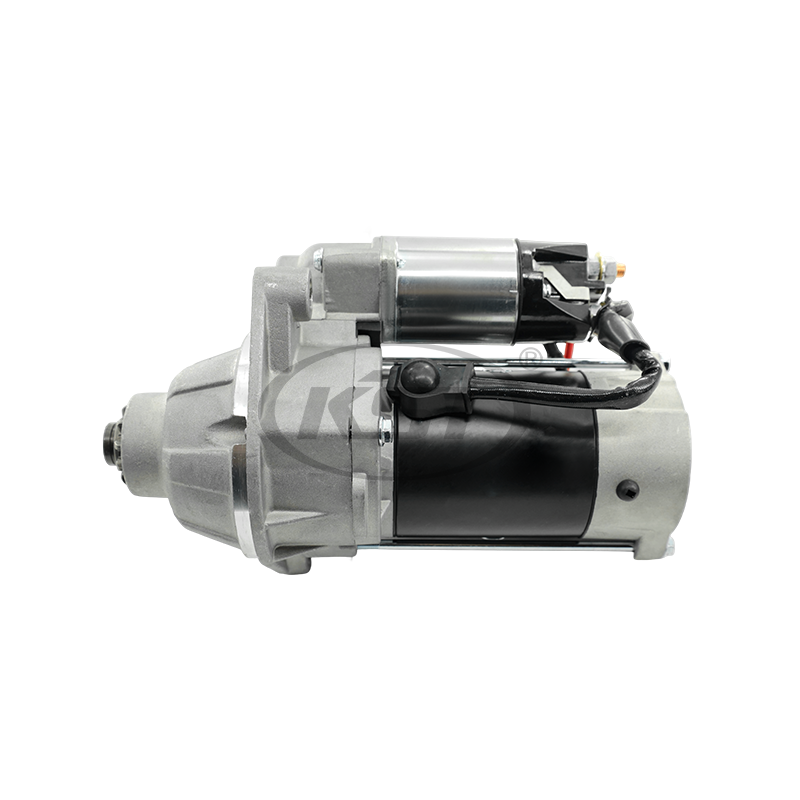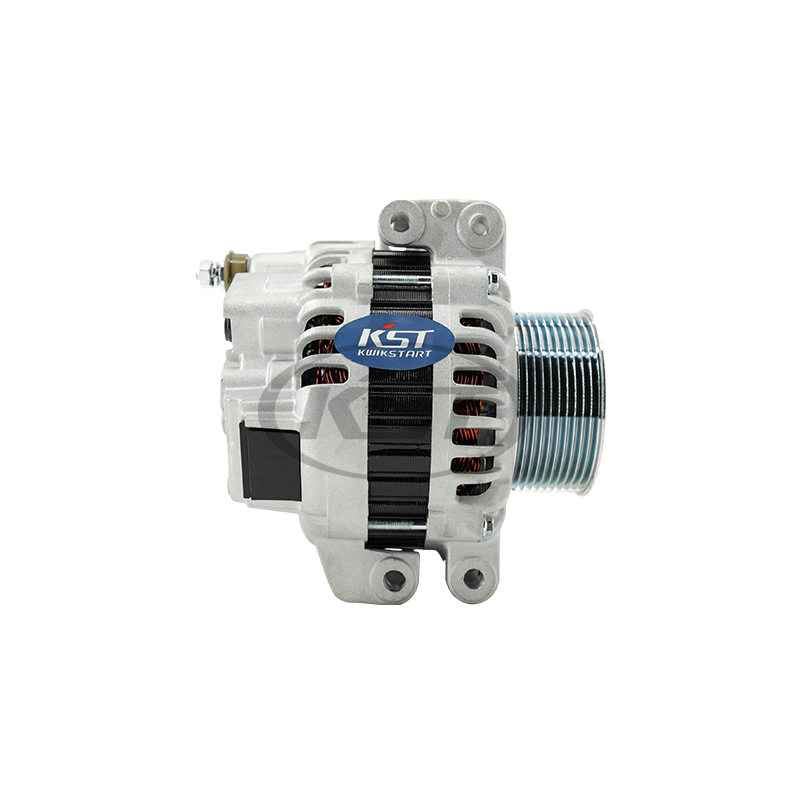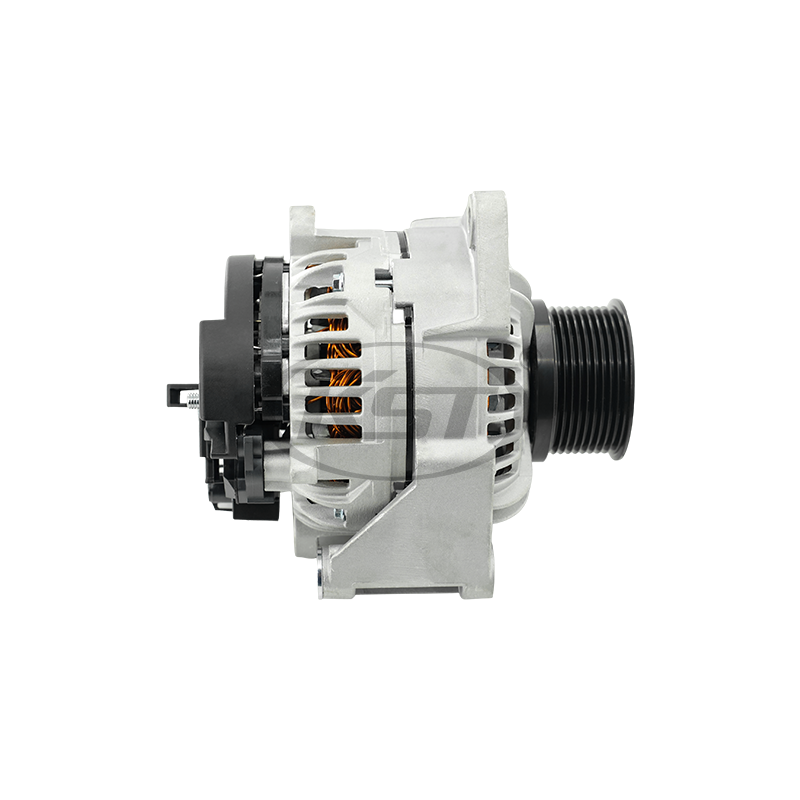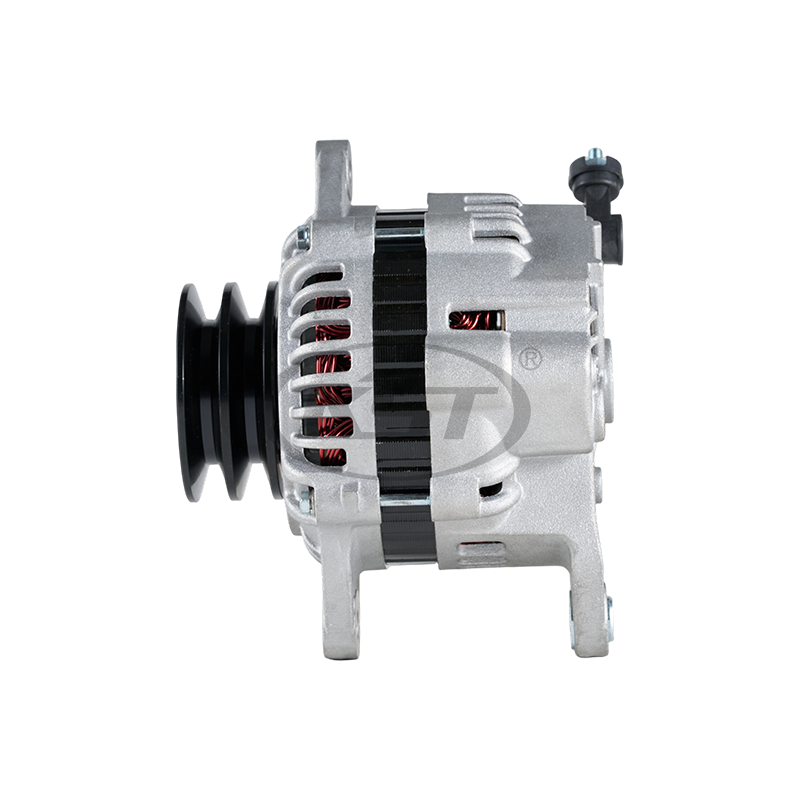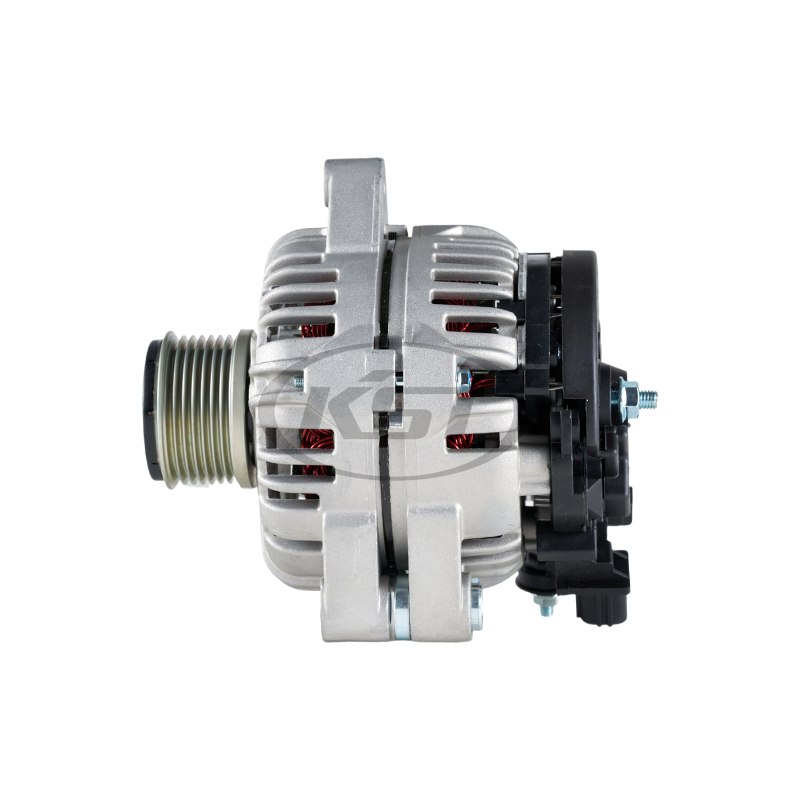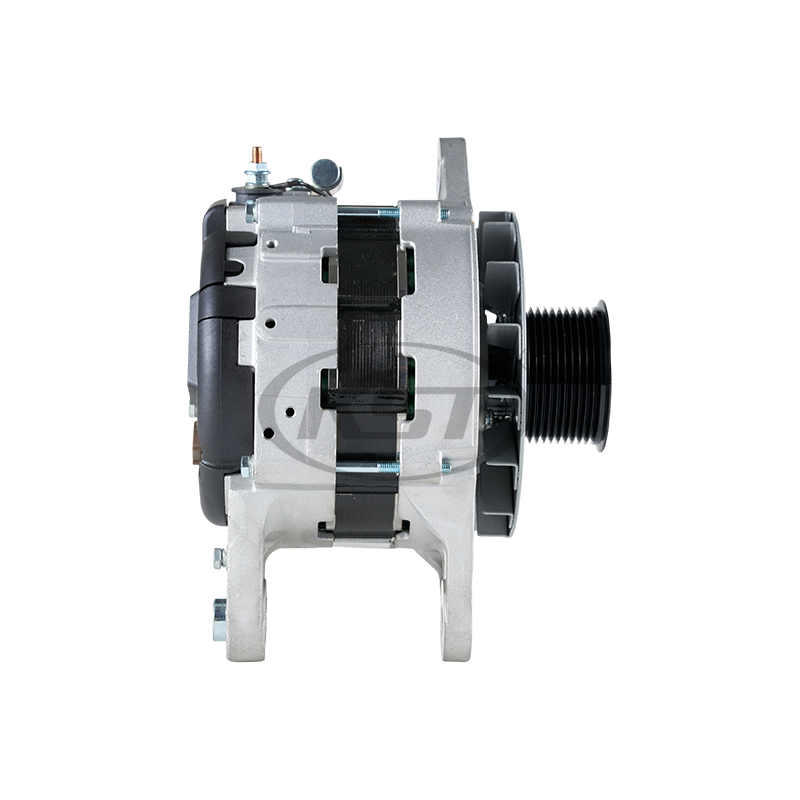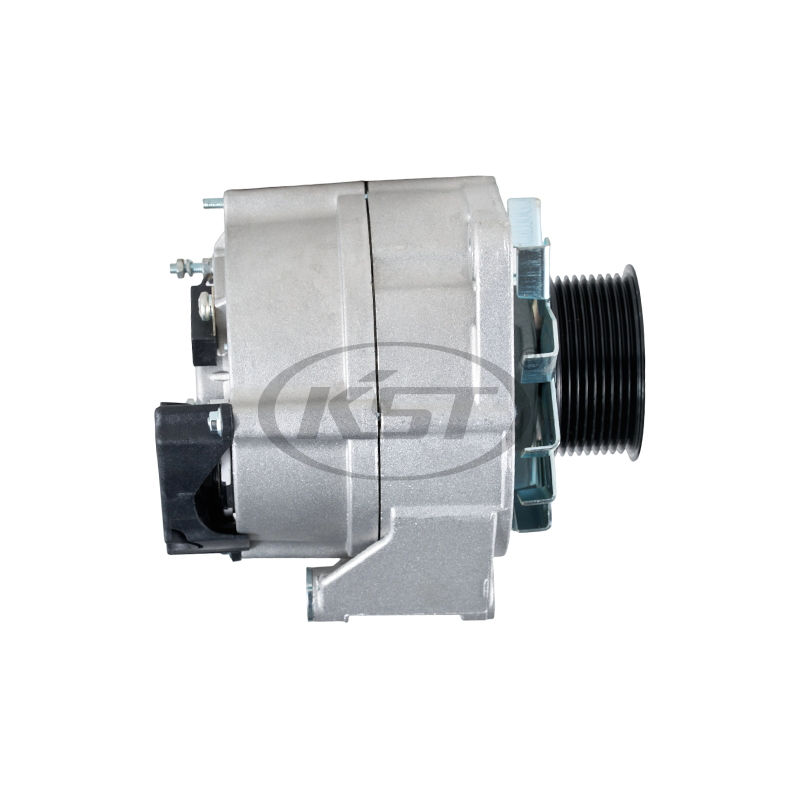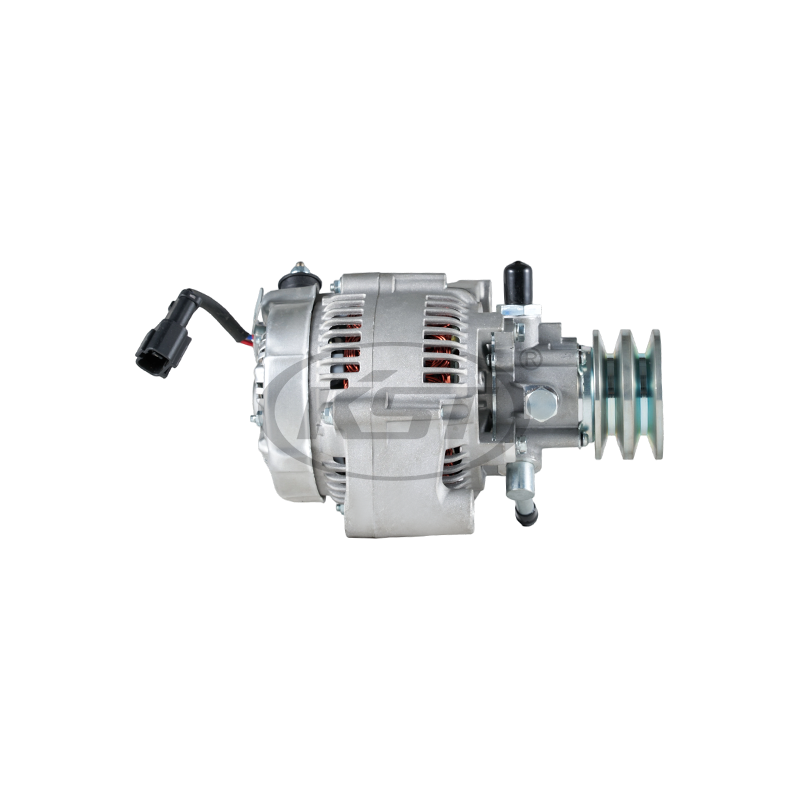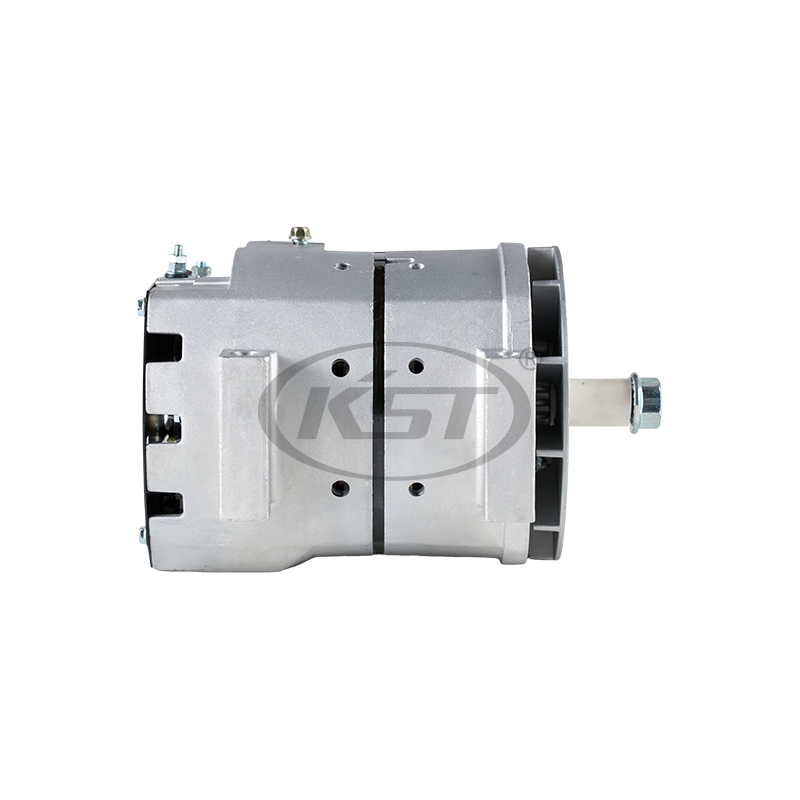
A starter motor turns an engine over to kick off the combustion process. Heavy equipment tends to demand more from a starter than a passenger vehicle typically does. The engines are larger, compression ratios run higher, and operating conditions tend to be harsher across the board. Starting torque requirements run fairly high as a result, and the starter needs to deliver that torque reliably across thousands of start cycles over its working life.
Heavy equipment starter motors are generally built with these demands in mind. They tend to use more robust components, larger solenoids, and heavier-duty armatures than what you'd find in a typical car. The construction needs to hold up against vibration, temperature extremes, and exposure to dust and moisture over long periods of use.
The choice of starter motor tends to affect how reliably the equipment starts, how long the motor lasts, and how much maintenance the operator can expect down the road. Two main paths generally exist for obtaining a starter motor: OEM (Original Equipment Manufacturer) and custom alternatives.
An OEM Starter Motor gets produced by or for the original equipment manufacturer of the vehicle or equipment in question. The OEM specification tends to match the design, dimensions, and performance characteristics of the component originally installed at the factory fairly closely. When an operator orders an OEM motor, they generally receive a part built to standards similar to the original.
OEM motors tend to go through testing conducted by the equipment maker. The motor has usually been designed with that engine model in mind, with matching gear teeth, mounting pattern, and torque output. The fit tends to work out well since the part was engineered for that specific application. OEM parts also tend to come with branding and markings from the vehicle manufacturer or an approved supplier.
A Custom Motor gets designed and built for a specific application rather than produced to a standard OEM specification. The customization may involve adjustments to torque output, gear ratios, mounting configuration, or other parameters depending on what the job calls for. Custom Starter Motors tend to serve equipment that can't use standard OEM parts, or situations where different performance characteristics are needed.
The design of a Custom Motor often starts from a base motor design that then gets modified for the application at hand. Modifications can include different gear reductions, alternate mounting positions, or added cooling features. For heavy equipment with non-standard engines or modified vehicles, a custom solution tends to be one of the more practical routes available.
Custom Motors tend to show up more often in specialty applications. Race cars, custom-built equipment, and older machinery with discontinued OEM parts often rely on Custom Motor solutions to keep running. Some custom starters also offer different features compared to OEM designs, such as higher torque output or reduced weight, depending on how they're built.
| Performance Aspect | OEM Starter Motor | Custom Starter Motor |
|---|---|---|
| Torque output | Matches original engine requirements | Can be adjusted for specific needs |
| Gear ratio | Fixed to OEM design | Configurable for different applications |
| Mounting configuration | Standard for that engine | Adaptable to non-standard installations |
| Cooling method | As designed by manufacturer | May incorporate improvements |
| Weight | Determined by OEM design | Can be optimized for specific applications |
OEM motors tend to provide the torque output the engine originally called for. The motor has generally been sized and configured to start the engine under normal operating conditions without much fuss. The gear ratio is set to give a reasonable cranking speed for that specific engine. The mounting configuration lines up with the engine block and flywheel housing as designed.
Custom Motor offerings tend to vary quite a bit across suppliers. A custom motor may get built with higher torque output for engines that have been modified or that run under heavier loads than typical. The gear ratio can often be adjusted to change cranking speed or to fit different flywheel designs. The mounting configuration can usually be adapted to fit non-standard installations or upgraded engine components as needed.
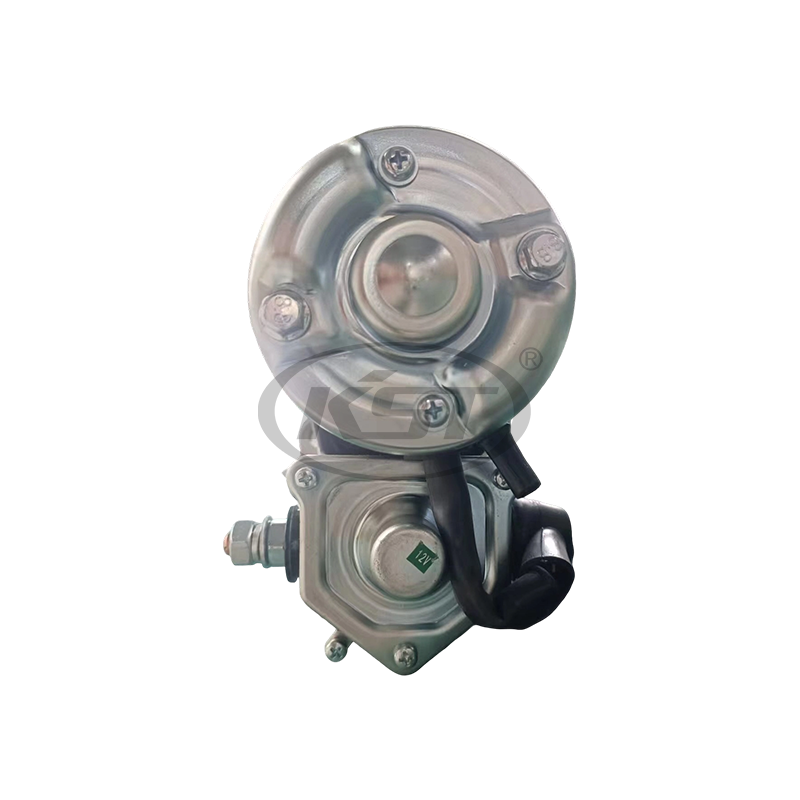
OEM Starter Motors go through a validation process that matches the equipment manufacturer's standards. The testing covers performance, durability, and environmental resistance. An OEM motor has been proven to start that specific engine under the conditions it faces in normal operation. The reliability record for OEM parts is well documented because these motors have been used in thousands of machines over many years.
Custom Starter Motor reliability depends on the design and the components used. A custom motor built with quality materials and sound engineering can match or exceed OEM reliability. The operator has more control over the design choices. The trade-off is that the custom motor has not been tested in the same way as an OEM unit.
The sourcing of components also affects reliability. OEM motors use components from approved suppliers who meet the equipment manufacturer's quality standards. A Custom Starter Motor may use components from a range of sources. The quality of those components directly affects how long the motor lasts.
OEM Starter Motors are available through established dealer networks. The equipment manufacturer's supply chain ensures that parts are available for current production models and for a period after production ends.
Custom Starter Motor availability varies depending on the supplier and the complexity of the design. A simple modification may be completed quickly. A full custom design with unique components takes longer.
The customization process allows a Custom Starter Motor to be tailored to specific equipment. The motor can be built for engines that have been modified or for applications with unusual mounting requirements. The trade-off between availability and performance is real. A custom motor may provide better performance but requires more planning to obtain.
The price of an OEM Starter Motor includes the cost of validation, branding, and the established supply chain. The price is known and consistent. A Custom Motor costs more because the design work and the setup for production are charged to the individual order. The cost per unit is higher for custom production.
The long-term value of the motor extends beyond the purchase price. A motor that fails unexpectedly costs money in downtime, lost production, and towing or repair charges. A Custom Motor that provides more reliable starts or longer service life may save money over time even if the purchase price is higher.
The decision between OEM and custom often comes down to the specific situation. For standard equipment with available OEM parts, the OEM option offers a known quantity at a predictable cost. For specialized equipment or modified engines, a custom motor may be the only option that fits.
A few cost points to consider:
Standard heavy equipment with unmodified engines works well with OEM Starter Motors. The OEM motor fits, performs as expected, and is readily available. The operator knows what to expect because the motor has been used in many similar machines.
Specialty and modified equipment often benefits from a Custom Motor. A modified engine with higher compression needs more starting torque. An engine installed in a different chassis needs a different mounting configuration. The custom motor addresses these specific requirements.
Older equipment with discontinued OEM parts may have no alternative to a custom motor. When the OEM part is no longer available, a custom solution may be the only way to keep the equipment running. The custom motor can be built to match the original specifications or to improve on them.
Assess the equipment's operating demands first. A machine that starts and runs under normal conditions may not need a custom motor.
Evaluate the current starter motor performance. If the OEM motor has been working reliably, replacing it with another OEM unit makes sense. If the OEM motor has been struggling or failing frequently, a custom motor with improved features may be worth considering.
The decision-making process for different situations:
The choice affects equipment uptime and productivity. A starter motor that fails unexpectedly stops the machine and the work it does. The downtime costs more than the motor itself. Choosing a motor that fits the equipment and the operating conditions reduces the chance of unexpected failure.
Maintenance costs also depend on the choice. An OEM motor that fits correctly and performs as designed tends to have predictable maintenance needs. A custom motor that addresses specific performance issues may reduce maintenance costs over time.
The long-term implications for heavy equipment owners include the total cost of ownership and the reliability of the equipment. A motor that starts the engine reliably every time supports productive operations. The choice between OEM and Custom Starter Motor should be made with the specific equipment and operating conditions in mind.
Your email address will not be published. Required field are marked*
Get in Touch
 Heavy Duty Vehicle Motor Factory


 en
en  English
 عربى
عربى فارسی
فارسی