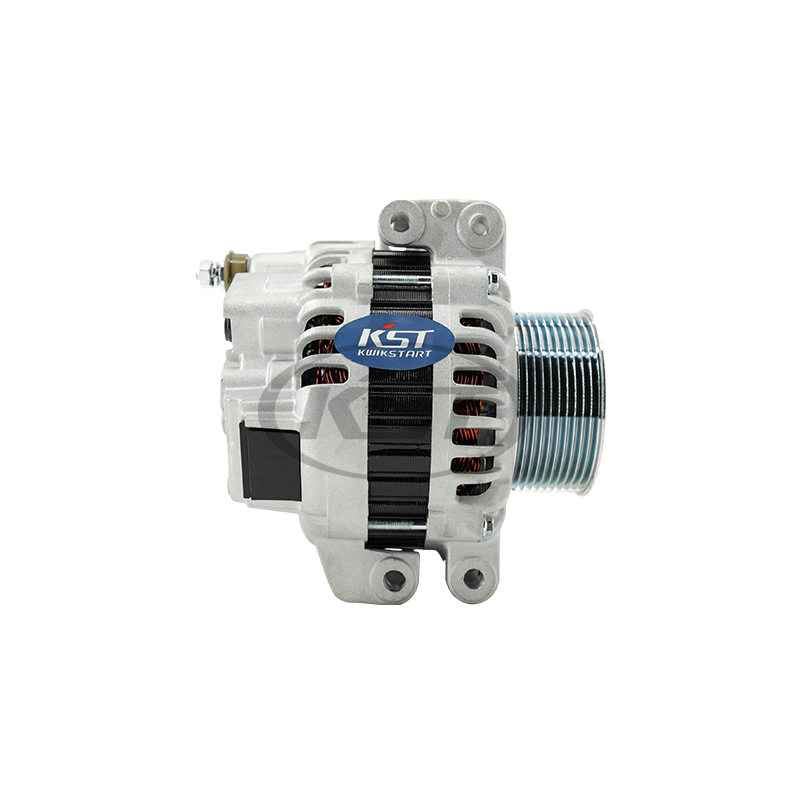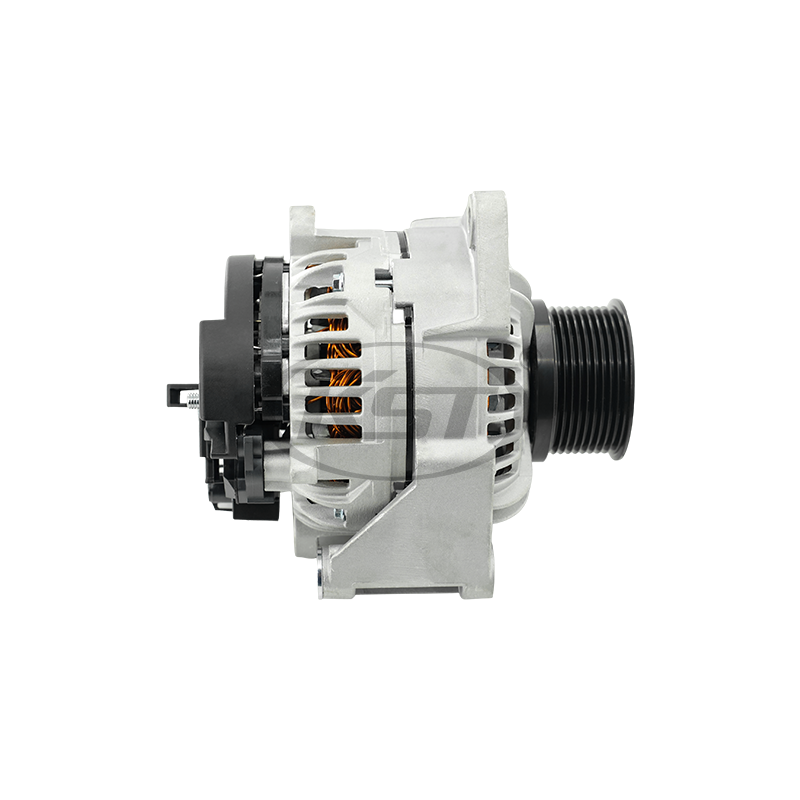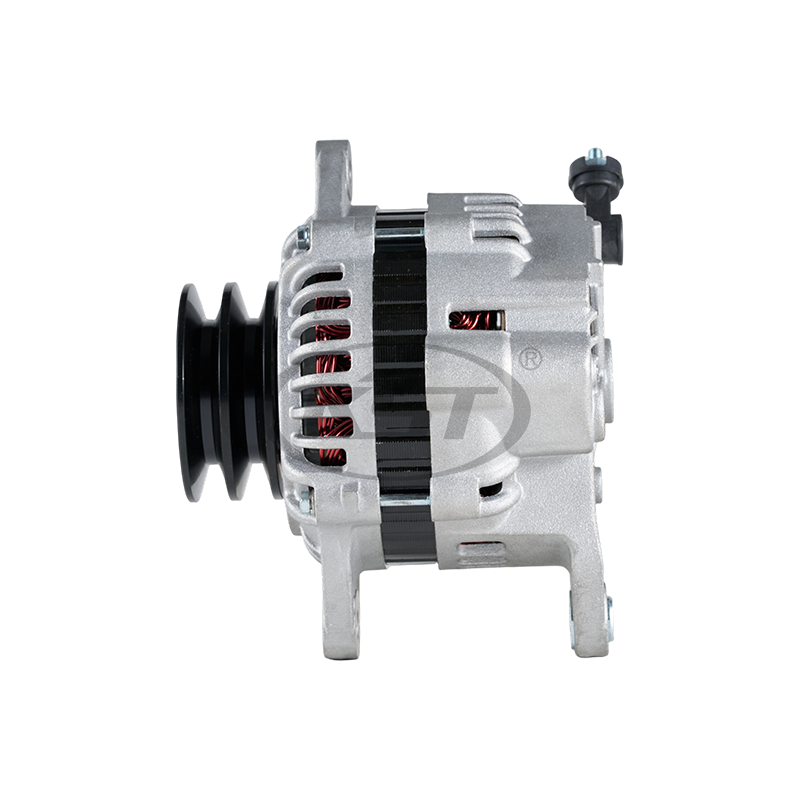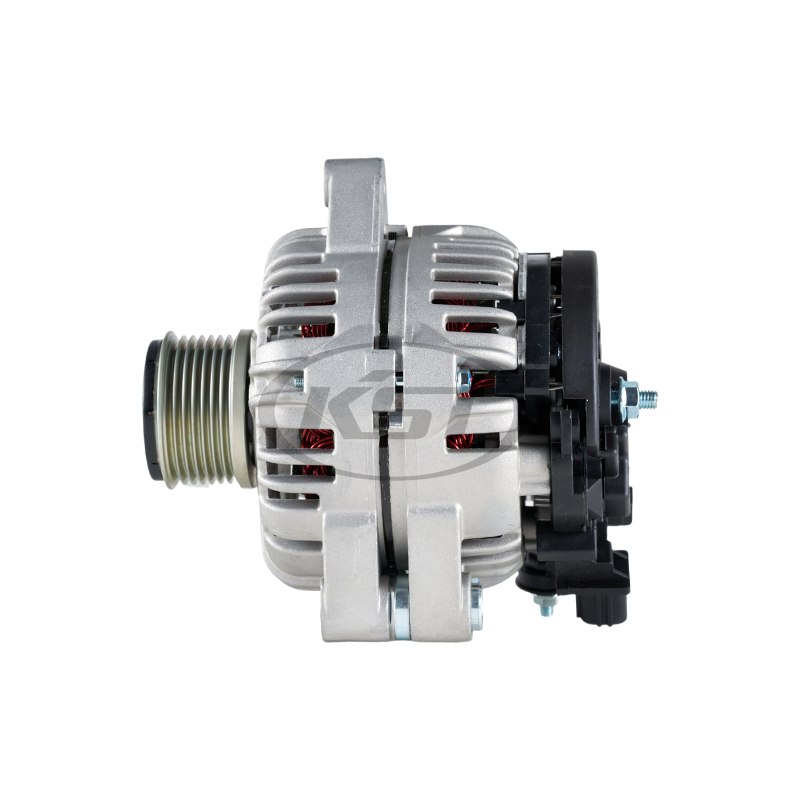
An alternator does not work in isolation. Daily operating conditions, surrounding environment, and electrical demand all become part of its working life. Two units with the same specifications may experience very different conditions once installed in different vehicles or machines.
Real use often brings changing situations. Some equipment runs for long periods, while other applications involve frequent starts, stops, and changing workloads. Such differences can influence how the charging system behaves during ordinary operation.
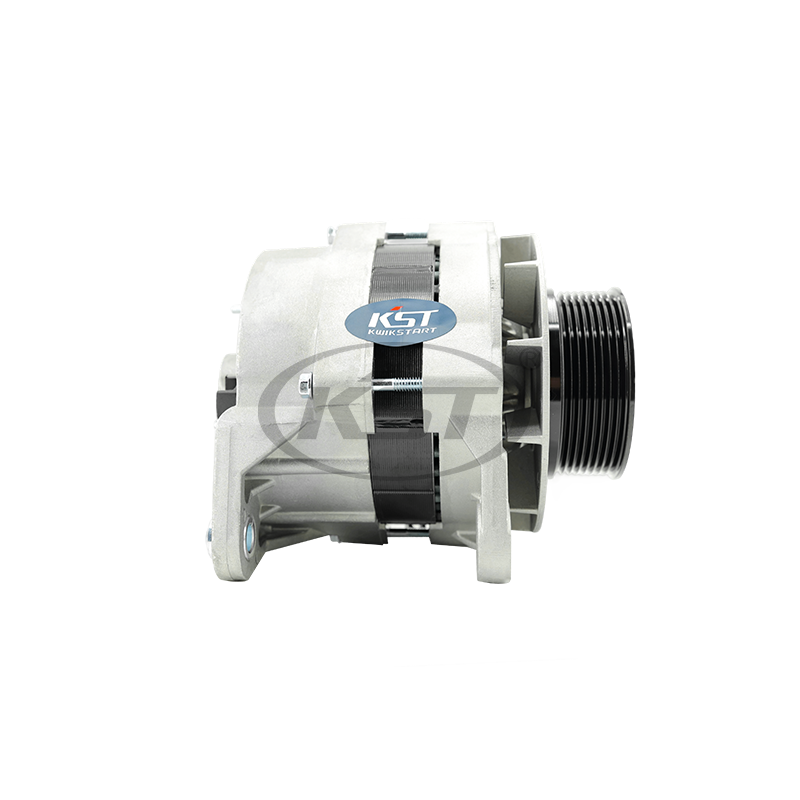
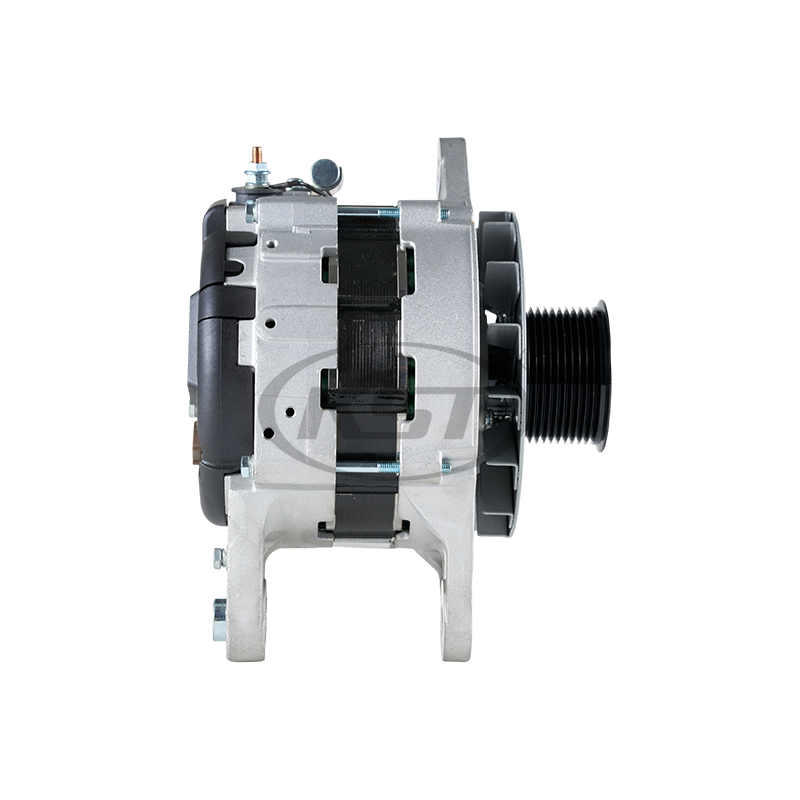
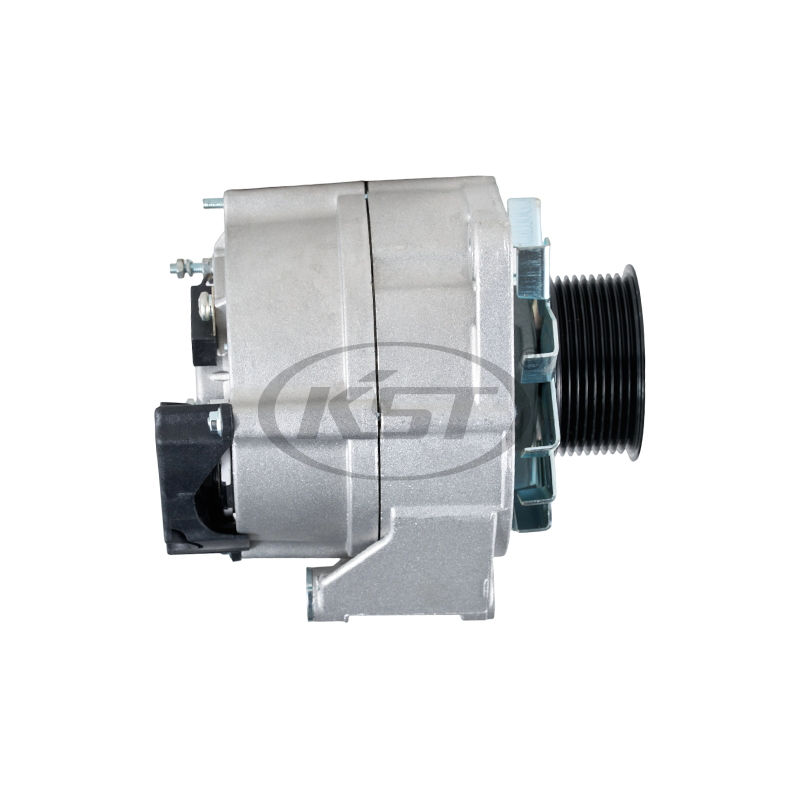
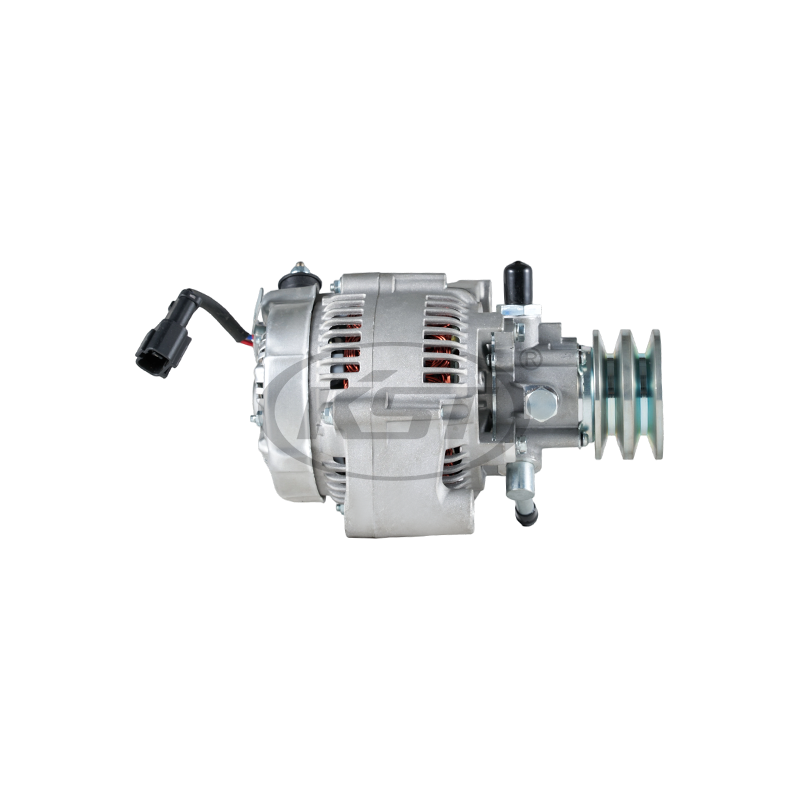
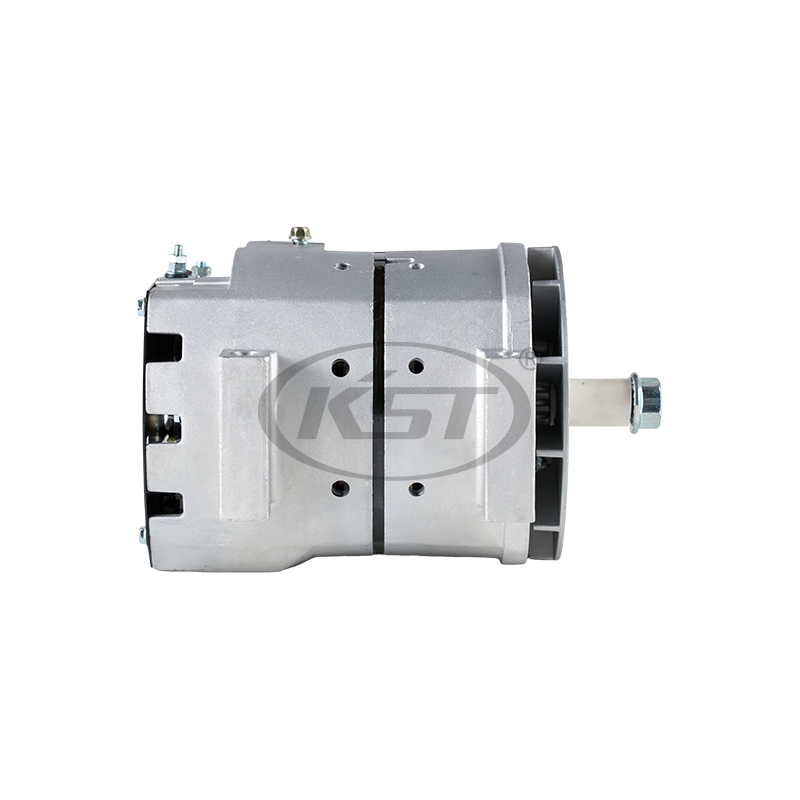
A 24 volt 60 amp alternator works as part of a larger electrical system. Output performance is connected not only to its internal structure but also to the conditions surrounding it every day.
Several factors often shape working conditions:
Electrical demand rarely stays unchanged. Lighting, control systems, cooling equipment, and other components may be used differently throughout the day. As demand shifts, the charging system adjusts continuously to support overall operation.
Operating environment also plays a role. Heat, dust, moisture, and vibration become part of normal working conditions in many applications. Their influence often develops gradually rather than appearing all at once.
Regular observation helps operators notice small changes before they become larger concerns. An unusual sound, visible dirt buildup, or a loose connection may seem minor at first, yet such details can affect long-term operation.
Looking at actual working conditions often provides a clearer picture than focusing only on technical specifications. Everyday use reveals how equipment performs when faced with real operating demands.
Electrical demand changes constantly as equipment operates. Some systems require power throughout the entire working cycle, while others draw power only when certain functions are active.
As different components begin operating, demand on the charging system changes as well. A balanced electrical system helps distribute power smoothly across connected equipment.
Several factors influence daily electrical demand:
During some tasks, only a limited number of electrical devices may be active. At other times, several systems may operate together. Such variations create different conditions for the charging system.
Daily operating patterns can influence charging behavior. Equipment that works for extended periods often experiences different electrical conditions compared with equipment used only occasionally throughout the day.
Electrical system condition matters as much as component selection. Wiring condition, connection quality, and overall system organization all influence how power moves through the equipment.
When electrical demand and charging capability work together in a balanced way, operation generally becomes easier to manage. Attention to the complete system often provides a better result than focusing on one component alone.
Operating conditions extend beyond electrical demand. Environmental influences remain present throughout the life of the equipment and often affect performance gradually.
Heat is a common part of many working environments. Machinery, engines, and surrounding equipment can all contribute to higher operating temperatures. Continuous exposure may influence nearby components over time.
Moisture presents another consideration. Wet conditions, humidity, and exposure to water can affect external surfaces and connection areas. Regular inspection becomes especially useful where moisture is frequently present.
Dust is often overlooked because it builds slowly. Over time, accumulated dirt can make inspection more difficult and may affect surrounding components.
| Environmental Factor | Possible Influence | Maintenance Consideration |
|---|---|---|
| High temperature | Changes operating conditions | Observe ventilation and surrounding airflow |
| Moisture | Influences exposed parts | Keep connection areas clean |
| Dust | Builds up gradually | Carry out routine cleaning |
| Vibration | Affects mounting stability | Inspect mounting points regularly |
Vibration is another condition frequently encountered in vehicles and industrial equipment. Constant movement may influence mounting points and connections during long-term use.
Environmental influences rarely act alone. A machine operating in a dusty location may also experience vibration and heat at the same time. Understanding the complete operating environment helps create a more realistic view of equipment performance.
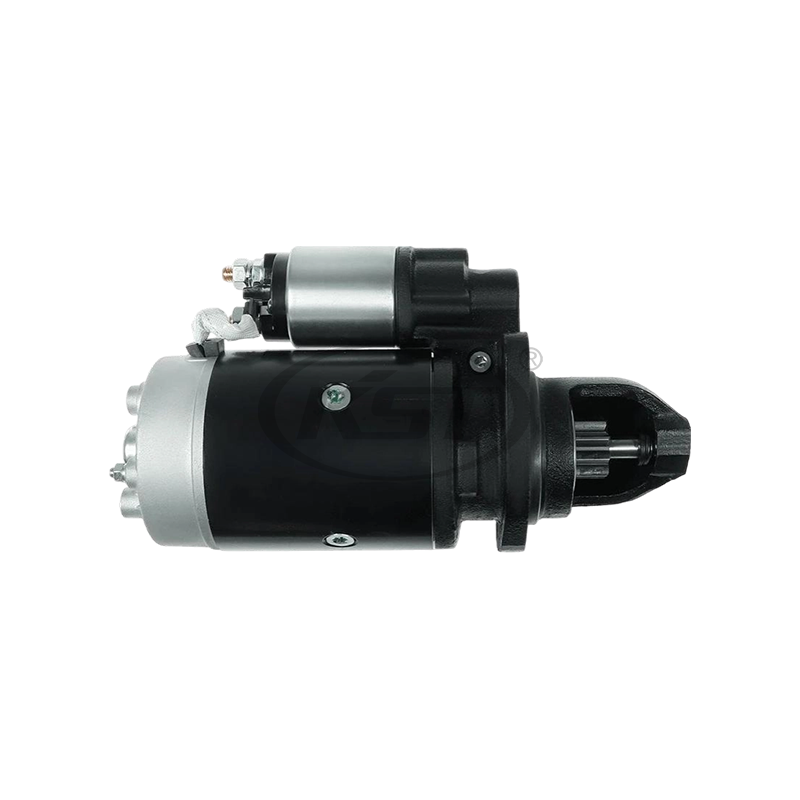
Installation is often viewed as a one-time task, yet its influence continues throughout the service life of the equipment.
Correct positioning helps create stable operating conditions. Mounting points, alignment, and surrounding space all contribute to how the alternator functions after installation.
Several installation details deserve attention:
A stable mounting arrangement helps reduce unnecessary movement during operation. Proper alignment can also support smoother interaction between connected components.
Electrical connections should remain secure and clean. Over time, vibration and environmental exposure may affect connection points, making routine inspection worthwhile.
Access for maintenance is another practical consideration. Equipment that can be inspected easily tends to be checked more regularly, allowing small issues to be identified earlier.
Installation quality continues influencing daily operation long after the initial setup is completed. Careful attention during installation often supports easier maintenance and more consistent operation later on.
Once a charging unit is fitted into the system, small installation details start affecting daily work. A stable position helps the connected parts stay in line, while a loose or uneven setup can create extra movement during operation.
Connection quality matters in a practical way. Cables, mounting points, and nearby components all need to stay in place as the machine runs through regular use. When those points remain steady, the system usually feels easier to manage.
Daily operation often depends on a few simple checks:
Inspection access also shapes how well equipment is maintained. A unit placed in a difficult position may still work, yet later checks can become more troublesome. A more open layout gives operators a clearer view of the working area and makes routine care less complicated.
Working vibration is another detail that should not be ignored. All mechanical systems create some movement, and the installation position has to cope with that movement over time. A well-fitted unit tends to stay more stable during repeated use.
A 24 volt 60 amp alternator performs better in daily use when the surrounding installation is arranged with care. The charging unit is only one part of the full system, so its position, connection, and support structure all influence how smoothly it works.
Regular maintenance often decides whether equipment keeps working in a steady way or begins to show uneven behavior. Small changes can develop slowly, so checking the unit from time to time helps keep performance closer to the expected level.
Maintenance usually focuses on a few practical areas:
External condition can give early hints about how the unit has been working. Signs of wear, dirt, or loose fitting around the mount may suggest that inspection is needed.
Cleaning is also part of regular care. Dust and residue can build up around the working area during normal use, so keeping the surrounding space clear helps make future checks easier.
Connection points deserve attention because electrical performance depends on secure contact. A loose link may not cause immediate failure, yet over time it can affect how smoothly the system supplies power.
Maintenance does not need to be complicated to be useful. Simple and regular checks often help operators spot changes early, before they turn into larger issues.
A practical maintenance routine usually depends on the actual working environment rather than a fixed schedule alone. Equipment used in harsher conditions may need closer attention, while equipment in cleaner conditions may follow a lighter service pattern.
Alternator performance and starter system requirements usually belong to the same overall power arrangement. A vehicle or machine that relies on one component often depends on the other as well, so manufacturing decisions need to reflect that connection.
A Starter Motor Factory often looks at how components fit into the larger electrical system. Matching parts during production helps keep the charging and starting arrangement more coordinated in real use.
| Production Area | Practical Concern | Why It Matters |
|---|---|---|
| Component matching | Parts need to work together | Helps overall system coordination |
| Assembly quality | Connections must stay stable | Supports daily reliability |
| Inspection process | Parts need to meet working needs | Reduces later adjustment |
| Application fit | Product needs to suit the use case | Improves system compatibility |
Starter and alternator systems do not work separately in real conditions. A suitable product needs to match the needs of the vehicle or machine as a whole. That is why production planning often considers related components together.
When component matching is handled carefully, later installation and operation tend to feel more straightforward. The complete electrical system benefits when related parts are designed with the same working environment in mind.
Choosing the right unit usually begins with the actual working condition. A product may look suitable on paper, yet still feel less fitting once it is placed into a real system.
Selection often depends on several points:
Electrical demand is a useful starting point. Equipment with more connected devices will place different pressure on the charging system than equipment with lighter electrical use.
Installation space also matters. A unit that fits the machine structure more naturally usually becomes easier to mount and inspect later.
Maintenance convenience should not be overlooked. Units that are easier to reach often make regular checks simpler, which can support smoother long-term use.
The working environment can also shape the decision. Heat, dust, moisture, and vibration all affect how the system behaves over time, so product choice often follows the real environment rather than only the specification sheet.
Application needs continue shifting as vehicles and equipment take on different tasks. Electrical systems now face changing use patterns, and charging components need to fit those changes without making daily operation more difficult.
Current design attention often leans toward practical service and easier integration. Instead of focusing on one fixed application, manufacturers are considering a wider range of working situations.
Areas that keep shaping design direction include:
A 24 volt 60 amp alternator is usually selected for conditions where stable charging support matters during daily use. How well it performs depends not only on the internal build, but also on installation quality, environmental conditions, maintenance habits, and the way the full system works together.
Real use conditions remain the clearest test. A unit that fits the machine, matches the electrical load, and stays easy to maintain usually gives operators fewer problems during regular service. When production and application needs stay aligned, the whole system tends to run in a more organized way.
Your email address will not be published. Required field are marked*
Get in Touch
 Heavy Duty Vehicle Motor Factory


 en
en  English
 عربى
عربى فارسی
فارسی