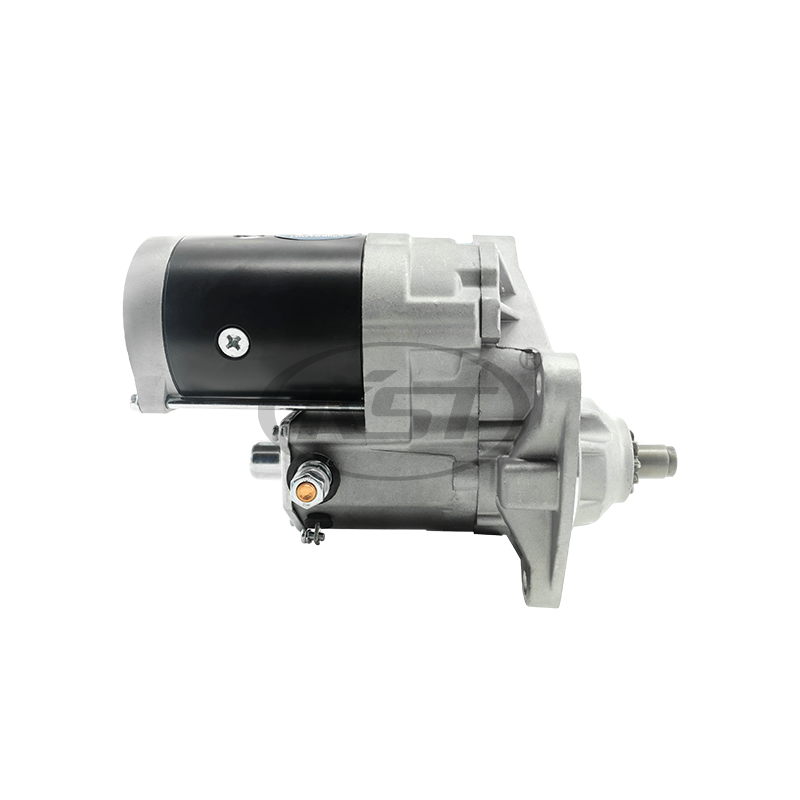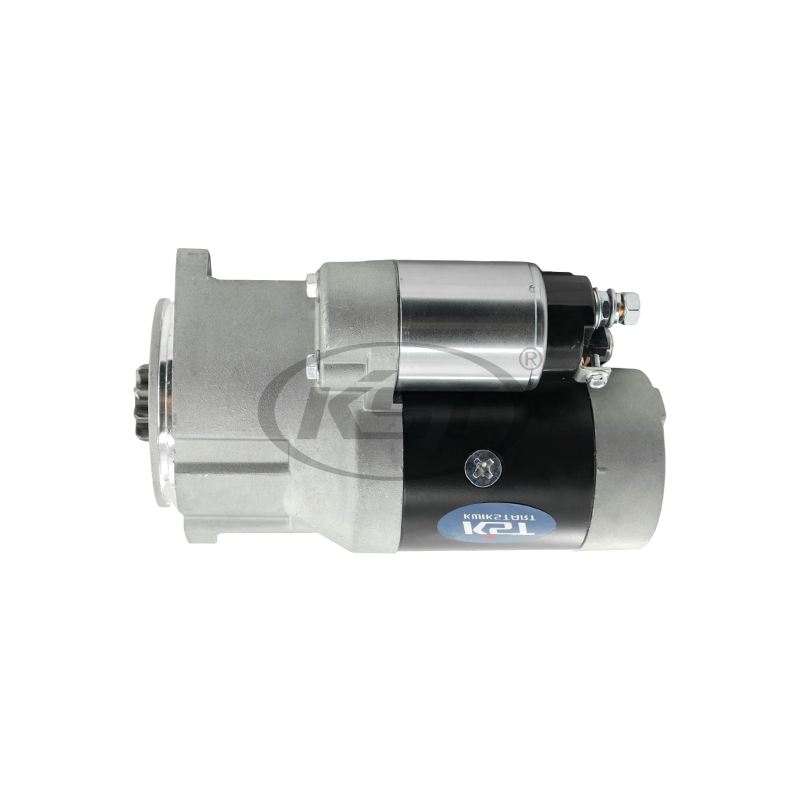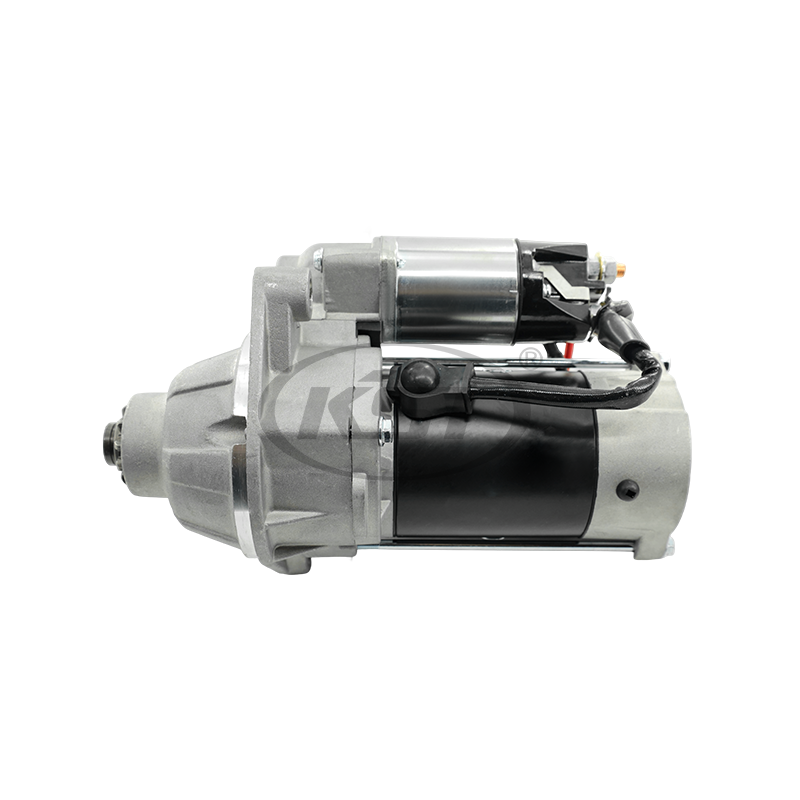
Engine starting systems tend to serve a fairly similar basic purpose across different machines, yet their design requirements can vary quite a bit depending on where they're installed and how they operate. A passenger vehicle usually works within a relatively controlled environment, while industrial equipment often faces changing conditions involving vibration, dust, heavy loads, and repeated operating cycles.
An Industrial Engine Starter tends to be developed around the needs of machinery that requires fairly stable starting performance under demanding working conditions. Construction equipment, agricultural machines, power generation systems, and other industrial applications often use engines that differ from ordinary vehicle engines in size, structure, and operating habits. Because of these differences, starter design generally needs to weigh mechanical strength, electrical matching, and installation conditions together.
A standard automotive starter is mainly built for personal transportation vehicles, with a structure that focuses on compact installation, weight control, and fairly regular starting routines. Industrial applications usually call for a different approach, since equipment downtime can affect production processes, field operations, or machine availability.
The differences between industrial and automotive starters tend to show up in a few areas:
| Comparison Area | Industrial Engine Starter | Automotive Starter |
|---|---|---|
| Working Environment | Used in machinery exposed to complex conditions | Mainly used in transportation environments |
| Structural Design | Built around heavier operating requirements | Designed for compact vehicle installation |
| Electrical Matching | Adapted to industrial power systems | Matched with vehicle electrical systems |
| Maintenance Consideration | Often designed for easier inspection and replacement | Usually focused on vehicle service conditions |
A starter used in industrial equipment isn't really just a scaled-up vehicle starter. Internal components, housing design, connection methods, and protection features generally need to match the specific engine application fairly closely.
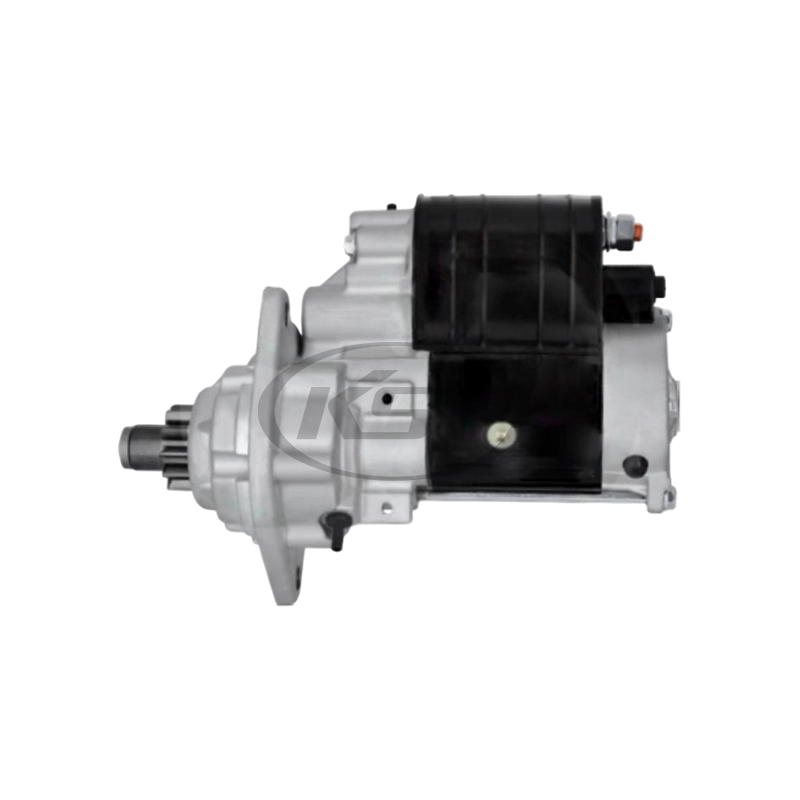
The physical structure of a starter tends to shape how it interacts with an engine system. Industrial machines often use engines with greater mechanical resistance during startup, which tends to require starter components that can handle different operating forces.
Housing design is one area where differences tend to become noticeable. Industrial starters may need stronger external protection, since equipment can operate in environments involving dust, moisture, vibration, or temperature swings. A sturdier housing structure tends to help protect internal parts during continuous operation.
Internal components also tend to need careful consideration. Rotating parts, electrical connections, and mechanical engagement systems need to work together fairly smoothly. Industrial applications may place additional demands on component durability, since machines are often used for longer working periods compared with personal vehicles.
Installation methods can vary quite a bit too. Automotive starters are usually installed within fairly standardized vehicle layouts, while industrial equipment may have more customized engine compartments. Manufacturers generally need to consider mounting position, available space, connection direction, and maintenance access during the design process.
A few structural factors tend to influence starter development:
A Starter Motor Factory usually weighs these factors during production, since industrial customers may need different specifications for different machine types. Flexible manufacturing processes tend to allow adjustments in structure, connection design, and assembly methods depending on application requirements.
Electrical systems tend to play a fairly important role in starter operation. A starter converts electrical energy into mechanical movement, letting an engine begin operation, and the connection between the starter and the surrounding electrical system tends to influence how efficiently that starting process works.
Industrial machines often use electrical systems built around specific equipment needs. Voltage selection, wiring arrangement, and power supply compatibility all tend to influence starter design. Compared with passenger vehicles, industrial systems may need somewhat different electrical configurations because of engine size and operating conditions.
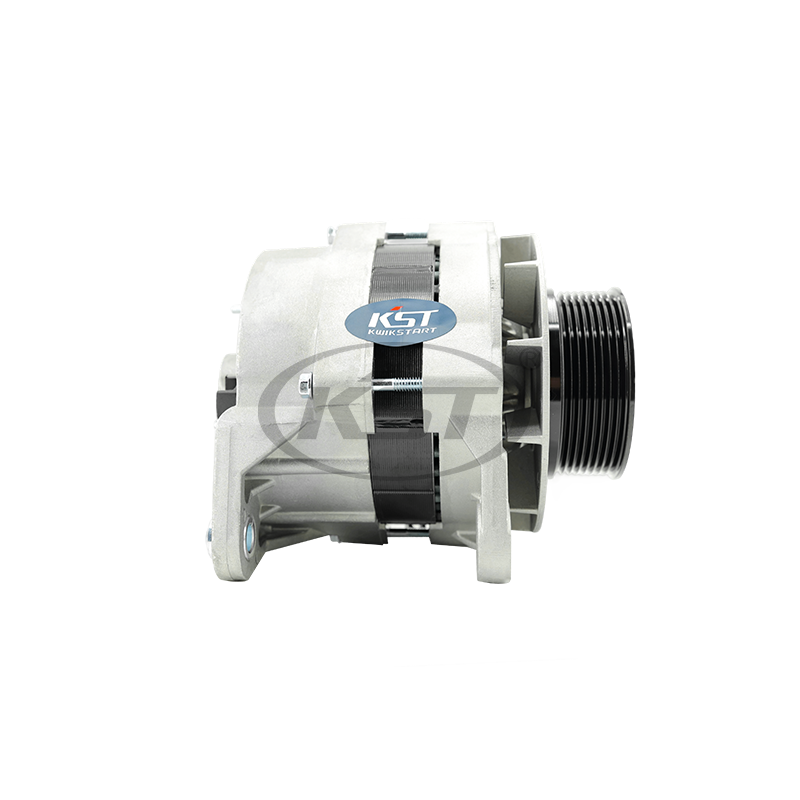
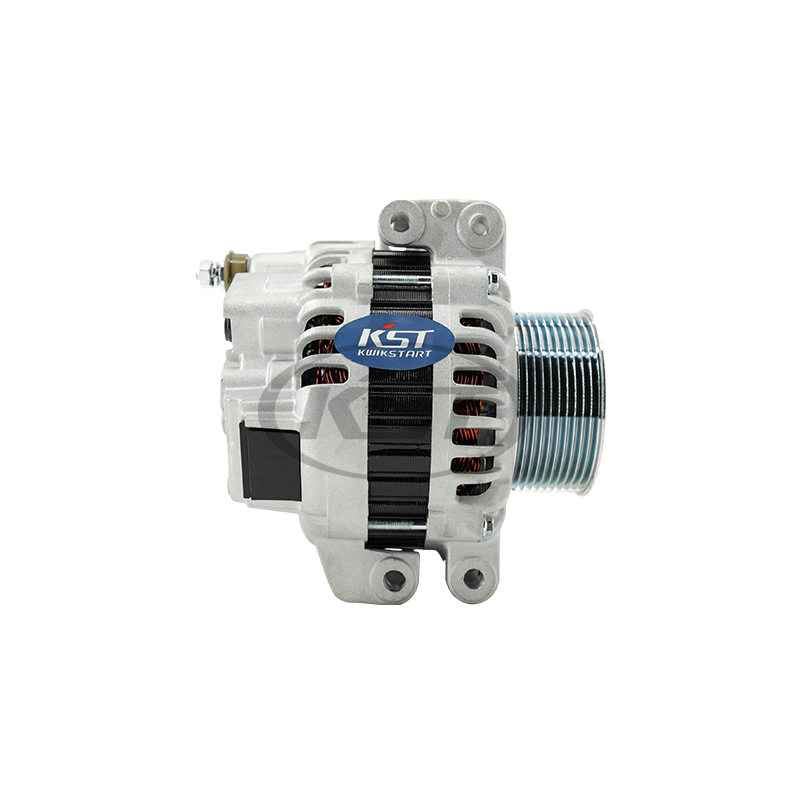
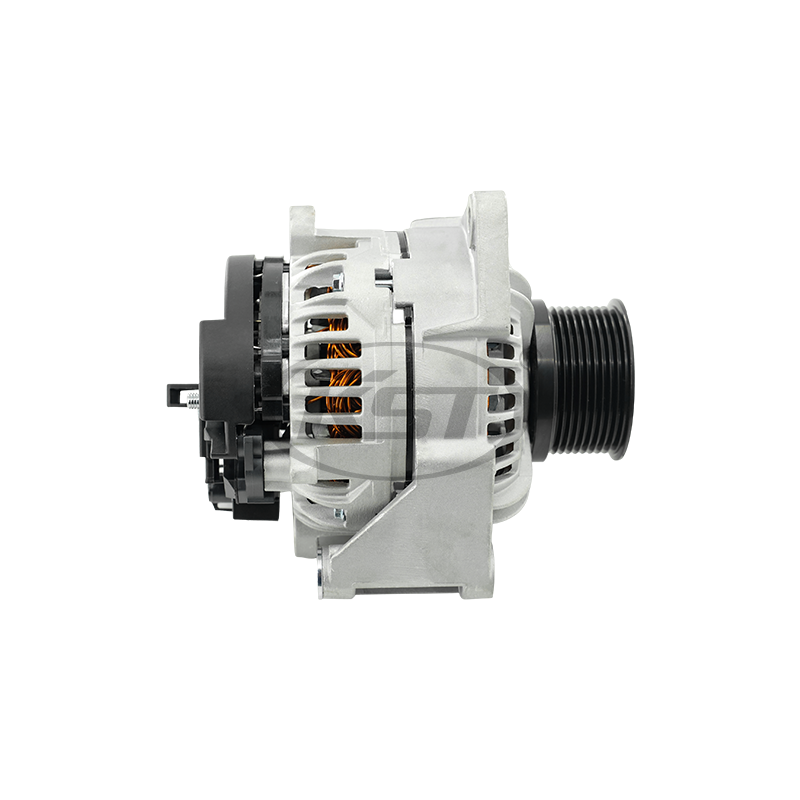
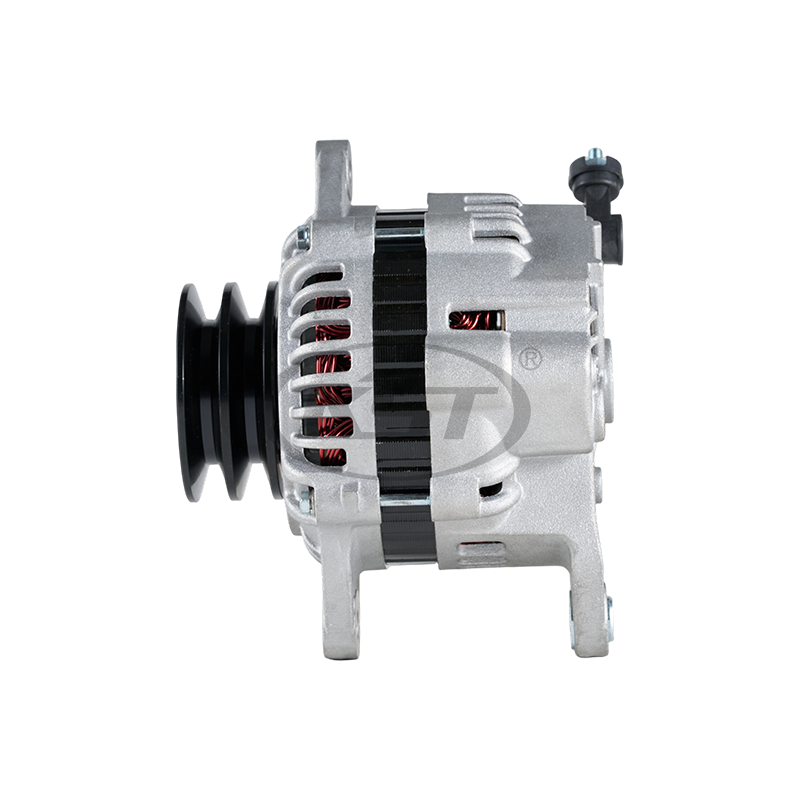
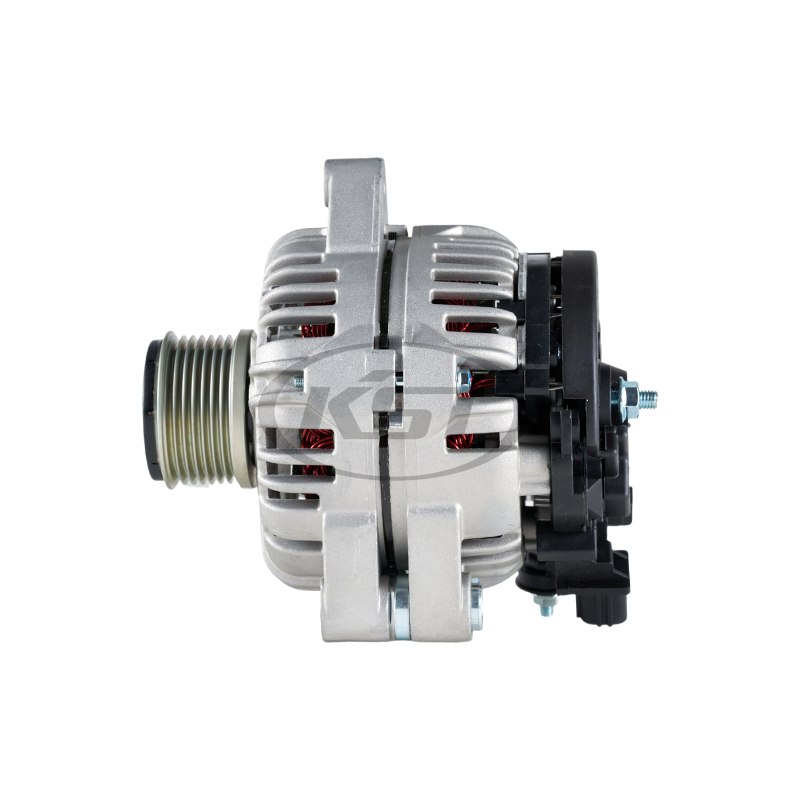
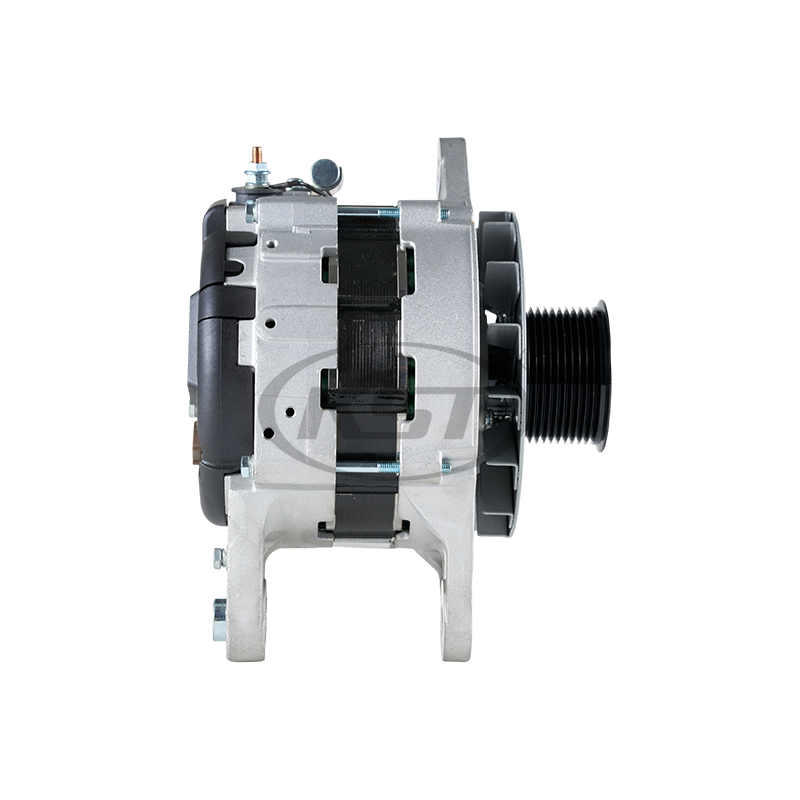
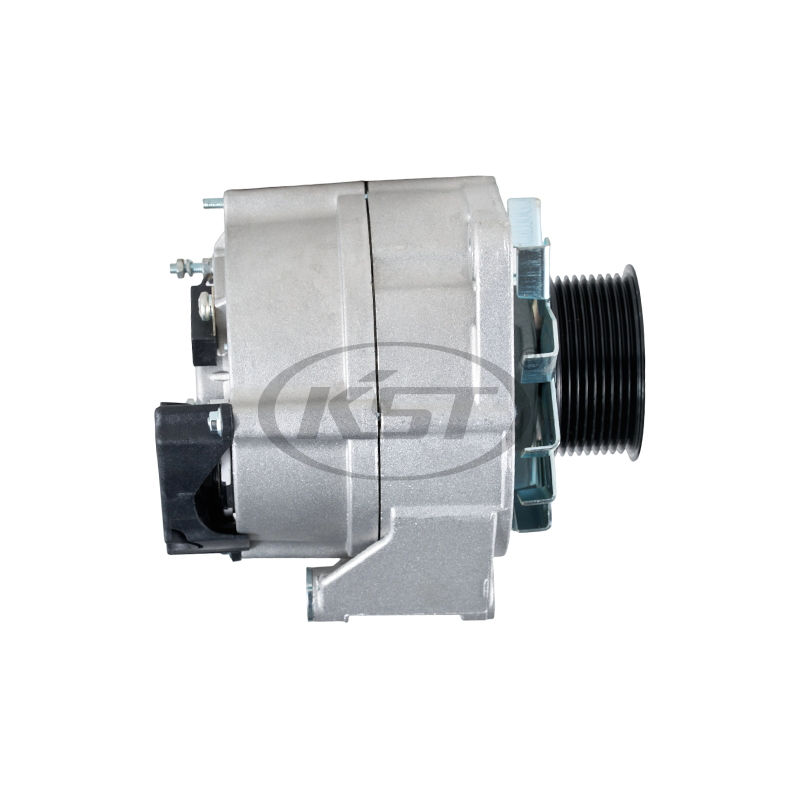
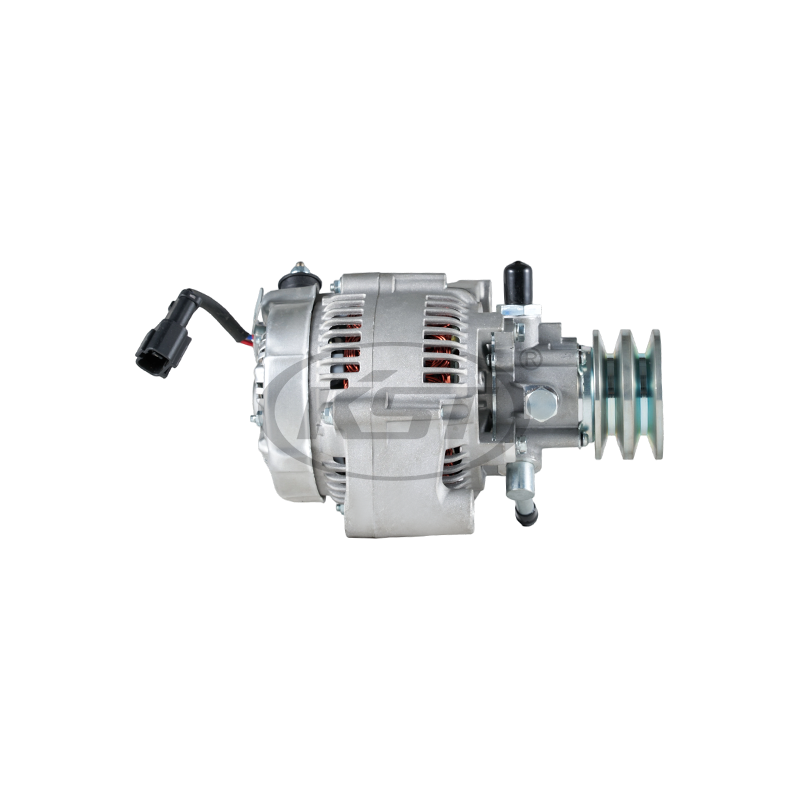
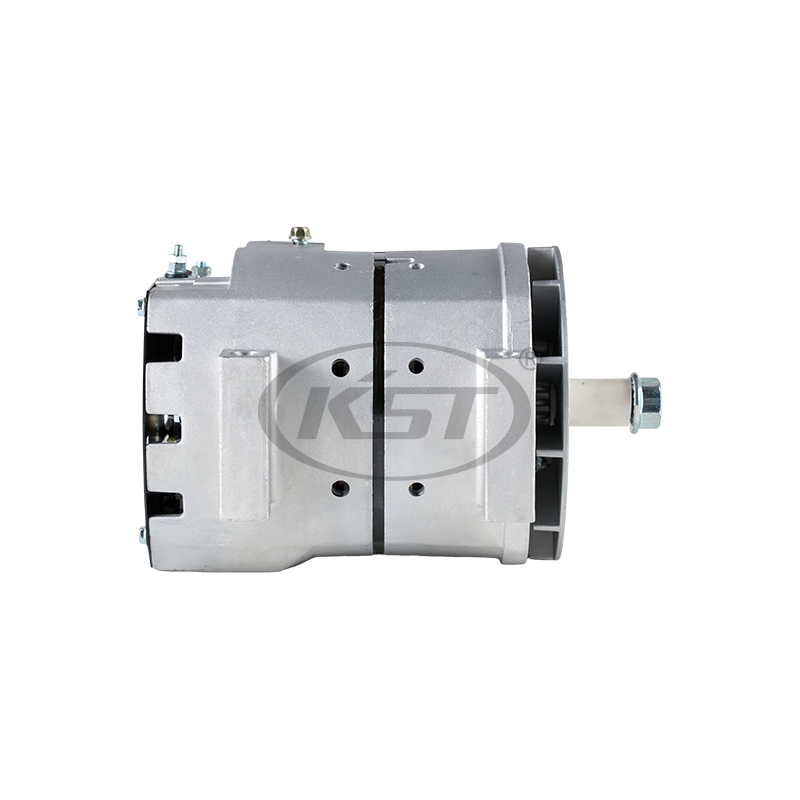
The relationship between starters and charging components tends to matter here too. After engine activation, alternators provide electrical energy for equipment operation and battery charging. A 24 volt 60 amp alternator can work in certain industrial electrical systems where matching voltage and current characteristics are needed.
Starter and alternator systems generally need to work together as part of one electrical structure. A suitable combination tends to help maintain reasonably balanced operation between engine starting and power generation functions.
A few electrical considerations worth keeping in mind:
Electrical design generally isn't limited to picking individual components in isolation. Engineers tend to need a fairly broad view of how each part interacts within the whole machine system, since a starter that fits mechanically may still need electrical adjustments to suit the equipment configuration.
Industrial equipment is often used in environments that create some additional challenges for mechanical and electrical components. Unlike passenger vehicles, which usually operate on prepared roads under fairly predictable conditions, industrial machinery may work outdoors, on construction sites, or in agricultural fields.
Vibration tends to be one factor that shapes starter design. Continuous machine movement can affect connections, housing structures, and internal assemblies over time, so manufacturers generally factor in vibration resistance when selecting materials and arranging components.
Dust and moisture exposure are also fairly common concerns. Equipment operating in open environments may encounter particles or shifting weather conditions, so starter structures generally need some level of protection to maintain stable operation during regular use.
Temperature variation can influence both electrical components and mechanical movement. Industrial starter designs often take the operating environment into account, including situations where machines start after long periods of inactivity or run under changing conditions.
Different applications tend to bring somewhat different design requirements:
A suitable starter design tends to come from understanding how the engine, electrical system, and working environment relate to one another. Manufacturers generally gather information about equipment conditions before developing compatible solutions.
Manufacturing an industrial starter tends to involve multiple production stages, with each stage affecting the final structure and operating characteristics to some degree. Compared with standard vehicle applications, industrial equipment often calls for closer attention to component matching, since starters need to work with different engine types, installation conditions, and electrical systems.
The manufacturing process usually starts with component preparation. Housing parts, rotating components, electrical assemblies, and connection elements generally need to meet design requirements before moving into assembly. Material selection and processing methods tend to influence the strength, stability, and compatibility of the finished starter.
During assembly, internal components get installed according to fairly specific structural arrangements. The relationship between electrical and mechanical parts tends to need careful adjustment, since the starter has to convert electrical energy into mechanical movement fairly smoothly. Assembly accuracy tends to affect how well different components cooperate during operation.
Testing is another important stage. Manufacturers generally check electrical connections, mechanical movement, and overall assembly condition to catch possible issues before the starter goes into equipment. Testing procedures tend to vary depending on the intended application and customer requirements.
A Starter Motor Factory usually manages these production needs through fairly organized processes, including:
Industrial starter manufacturing tends to require coordination between engineering design and production management. A small change in mounting structure, electrical connection, or component arrangement may influence compatibility with the final machine, which is part of why communication between equipment manufacturers and starter producers tends to matter throughout development.
Starting and charging systems tend to be closely connected within industrial machinery. The starter provides the initial mechanical movement needed to activate the engine, while the alternator supports electrical supply once the engine is running.
Once the engine starts, the alternator converts mechanical energy into electrical energy for batteries and connected equipment. In some industrial applications, a 24 volt 60 amp alternator may be selected based on the electrical requirements of the machine system. Matching the alternator with the starter and battery configuration tends to help maintain fairly stable interaction between the different electrical components.
A starter and alternator generally don't work in isolation from each other. Their relationship tends to involve a few areas:
| System Component | Main Function | Connection Consideration |
|---|---|---|
| Starter | Provides engine starting movement | Needs suitable electrical supply and mechanical fitting |
| Alternator | Generates electrical power after startup | Needs compatibility with the equipment charging system |
| Battery System | Stores and supplies electrical energy | Influences starting capability and charging balance |
| Control Components | Manages electrical operation | Supports coordination between system parts |
The design of industrial electrical systems tends to depend on the machine structure as a whole. Engineers generally need to weigh engine requirements, operating environment, and equipment functions together when selecting starting and charging components.
In some applications, machines run for extended periods and rely on fairly continuous electrical support. A well-matched system tends to let different components carry out their roles without unnecessary interaction problems.
The connection between starter and alternator design also tends to influence maintenance planning. When electrical components are designed with compatibility in mind, inspection and replacement processes can become somewhat easier for equipment operators and service teams.
Selecting a suitable industrial starter tends to require attention to several practical conditions. Since industrial equipment varies quite a bit in structure and application, choosing a starter usually involves more than comparing basic specifications side by side.
Engine characteristics tend to be an important consideration. Different engines create different starting requirements because of variations in size, operating conditions, and mechanical resistance, so a starter generally needs to match the engine system rather than being picked separately.
Installation space is another factor worth keeping in mind. Industrial machines often have fairly unique layouts, and the available space around the engine may affect starter dimensions and mounting methods. Connection positions, fixing points, and maintenance access tend to be worth considering during selection.
Electrical compatibility also tends to affect starter choice. Voltage requirements, wiring systems, and charging components generally need to work together reasonably well, since a mismatch between electrical components may affect system operation.
A few environmental conditions also tend to be worth evaluating:
Application experience tends to support suitable selection too. Communication between equipment users, engineers, and manufacturers generally helps identify practical requirements before production begins.
A Starter Motor Factory often provides different structural options depending on equipment needs. Customization may involve connection adjustments, housing changes, or design modifications that support compatibility with specific machines.
Industrial equipment continues to change as machinery becomes more specialized and interconnected. Starter designs tend to be adapting alongside, in response to new requirements around equipment structure, energy management, and maintenance methods.
One development direction involves improving compatibility with different machine systems. Industrial equipment manufacturers often need components that fit specific designs rather than off-the-shelf solutions, and flexible production methods tend to let starter designs adapt to different applications more easily.
Compact structures are another area getting attention. Machinery layouts keep changing, which creates demand for components that offer reasonable performance while fitting within fairly limited installation spaces. Designers generally need to balance size, structure, and operating requirements during development.
Maintenance considerations are also becoming somewhat more important. Industrial users often focus on reducing unnecessary downtime through easier inspection and replacement processes, so starter designs may increasingly include features that support service accessibility and system integration.
Electrical system coordination remains a fairly important development area too. As machinery incorporates more connected components, starters need to work reasonably well with charging systems, control units, and other electrical equipment. Components such as a 24 volt 60 amp alternator illustrate how industrial power systems tend to get designed around fairly specific operational requirements.
Developing industrial starters tends to involve cooperation between designers, engineers, and manufacturers throughout. Understanding equipment conditions, production possibilities, and user requirements together tends to help create suitable solutions across different applications.
Industrial and automotive starters share a similar basic purpose in assisting engine operation, yet their design paths tend to diverge since their working environments and system requirements differ fairly substantially. Industrial Engine Starter development tends to focus on structural compatibility, electrical coordination, and environmental adaptability, which helps different types of machinery maintain fairly stable starting functions across varied working conditions.
Your email address will not be published. Required field are marked*
Get in Touch
 Heavy Duty Vehicle Motor Factory


 en
en  English
 عربى
عربى فارسی
فارسی