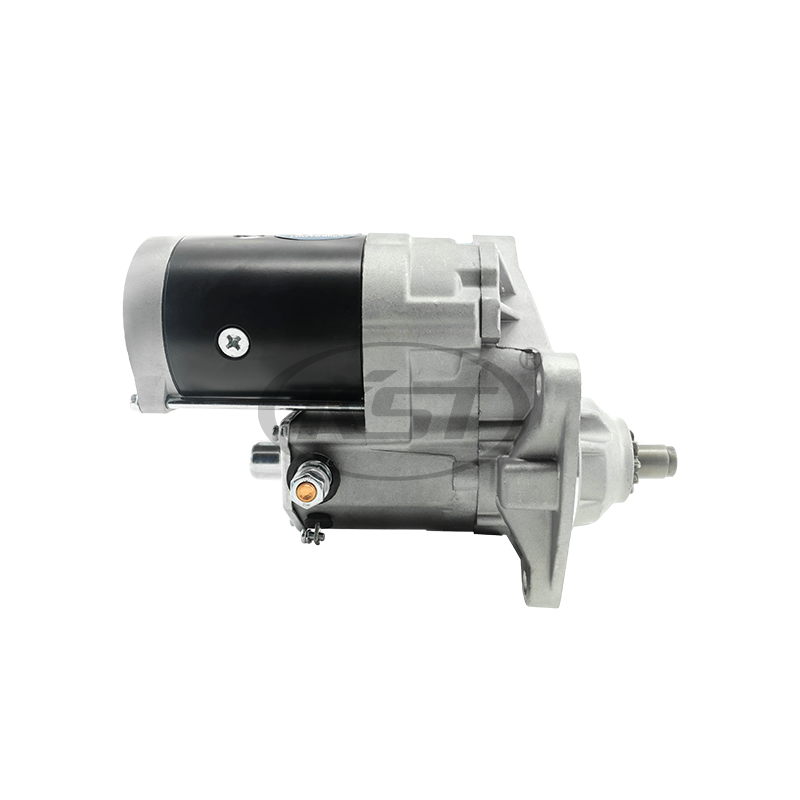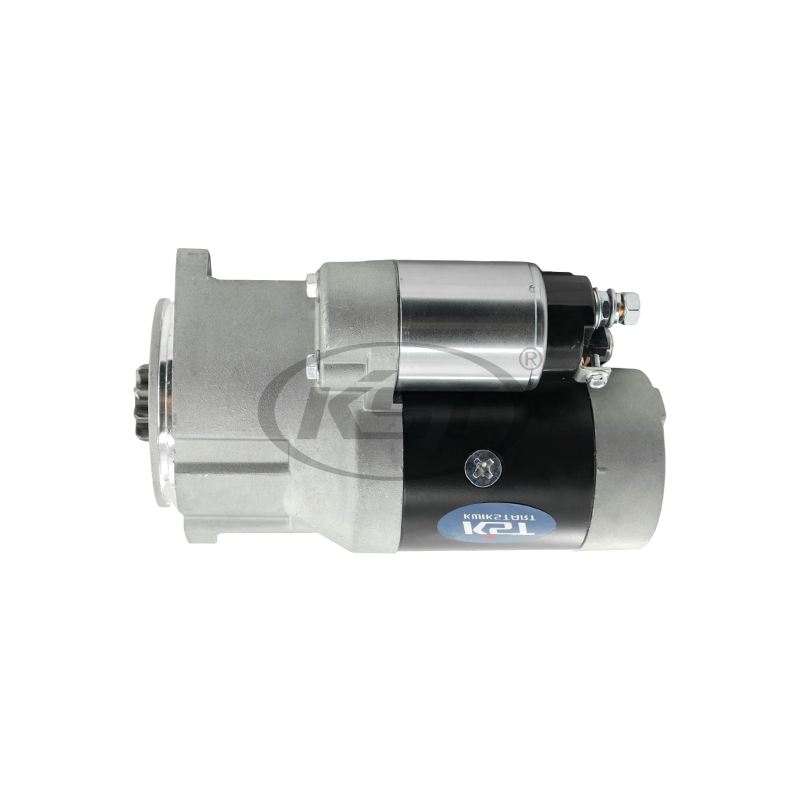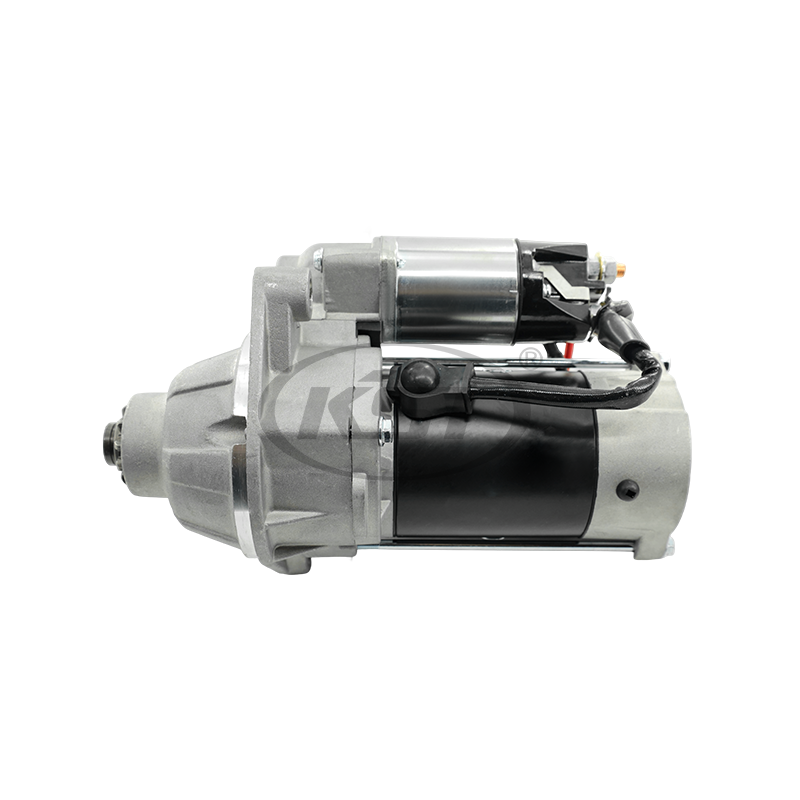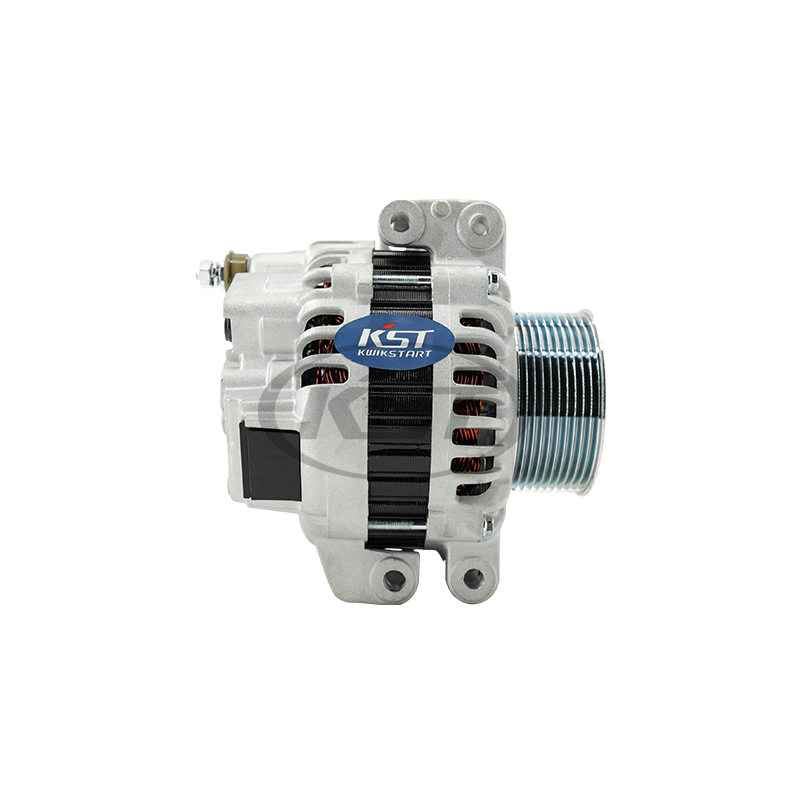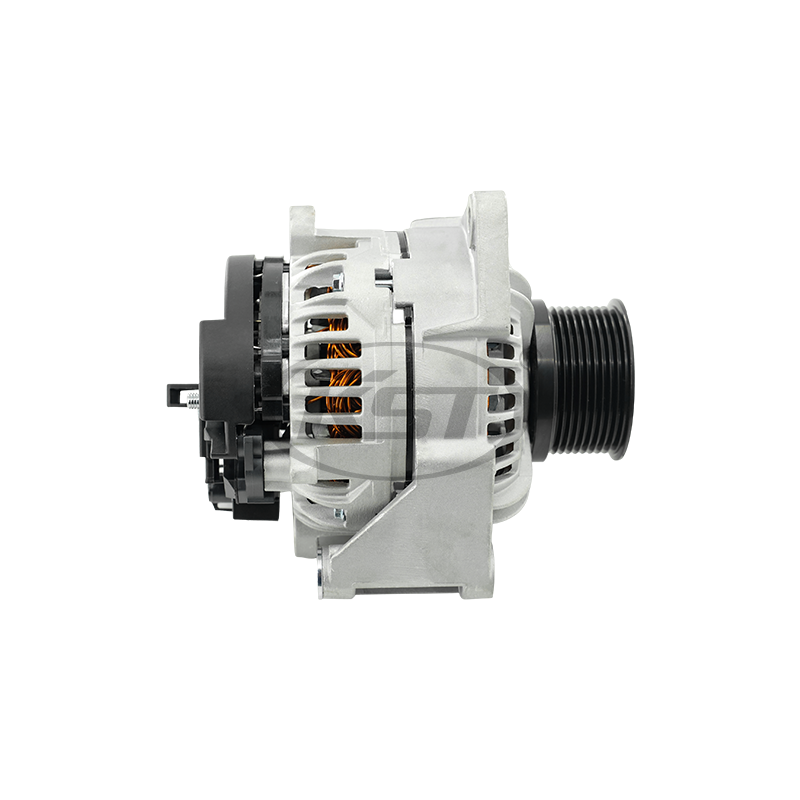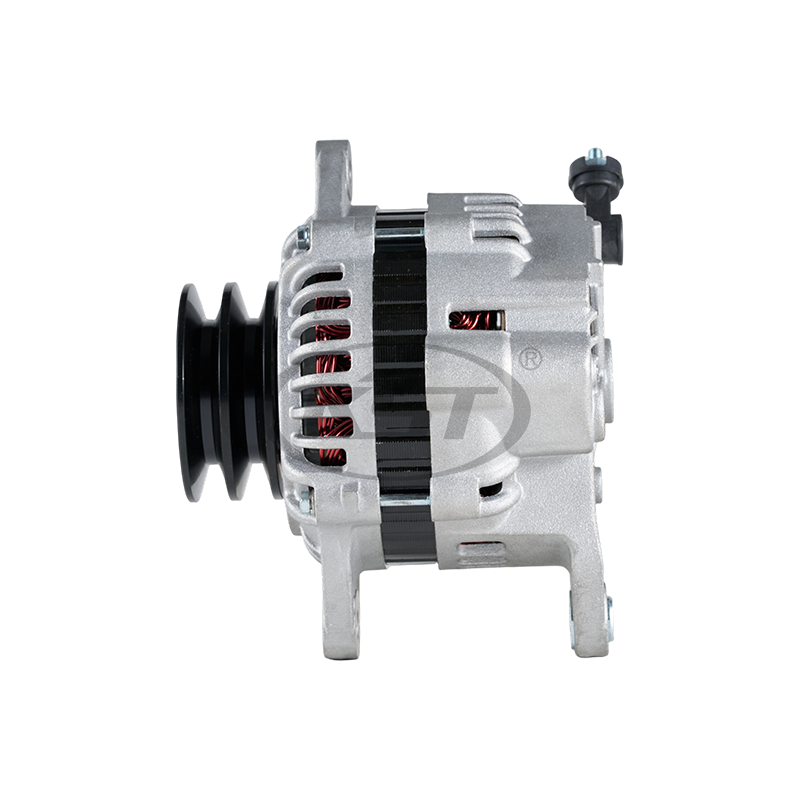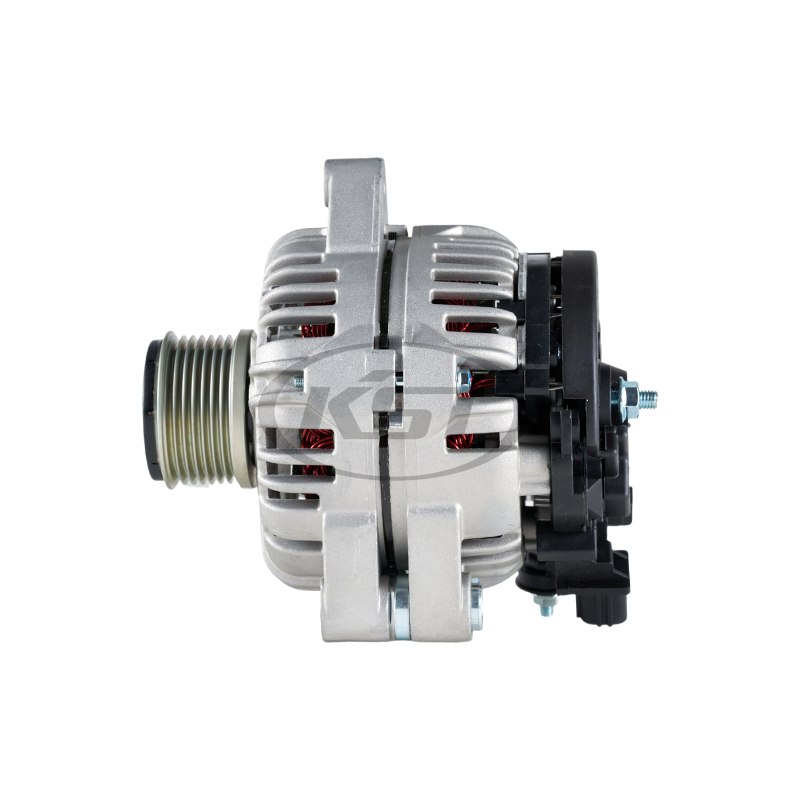
A starter motor factory runs on a straightforward principle: take raw materials and turn them into something that can crank an engine to life. Copper wire arrives on spools. Steel stampings come in boxes. Cast housings show up on pallets. Workers feed these materials into machines that wind, shape, press, and assemble. By the time a unit rolls off the line, dozens of steps have happened in a particular order. Miss one step or get it wrong, and the starter will not do its job when someone turns the key.
The work differs from what goes on in other automotive parts plants. Starters have to produce high torque in a short burst, often under conditions that would make other electrical components struggle. Cold mornings, hot engine bays, and long periods of sitting unused all test the starter's construction. Factories that build these units develop processes around those realities. The equipment choices, the inspection points, and the assembly methods all reflect the particular demands of starter duty.
Every part inside a starter motor carries weight. The armature windings handle high current every time the motor runs. The brushes ride against the commutator, wearing down gradually with each start. The commutator segments have to stay smooth and properly spaced for reliable contact. One weak component brings the whole motor down, usually at a moment when the driver needs the vehicle to start.
Incoming inspection catches the obvious problems before they waste anyone's time. Copper wire gets measured for the right thickness. Insulation gets checked for gaps or thin spots. Castings get examined for bubbles or cracks that would weaken the housing. Sending bad materials back to the supplier costs less than building a starter that will fail in service.
The housing matters more than many people realise. It holds the internal components in alignment and mounts the starter to the engine. A housing that warps or shifts during casting throws everything off. The armature ends up out of centre, the brushes wear unevenly, and the drive gear engages the flywheel at an angle. Factories that take housing quality seriously spend time on casting control and machining accuracy.
Winding machines wrap copper wire around laminated steel cores in specific patterns. The number of turns, the wire gauge, and the layering sequence determine how the motor behaves electrically. More turns mean higher resistance and more heat. Fewer turns mean lower torque. Get the count wrong, and the starter will either draw too much current or fail to turn the engine fast enough.
Insulation separates the wire layers from each other and from the metal core. Breaks in that insulation create short circuits. A short in the winding turns a starter motor into a useless lump of copper and steel. Factories apply insulation through dipping, spraying, or wrapping processes, checking for uniform coverage as part of the routine.
Testing caught winding problems early saves downstream labour. A quick resistance check tells the operator whether the coil matches the specification. A high-voltage test reveals insulation weaknesses that would cause failure later. Passing these tests moves the component toward final assembly. Failing them keeps it off the line, preventing wasted work on a part that will never work.
Assembling a starter motor follows a fixed sequence. The stator goes into the housing. The armature drops into the stator. The brush holder and brushes go on next, followed by the commutator end cap. Fasteners get tightened to specified torque values. Each step depends on the one before it. A mistake at any point affects everything that follows.
Workstation layout affects how quickly and accurately the work gets done. Tools placed within easy reach, parts presented in the correct orientation, clear visual instructions at each station—all of these reduce errors and speed up assembly. Operators who do not have to hunt for tools or guess at settings work faster and make fewer mistakes.
Assigning workers to specific tasks builds skill through repetition. A person who installs brush holders all day learns to recognise the feel of a correct fit. They notice when something does not line up properly. That kind of specialised knowledge improves consistency across thousands of units.
OEM orders demand tighter control than aftermarket runs. The starter has to match the original dimensions and performance exactly, fitting into the vehicle without modification. Any deviation from the design specification creates problems during installation or operation.
Traceability becomes important with OEM starter motor production. Each unit carries identifying marks that connect it to specific production batches and test records. If a question comes up about performance or reliability, the factory can trace that unit back through its manufacturing history. Knowing where and when the unit got built helps identify any patterns in production that might need attention.
OEM starter motor orders also require more documentation. Certificates of compliance, test reports, and other paperwork accompany each shipment. Maintaining these records takes administrative effort but supports long-term relationships with customers who need that level of verification.
| Production Aspect | OEM Starter Motor Orders | Aftermarket Starter Motor Orders |
|---|---|---|
| Specification tolerance | Narrower, exact match to original | Wider, may fit multiple applications |
| Marking and labelling | Detailed unit-level traceability | Basic identification only |
| Supporting paperwork | Comprehensive test reports | Limited documentation |
| Production scheduling | Often volume-based with long-term commitments | More varied in batch size and frequency |
| Component sourcing | Approved suppliers only | More flexible sourcing options |
Testing a starter once at the end makes sense on the surface. The unit either works or it does not. But a failed test at the end means tearing down the assembly or throwing it away. The labour that went into building that starter gets wasted. Testing earlier prevents that waste. A winding that fails a resistance check before assembly never enters the line. A housing that fails a dimensional check never gets populated with components. Each test point removes bad parts before they consume additional work.
In-process testing catches faults that visual inspection misses. A winding might look clean and neat but measure high resistance. A housing might look solid but fail a bore diameter check. A brush assembly might appear correctly installed but produce electrical readings outside tolerance. These faults only show up through testing, and catching them early saves downstream labour and materials.
Functional testing runs the completed starter under load. The motor spins, engages the drive, and produces torque. Listen for noise during this run. Grinding suggests misalignment or bearing issues. Whining points toward worn or improperly fitted components. Rattling indicates loose parts or debris inside the housing. Vibration measurements reveal imbalances that will shorten life. These tests simulate real service conditions and confirm the starter meets its performance targets.
Noise and vibration deserve close attention because they often indicate problems that will worsen over time. A starter that runs quietly during testing will likely stay that way in service. One that makes noise on the test stand will only get louder as the vehicle accumulates starts. Setting clear pass-fail criteria for noise and vibration helps maintain consistent quality across production runs.
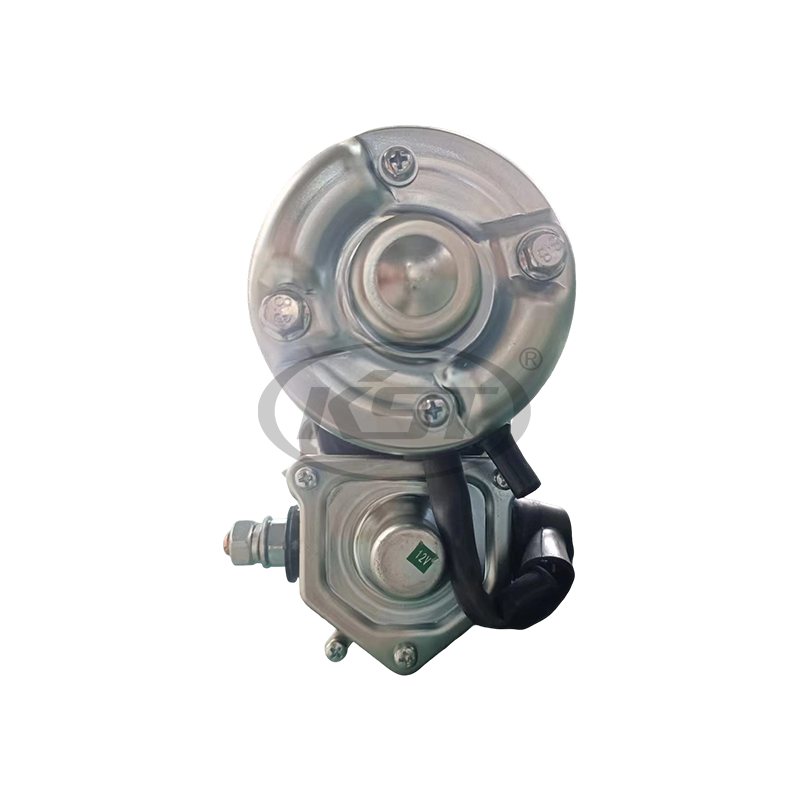
Quality control in a starter motor factory combines several approaches. Incoming materials get checked against specifications. Dimensional measurements during machining keep housings and shafts within tolerance. Electrical testing confirms that windings and assemblies perform as designed. Each approach covers different potential failure modes.
Visual inspection happens throughout the process. Operators look for scratches, dents, or surface defects that could affect performance. A scratched commutator surface, for example, causes excessive brush wear and electrical noise. A dented housing might not seal properly against the engine. These visual checks catch problems that electrical tests could miss.
End-of-line auditing samples units from completed runs for thorough examination. Auditors measure critical dimensions, run performance tests, and disassemble sample units to inspect internal components. The audit results feed back to production teams, identifying trends or recurring issues that need attention.
| Quality Check Point | What Gets Checked | Why It Matters |
|---|---|---|
| Incoming material inspection | Wire gauge, insulation integrity, casting soundness | Catches defects before they enter production |
| Winding verification | Turn count, resistance, insulation breakdown | Prevents assembly of faulty electrical components |
| In-process dimensional checks | Housing bore, shaft diameter, commutator concentricity | Ensures proper fit and alignment |
| Functional testing | Torque output, current draw, noise level | Confirms performance under simulated conditions |
| End-of-line audit | Full disassembly of sample units | Provides feedback for process improvement |
Starter motor factories get orders of all sizes. Some customers need thousands of units per week. Others order in smaller quantities, sometimes just a couple hundred at a time. Managing this mix requires careful planning and flexible operations.
High-volume orders keep lines running with minimal disruption. The same setup stays in place for days or weeks, and operators become highly efficient. Tooling does not get changed, and the process settles into a predictable rhythm. Low-volume orders require more setup time between runs, as the line reconfigures for different models or specifications.
Tooling changeover involves swapping fixtures, adjusting winding machines, and recalibrating test equipment. The time needed for changeover varies depending on how different the next order is from the previous one. Grouping similar orders together reduces total changeover time. Running all orders for one starter model back-to-back keeps the line set up for that model throughout.
Inventory management adds another dimension. Common components like standard brushes or fasteners get stocked in larger quantities. Rare components, used only for certain orders, get ordered in smaller batches. Balancing inventory levels against order forecasts prevents shortages without tying up too much money in stock.
Staff allocation shifts with order volumes. High-volume periods may see all lines running with extra shifts. Lower-volume periods allow for maintenance, training, or process improvement work. Supervisors adjust staffing to match production demand while keeping quality standards in place.
The driver whose vehicle starts reliably every morning does not think about the factory that built the starter. The driver whose vehicle fails to start on a cold morning thinks about little else. Behind the starter's behaviour lies the consistency of the production process.
Factories that maintain tight control over every step produce starters that perform the same way from one unit to the next. The winding count stays within tolerance. The brush alignment remains consistent. The housing dimensions hold to specification. These small details add up to a product that works as expected, every time.
Variations in production show up as inconsistent performance. Some starters last for years; others fail within months. Some draw the right amount of current; others pull too much or too little. These variations trace back to differences in how individual units got built. A winding with one extra turn, a housing machined slightly off-centre, or a brush with improper spring tension all cause field failures.
Manufacturing discipline produces products that behave predictably. The factory that invests in process control, employee training, and quality testing delivers starters that vehicle owners and repair shops can count on. The factory that cuts corners or rushes through production sends out units that will eventually come back as warranty claims or dissatisfied customers.
Your email address will not be published. Required field are marked*
Get in Touch
 Heavy Duty Vehicle Motor Factory


 en
en  English
 عربى
عربى فارسی
فارسی