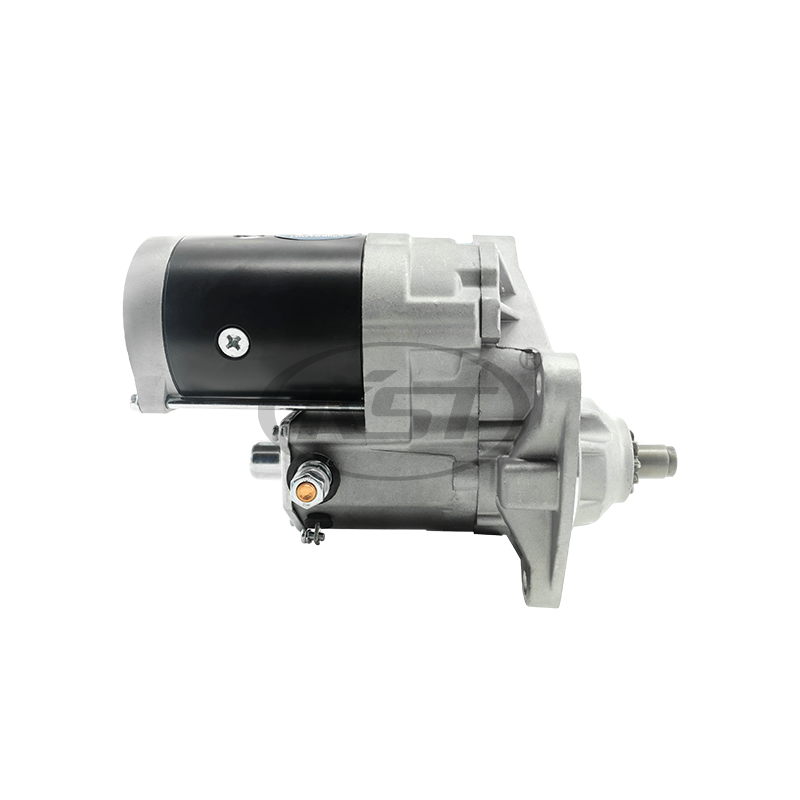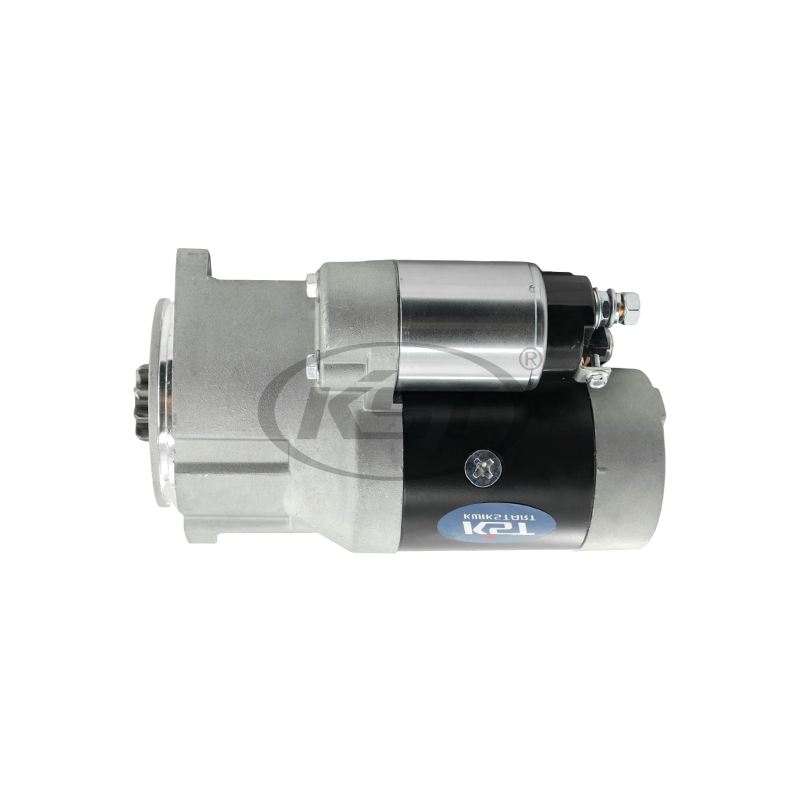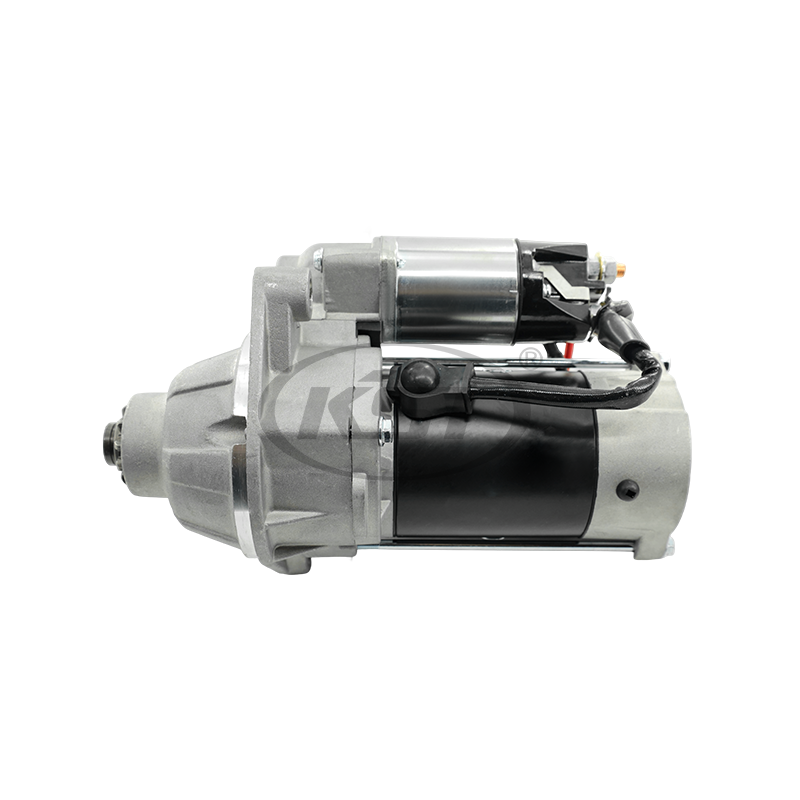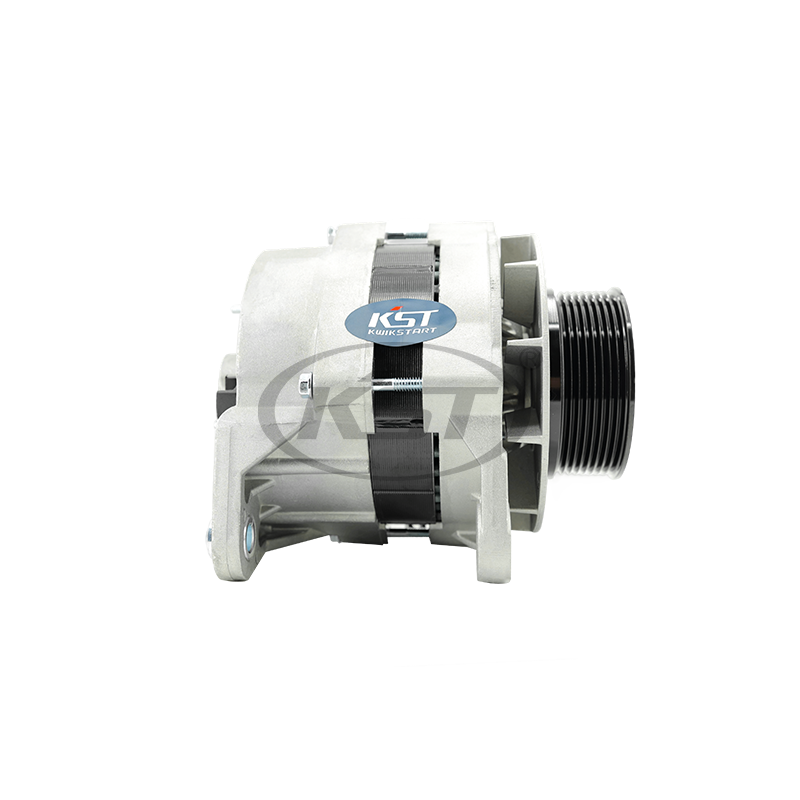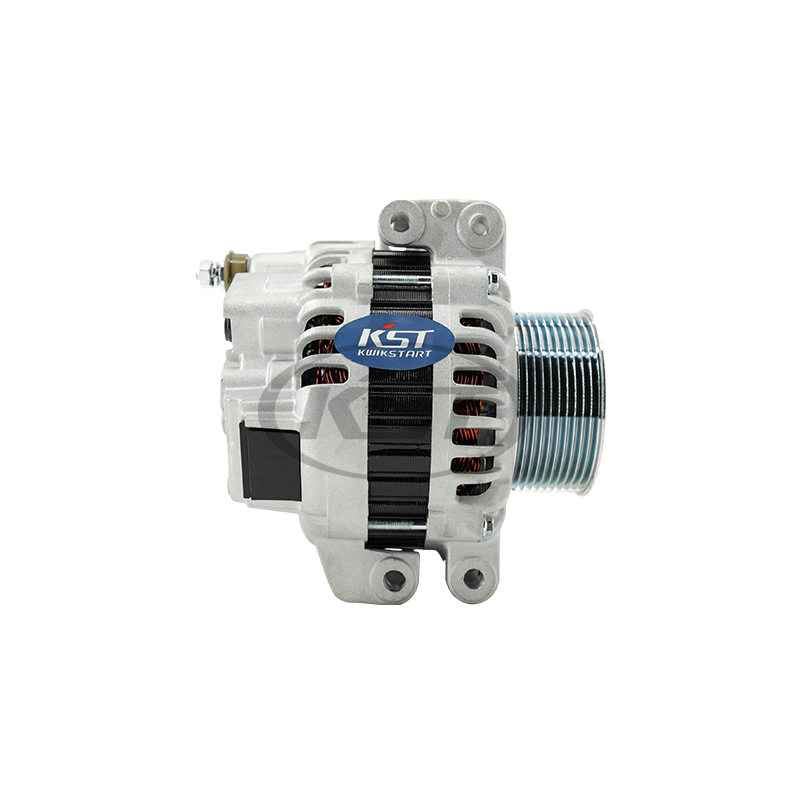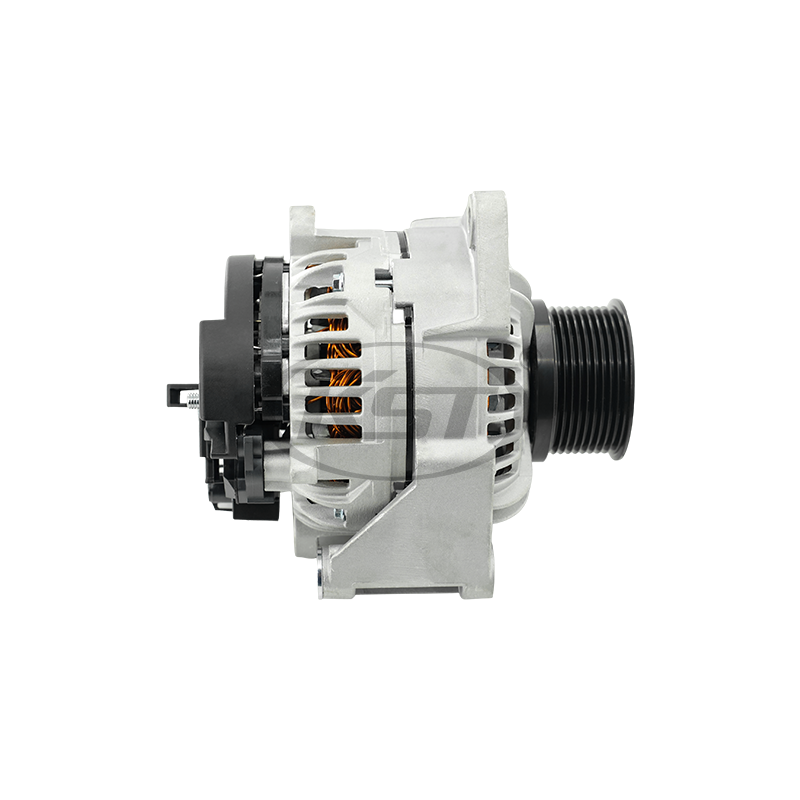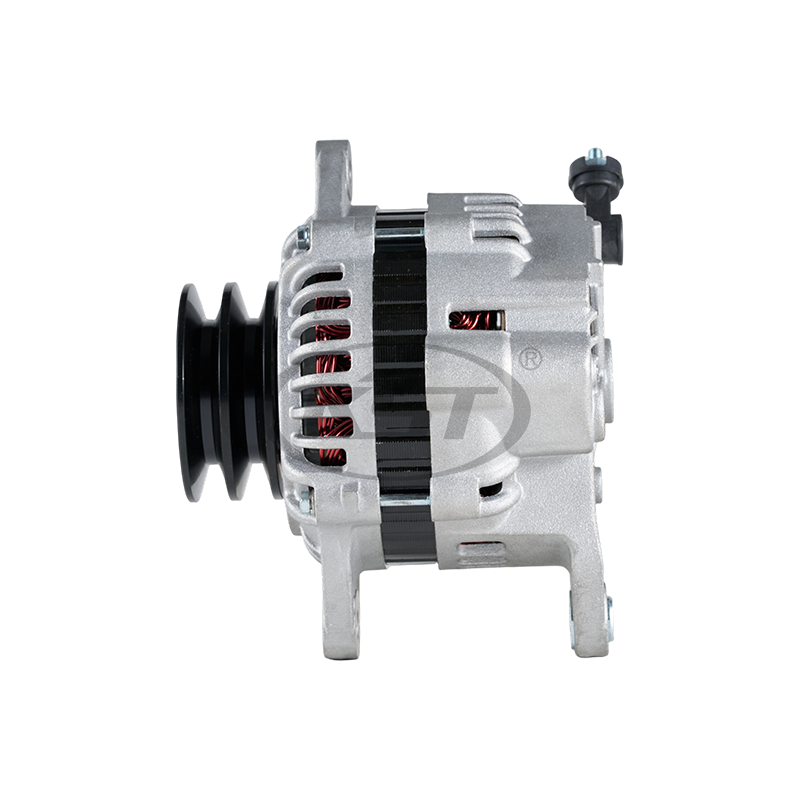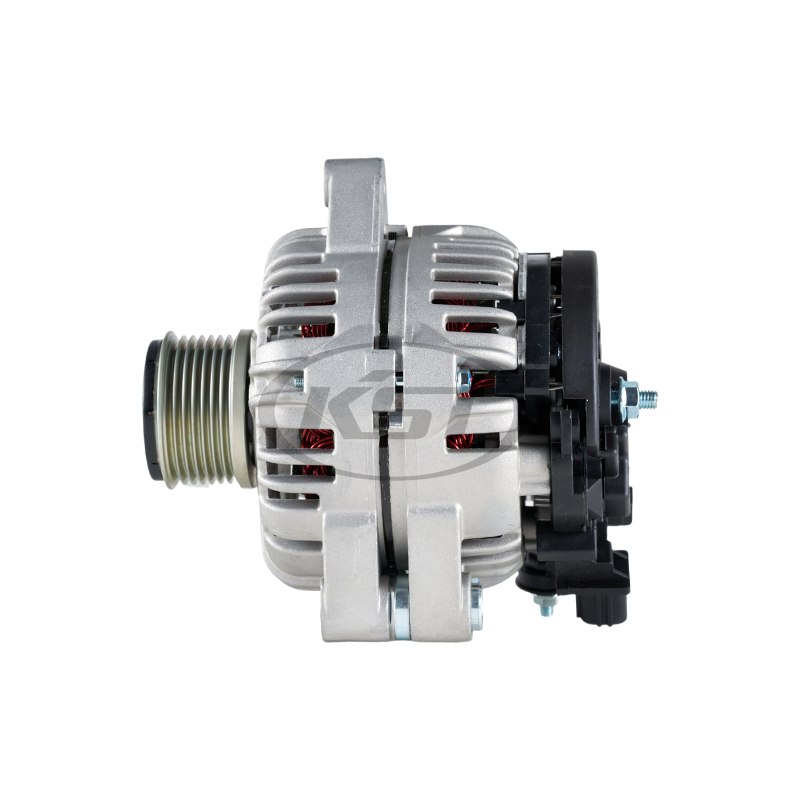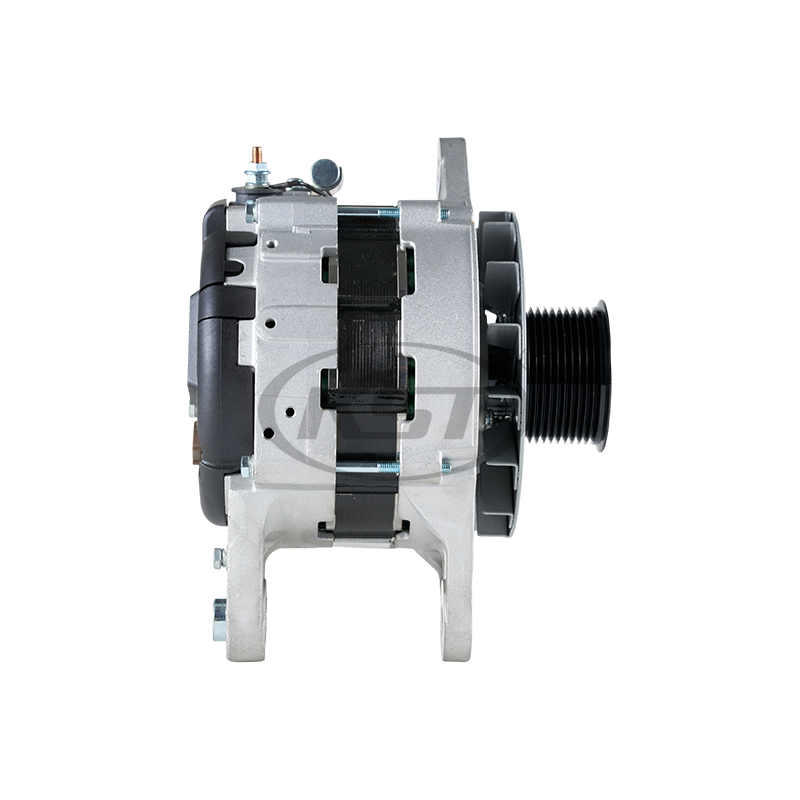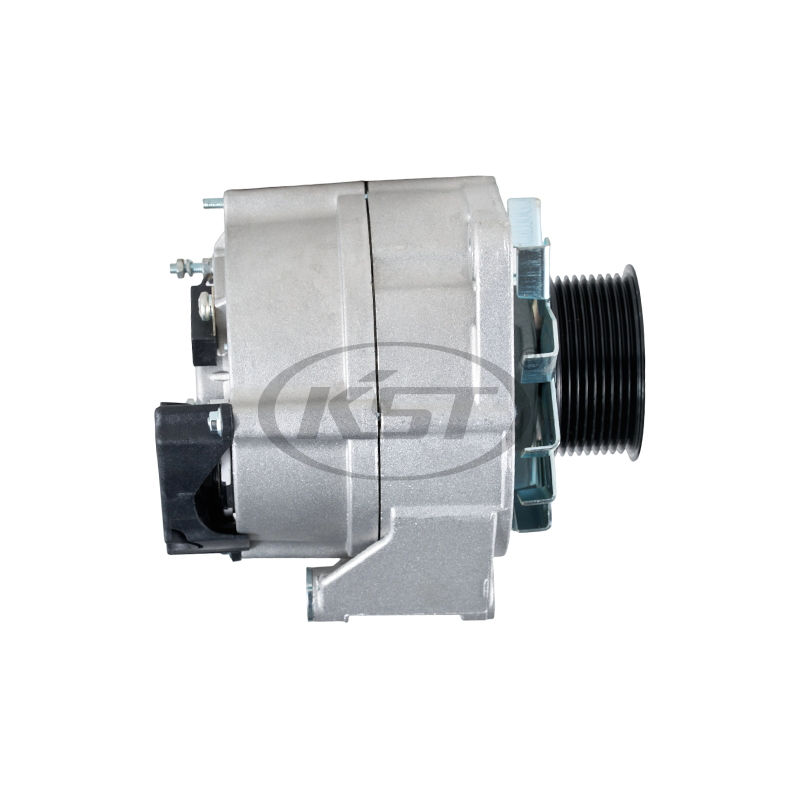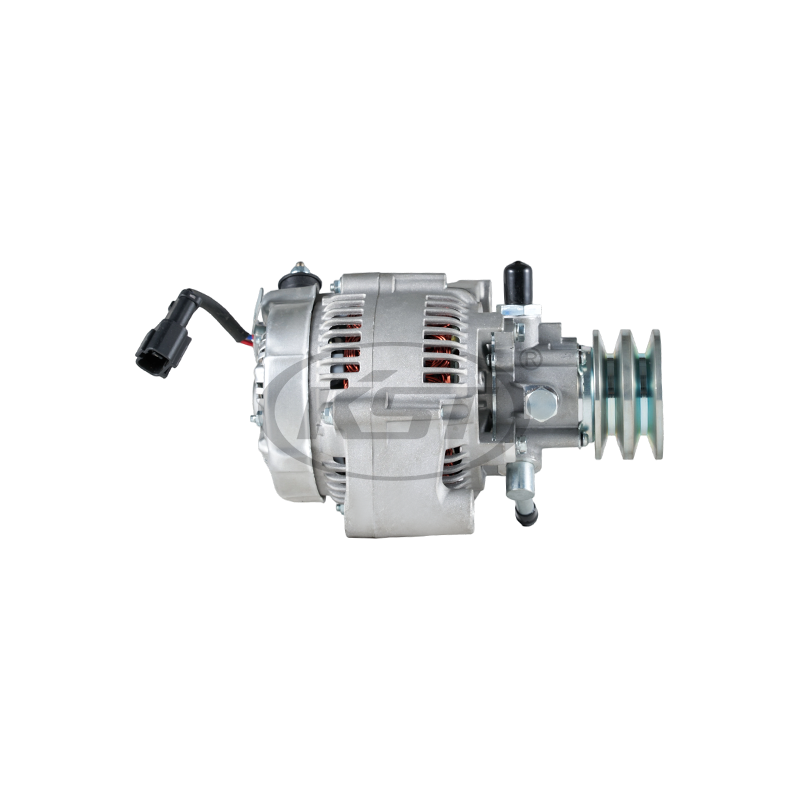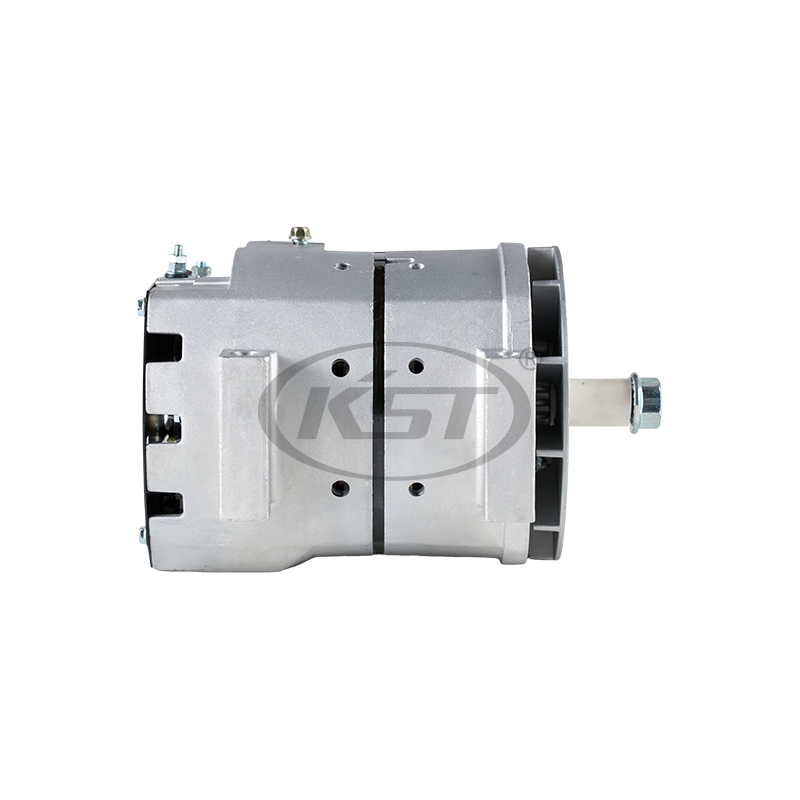
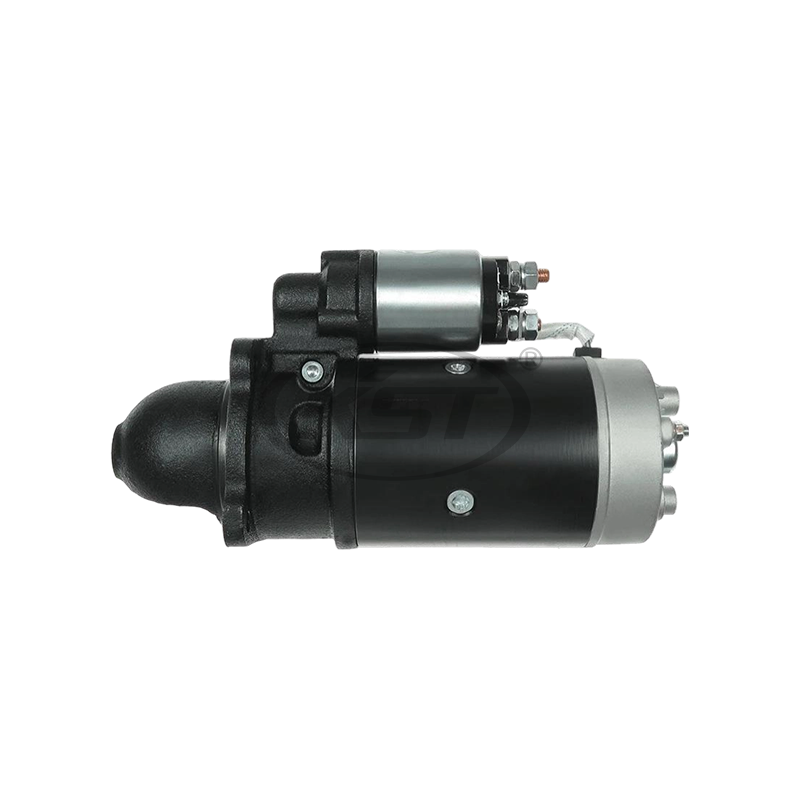
Heavy vehicles need electrical power to do their jobs. Engine controls. Lights. Heating and cooling. All those systems pull current from the same source. Somewhere under the hood or mounted on the frame sits a device that makes it possible. The 24 volt 60 amp alternator converts engine rotation into usable electrical current. It feeds the vehicle's electrical network and keeps the batteries charged.
Trucks and buses use 24-volt systems for good reason. Higher voltage means lower current for the same power. Smaller wires. Less heat. The 60-amp number tells you what the unit can deliver continuously under normal conditions.
Real-world electrical demand jumps around constantly. Someone turns on the headlights. A cooling fan cycles on. A solenoid engages. Each change affects system voltage. The alternator has to adjust on the fly.
Things worth knowing about this unit's role:
The alternator watches system voltage continuously. A sensing wire carries voltage information back to the regulator. Some setups sense at the battery positive terminal. Others sense right at the alternator output. Either way, the regulator needs accurate information to do its job.
When a load turns on, current demand jumps. Voltage drops slightly. The regulator sees that drop and knows something changed. Response speed matters here. Faster sensing means the alternator catches the dip sooner.
Two approaches exist in voltage sensing:
Digital systems sometimes communicate with other vehicle modules. They can anticipate load changes before they happen. Even with that advantage, both types work toward the same goal—keeping voltage where it belongs.
Turning on a big load triggers a chain of events inside the alternator. Voltage at the output terminals drops as current rushes to the new load. The regulator sees this drop and responds by sending more current to the rotor field coil. More field current equals stronger magnetic field. Stronger field means the alternator can produce more output.
Here is what happens step by step:
Field current cannot change instantly. The rotor winding has inductance that resists rapid changes. A short delay occurs while field current rises to its new value. During that brief moment, the battery supplies what the alternator cannot yet deliver.
Mechanical load on the engine increases as electrical output rises. Producing more current requires more torque from the engine through the drive belt. That torque demand is small compared to what the engine delivers for propulsion, but it is measurable.
Response speed depends on several variables. The field winding time constant matters—a measure of how fast current changes in the coil. Smaller alternators generally react faster. The 60-amp unit sits in the middle range of capacity. Its response falls between quick-reacting car alternators and slower large-frame units designed for heavy industrial use.
Engine speed plays into it too. Higher RPM means faster alternator rotation. Faster rotation allows quicker recovery from load disturbances. At idle speed, response slows down noticeably because rotation is slower.
Design choices affect speed as well:
The differences mean real-world behavior varies from one alternator to another. Same current rating does not guarantee same response speed.
| What Changes How Response Reacts | Practical Effect |
|---|---|
| Small load turns on | Fast, smooth Hardly noticeable |
| Large heater blower turns on | Slower, more visible dip Lights may dim briefly |
| Engine at highway speed | Quickest recovery Barely a flicker |
| Engine at idle | Slowest response Systems may hesitate |
Transients—sudden load changes—put the regulator to the test. When a load comes on, the regulator fights undervoltage. When a load shuts off, it fights overvoltage. Both conditions need management.
The regulator adjusts field current duty cycle to control output. Higher duty cycle raises output. Lower duty cycle lowers it. The transition must be smooth enough to avoid wild swings.
Poor regulator behavior shows up as:
Protection features matter too. Overvoltage protection prevents fried electronics. Current limiting holds output during overload events. Temperature compensation adjusts regulation as things heat up. These features work together to keep the system stable even when operating conditions change.
Small loads barely register. The regulator handles them with minor adjustments. Voltage stays steady.
Large loads tell a different story. A 60-amp unit already delivering 50 amps has little reserve. Turn on another 20-amp load and something has to give. Some alternators deliver short-term output above their rating, accepting higher internal temperatures briefly. Others are more conservative and limit output strictly to the marked capacity.
Sustained high output affects temperature. Internal heating from electrical resistance and magnetic losses raises component temperatures. Higher temperature means more resistance, which means less efficiency. Cooling air from the integral fan becomes critical during long periods of high-current operation.
A few observations from real-world use:
Single load events are straightforward. Multiple loads overlapping each other create something messier. One load turns on, the alternator begins responding, and before it finishes recovering, another load engages. That sequence plays out constantly in real vehicles. Cooling fans cycle. Compressors clutch in and out. Lighting loads shift. Solenoids pull in. Each event demands attention from the same alternator.
Watching voltage during these conditions shows a series of dips and partial recoveries that never quite settle. The alternator chases the changing demand while the battery absorbs the shortfall wherever it can. System voltage may stay within acceptable limits through the sequence, but each transition stresses the regulation components a bit more.
Some patterns show up regularly:
Battery condition matters in these situations. A battery with higher internal resistance drops more voltage during the initial moment of load engagement. Wiring condition contributes its own effects. Clean, tight connections handle overlapping loads more smoothly than corroded terminals or undersized cables ever could.
Engine speed controls how fast the alternator spins, and rotation speed directly affects output capability. At lower RPM, the alternator simply cannot deliver full current regardless of what the regulator demands.
At idle speed, that 60-amp rating may not be available. The exact output depends on the pulley ratio and the alternator's internal design. The practical result is that heavy electrical loads at idle pull more heavily from the battery. The battery carries the difference until engine speed increases and the alternator catches up.
Higher speeds give the alternator more capacity to deliver current quickly. Response improves because the rotor and stator interact more effectively at faster rotation. Highway driving presents the easiest conditions for load management. Stop-and-go traffic or extended idling challenges the system far more.
Belt limitations appear at low speeds. The belt cannot transmit unlimited torque. A sudden heavy load creates a spike in torque demand that the belt may not handle cleanly. Slippage causes momentary output loss—exactly when the system needs output most.
Some indicators appear when the alternator cannot keep up. Operators and technicians can spot these without specialized equipment.
Voltage droop during load engagement is the thing to notice. The voltmeter drops noticeably when a heavy load turns on. Recovery takes longer than expected. In severe cases, voltage never fully returns to normal while that load remains engaged.
Lighting changes provide visible evidence anyone can see. Headlights dim when a heavy load activates. They may flicker in rhythm with cycling loads like fans or compressor clutches. Instrument panel lights often show the same behavior.
Sluggish recovery points to regulation problems. A healthy alternator returns to setpoint quickly after a load change. If voltage stays below target for several seconds or drifts until the load cycles off, something is not right.
Intermittent warnings may appear. Some vehicles have monitoring systems that alert the driver when voltage drops below thresholds. Warning lights may illuminate during heavy load events and clear when the load decreases. That intermittent behavior often gets overlooked until it becomes a pattern.
Heat changes how electrical components work. Internal resistance increases as temperature rises. Higher resistance reduces output efficiency and slows the alternator's response.
At operating temperature, the alternator delivers less current for the same field current than when cold. The regulator compensates by increasing field current, but compensation has limits. When the alternator gets hot enough, output derating becomes noticeable.
Cold starts present a different picture. The alternator responds quickly because cold copper has lower resistance. That quick response can give a false impression of healthy load management. As operating temperature climbs, response slows gradually.
Cooling effectiveness matters. The integral fan pulls air through the housing. Restricted airflow—from debris, mounting position, or insufficient clearance—reduces cooling and accelerates heat buildup. Some heavy-duty installations add ducting or remote-mounted fans to keep alternator temperatures manageable.
Regular attention to certain components keeps the alternator responding well. Brushes on older designs wear down. Reduced contact pressure affects field current delivery. Slip ring condition matters too—rough or dirty surfaces interrupt field current flow and cause erratic output.
Connection integrity at battery and ground terminals affects response significantly. Poor connections add resistance that confuses voltage sensing and limits current flow. The alternator may produce adequate output, but poor connections prevent that output from reaching the loads. Terminal tension and corrosion should be checked routinely.
Belt tension and drive condition affect mechanical torque transfer. A loose belt slips during sudden load engagement, reducing alternator speed exactly when demand increases. Belt wear reduces grip and makes slipping more likely. Proper tension and belt replacement intervals support consistent performance.
Your email address will not be published. Required field are marked*
Get in Touch
 Heavy Duty Vehicle Motor Factory


 en
en  English
 عربى
عربى فارسی
فارسی