A car that struggles to start doesn't automatically point to one specific cause. A weak battery, a loose connection, a corroded cable, or a worn starting component can all produce symptoms that look nearly identical from the driver's seat. Swapping a part without checking what surrounds it often leaves the actual problem sitting untouched.
The starter motor's job is fairly straightforward — it takes electrical power and converts it into the mechanical force that turns the engine over during startup. Because it fires every single time the key turns or the button gets pressed, any shift in sound, response time, or electrical behavior tends to say something about its condition.
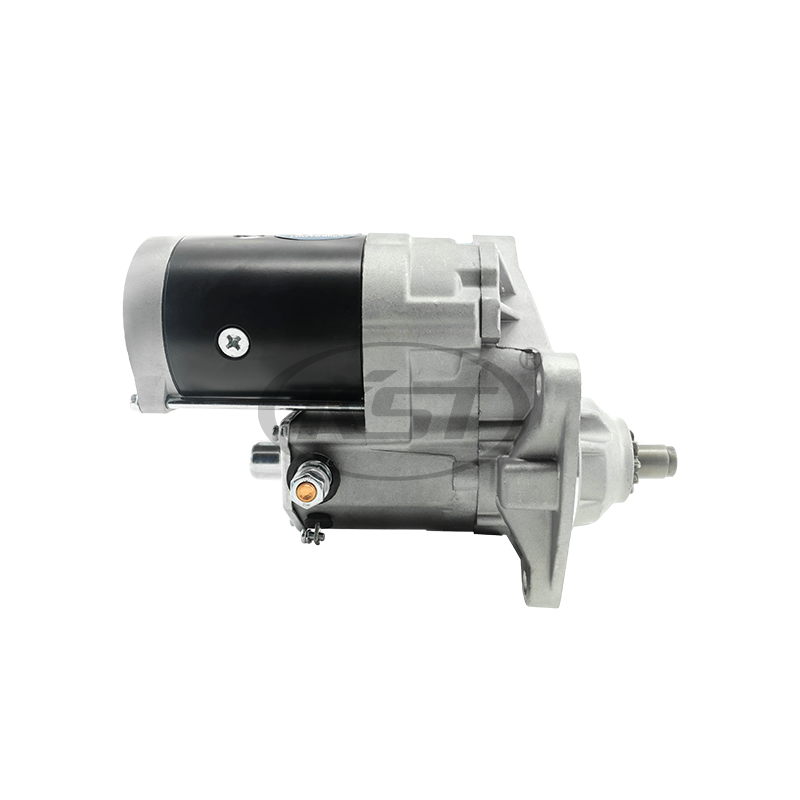
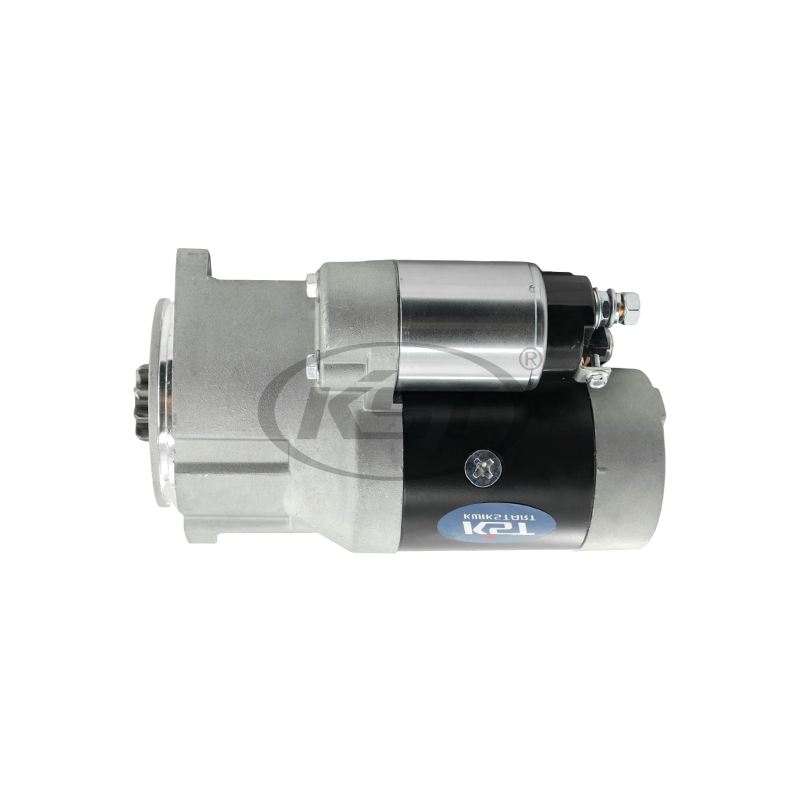
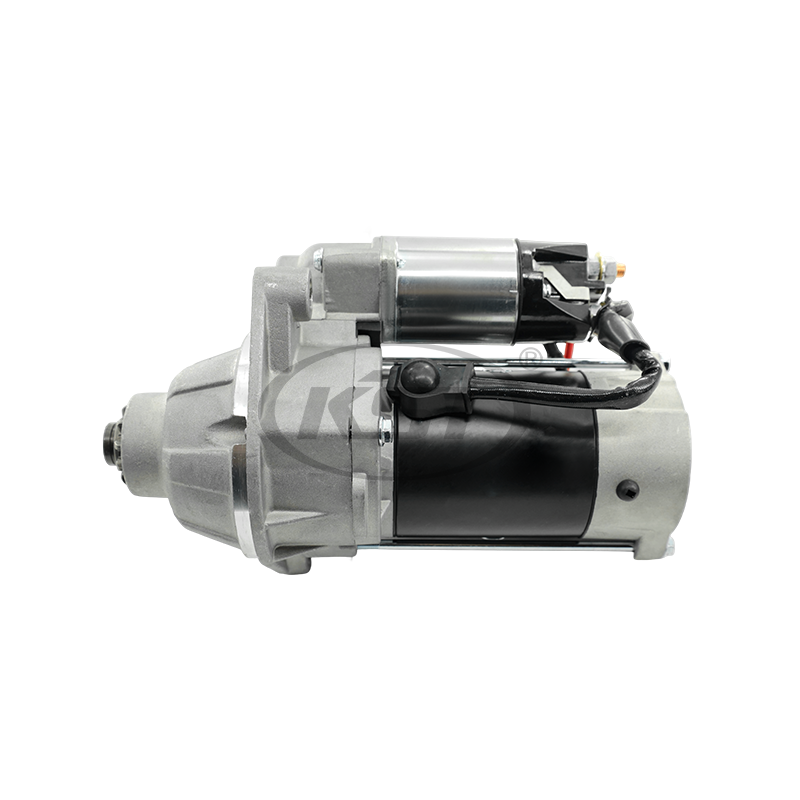
An OEM Starter Motor shouldn't be judged off a single symptom in isolation. Overall vehicle condition, wiring connections, the area around the installation, and the pattern of starting problems all factor into a reliable assessment.
Every time a starter motor engages, its bearings, gears, and internal contact surfaces absorb a bit of mechanical stress. Over thousands of starts, that repeated cycling wears down moving parts gradually. Heat building up near the installation area, along with dust or moisture exposure, adds to that wear over time.
A starter in decline often keeps working for a stretch before failing outright. One morning the car starts without issue; the next, there's a noticeable delay. That inconsistency is easy to write off, especially since the engine still ends up running.
A few changes worth paying attention to:
| Starting Symptom | Possible Area to Inspect | Useful Observation |
|---|---|---|
| Slow engine cranking | Battery and starter system | Check whether the problem repeats |
| Delayed engagement | Starter and electrical connection | Note when the response changes |
| Intermittent starting | Connections and starter condition | Compare repeated starting attempts |
| Clicking without normal cranking | Power supply and starter | Check cables and connection points |
| Unusual mechanical sound | Starter engagement and nearby parts | Identify when the sound occurs |
Every startup has a fairly consistent rhythm of mechanical sound — a change in that rhythm often signals that something isn't engaging or spinning the way it should.
A repeated clicking noise tends to show up when the starter isn't getting enough electrical current, or when its engagement mechanism isn't seating correctly. A grinding sound points more toward the interaction between the starter's drive gear and the engine's flywheel. A whirring or free-spinning sound, without the engine actually turning over, suggests the starter is spinning but failing to transfer that motion properly.
When the sound happens matters as much as what it sounds like:
Sound alone won't pin down the exact cause. A loose mounting bracket or a nearby component rattling around can produce a similarly unfamiliar noise. A full inspection covering the starter, its wiring, and everything mounted nearby gives a clearer picture before committing to a replacement.
Electrical trouble can look almost identical to a failing starter from the outside. A battery running low on charge may not deliver enough current for a normal crank. Loose terminals or corrosion sitting at connection points restrict current just as effectively, even with a perfectly healthy starter underneath.
Running through basic electrical checks before replacing anything helps separate an outside power issue from a genuine starter problem. Battery terminals should sit tight and clean, cables should show no fraying or damage, and grounding points need to stay free of rust and firmly bolted down.
Worth inspecting along the starting circuit:
A clean, well-connected electrical system doesn't guarantee the starter itself is fine, but it does eliminate several common outside causes from the list. If starting trouble continues after these checks come back clean, the starter deserves a closer, more direct look.
When it comes time to replace a component, matching the new part to the vehicle's original setup matters just as much as diagnosing the problem correctly. An OEM Starter Motor is built to align with the existing electrical connections, mounting points, and mechanical interface already in the vehicle, which keeps the installation straightforward and avoids compatibility issues down the road.
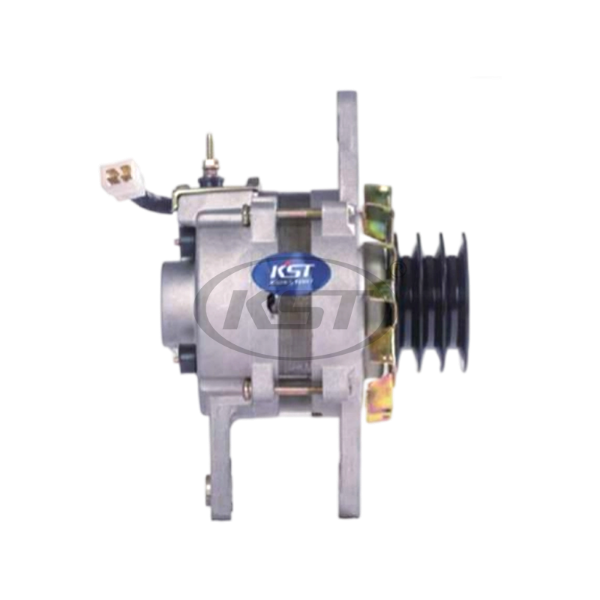
Starting frequency, storage conditions, and the environment around the engine compartment can all influence starter motor condition. A vehicle used for frequent short trips may experience repeated starting cycles without long periods of continuous engine operation. Another vehicle may remain parked for extended periods and then require several startup attempts after sitting unused.
Heat is another practical consideration. The starter sits close to other components that generate heat, and repeated operation can raise the temperature around the installation area. Moisture, road dust, and oil residue may also collect around electrical connections or the starter housing. None of these conditions automatically means that replacement is necessary, but they can affect inspection results.
A maintenance record can focus on changes rather than fixed intervals:
Vehicle use also affects how symptoms should be interpreted. A single slow start after the vehicle has been unused for a long period may have a different cause from a repeated starting problem under normal operating conditions.
Replacement should follow an inspection rather than a symptom alone. The starting system can be checked in stages, beginning with the easiest external causes before moving toward the starter itself.
A practical inspection can include:
When external electrical and mechanical conditions appear normal but the same starting fault continues, the starter becomes a stronger area for further diagnosis. In such cases, replacement of an OEM Starter Motor may be considered after the relevant checks have been completed.
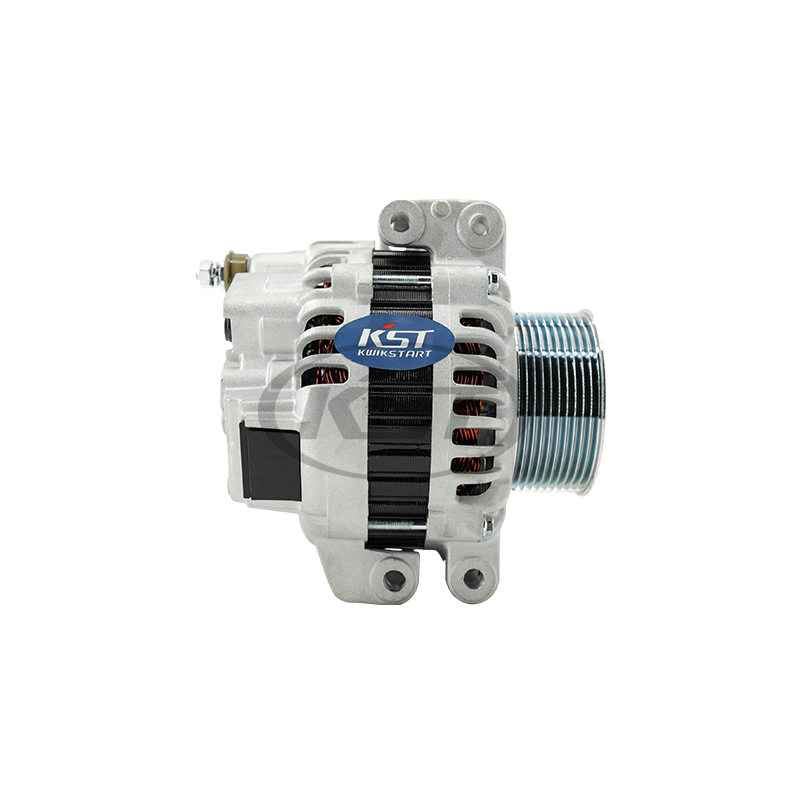
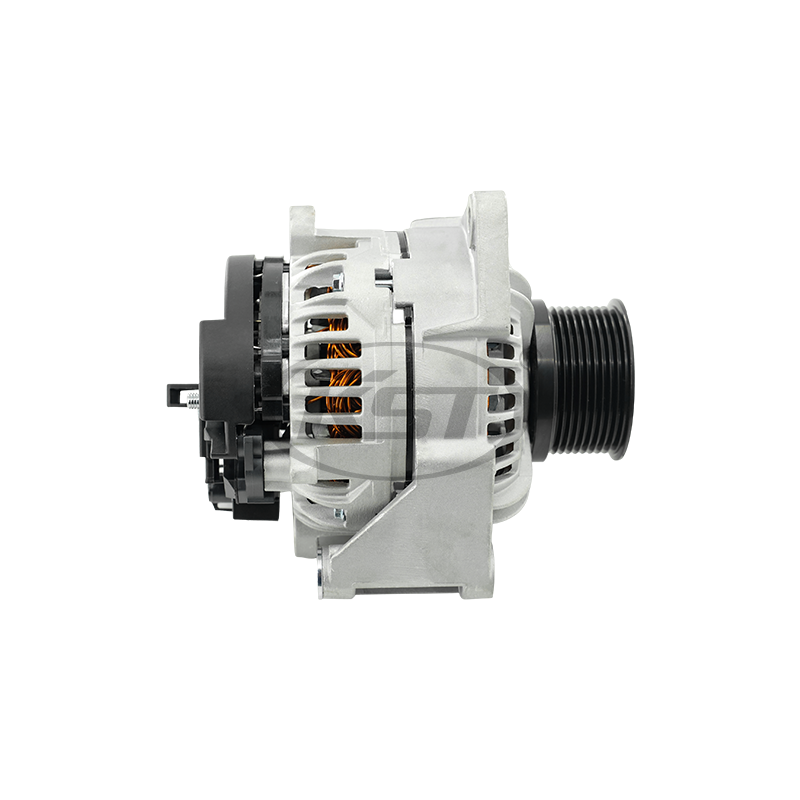
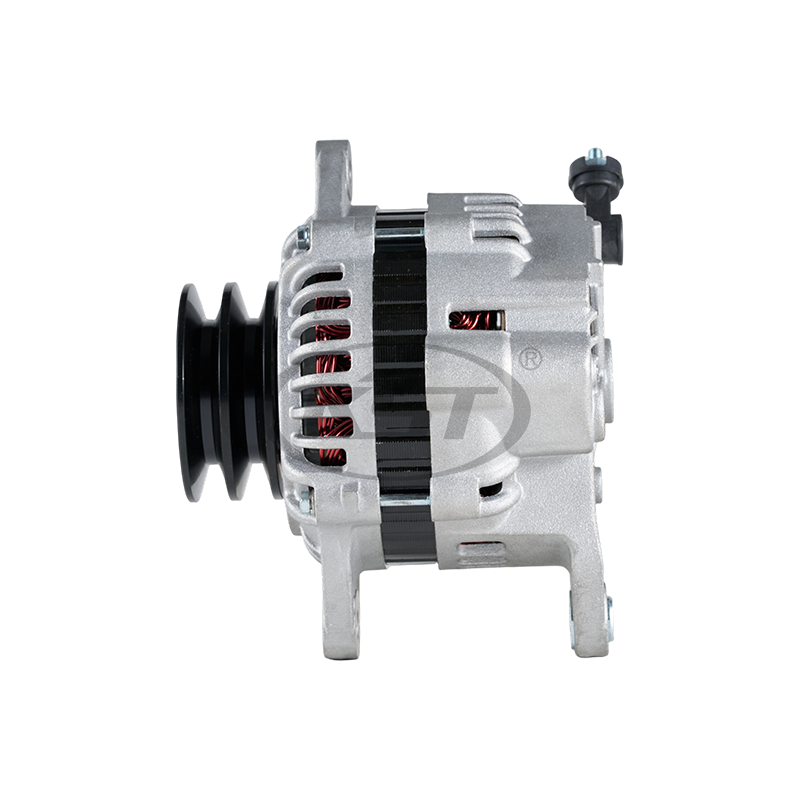
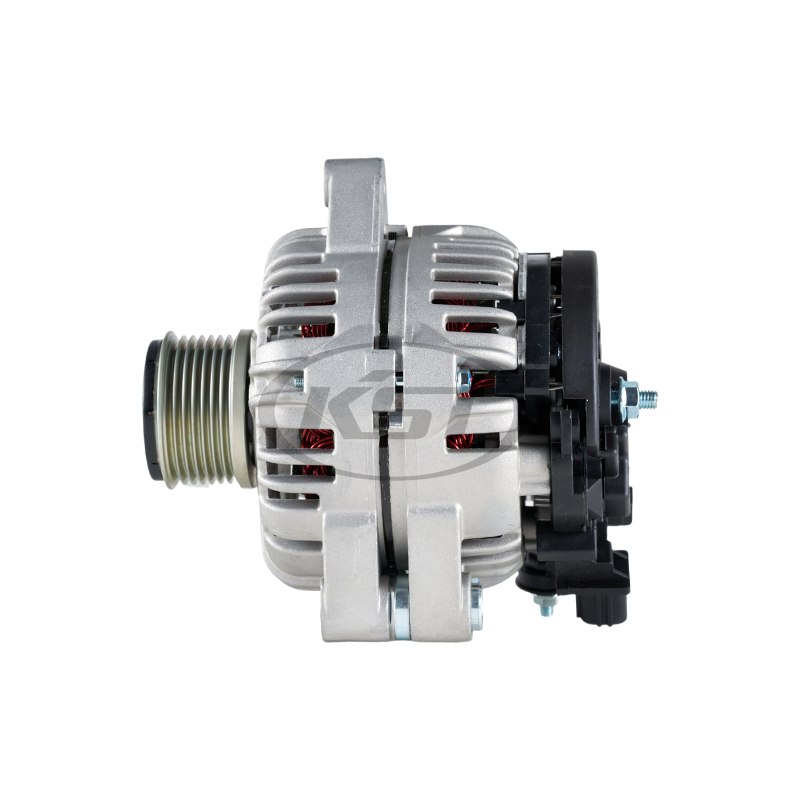
A replacement starter needs to correspond with the vehicle rather than simply fitting into the available space. Similar-looking units can have different mounting arrangements, electrical connections, or drive configurations.
Vehicle and engine information should be checked before purchasing a replacement. Relevant details can include:
Installation space deserves particular attention. A starter may have a compatible mounting pattern while another part of the housing interferes with its installation. Connector placement can create a similar problem when wiring cannot reach the required position without excessive bending or tension.
Product identification also helps reduce replacement errors. Clear part information, application details, and matching references make it easier to distinguish between units intended for different vehicle configurations.
Manufacturing conditions can influence how consistently replacement starter motors match their intended applications. Production involves multiple parts that must fit together correctly, including the housing, mounting structure, electrical connections, and rotating components.
A Starter Motor Factory may use inspection procedures at different stages of production to check dimensions, assembly condition, electrical function, and mechanical operation. Such checks help identify problems before products enter distribution.
For replacement applications, product information has practical value alongside manufacturing inspection. Clear identification can assist with matching a unit to the correct vehicle and installation arrangement.
A replacement program may also involve several versions of a starter motor for different vehicle applications. Differences can occur in mounting positions, connector arrangements, drive components, or housing dimensions. Keeping those distinctions clear reduces the chance of selecting a visually similar but incompatible unit.
The relationship between manufacturing and maintenance is straightforward: accurate production, appropriate inspection, and clear product identification all contribute to a smoother replacement process. A Starter Motor Factory serving replacement markets therefore needs to account for both production consistency and application matching.
Your email address will not be published. Required field are marked*
Get in Touch
 Heavy Duty Vehicle Motor Factory


 en
en  English
 عربى
عربى فارسی
فارسی