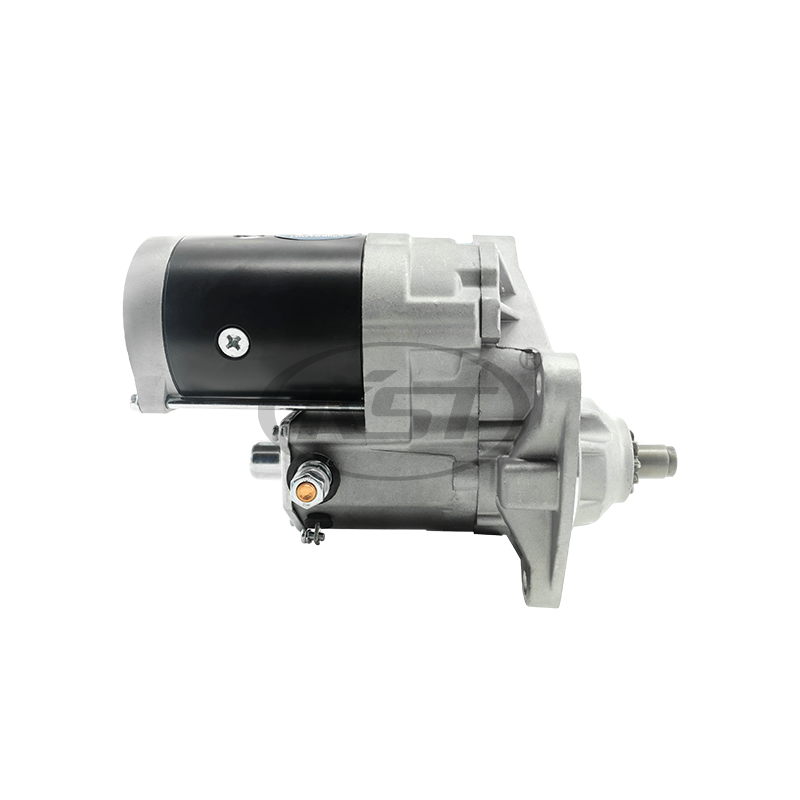
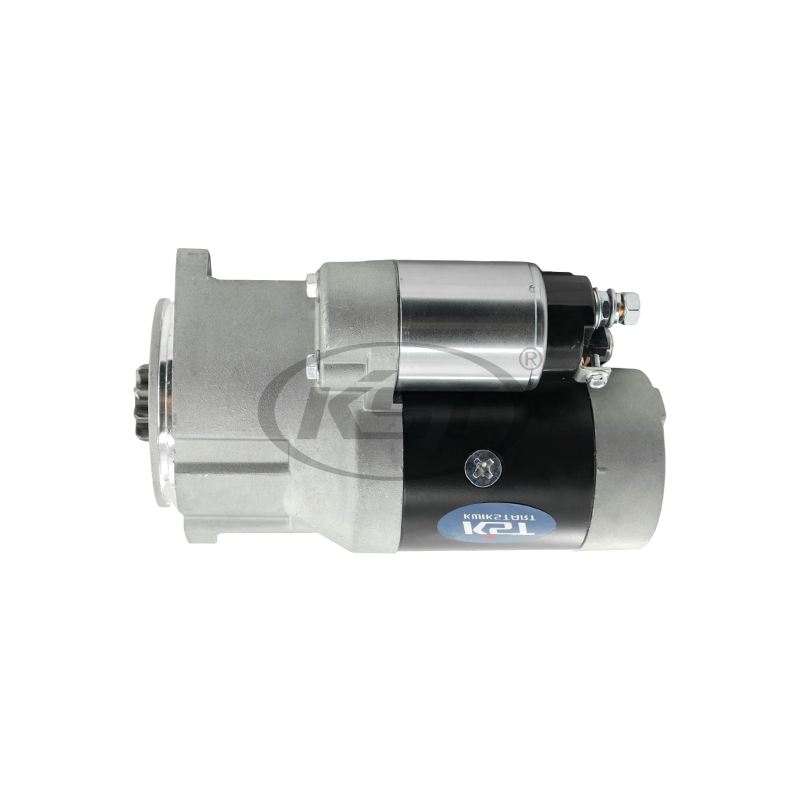
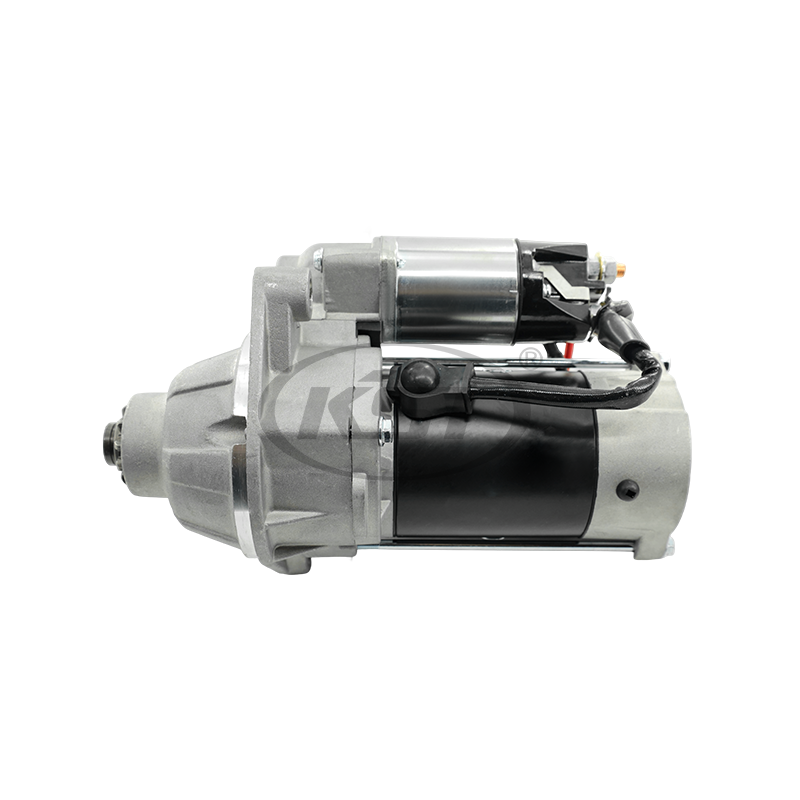
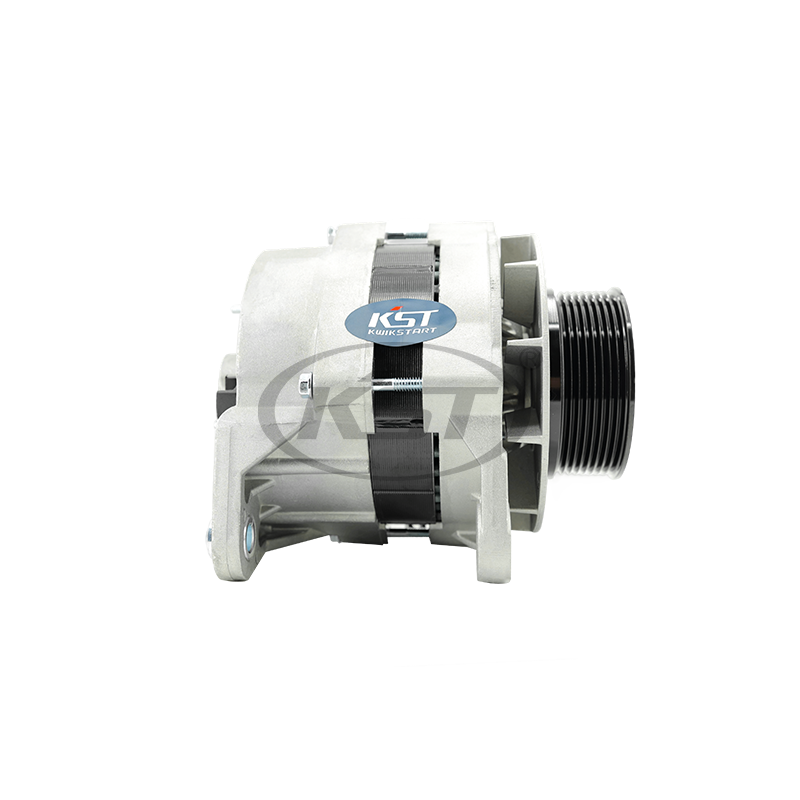
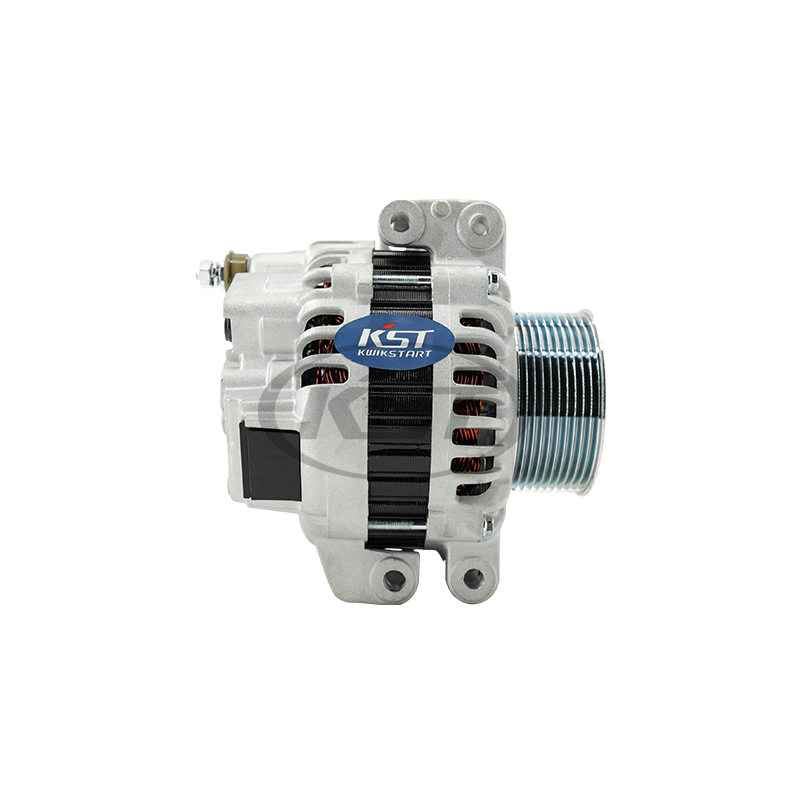
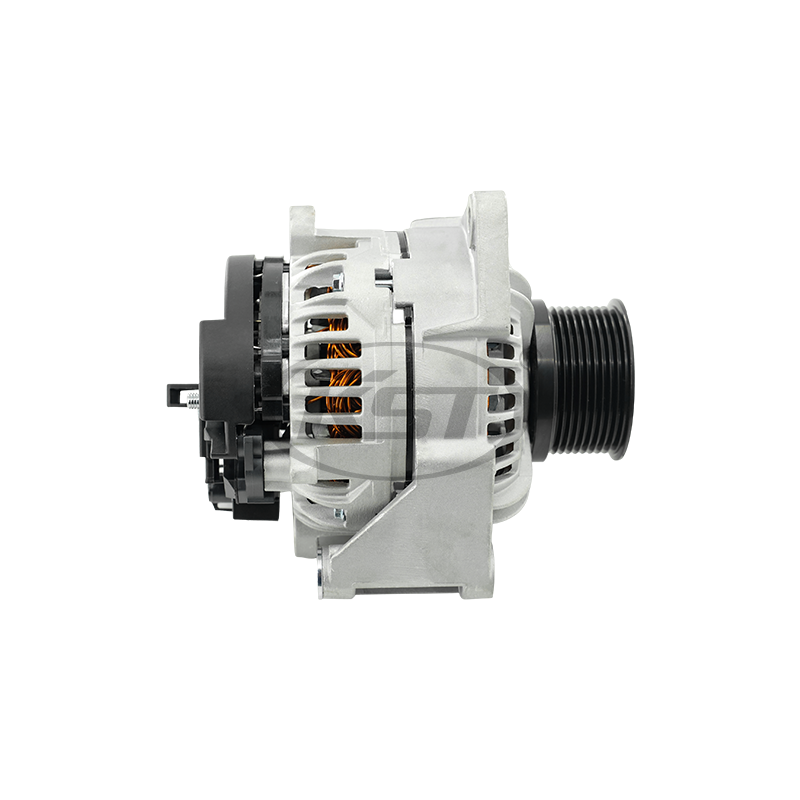
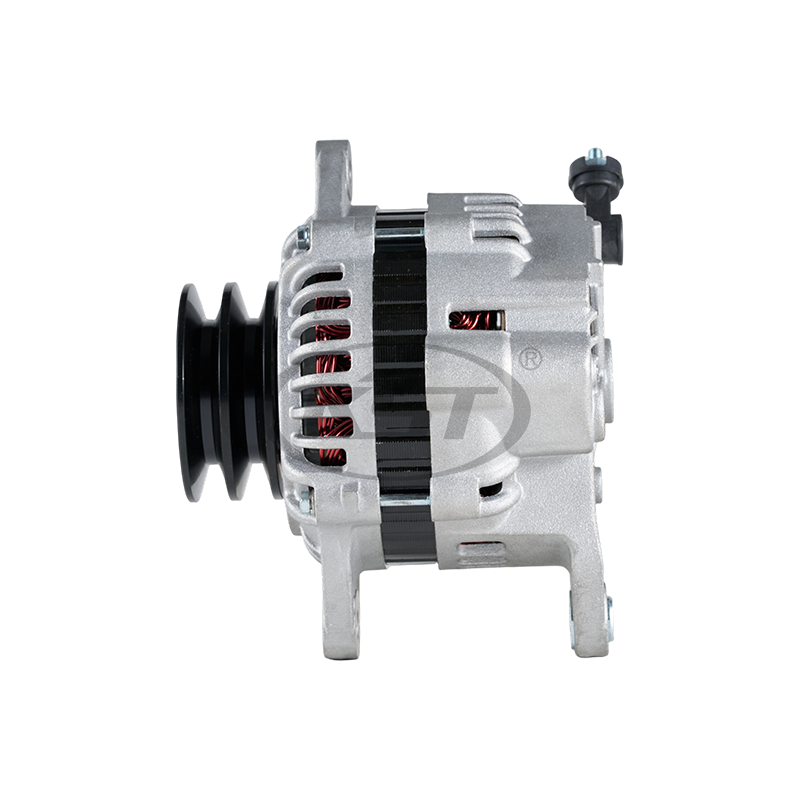
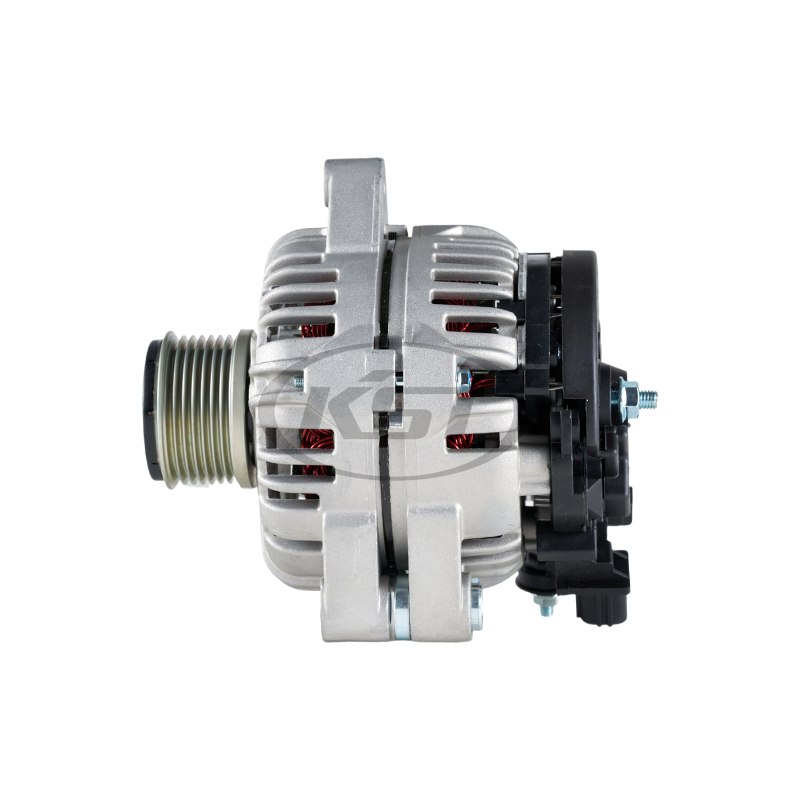
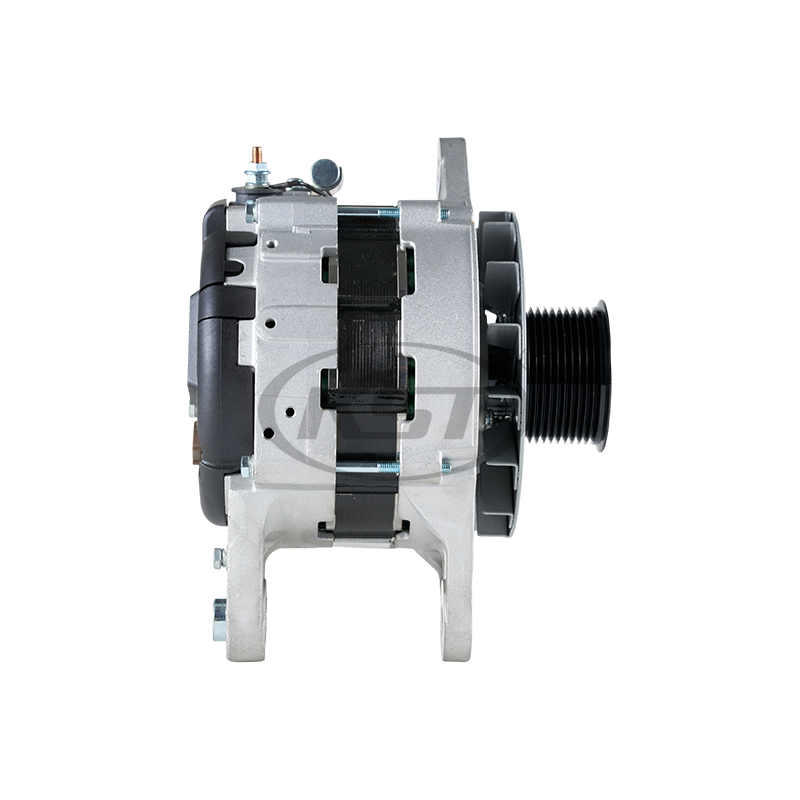
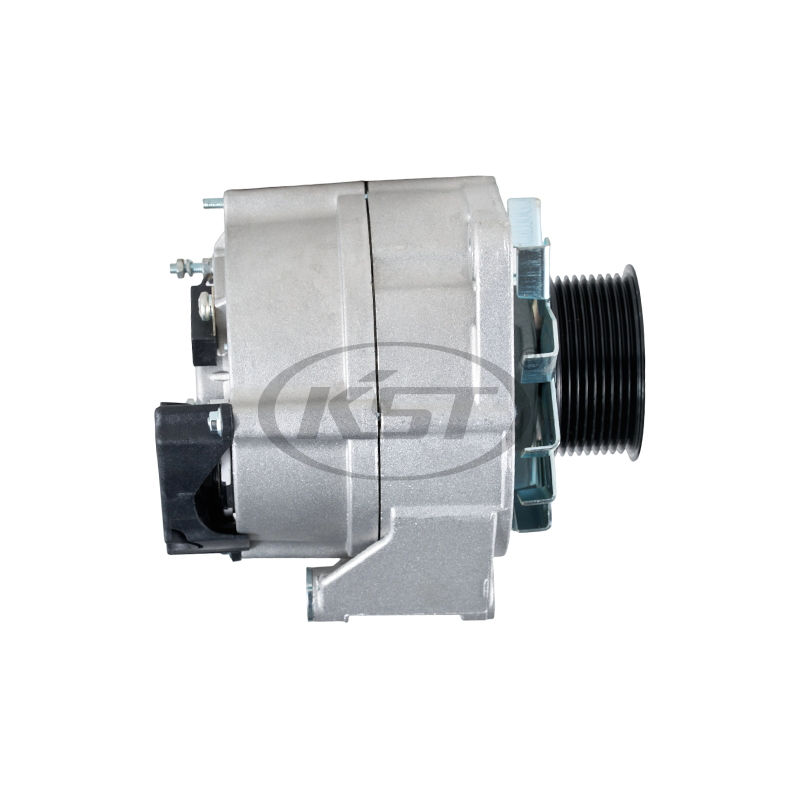
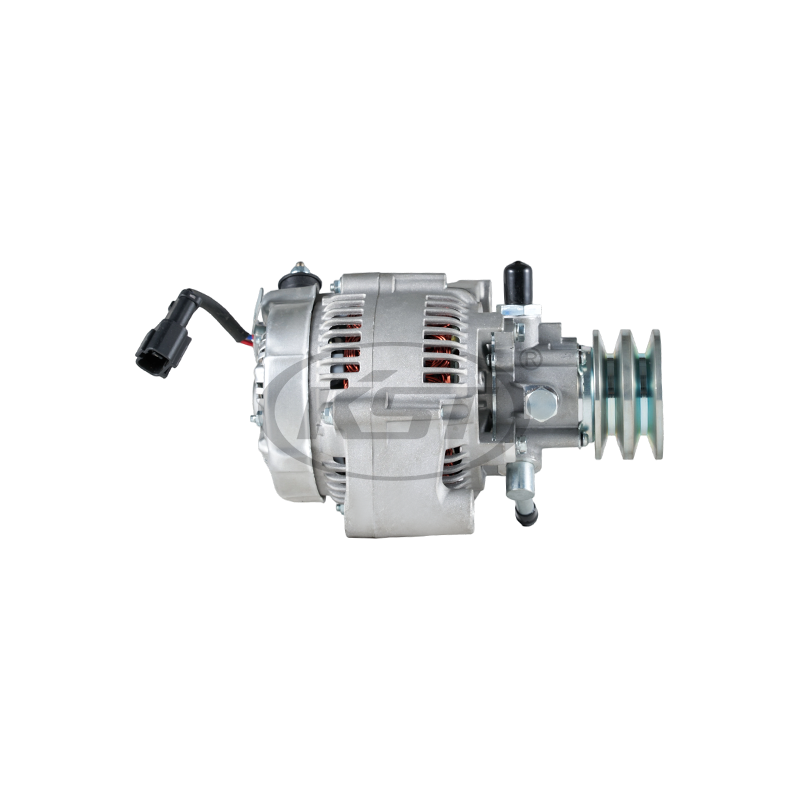
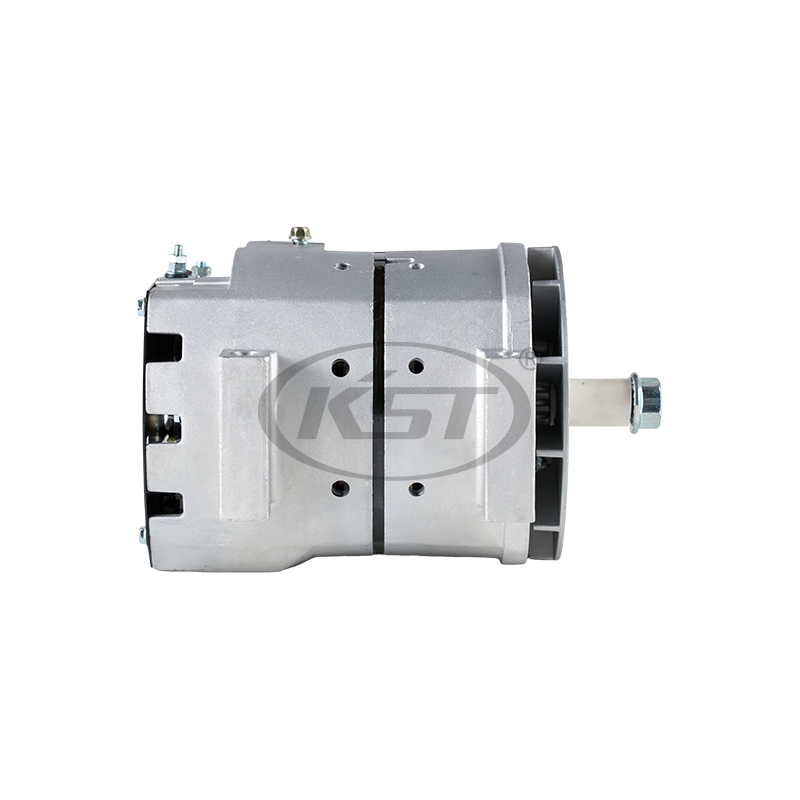
An OEM alternator manufacturer designs and produces the primary electrical power generation unit for vehicles, supplied directly to automotive assembly lines. Unlike aftermarket parts, an OEM alternator is engineered as an integral component of a specific vehicle's electrical architecture. Its specifications—output voltage, current (amperage), physical dimensions, mounting points, and connector type—are precisely defined through close collaboration with the vehicle manufacturer's engineering teams. The OEM alternator manufacturer must ensure the unit reliably meets the total electrical load of the vehicle, including all standard and optional accessories, under all operating conditions, from idle to high RPM, for the expected lifespan of the vehicle. This deep integration is the defining characteristic of an OEM alternator manufacturer's product.
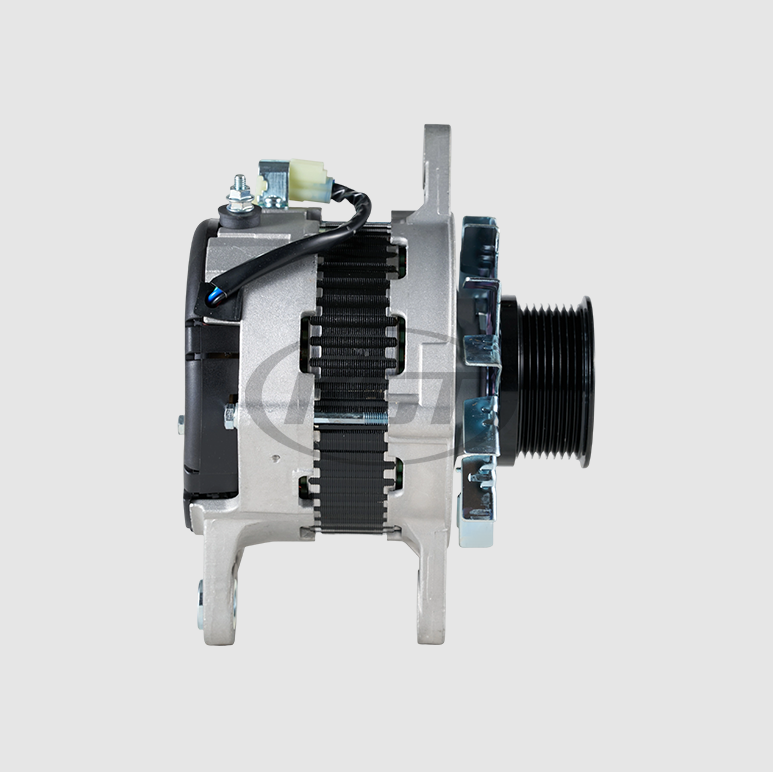
The manufacturing process at an OEM alternator manufacturer involves high-precision engineering and strict quality control. Core components include the stator (with copper windings), the rotor (the rotating electromagnet), high-grade bearings, a rectifier bridge to convert AC to DC, and a voltage regulator. Production lines utilize automated winding machines for stators and rotors, precision stamping for laminations, and robotic assembly to ensure consistency. Advanced materials, such as high-temperature insulation on wires and durable slip-ring materials, are standard. The OEM alternator manufacturer invests heavily in testing equipment to validate performance on dynamometers, checking output curves, efficiency, noise, vibration, and thermal performance to meet the exacting standards set by the automotive OEM.
An OEM alternator manufacturer operates within a framework of rigorous international automotive standards. Products must comply with specifications regarding electromagnetic compatibility, environmental resistance, durability, and safety. This involves subjecting alternators to extensive validation testing, including thermal cycling, salt spray corrosion tests, vibration testing that simulates years of road wear, and performance tests under temperature conditions. The manufacturer's quality management system is typically certified to IATF 16949, the global technical specification for automotive quality systems. This commitment to certified processes and exhaustive testing is mandatory for supplying to global automotive brands and distinguishes the OEM alternator manufacturer from aftermarket producers.
The business model of an OEM alternator manufacturer is deeply tied to the automotive industry's just-in-time production philosophy. The manufacturer must integrate its production schedule seamlessly with the vehicle assembly plant's build sequence. This requires a highly synchronized supply chain for raw materials like copper, steel, and magnets, and flawless logistics to deliver the correct alternator models in the exact sequence and quantity needed on the assembly line, often multiple times per day. Any disruption can halt vehicle production. Therefore, sophisticated production planning, inventory management, and logistics are as critical as the engineering itself for a successful OEM alternator manufacturer.
A causing OEM alternator manufacturer is not just a parts supplier but a partner in innovation. As vehicles evolve with start-stop systems, regenerative braking, and increasing electrical loads from infotainment and ADAS, the demands on the charging system change dramatically. The manufacturer must innovate, developing higher-output, more efficient alternators, often incorporating advanced controls for smart charging strategies that improve fuel economy. This requires ongoing R&D in areas like high-efficiency designs, reduced noise, and integration with 48-volt mild-hybrid systems. The ability to anticipate and engineer solutions for these future needs secures the long-term partnerships between the OEM alternator manufacturer and global automakers.
Your email address will not be published. Required field are marked*
Get in Touch
 Heavy Duty Vehicle Motor Factory


 en
en  English
 عربى
عربى فارسی
فارسی