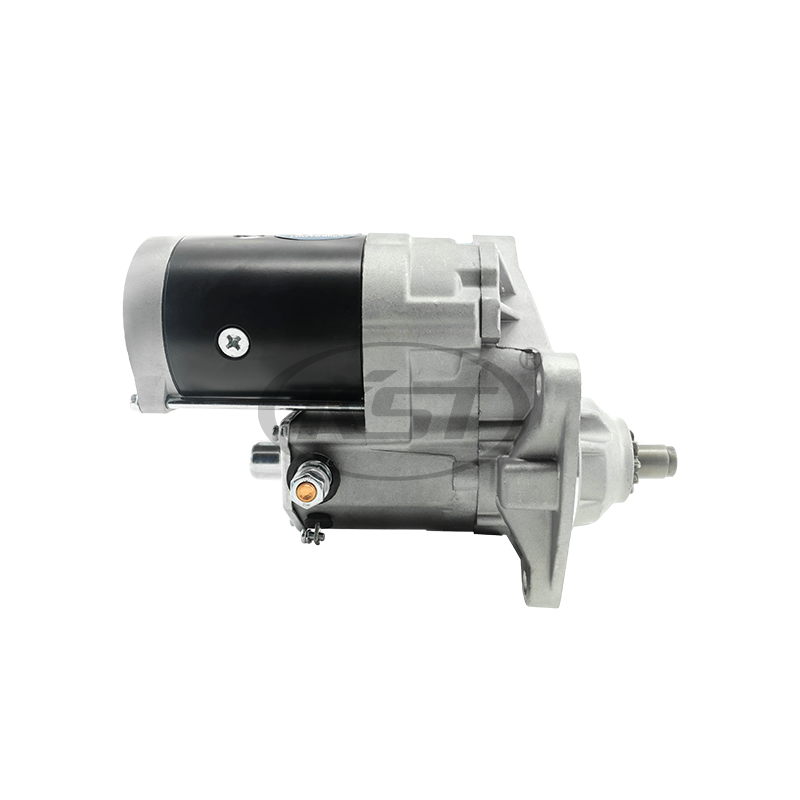
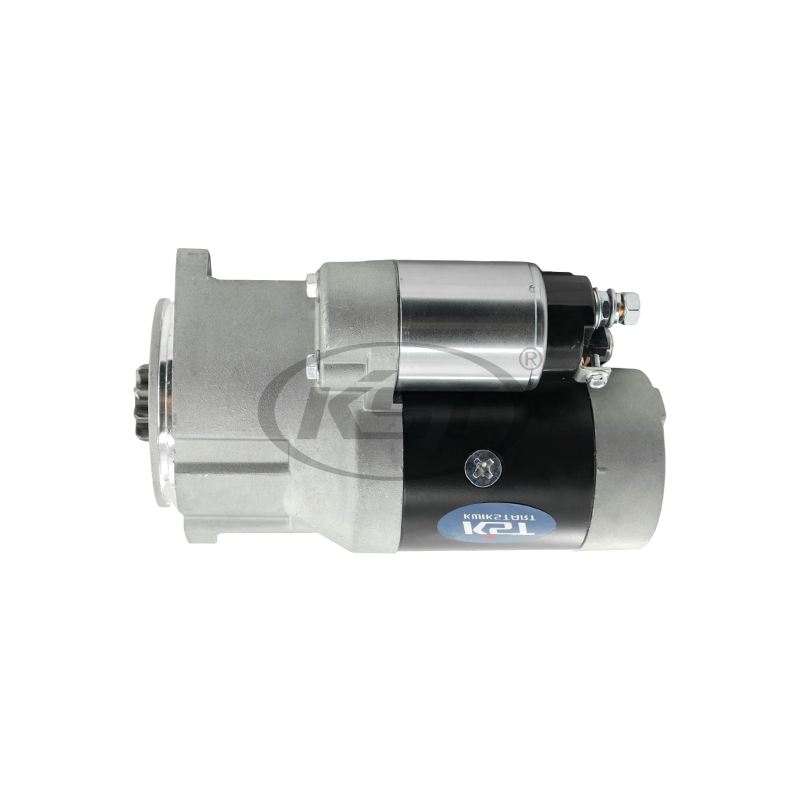
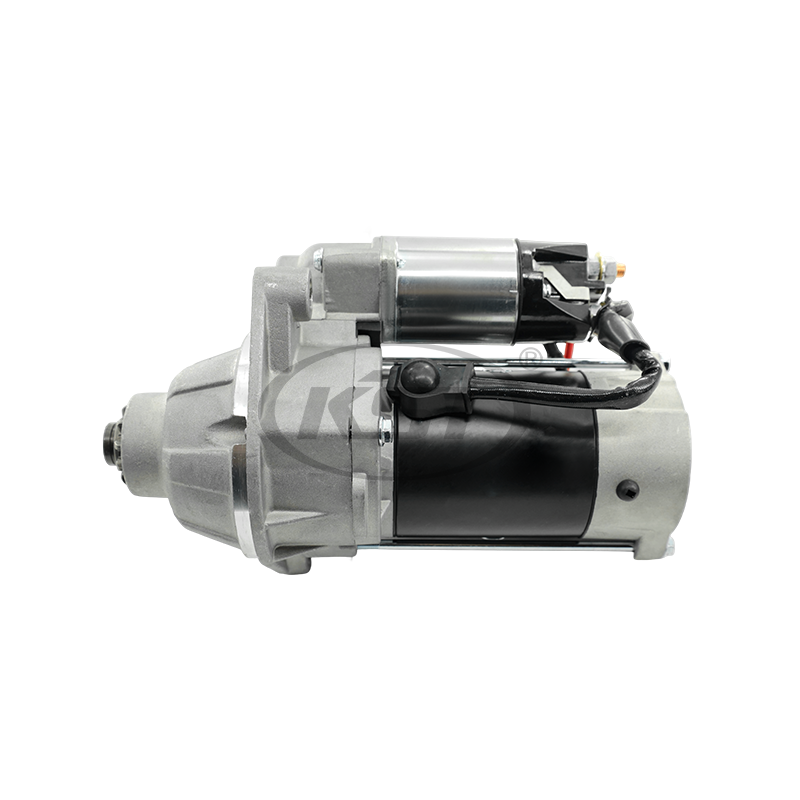
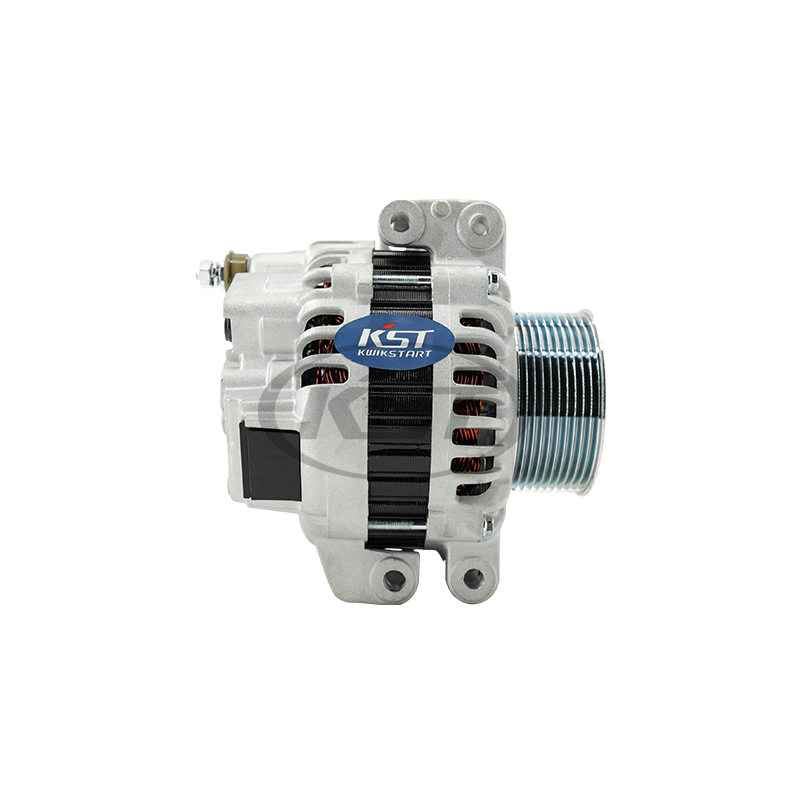
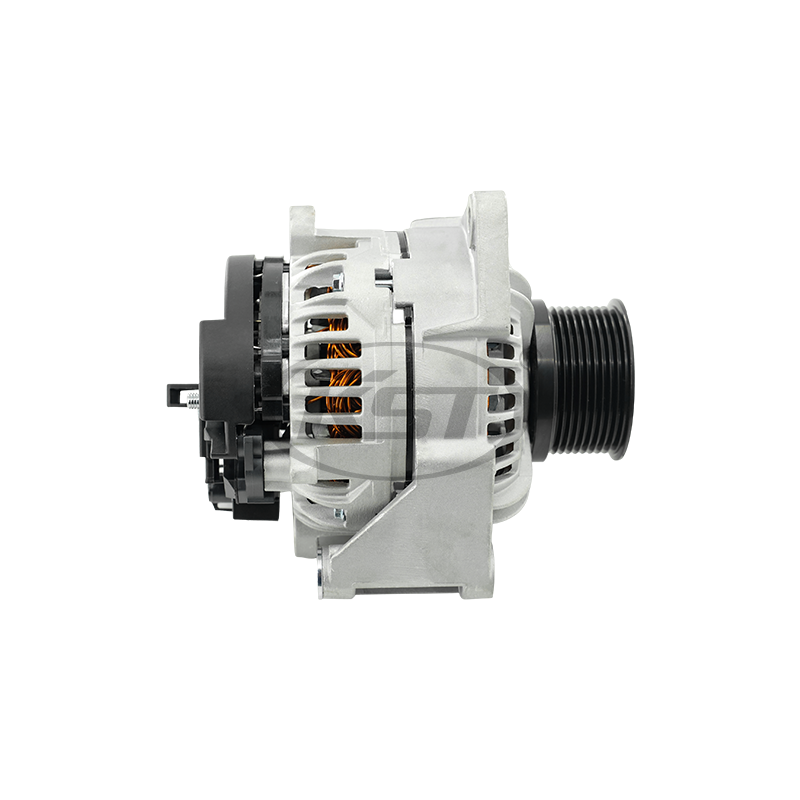
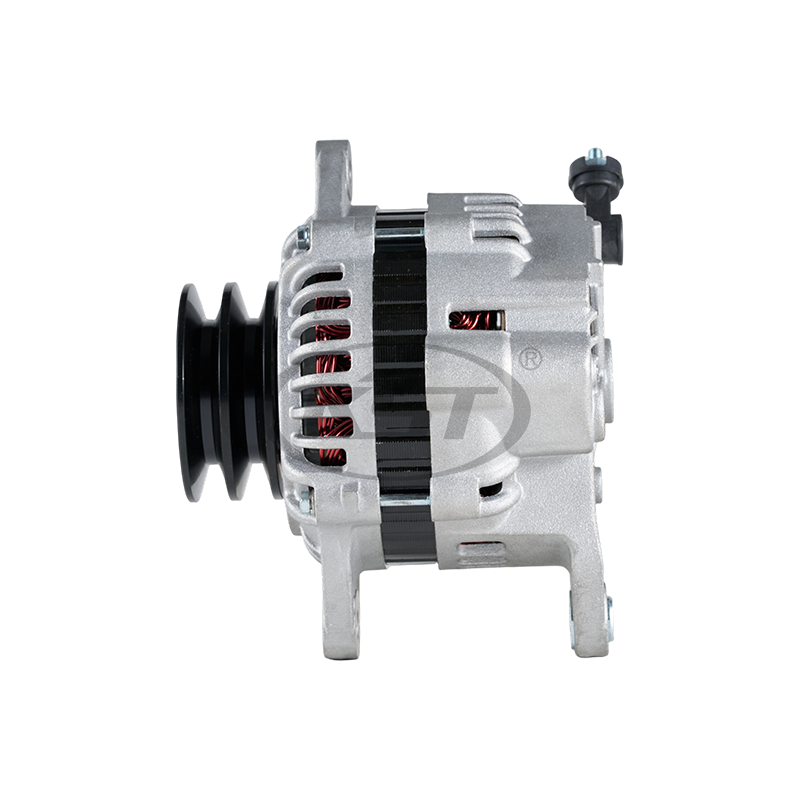
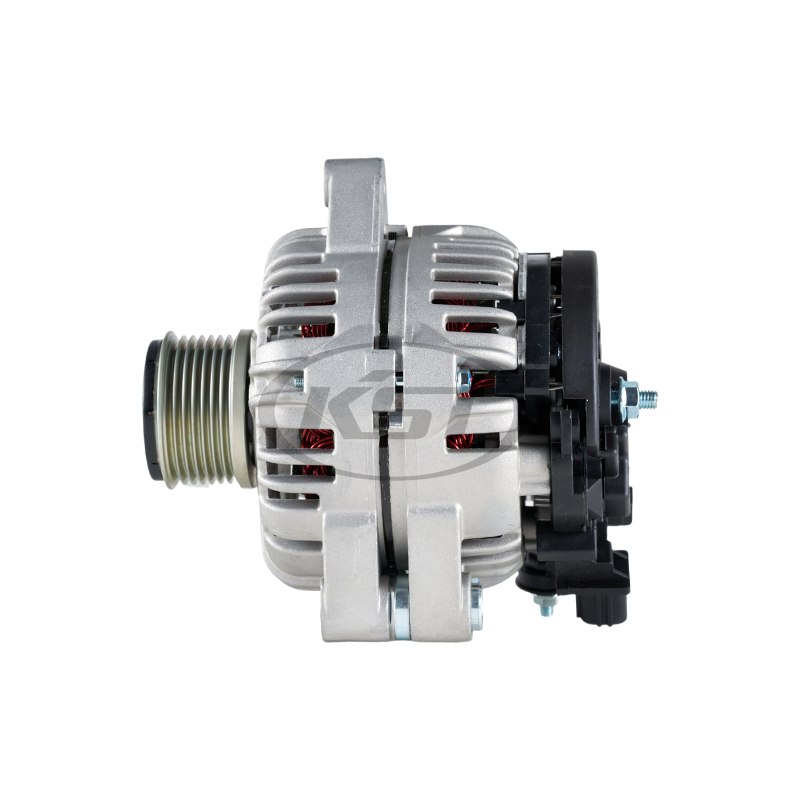
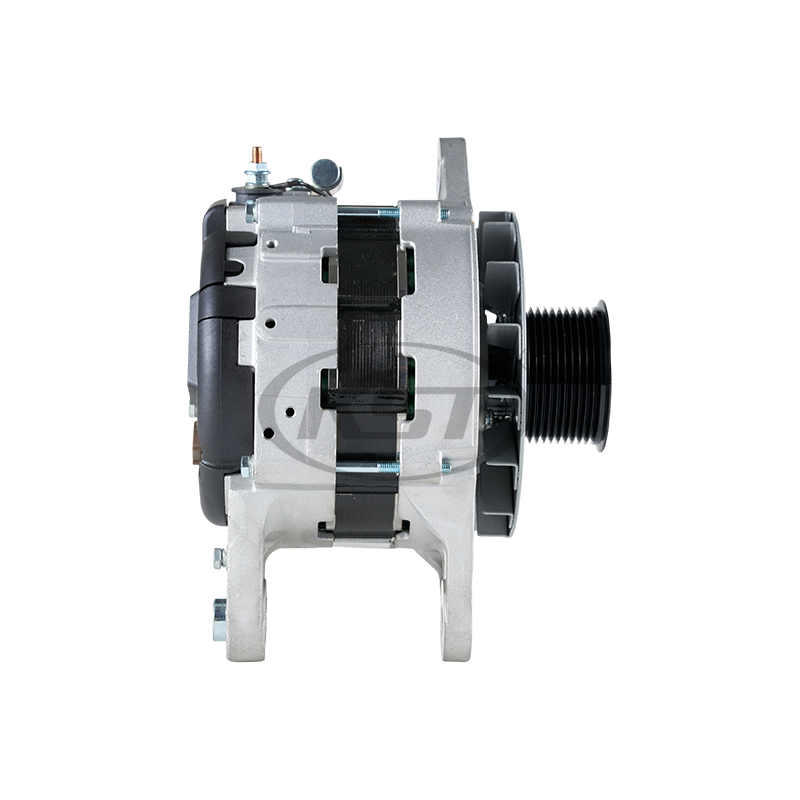
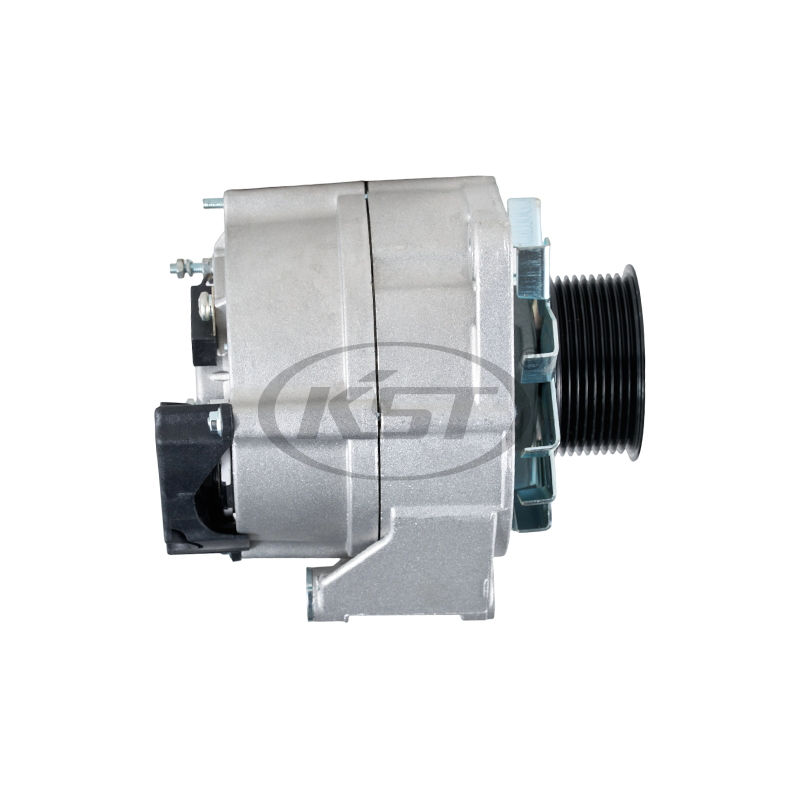
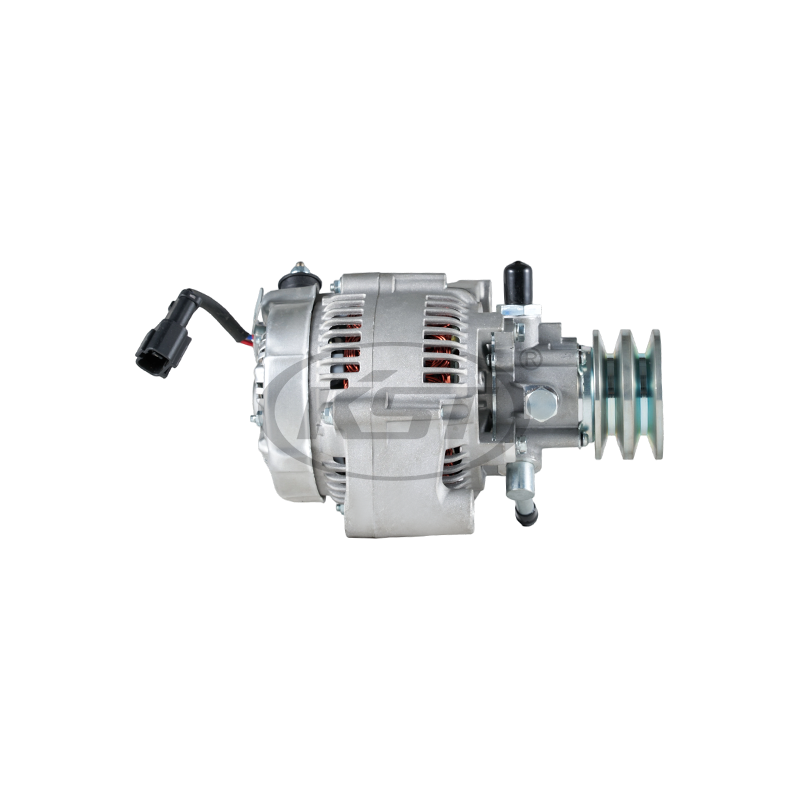
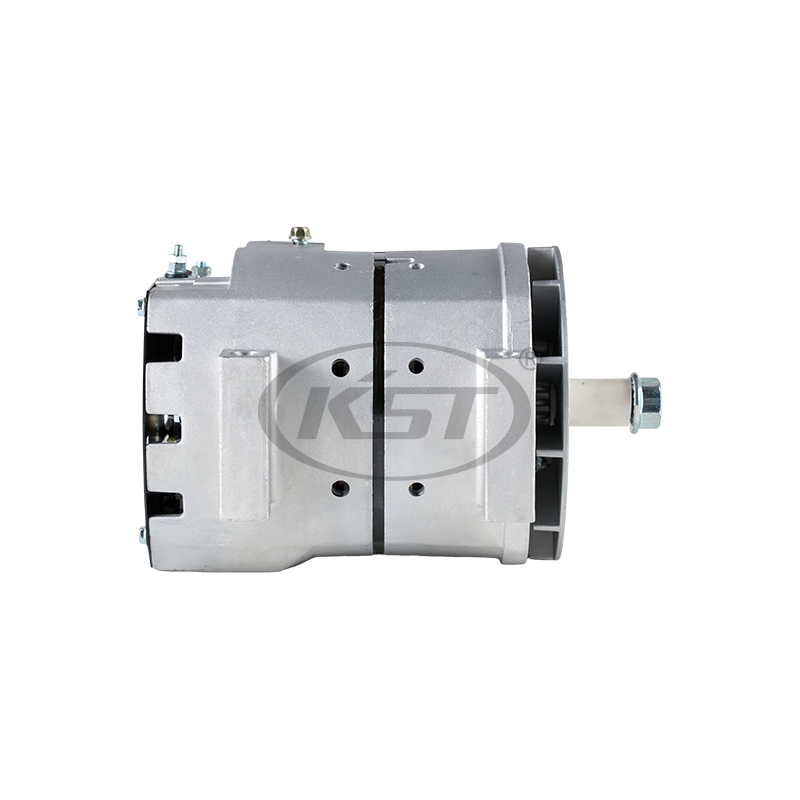
A construction machinery starter is a high-torque electric motor specifically designed to crank and start large diesel or gasoline engines found in excavators, bulldozers, loaders, and other heavy equipment. Unlike automotive starters, it must overcome significantly higher compression ratios and greater inertial mass. Its primary function is to convert electrical energy from the machine's battery bank into a powerful rotational mechanical force. This process engages the engine's flywheel via a drive gear (pinion), spinning the crankshaft fast enough to initiate combustion and achieve self-sustaining operation. The reliability of the construction machinery starter is absolutely critical, as a failure can halt an entire worksite, causing substantial downtime, missed deadlines, and significant financial loss. It is a component upon which daily productivity directly depends.
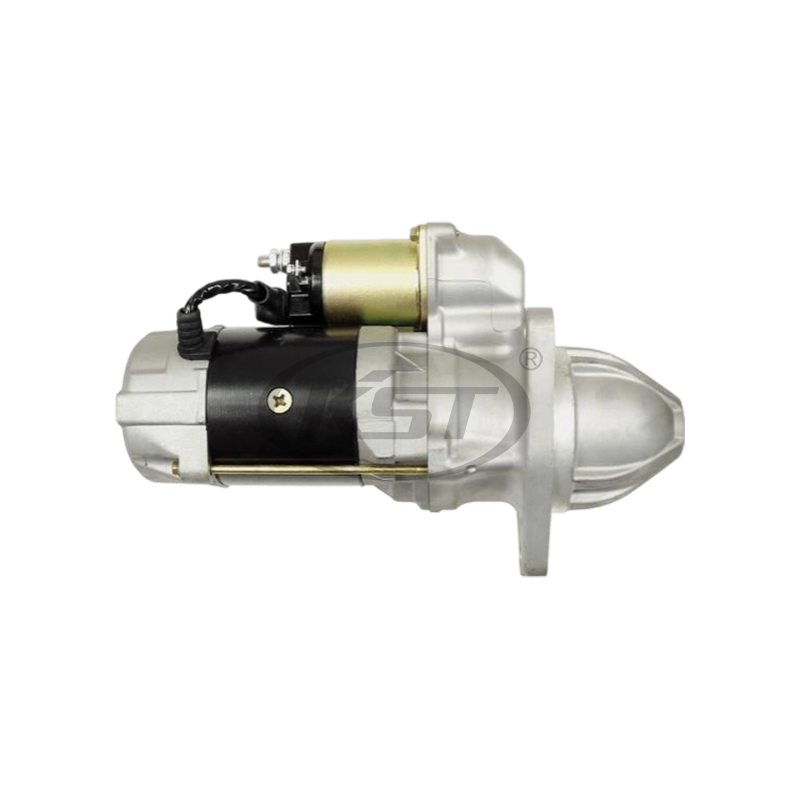
To meet its demanding role, a construction machinery starter is engineered with exceptionally robust components. It typically features a series-wound DC motor with large, heavy-duty field coils and a substantial armature, designed to produce immense torque at low rotational speeds—the key to turning over a large-displacement engine. The drive mechanism is more substantial than its automotive counterpart, often utilizing a solenoid-operated overrunning clutch (Bendix drive) or a pre-engaged gear system for direct, positive engagement. This mechanism must reliably and precisely extend the hardened steel pinion to mesh with the flywheel's ring gear and then retract it immediately after engine start to prevent catastrophic damage at high RPMs. Given the harsh operating environment—constant exposure to dust, moisture, severe vibration, and temperature swings—the housing and internal components of a construction machinery starter are built for durability, often featuring enhanced sealing, corrosion-resistant materials, and vibration-dampening mounts.
Selecting the correct replacement construction machinery starter requires meticulously matching several key specifications to the engine and the specific machine model. The critical factors are:
Voltage: Typically 12V, 24V, or even higher, must exactly match the equipment's electrical system.
Power & Torque: Rated in kilowatts (kW) and torque in Newton-meters (Nm), must be sufficient for the engine's displacement, compression ratio, and ambient starting conditions.
Mounting Flange & Drive Pattern: Must physically match the engine block's mounting interface and align perfectly with the flywheel's position.
Pinion Gear Specifications: The number of teeth, pitch, and bore must exactly match the flywheel's ring gear.
Using an underspecified or incompatible construction machinery starter will cause persistent problems such as slow, labored cranking, failure to start in cold weather, and premature burnout of the starter motor or damage to the flywheel, resulting in even costlier repairs.
Construction machinery starter failures often stem from the electrical and mechanical stresses of its core function. Common failure modes include worn or burnt solenoid contacts that fail to engage the drive mechanism, a burnt-out armature or field coils due to excessive cranking cycles or low voltage, a faulty overrunning clutch that slips or fails to retract, and severe corrosion on electrical terminals causing high resistance and critical voltage drop. Preventive maintenance is vital for longevity. This includes regularly ensuring battery and cable connections are clean, tight, and free of corrosion; verifying the battery bank maintains a full charge; and listening for unusual operational noises like grinding (indicating poor pinion engagement) or a high-speed "freewheeling" sound (indicating clutch failure). Proactive inspection and the timely replacement of a failing construction machinery starter are essential to prevent more catastrophic and expensive damage to the engine's flywheel ring gear.
Given its mission-critical function, the quality, durability, and provenance of a construction machinery starter are paramount considerations. Original Equipment Manufacturer (OEM) parts are engineered and rigorously tested to the exact specifications and duty cycles of the specific machinery, guaranteeing fit, performance, and longevity under anticipated conditions.
Your email address will not be published. Required field are marked*
Get in Touch
 Heavy Duty Vehicle Motor Factory


 en
en  English
 عربى
عربى فارسی
فارسی