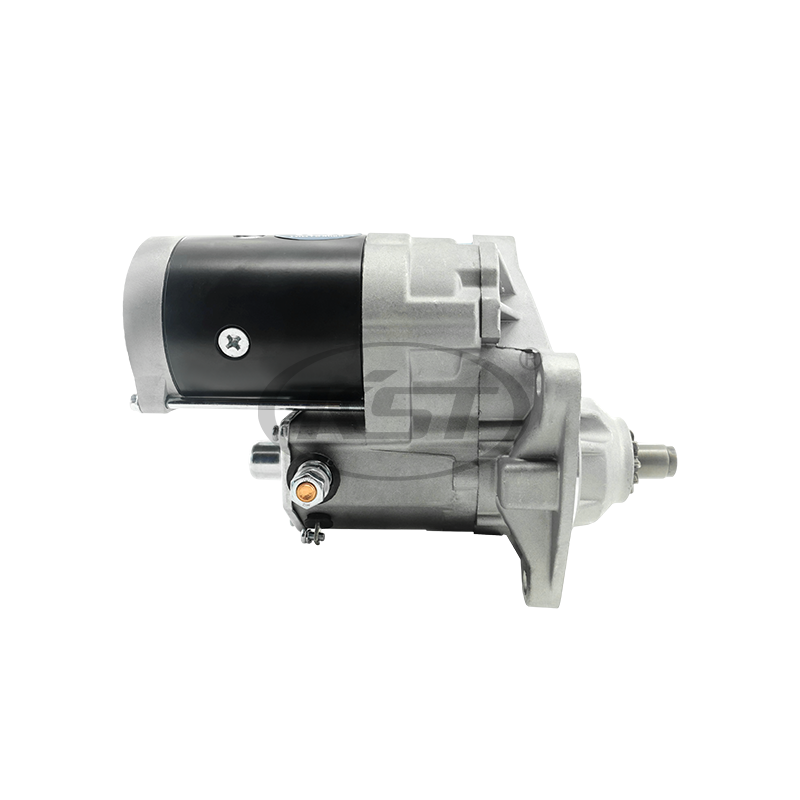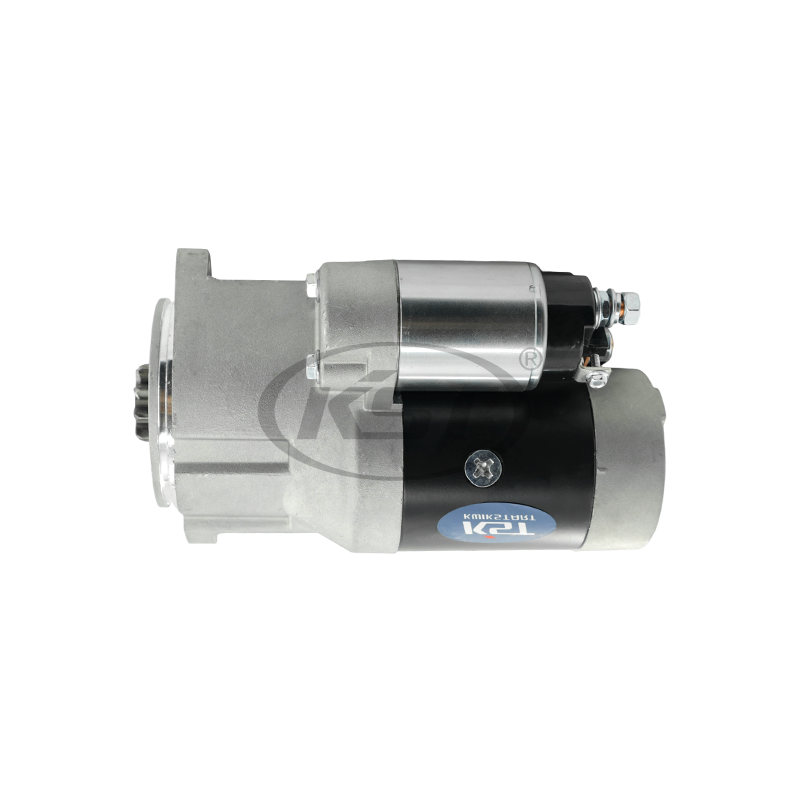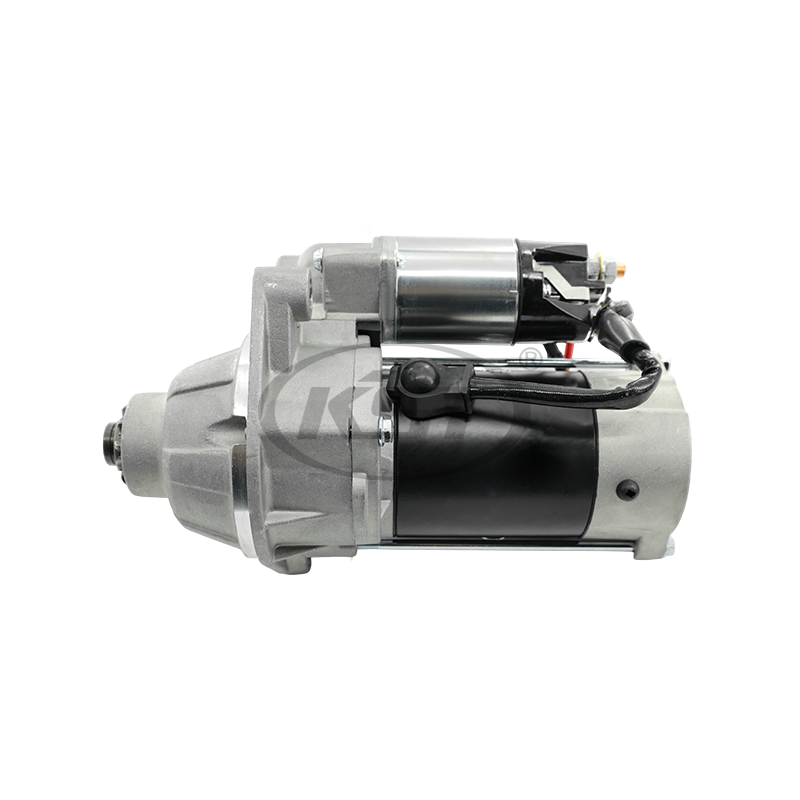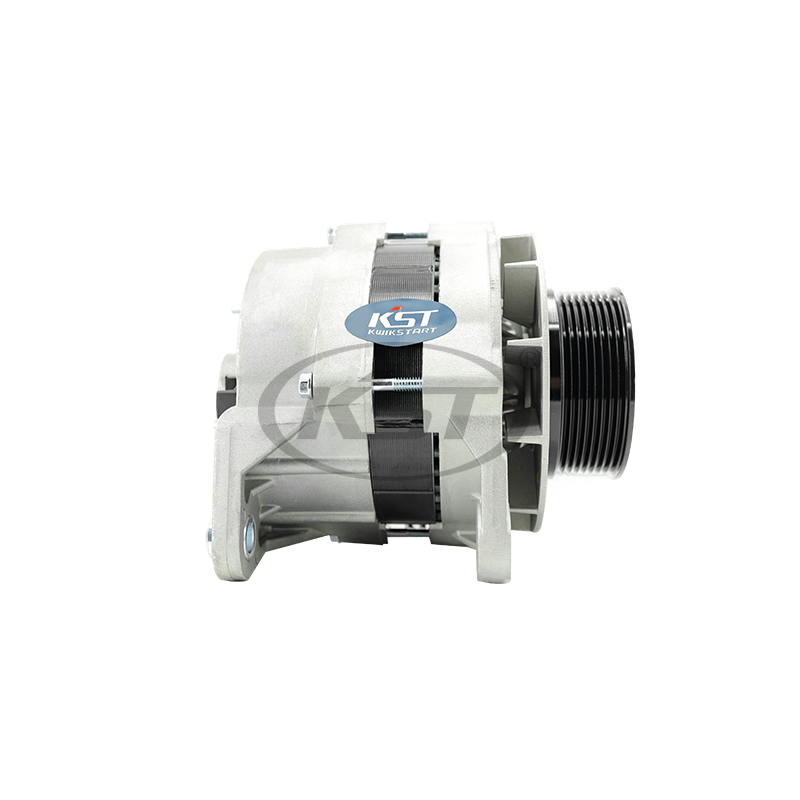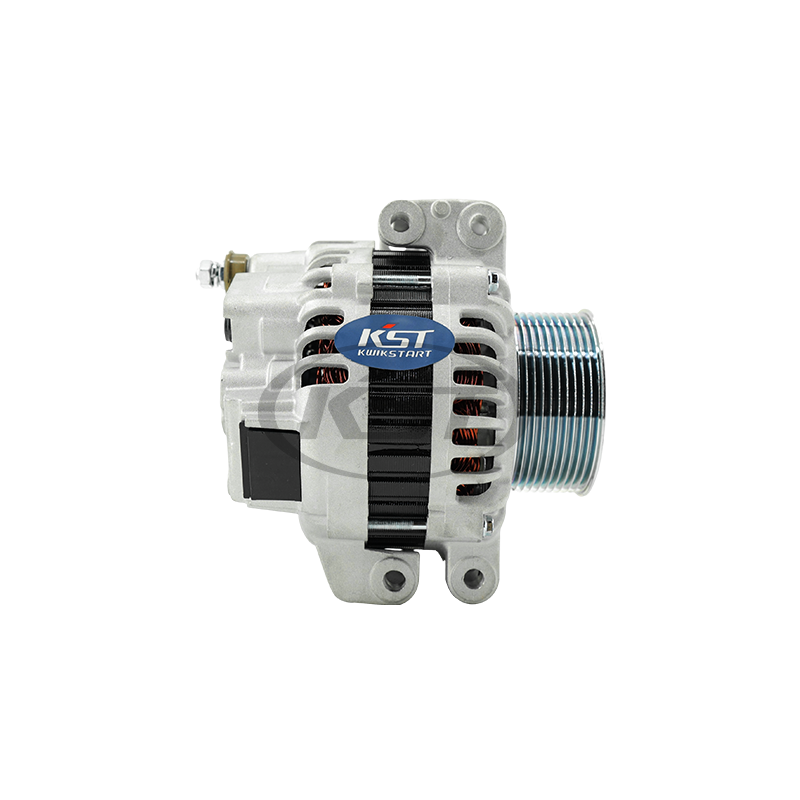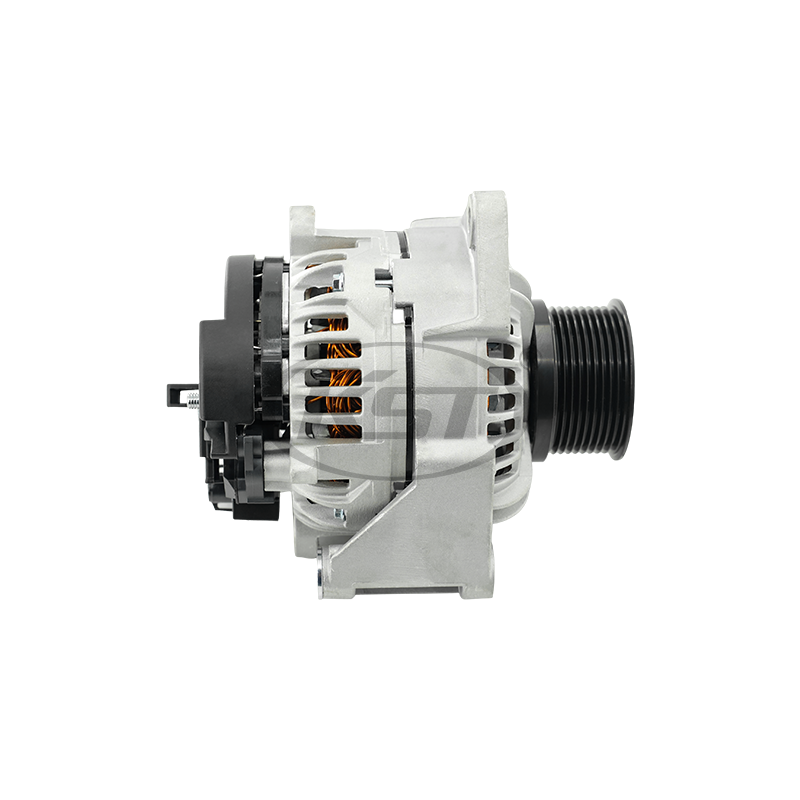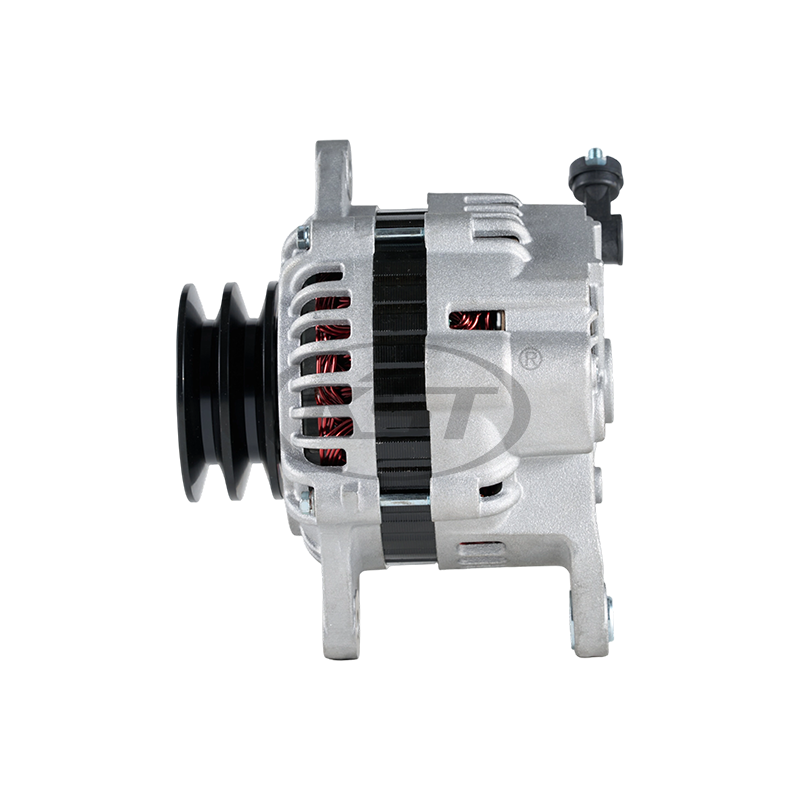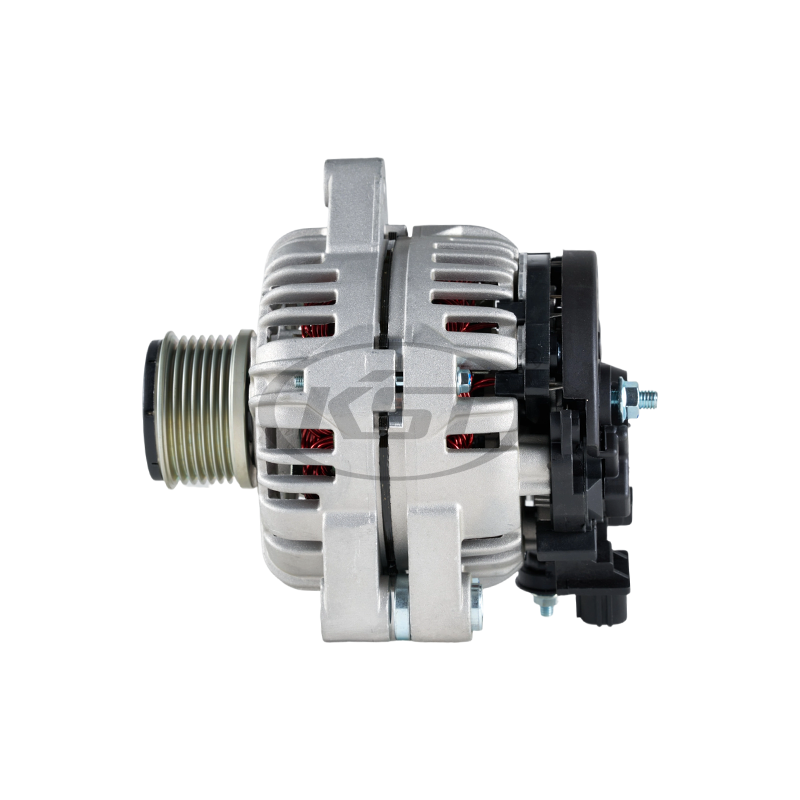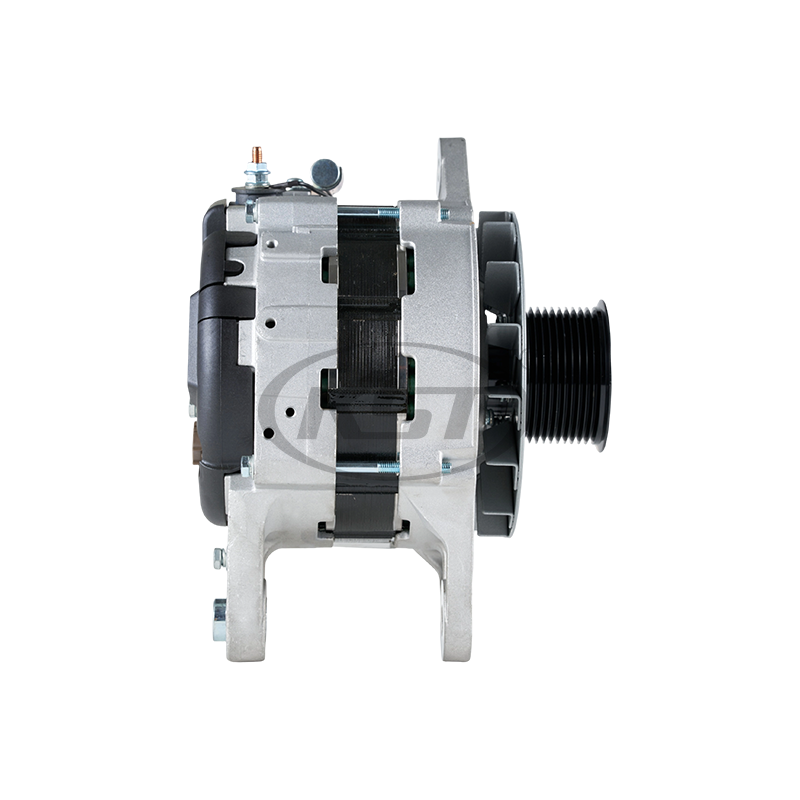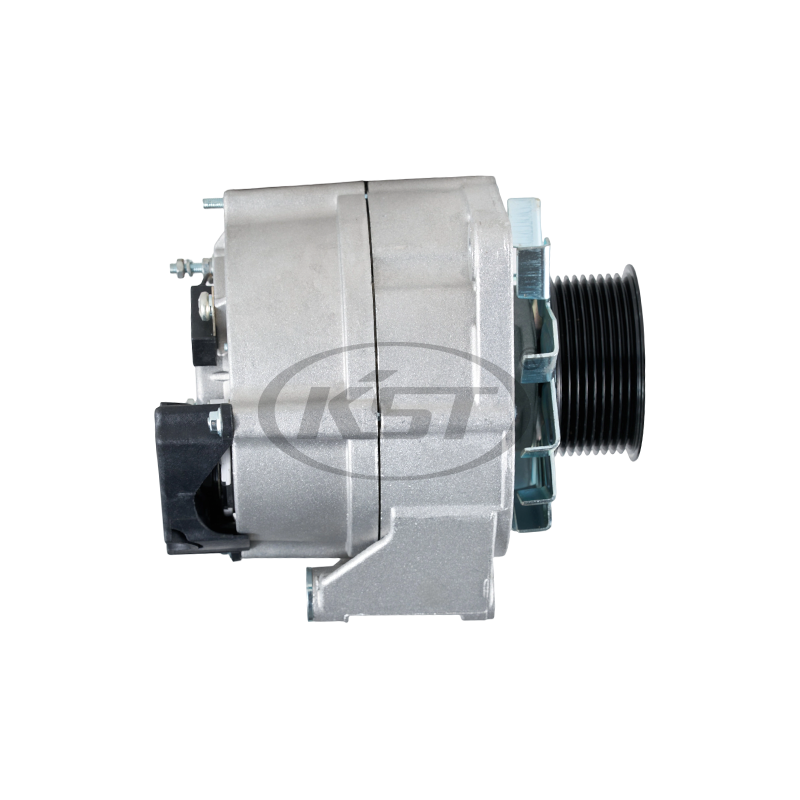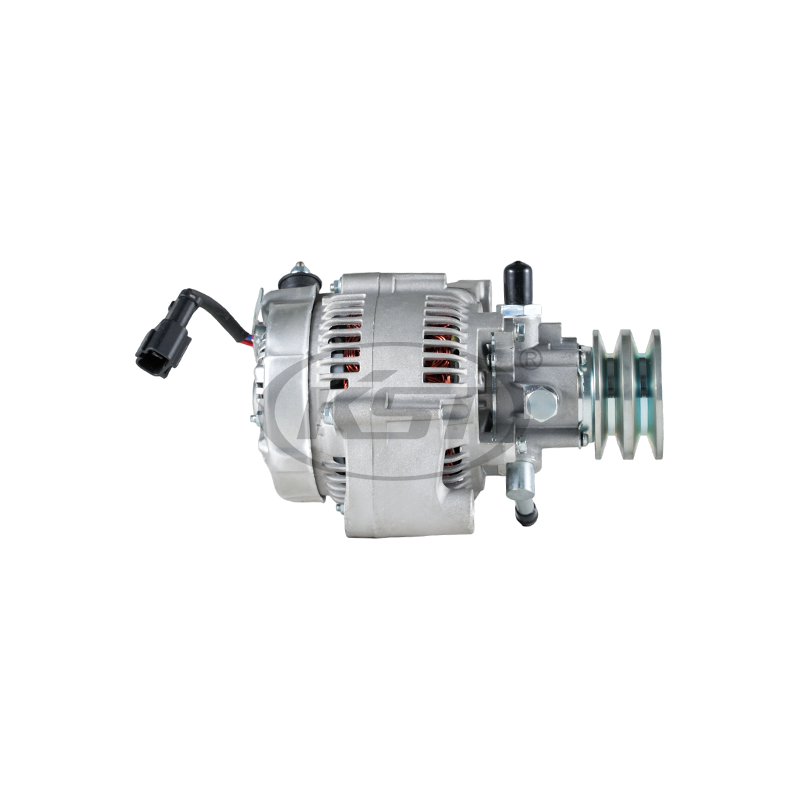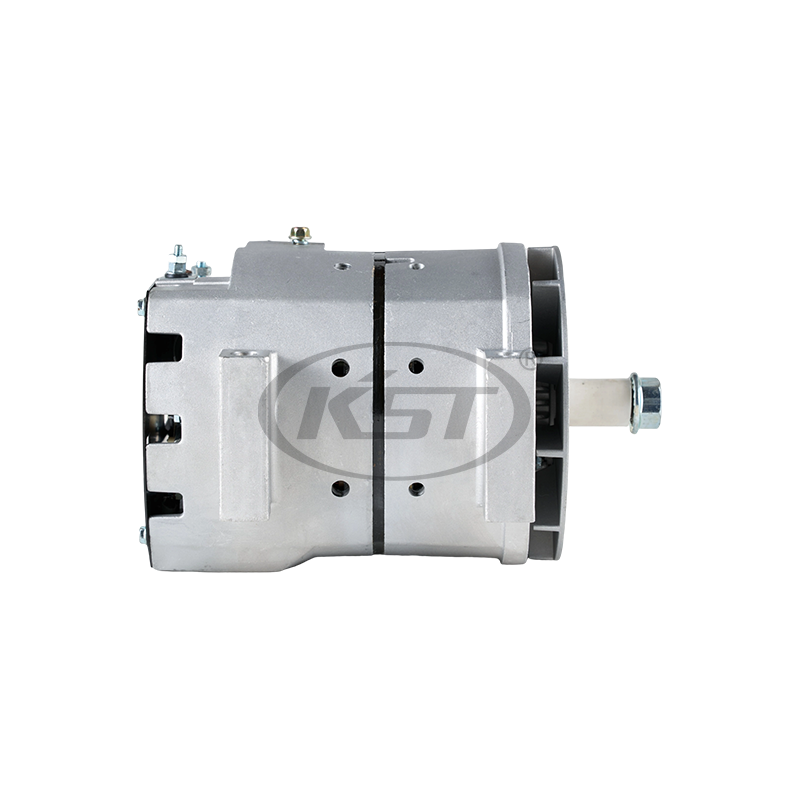
Voltage compatibility decides whether a charging generator can work correctly with a alternator vehicle's electrical system. The rated voltage of the generator must align with the system voltage of the machine so that the battery receives proper charging current and the electrical loads operate as designed. Mismatched voltage leads to undercharging, overcharging or damage to components. Construction equipment relies on stable electrical supply for starting, lighting, instrumentation and auxiliary devices, so correct voltage matching forms a basic requirement before any installation begins.
Every charging generator carries a rated voltage that indicates the electrical system it is intended to serve. This rating is fixed by the design of the windings, the regulator and the overall construction. Selecting a unit whose rating matches the vehicle system keeps the output within the safe operating band of the battery and the connected devices.
The vehicle electrical system is built around a specific nominal voltage. All lamps, sensors, control modules and the battery itself are designed for that voltage. The charging generator must therefore produce output that stays compatible with this system so that energy flows correctly during both idle and working conditions.
Some machines use lower-voltage systems while others use higher-voltage systems. The two are not interchangeable. A generator built for one system cannot simply be fitted to the other without risking incorrect charging levels or component stress. Confirmation of the actual system voltage therefore precedes any purchase decision.
A generator whose voltage matches the system keeps the battery within its designed charge range. Under-voltage leaves the battery undercharged and reduces starting reliability. Over-voltage can cause overheating and shortened battery life. Proper matching maintains the balance the electrical system expects.
Lighting, gauges, control circuits and additional equipment all draw power from the same system. When the generator voltage is correct, these devices receive stable supply and continue to function through the working day. Incorrect voltage can cause dim lights, erratic instrument readings or early failure of sensitive modules.
Voltage mismatch is a frequent source of unexplained electrical problems. Correct selection removes one common cause of intermittent faults and keeps the system operating closer to its original design intent.
When the charging system works as intended, the machine spends less time out of service for battery or electrical repairs. Matching voltage at the selection stage therefore supports higher machine availability on site.
A generator rated for a different system voltage either fails to charge adequately or forces the system beyond its safe limits. The symptoms may appear gradually or suddenly, but the root cause remains the initial mismatch.
Incorrect voltage leads to chronic undercharging or overcharging. Both conditions reduce battery capacity over time and increase the frequency of battery replacement.
Lamps, sensors and electronic modules designed for one voltage can overheat or fail when subjected to a different level. The damage is often progressive and may not be immediately obvious.
Voltage rating, original part information and the manufacturer's application guidance are checked before the generator is ordered or fitted. This step prevents installation of an unsuitable unit and the subsequent need to remove and replace it.
The system voltage is confirmed from the machine documentation, the existing generator markings or the battery configuration. This value becomes the primary filter for any candidate generator.
The part number or specification of the original unit provides a direct reference for voltage, current output and mounting style. Matching or cross-referencing this information reduces the chance of error.
Voltage must match exactly. Output current is then compared against the electrical demand of the machine so that both charging and load requirements are covered.
Physical fit and connector type are confirmed so that the selected unit can be installed without modification. Compatibility in these areas supports a straightforward replacement.
Voltage determines compatibility with the system. Current output determines how much energy the generator can supply under load. Both figures must be appropriate; focusing on only one leaves the other uncontrolled.
The combined demand from battery charging and all operating loads determines the required current capacity. A generator whose current rating meets or exceeds this demand maintains stable system voltage during normal work.
When voltage and current are correctly matched, the system remains within its design limits whether the engine is idling or working under load. Stability reduces stress on both the battery and the connected devices.
Many construction machines carry extra lighting, monitoring devices or auxiliary tools. These added loads increase the total current demand and must be included when the generator capacity is evaluated.
The rated voltage must correspond to the vehicle electrical system. Correct voltage supports proper installation and correct charging behaviour.
Output current is chosen to cover battery charging plus the operating loads of the machine. Adequate capacity prevents voltage drop under normal working conditions.
Vibration, temperature variation and continuous operation place mechanical and thermal stress on the generator. Design features that address these conditions support longer service intervals.
Consistent output across the expected speed and load range keeps the electrical system stable throughout the working day.
Matching mounting dimensions, pulley alignment and connector style simplifies replacement and reduces installation time.
Slow cranking, frequent battery replacement or unusually high or low system voltage readings indicate possible charging issues. These symptoms prompt further checks rather than immediate component replacement.
Output voltage and current are measured under controlled conditions to confirm whether the generator is performing within its rated range. Results are compared with the specifications of the unit.
Loose connections, corroded grounds or a faulty regulator can produce symptoms similar to a defective generator. These items are examined before the generator itself is condemned.
Systematic elimination of battery, wiring and regulator faults isolates the true source of the problem. Only then is the generator replaced if necessary.
Fitting a generator with the wrong voltage leads to early failure and the need for another replacement. Correct matching at the start avoids this cycle.
When the generator matches the system, periodic voltage and current checks give clear, comparable results and make trend monitoring straightforward.
Recording the correct voltage, current and mounting details for each machine type lets spare generators be stocked with confidence and cuts the chance of incorrect parts being issued.
Different machines carry different electrical loads and run under different duty cycles. Matching the generator to the specific application keeps performance lined up with real operating needs.
| Selection Factor | Purpose of the Check | Consequence of Mismatch |
|---|---|---|
| System voltage identification | Ensures basic electrical compatibility | Incorrect charging or component stress |
| Original part reference | Provides direct specification match | Installation or performance problems |
| Rated voltage confirmation | Aligns generator output with system design | Under- or over-charging of the battery |
| Current output evaluation | Covers charging plus operating loads | Voltage drop under load |
| Mounting and connection fit | Allows straightforward installation | Modified mounting or wiring complications |
| Environmental suitability | Addresses vibration, temperature and duty | Shortened service life |
Voltage compatibility protects battery charging, keeps electrical loads stable and cuts maintenance interruptions on construction machines. Rated voltage, output current, mounting dimensions, connection style and application suitability are all checked before a unit is ordered. Zhejiang KST Automotive Electric Motor Co., Ltd. produces charging generators intended for construction and heavy-equipment applications. Looking over available voltage ratings, current capacities and mounting configurations against the specific machine requirements points to a generator that keeps system voltage correct and supports consistent electrical performance.
Your email address will not be published. Required field are marked*
Get in Touch
 Heavy Duty Vehicle Motor Factory


 en
 English
 عربى
 فارسی