Ms. Lu

Ms. Shen

Ms. Lin

Ms. Tang

Mr. Zhang

Slow cranking means the engine turns over more sluggishly than normal when the start command is given. Failure to start means the engine does not turn in a useful way or does not fire into running condition. Operators of loaders, excavators, rollers and related machines meet both patterns when equipment has sat idle, when ambient conditions are harsh or when starting components have aged.
Repeated difficulty at start-up interrupts shifts and delays work on site. The starter converts electrical energy from the battery into mechanical rotation at the ring gear so the engine can begin its own combustion cycle. A construction vehicle starter that no longer delivers that conversion reliably becomes a direct cause of downtime.
A weak or undercharged battery limits the current available to the starter and is a frequent reason for sluggish turnover. Internal wear in the starter reduces effective output even when battery voltage looks acceptable at rest. Loose, corroded or damaged cables and terminals raise resistance so that less energy reaches the motor under load.
Prolonged service and many start cycles wear brushes, bearings and related motor parts. Mechanical resistance inside the engine—thick oil in cold conditions, partial seizure or other internal drag—can also demand more from the starter than it can supply. Sorting these causes requires looking at the battery, the wiring path and the starter together rather than replacing parts at random.
A silent or fully unresponsive starter often points to supply, control-circuit or solenoid problems. Clicking without strong cranking can indicate solenoid engagement issues or severe voltage drop under load. In other cases the starter spins but does not turn the engine, which may involve drive engagement, ring-gear condition or internal mechanical failure.
Damaged internal components can block normal starting even when the operator hears some activity. Checking the starter alongside the battery, wiring, neutral or safety interlocks and related systems avoids misdiagnosis. Starting faults are system faults until proven otherwise.
The starter initiates rotation so that compression, fuel and ignition or injection sequences can begin. Motor performance influences how quickly and how steadily the engine is turned. Torque capability must be adequate for the engine's displacement, compression and temperature-related drag.
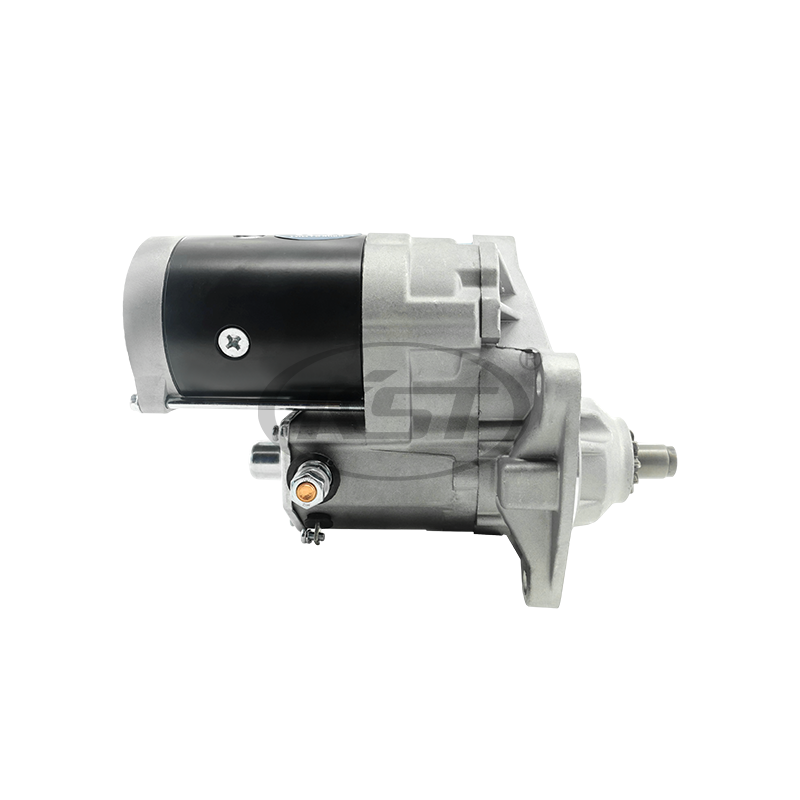
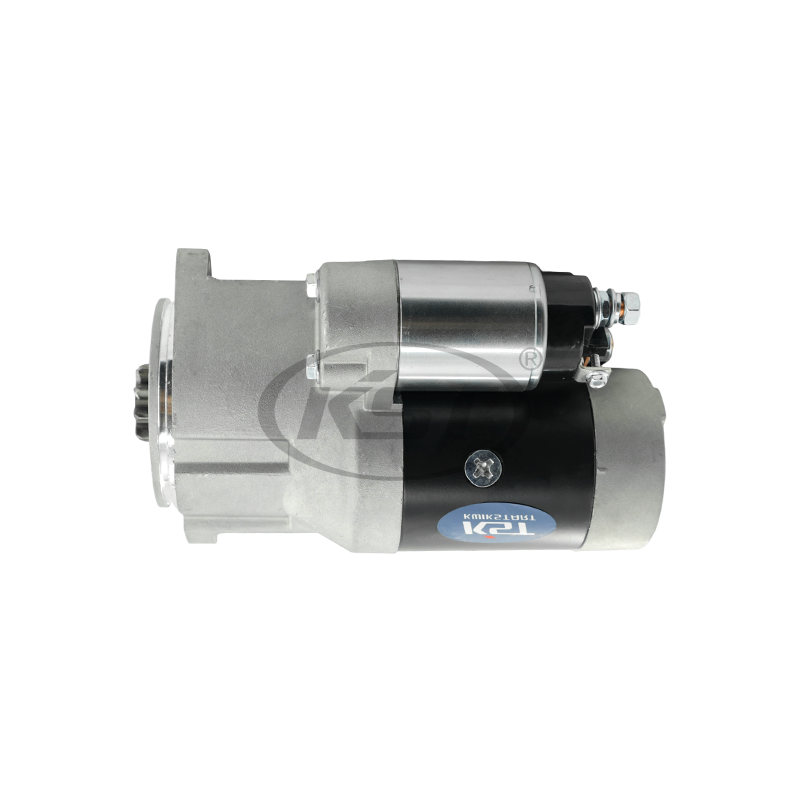
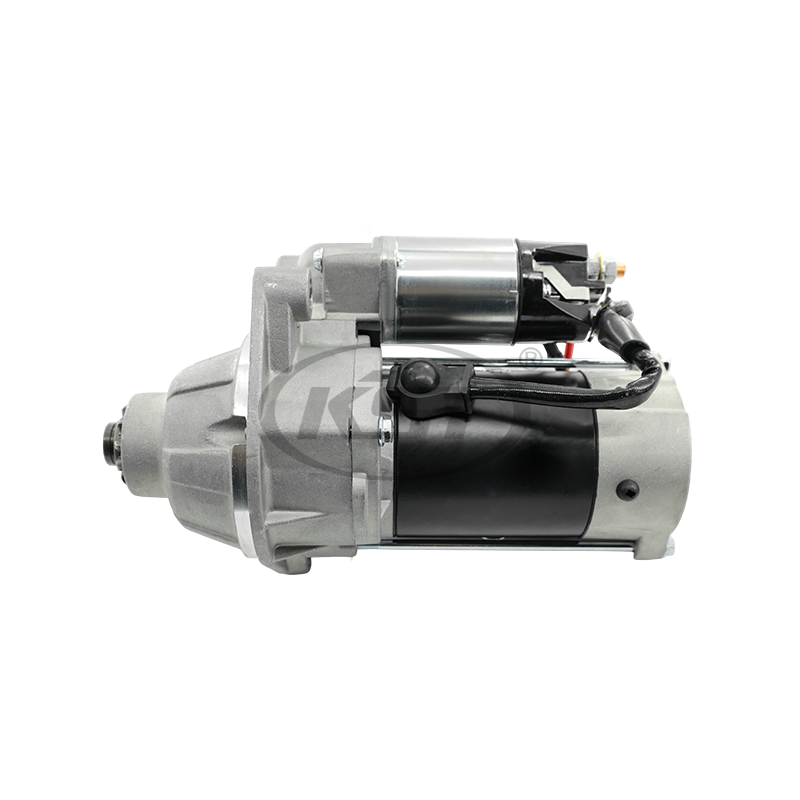
Stable electrical connections and low-loss power transmission matter as much as the motor itself. A properly matched unit supports dependable starting when the rest of the system is sound. When the original unit shows wear or reduced performance, a suitable replacement restores that role. Starter for Engine selection should always respect the equipment's electrical and mechanical interface.
Construction environments expose starting hardware to dust, dirt, moisture and vibration. Contaminants on terminals and moving parts raise resistance and accelerate wear. Frequent starts and stops in a single shift multiply mechanical and electrical stress compared with light automotive duty.
Temperature swings affect battery output and the effort required to turn a cold engine. Choosing a starter built for heavy-equipment duty addresses enclosure, materials and duty cycle more seriously than a light-duty substitute. Construction quality and environmental suitability belong on the purchasing checklist for fleet and repair buyers.
Warning signs include slow cranking, intermittent starting, unusual noises during the start attempt and complete lack of response. Repeated attempts that only succeed occasionally suggest a marginal starter or supply path. Basic inspection of connections, cable condition and external mounting can reveal obvious faults before the unit is removed.
Operators and technicians should separate battery weakness from true motor failure through voltage and load checks where practical. Continuing to rely on an unreliable starter risks stranding machines at critical moments; replacement of a worn or damaged unit is often more practical than repeated emergency charging and temporary fixes. Engine Motor Starter wear is a normal outcome of hard service and should be planned for in maintenance schedules.
Compatibility with the engine and mounting arrangement prevents installation surprises. Electrical characteristics must align with the vehicle's nominal system and cable capacity. Mounting pattern, pilot diameter and terminal layout need to match the existing bell housing and harness.
Internal component quality influences how long the unit tolerates dust, vibration and high current. Consistent cranking performance under the loads typical of construction engines is the functional target. Operating conditions on site—heat, cold, contamination—should influence which construction and sealing level is chosen. A Construction Vehicle Starter specified for the machine class reduces the risk of early repeat failure.
Machines that start cleanly return to productive work without long idle periods waiting for jump assistance. Consistency matters in earthmoving, material handling and general construction where schedules are tight. Starter reliability is one thread in daily equipment availability.
Selecting a compatible replacement addresses problems tied to worn starting components when diagnosis points that way. Matching operating and installation requirements protects the investment in both the starter and the machine it serves.
| Symptom | Possible related area | Sensible direction |
|---|---|---|
| Slow turnover | Battery, cables, worn starter, engine drag | Test supply under load; inspect path and unit |
| Click only | Solenoid, severe voltage drop, control circuit | Check voltage at starter during attempt |
| Spins without engine turn | Drive engagement, ring gear, internal failure | Inspect drive and meshing components |
| Intermittent success | Marginal connections, heat-related motor issues | Recreate fault; inspect terminals and grounds |
| No response | Open circuit, failed control, seized unit | Verify power and command before condemning motor |
| After replacement | Fit, wiring and safety interlocks | Confirm torque path and secure electrical joints |
Replacing a starter without confirming battery health and cable integrity often leads to repeat complaints. After installation, secure mounting and correct terminal torque support both electrical performance and mechanical alignment. A supervised start test under normal conditions confirms that the repair closed the fault.
Slow cranking and no-start conditions on construction vehicles often trace to battery supply, connections, worn starter internals or engine mechanical resistance, and accurate diagnosis should cover the full starting path. Zhejiang KST Automotive Electric Motor Co., Ltd. produces starters for construction and related vehicle applications. Review of engine type, electrical system and site conditions against starter specifications supports selection of units that restore reliable engine starting for working equipment.
Your email address will not be published. Required field are marked*
Get in Touch
 Heavy Duty Vehicle Motor Factory


 en
 English
 عربى
 فارسی