Ms. Lu

Ms. Shen

Ms. Lin

Ms. Tang

Mr. Zhang

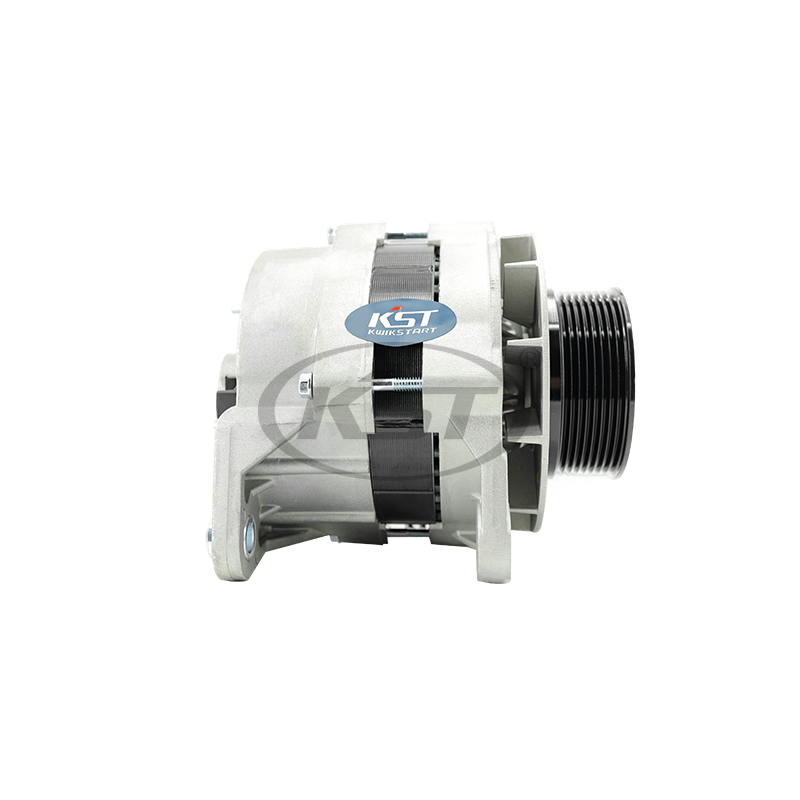
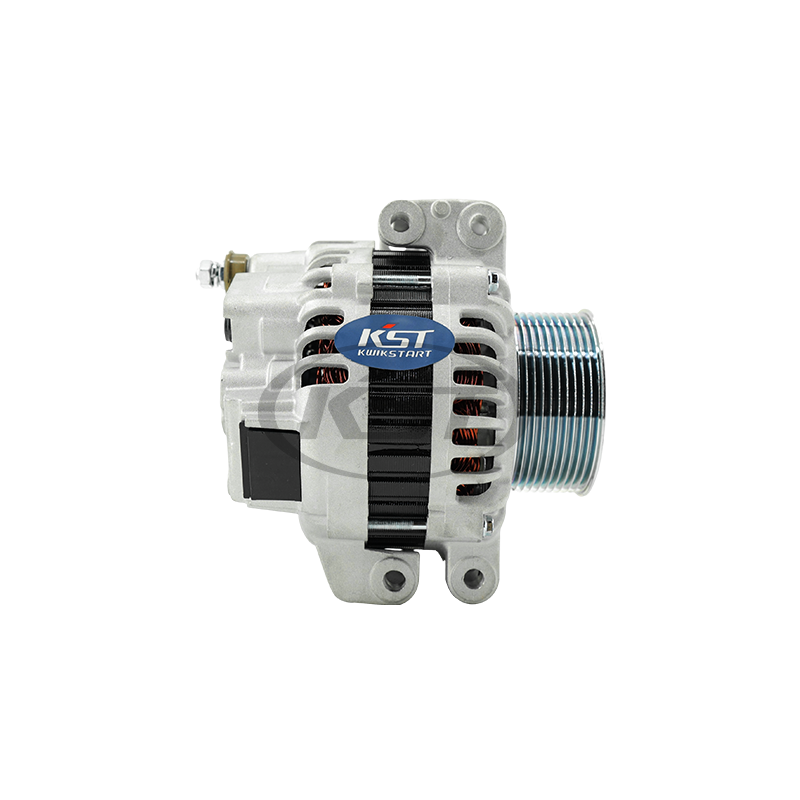
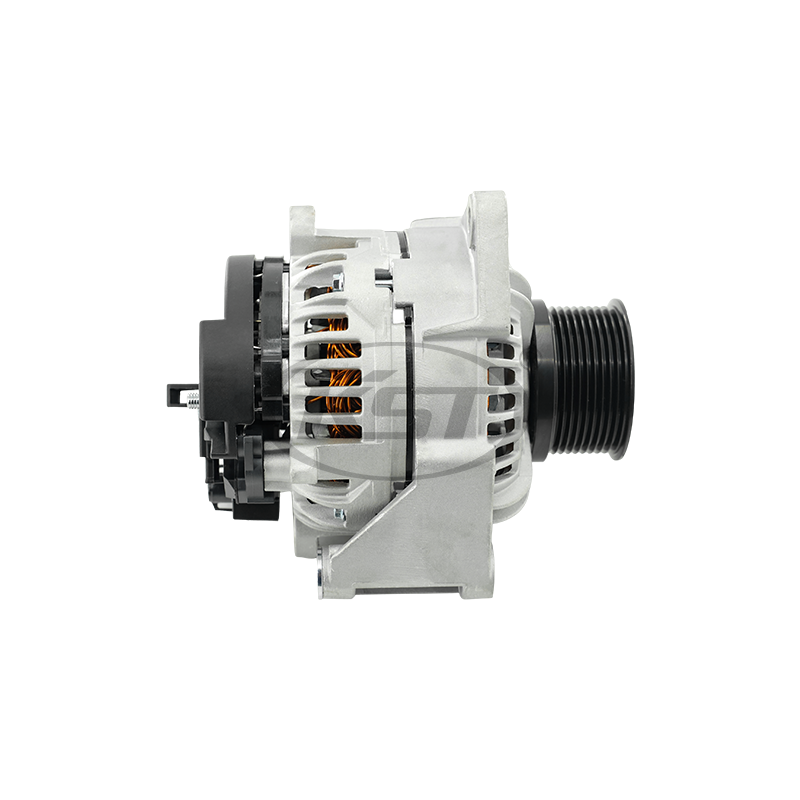
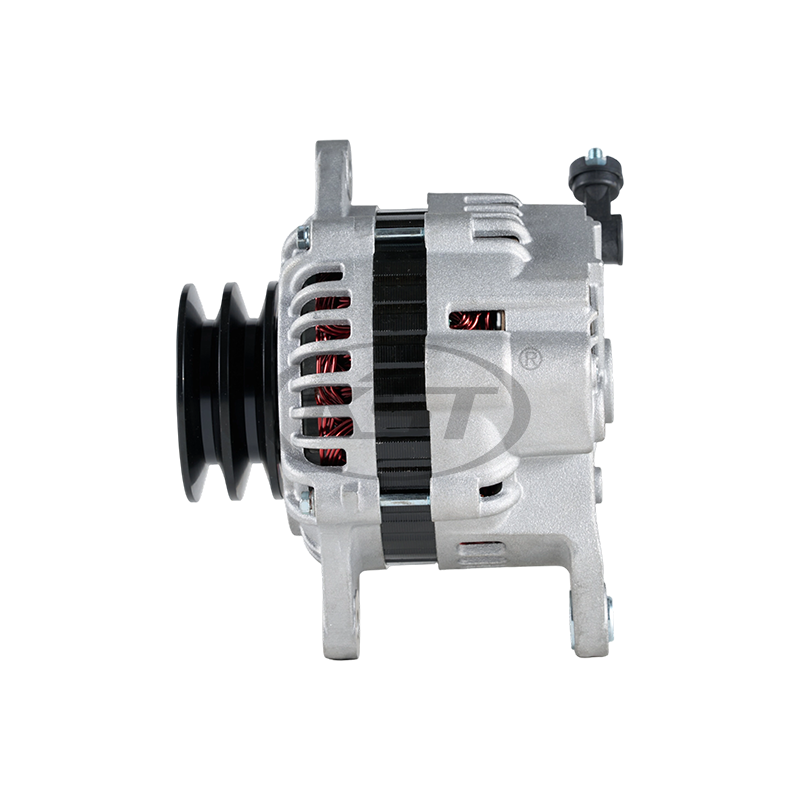
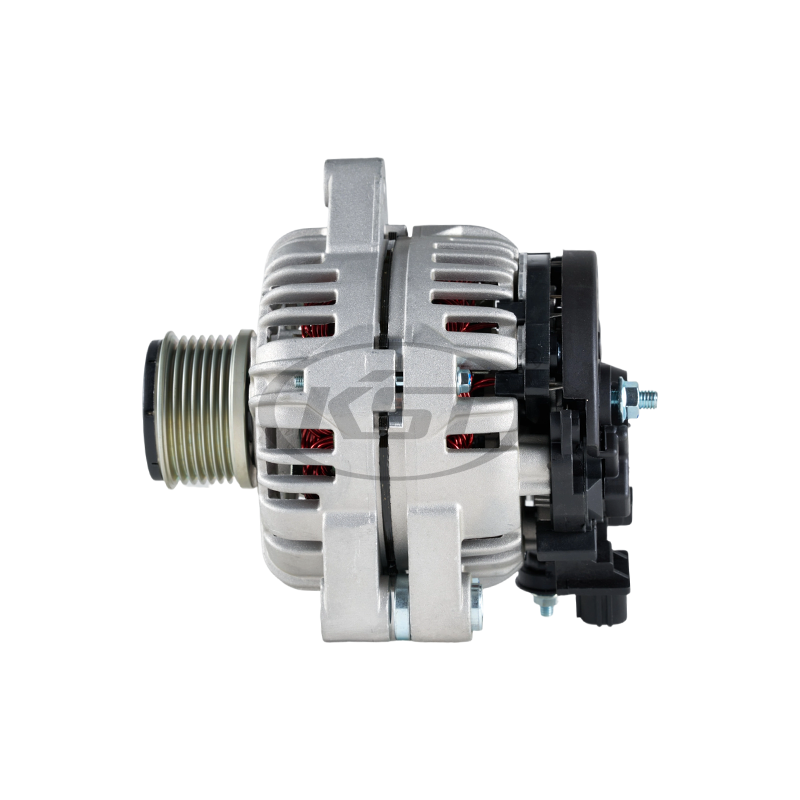
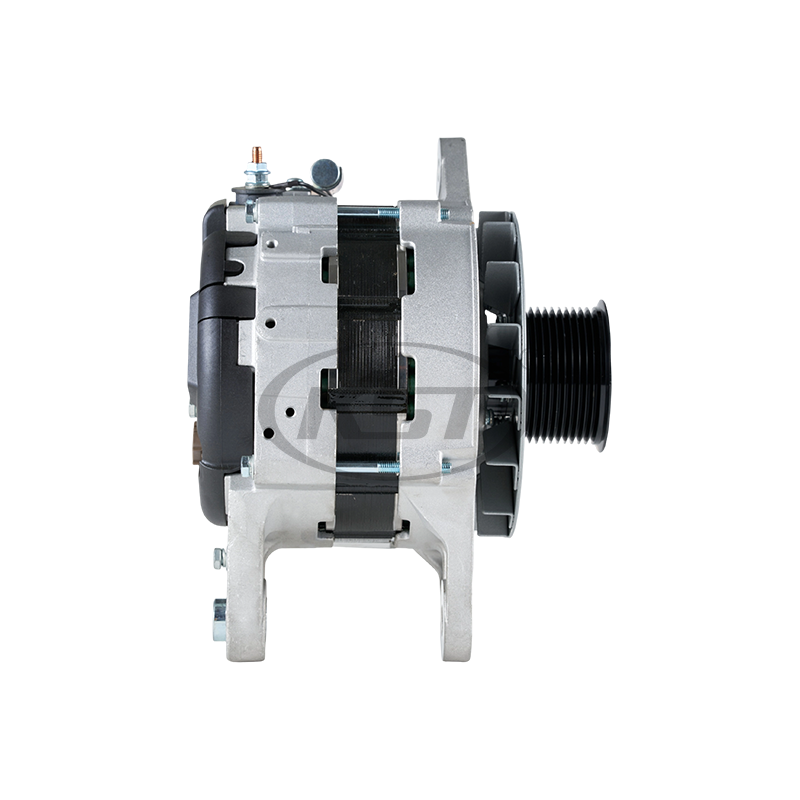
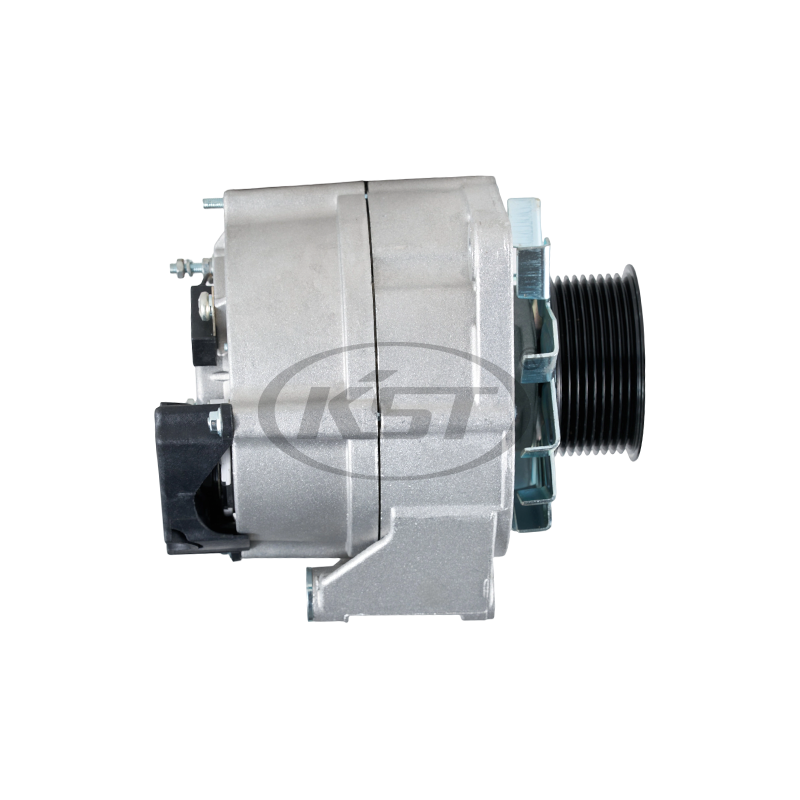
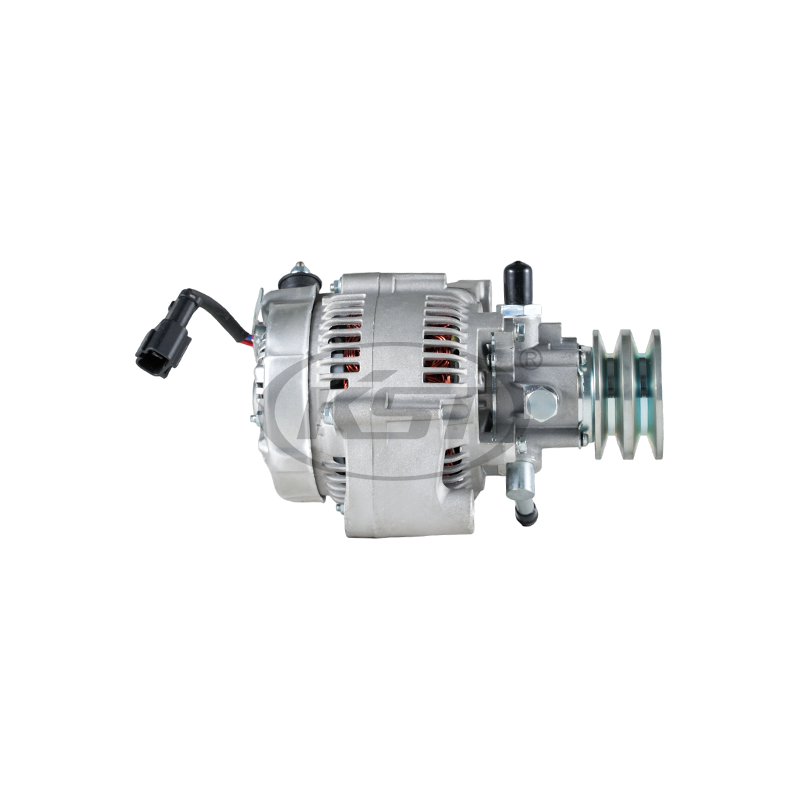
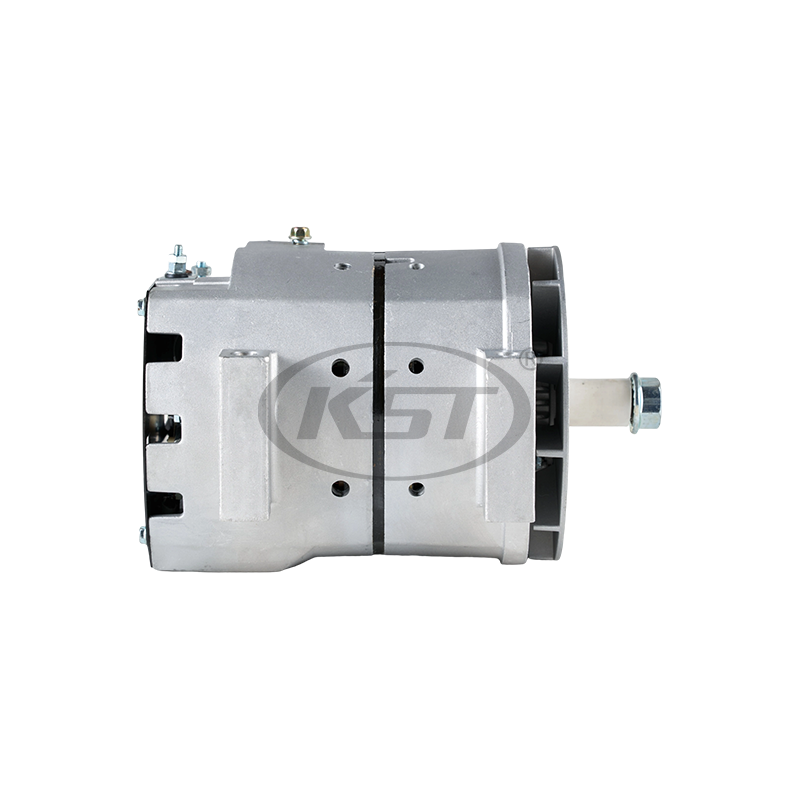
A vehicle alternator turns mechanical energy from the running engine into electrical energy. A belt driven by the crankshaft spins the alternator's rotor; the rotating magnetic field induces alternating current in the stator windings. That electrical output becomes the main supply for the vehicle's electrical system whenever the engine is running.
Without this continuous generation, onboard equipment would drain the battery alone and the battery would soon be unable to support lights, controls and ignition-related loads. The alternator's role is therefore ongoing power production, not a one-time charge at the start of a trip. Stable output under changing engine speed and electrical demand supports uninterrupted operation of the systems drivers rely on after the engine has started.
Once the engine is running, the alternator feeds the vehicle's electrical network. Headlights, dashboard displays, climate-control blowers, heated elements, audio units and electronic control modules all draw from that network. Several of these loads often operate at the same time—low beams, cabin fan, rear demist and control units can share the same period of driving—so the alternator must cover the combined demand while still leaving capacity for charging.
Supply is shared through the vehicle's wiring and power-distribution design. The alternator does not power each device through a private cable; it maintains system voltage so that every branch receives energy within the design range. An Alternator for Vehicle application is sized and regulated so that typical combinations of loads do not collapse voltage when the engine is at ordinary running speeds. Consistent electrical supply keeps lamps at intended brightness and modules within their allowed voltage window.
The stator's alternating current is converted to direct current through a rectifier so that it matches what the battery and many vehicle electronics require. Part of that DC output restores charge used during starting and during periods when demand briefly exceeded generation. The battery and alternator work as a pair: the battery supplies high current for cranking and buffers short peaks; the alternator replenishes the battery and carries steady loads while the engine runs.
Voltage regulation keeps charging within a band suited to the battery type and temperature strategy used by the vehicle. Controlled charging helps the battery remain available for the next start and for accessory use when the engine is off. An Alternator Vehicle installation that regulates poorly can undercharge, leaving hard starts, or overstress the battery and electrical parts with excessive voltage. Balanced charging performance is therefore part of the alternator's system role, not a separate accessory function.
A voltage regulator—integral or associated—adjusts alternator field current so that output voltage tracks the vehicle's requirements as speed and load change. When many consumers switch on, the regulator allows more generation; when load drops, it reduces output to avoid sustained overvoltage.
Regulated voltage matters for electronic control units, sensors and lighting. Prolonged high voltage shortens bulb and electronics life; prolonged low voltage causes dim lights, weak actuators and control faults. Stable regulation reduces the risk of problems traced to preventable voltage swing. Product designs that hold regulation under normal thermal and speed conditions support the electrical system's long-term behaviour, subject to correct belt drive, grounding and wiring health in the vehicle.
Onboard power supply, battery charging and the operation of electrical components all depend on the alternator while the engine runs. Reliable performance keeps that chain intact across ordinary commuting, night driving and mixed accessory use. When generation fails or becomes intermittent, the battery is left to carry the load alone and system voltage falls until warnings appear or the engine stalls.
Construction quality, bearing and rectifier durability and appropriate output for the vehicle class influence how long the unit sustains that role. Compatibility with mounting points, pulley alignment and electrical connectors allows the alternator to be installed and driven as the vehicle manufacturer intended. kst automotive related product lines for charging systems are typically assessed on those same points: output behaviour, regulation stability and fitment suitability.
| Role | What it provides | System effect |
|---|---|---|
| Mechanical to electrical conversion | Power while the engine runs | Reduces reliance on battery alone |
| Supply to onboard loads | Energy for lights, HVAC, ECUs, accessories | Supports simultaneous consumer use |
| Battery charging | DC recharge after start and during running | Maintains starting and reserve capacity |
| Voltage regulation | Controlled output band | Protects sensitive electronics and lamps |
| Continuous operation support | Stable generation across speed and load | Keeps electrical system in normal operating range |
Stable power output provides consistent electrical energy for vehicle systems when the engine is running and the drive belt is sound. Efficient charging performance supports the battery during operation so that stored energy is restored rather than steadily depleted. Reliable electrical supply helps multiple onboard components operate within design voltage. Durable construction is intended to withstand under-hood heat, vibration and duty cycles typical of vehicle use. Vehicle compatibility allows configuration against different models and installation requirements so that mechanical and electrical interfaces match the host vehicle. kst auto specification choices for alternators follow those application constraints rather than a single universal unit for every platform.
The alternator does not work in isolation. Belt tension, idle speed, battery condition and parasitic drains all affect whether the electrical system stays healthy. A sound alternator cannot fully compensate for a failed battery or corroded earth paths. Conversely, a weak alternator forces the battery to compensate until both are stressed. Diagnosis of electrical complaints therefore includes charging performance, not only battery testing. Replacement units should match output class, regulator behaviour and fitment so that the vehicle's electrical design assumptions remain valid.
The alternator's role in a vehicle electrical system is to convert engine-driven mechanical energy into regulated electrical power that runs onboard loads and charges the battery while the engine operates. Through generation, distribution to components, charging and voltage control, it underpins everyday electrical function. Zhejiang KST Automotive Electric Motor Co., Ltd. produces automotive alternators for vehicle electrical system applications. Review of output requirements, regulation behaviour, mounting design and vehicle electrical load against the intended application supports selection of an alternator that maintains stable supply and charging throughout normal operation.
Your email address will not be published. Required field are marked*
Get in Touch
 Heavy Duty Vehicle Motor Factory


 en
 English
 عربى
 فارسی