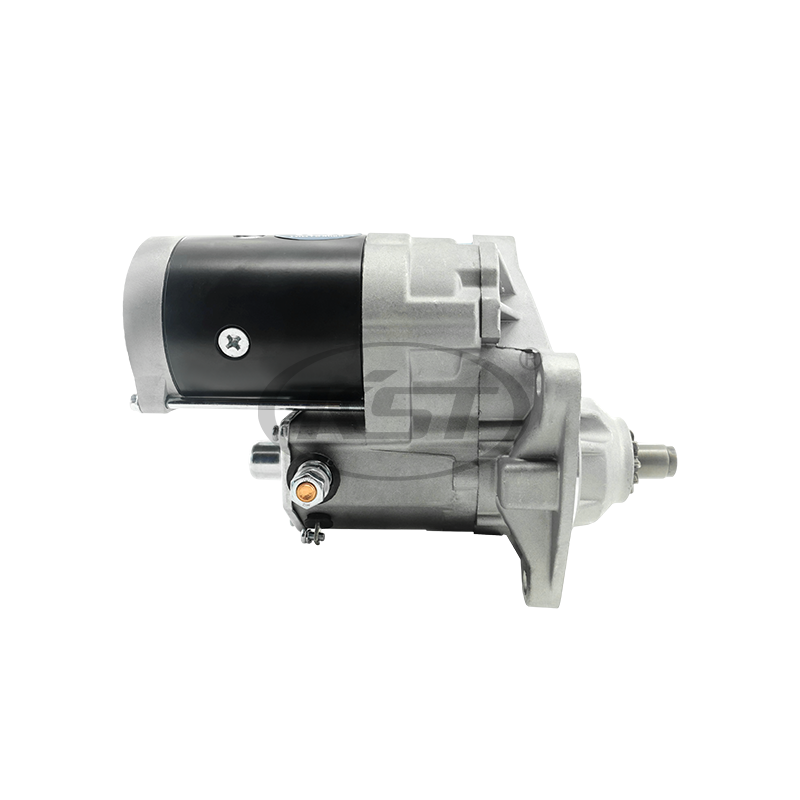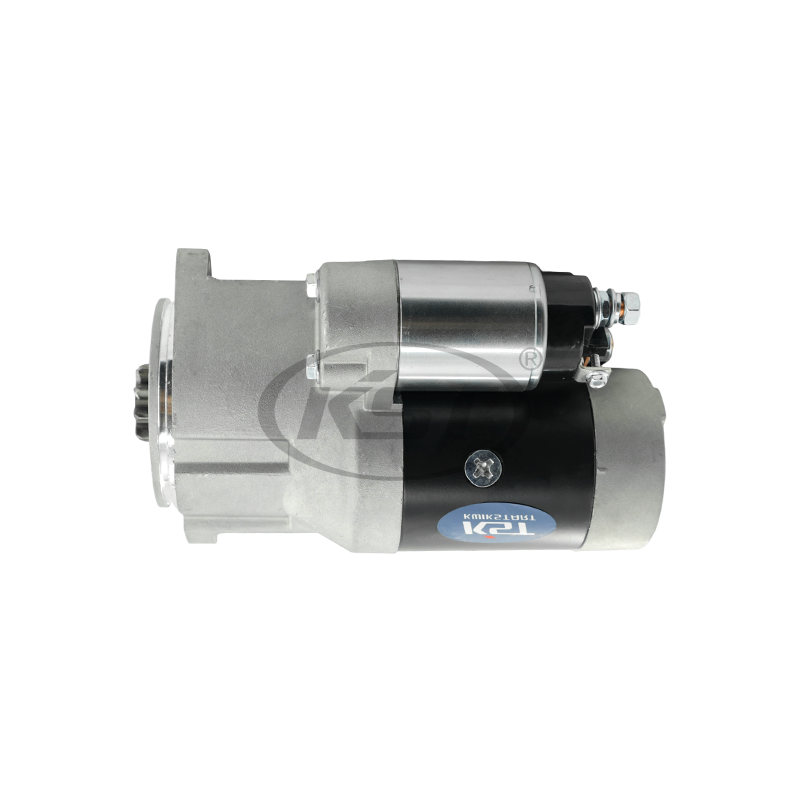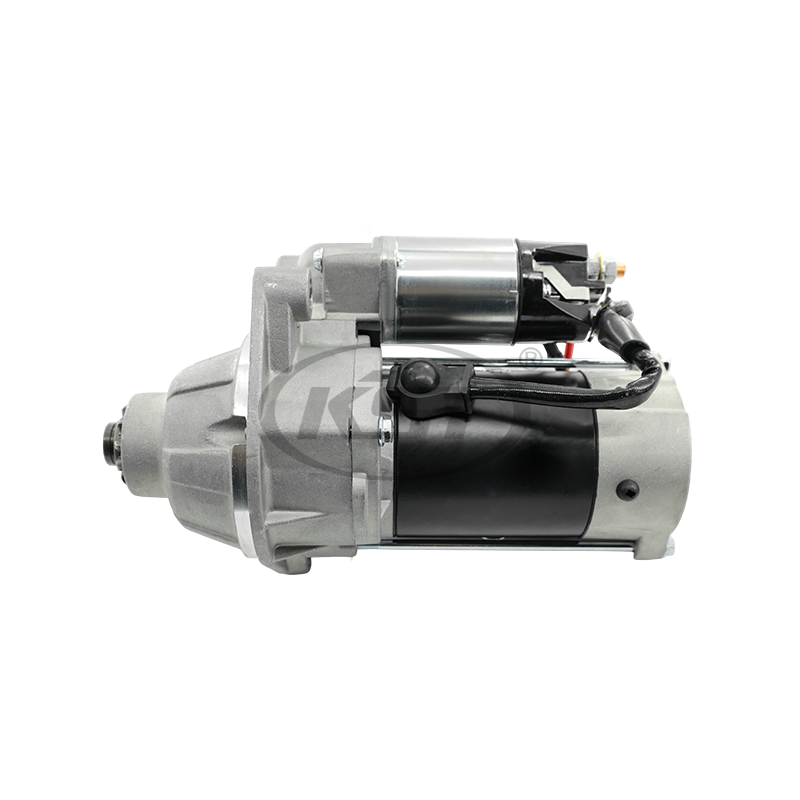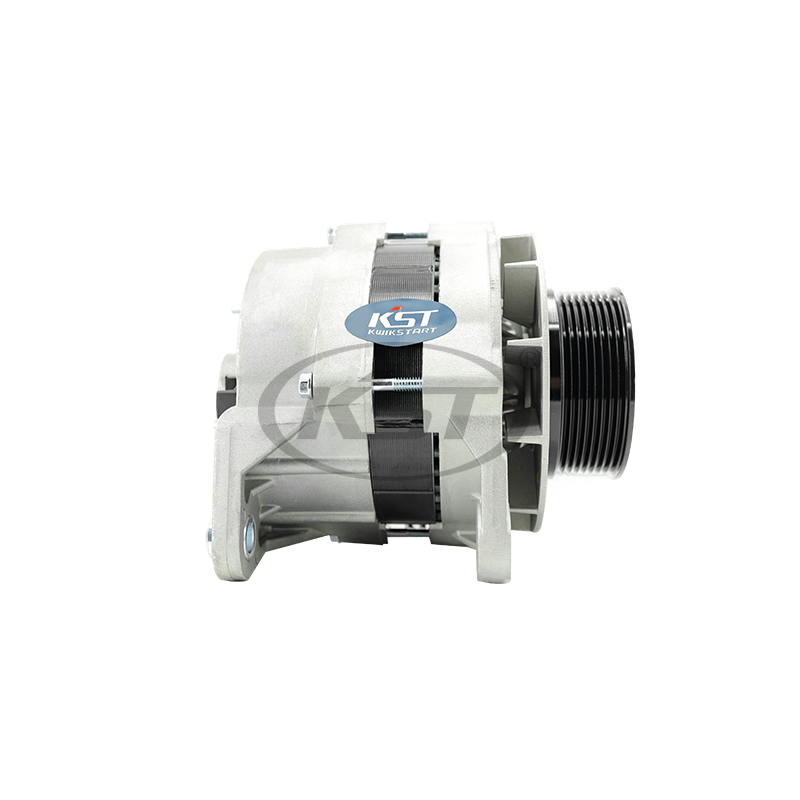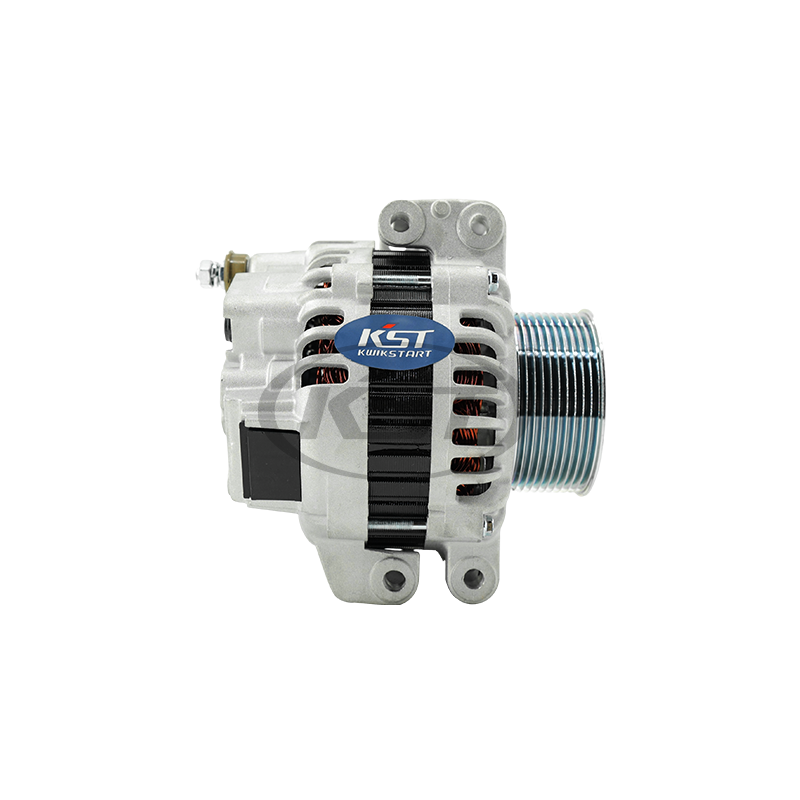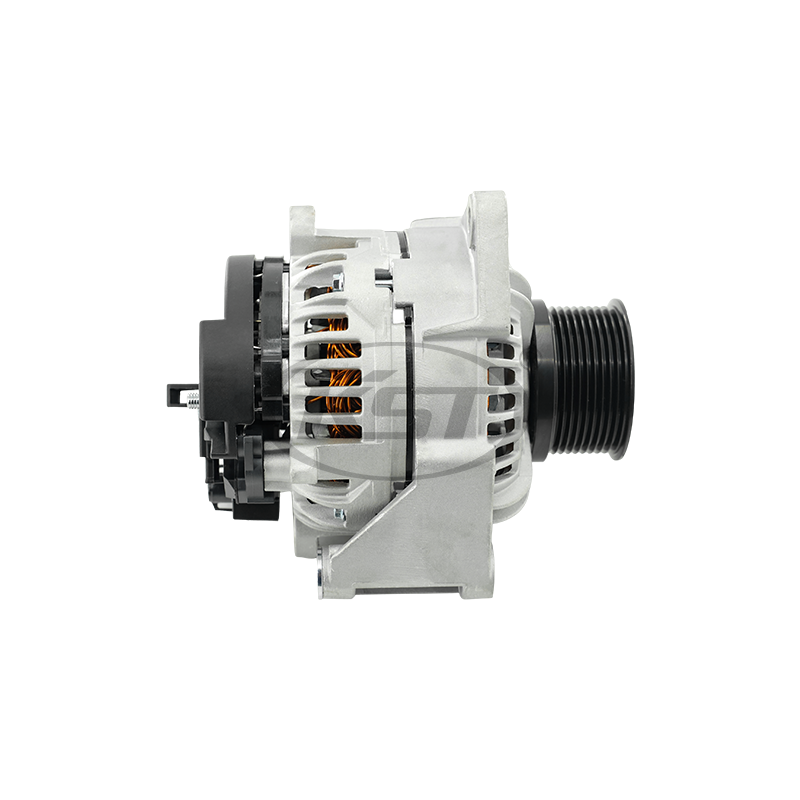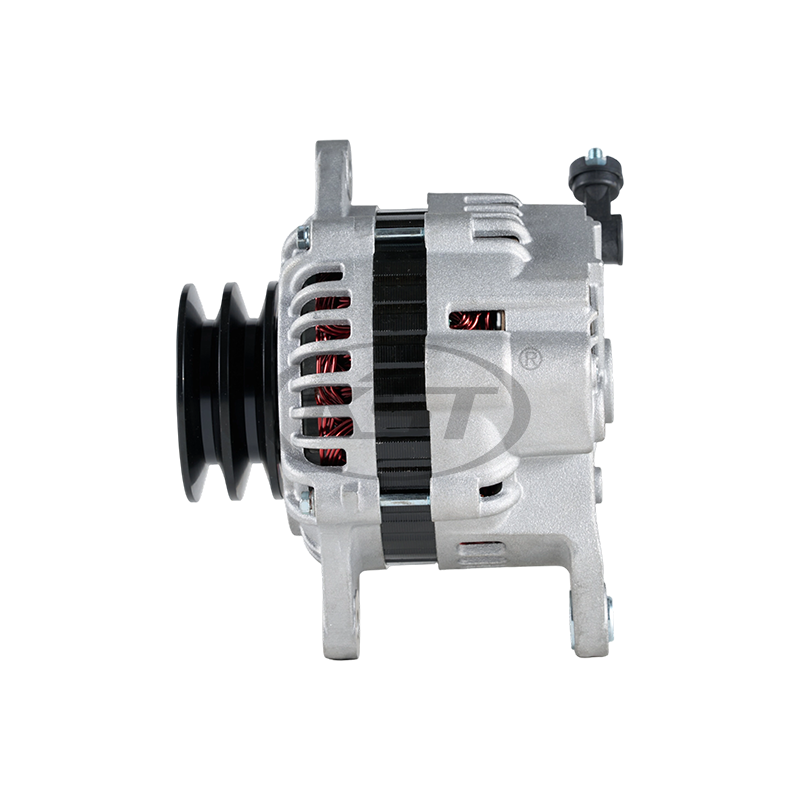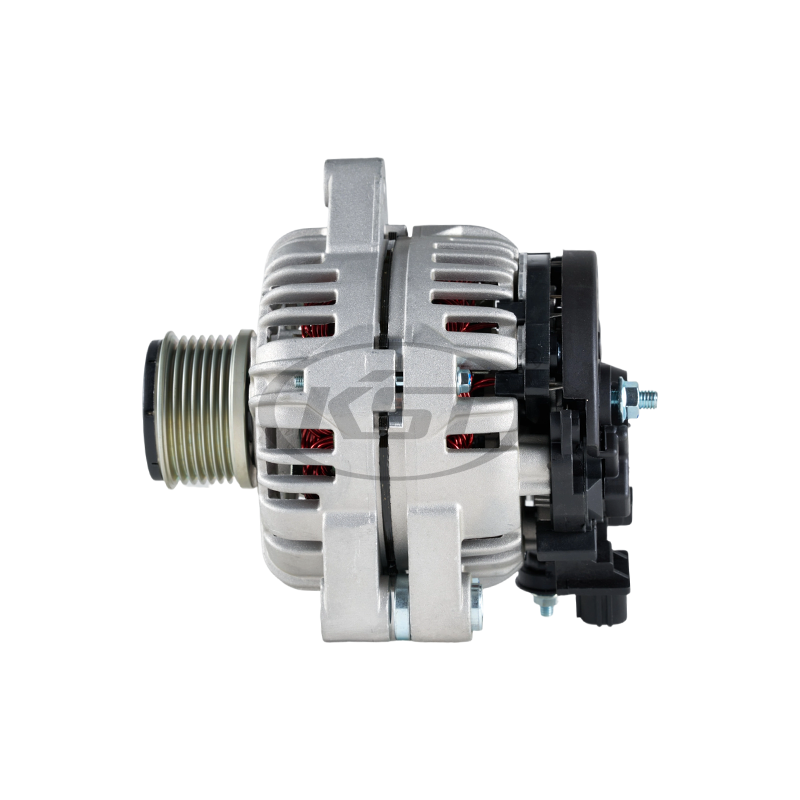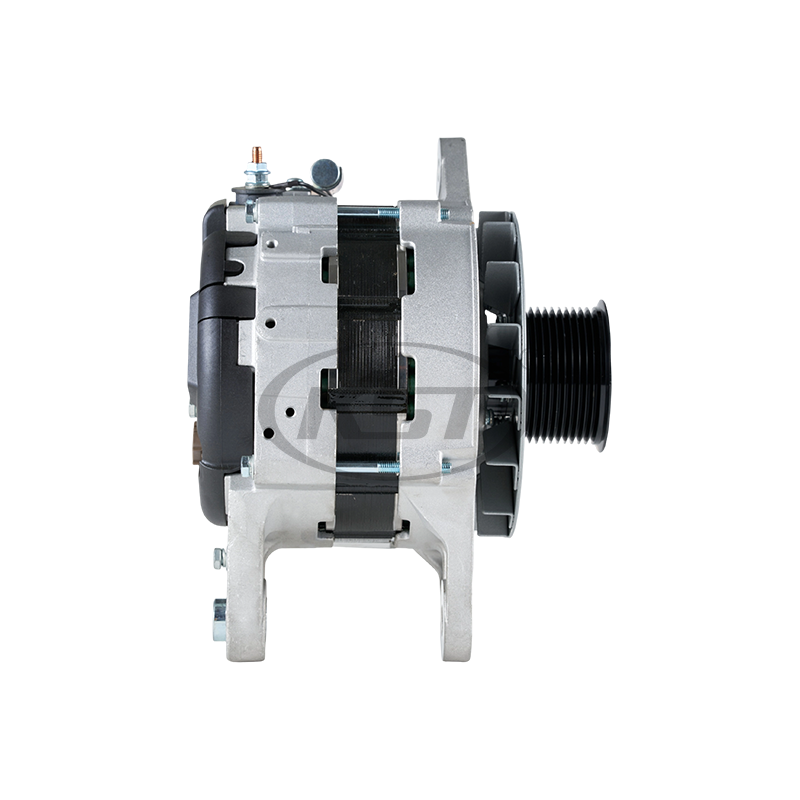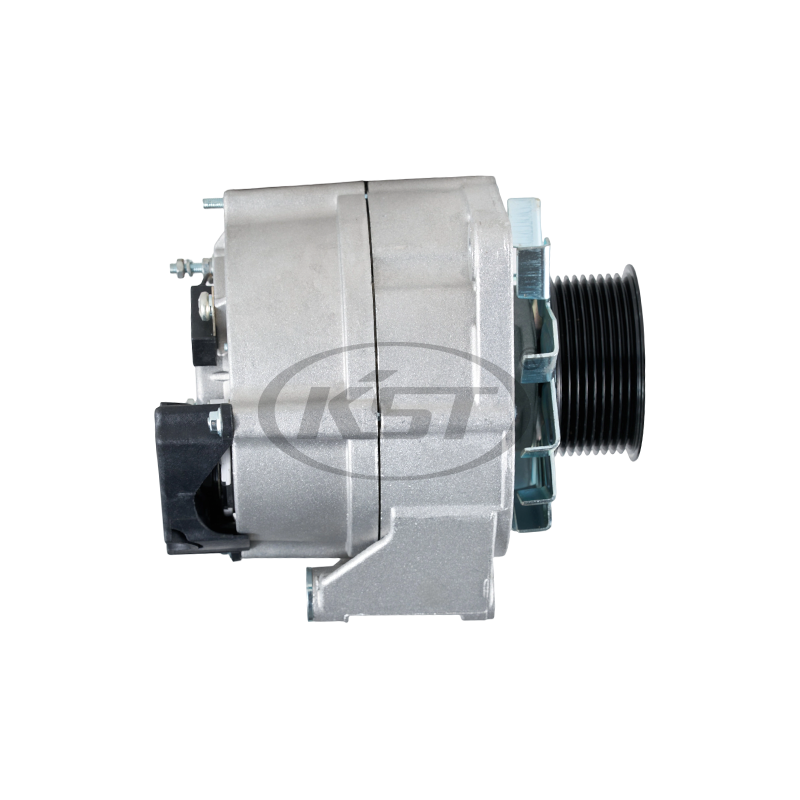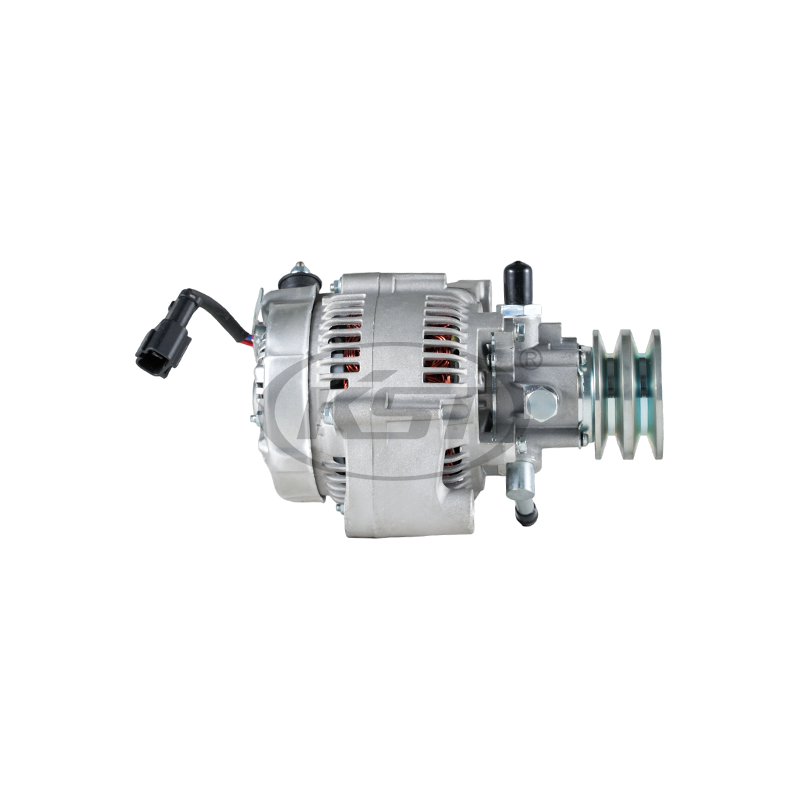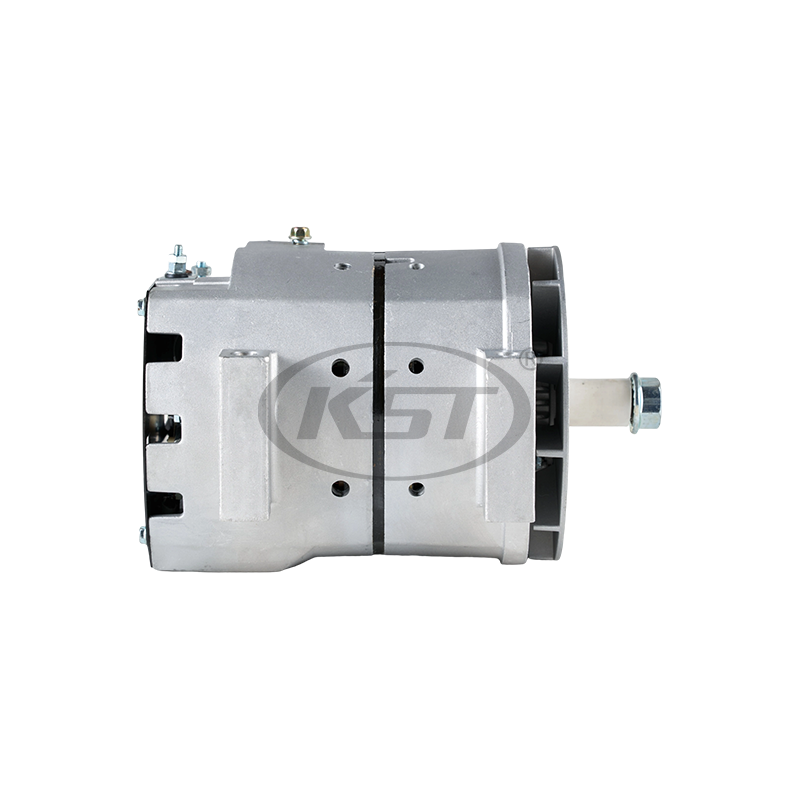
Accurate matching of a replacement alternator to the intended vehicle application determines whether the unit installs correctly and maintains proper charging. Distributors and parts suppliers therefore need clear information on electrical ratings, mechanical dimensions and application coverage before stock is ordered or shipped. Incomplete or incorrect data leads to returns, excess inventory and delayed customer service. An Alternator Vehicle combination that satisfies voltage, current, mounting and connector requirements reduces these risks and supports reliable aftermarket supply.
An alternator that does not match the vehicle's mounting points, pulley alignment or electrical interface may refuse to install or may produce unstable charging once fitted. Each mismatched unit that returns occupies warehouse space, consumes handling time and erodes confidence in the supplier's catalog. Reliable application data, verified before purchase, prevents the majority of these mismatches and keeps both inventory turnover and customer response times within acceptable limits.
The alternator's nominal voltage must correspond to the vehicle electrical system. Current output must meet or exceed the combined demand of the battery, ignition, lighting and any permanent accessories. Selecting a unit whose output falls short of the actual load produces undercharging; selecting one whose output greatly exceeds the system design is unnecessary and may introduce other interface problems.
Bolt-hole patterns, bracket locations and overall length determine whether the alternator seats correctly in the engine bay. Clearance for the pulley, the rear housing and any adjacent components must also be verified. A unit that shares the same electrical rating but differs in mounting geometry will not interchange without modification.
The pulley must accept the existing drive belt and maintain correct alignment with the crankshaft and accessory pulleys. Differences in diameter alter belt speed and therefore charging characteristics at a given engine speed. Groove profile and width must match the belt type used on the vehicle.
The plug or terminal layout on the alternator must mate with the vehicle harness without adapters. Regulator configuration—internal or external—must also correspond to the original system. A mismatch here can prevent the charging circuit from functioning even when the mechanical fit is correct.
Original-equipment numbers and established aftermarket equivalents provide a direct route to the correct unit. When multiple supersessions exist, the full chain of numbers is checked against the vehicle identification details to avoid selecting an obsolete or incorrect revision.
Vehicles sharing the same manufacturer badge can employ different alternators according to model year, engine displacement and equipment level. A change in engine variant may alter the mounting bracket, the pulley ratio or the required current output. Accurate identification of the complete vehicle—make, model, year and engine code—therefore precedes any search of fitment catalogs. Supplier application lists that incorporate these details reduce the chance of selecting a unit that fits only a subset of the apparent range.
The total electrical demand of the vehicle, including battery charging and continuous accessories, determines the required current capacity of the alternator. Vehicles fitted with additional lighting, audio equipment or other permanent loads may require a higher-output unit than the base specification. Compatibility with the existing battery, voltage-sensing circuit and any external regulator is confirmed so that the charging system remains stable under both light and heavy electrical demand.
Choosing an alternator solely by visual similarity overlooks differences in mounting, pulley and connector. Assuming that identical voltage ratings guarantee interchangeability ignores current capacity, regulator type and mechanical interface. Overlooking small variations in connector pin layout or pulley groove count produces units that cannot be installed without alteration. Incomplete vehicle information—missing year, engine code or equipment level—leads to the selection of a part that fits only a related but non-identical application. Proceeding to bulk purchase without final verification of technical drawings or fitment notes multiplies the cost of any error.
Stock is organized by part number, primary vehicle application, output rating and mounting style so that correct units can be located quickly. Cross-reference lists and fitment records are kept current as supersessions appear. Sales and inquiry data identify the configurations requested frequently, allowing inventory levels to reflect actual demand. Before large orders are placed, specifications and application coverage are reconfirmed with the supplier. A defined process for answering fitment questions and handling replacement requests keeps customer service consistent and reduces the volume of incorrect shipments.
Detailed vehicle application data and cross-reference numbers enable precise selection. Consistent documentation of output ratings, overall dimensions, pulley details and connector layouts allows direct comparison between candidate units. Inspection and testing records provide evidence that successive batches meet the stated specifications. A product range that covers the vehicle applications relevant to the distributor's market reduces the need to source from multiple unrelated suppliers. Technical support capable of answering compatibility questions shortens the time required to resolve borderline cases.
| Check Area | Purpose of Verification | Consequence of Omission |
|---|---|---|
| Voltage and current rating | Matches vehicle electrical system demand | Undercharging or unnecessary oversizing |
| Mounting points and envelope | Ensures mechanical installation is possible | Unit cannot be fitted without modification |
| Pulley diameter and belt type | Maintains correct drive ratio and alignment | Belt slip, noise or altered charging speed |
| Connector and regulator type | Allows direct electrical interface | Charging circuit remains inoperative |
| Vehicle year, engine and options | Selects the exact application variant | Part fits only a related but non-identical model |
| Supplier documentation currency | Confirms latest supersessions and revisions | Obsolete or incorrect unit is ordered in quantity |
Electrical ratings, mechanical dimensions, vehicle identification details and accurate part-number cross-references together determine whether a replacement alternator will install and function as intended. Maintaining current fitment records and confirming specifications with the supplier before bulk purchase reduce the volume of mismatched stock and the associated handling costs. Zhejiang KST Automotive Electric Motor Co., Ltd. produces automotive alternators for a range of vehicle applications. Review of available output ratings, mounting configurations, pulley options and application coverage against the distributor's target vehicle park allows selection of units that support reliable and accurate aftermarket supply.
Your email address will not be published. Required field are marked*
Get in Touch
 Heavy Duty Vehicle Motor Factory


 en
 English
 عربى
 فارسی