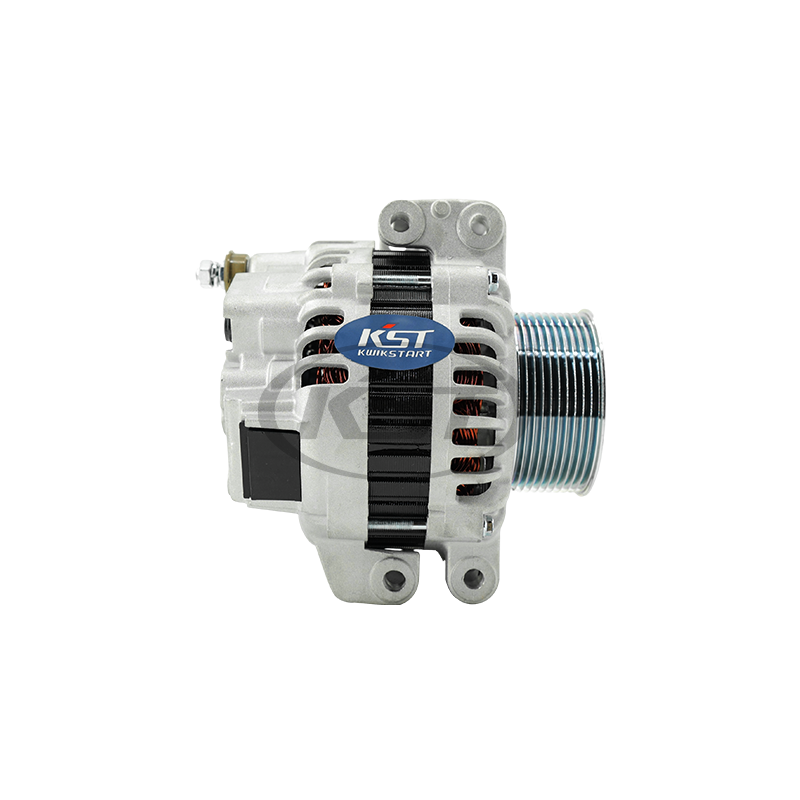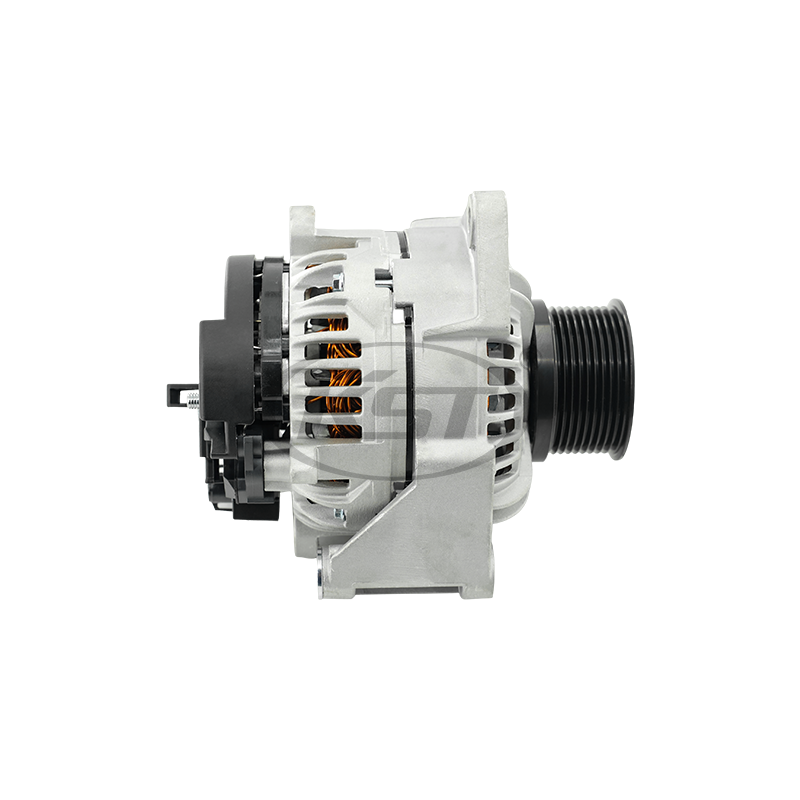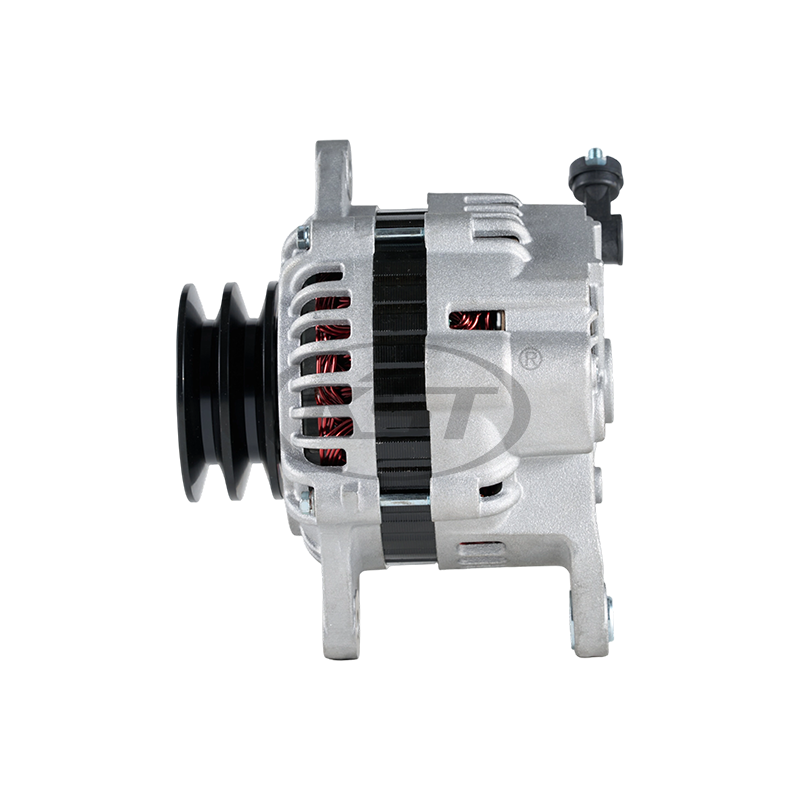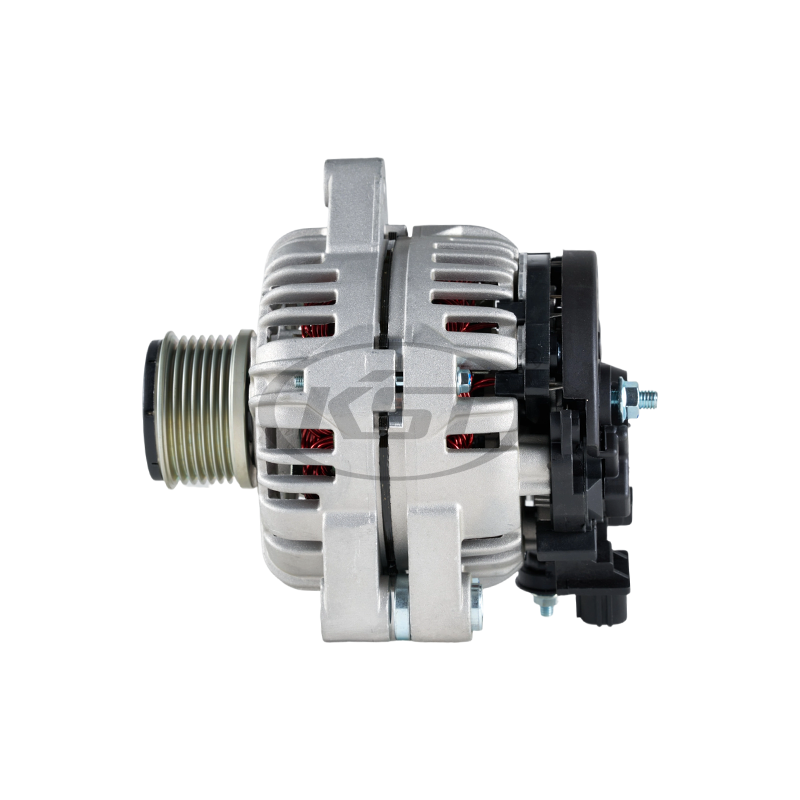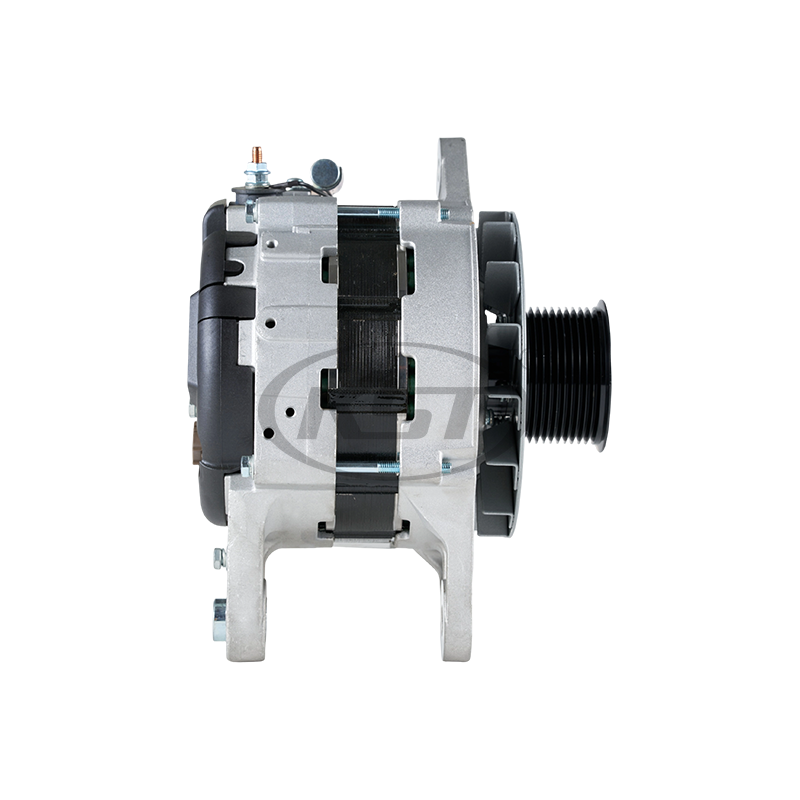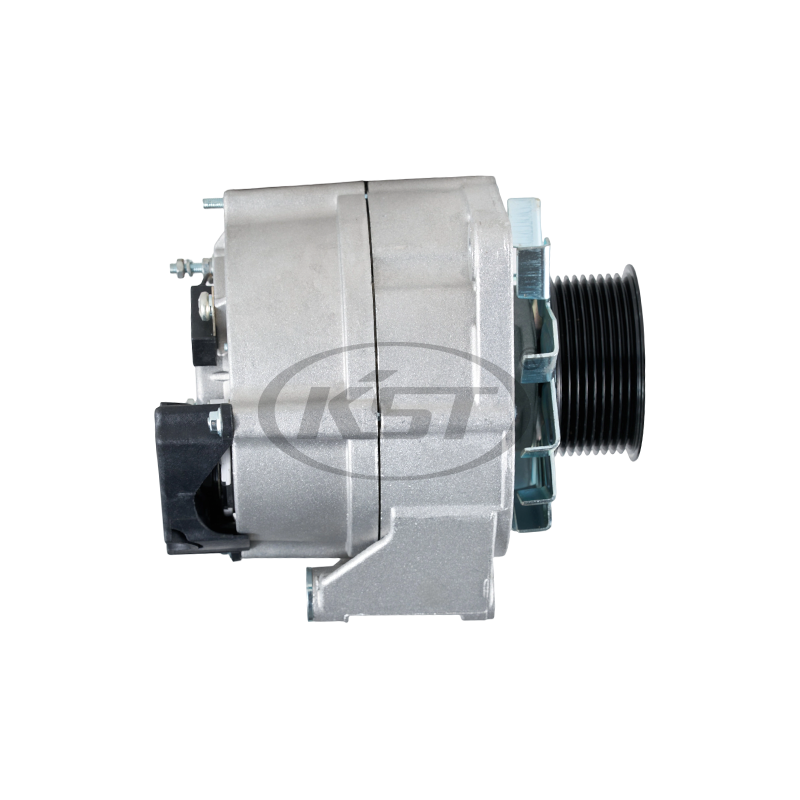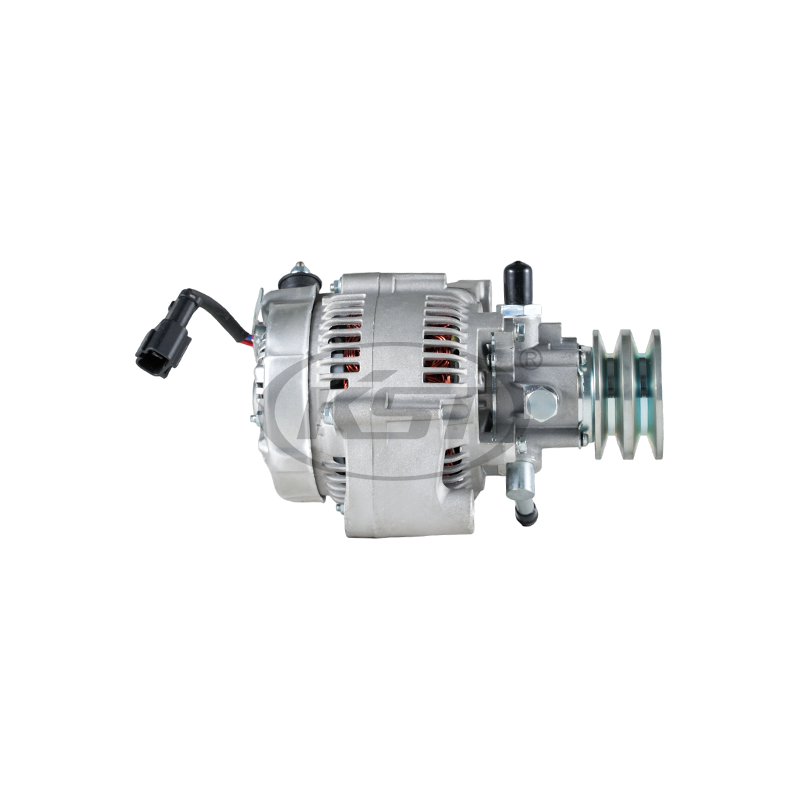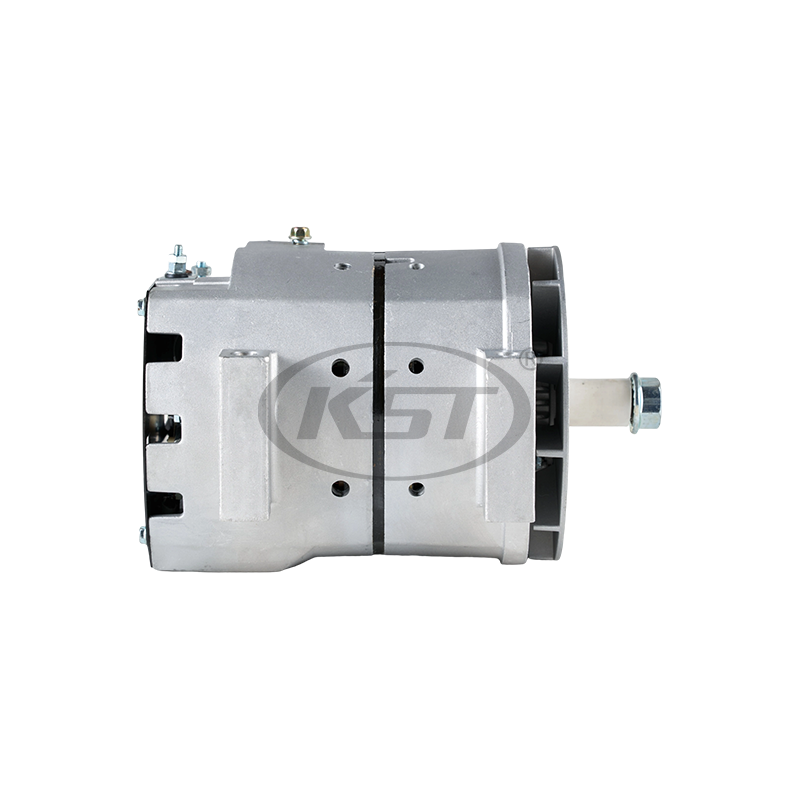
Every powered vehicle that runs an internal combustion engine needs a way to keep the battery charged and to feed lights, controls and accessories while the engine turns. That task falls to the charging unit driven by the engine. Understanding what the unit does, how it turns rotation into usable current and how construction machines raise the same demands under harder conditions helps when a replacement is specified. An Alternator for Vehicle use is judged by electrical match, mechanical fit and duty, not by appearance alone.
An alternator is an electromechanical machine that converts mechanical energy from the running engine into electrical energy. While the engine turns, the unit generates current that supports the electrical system and restores charge drawn from the battery at start-up. It is distinct from the starter motor: the starter draws battery power to crank the engine; the alternator returns power to the system once the engine is running.
Starting the engine draws a large pulse from the battery. After start, the alternator supplies charging current so the battery recovers and stays at a usable state of charge during driving or working cycles. Output that is too low leaves the battery gradually depleted; output that is uncontrolled can stress the battery and other parts. Battery health and alternator performance are therefore linked in service diagnosis.
Lights, instruments, control modules, fans and other accessories draw power continuously or in bursts. With the engine running, the alternator is intended to cover that demand so the battery is not the sole source. Stable supply keeps lamps bright, modules awake and operators informed through gauges and displays.
Modern machines rely on sensors, electronic control units and monitoring circuits that expect voltage within a defined band. When charging output falls short, voltage can sag under load. Symptoms may include warning lamps, erratic instruments or intermittent control behaviour. Consistent regulated output protects those systems as well as the battery.
Engine rotation is transferred to the alternator through a belt and pulley, or another drive arrangement defined by the vehicle or machine. The pulley turns the rotor inside the housing. Drive condition—belt tension, alignment and pulley condition—affects whether the rotor reaches the speed needed for adequate output.
The rotor carries a magnetic field. As it spins, that field sweeps the stator windings fixed in the housing. Changing magnetic flux induces alternating current in those windings. Rotor speed, field strength and winding design together influence how much current can be produced.
Vehicle and machine electrical systems are built around direct current for battery charging and a wide range of onboard loads. A rectifier assembly, typically using diodes, converts the alternating current from the stator into direct current before it leaves the unit toward the battery and the electrical network.
A voltage regulator adjusts field current or otherwise controls output so that system voltage stays within an acceptable range as engine speed and electrical load change. Regulation supports proper charging and reduces the risk of overvoltage damage to lamps, modules and the battery.
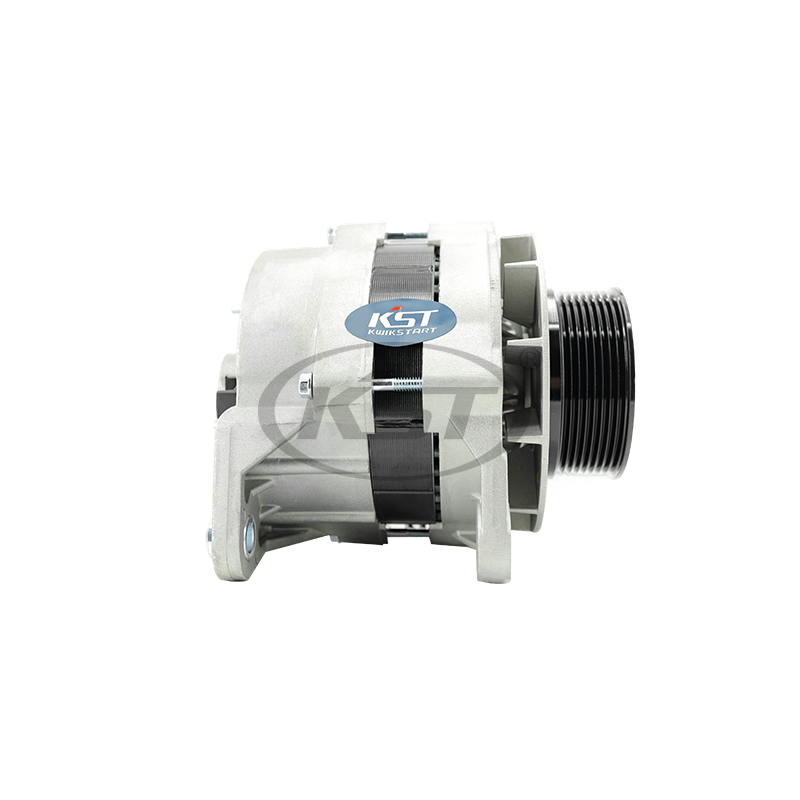
The rotor creates the rotating field. The stator holds the windings where current is generated. The rectifier turns alternating current into direct current. The regulator manages voltage. The pulley and bearings allow the rotor to spin with the engine. The housing protects the internals and often includes features that help reject heat during continuous operation.
A dedicated warning lamp on the instrument panel may illuminate when the charging system is not behaving as expected. The lamp is a prompt for further checks; it does not by itself prove which component has failed.
When output is weak or unsteady, headlamps and interior lights may dim, brighten with engine speed or flicker. Such behaviour often appears under electrical load and should be investigated with proper testing rather than parts swapping alone.
If the alternator cannot supply enough current for loads plus charging, the battery may discharge even during operation. Repeated need for jump starts after short working periods is a common practical sign.
Worn bearings, loose hardware or internal electrical faults can produce unusual noise or local overheating. Mechanical and electrical causes are separated by inspection and measurement before a unit is condemned.
Excavators, loaders, bulldozers and similar machines must support starting batteries, work lights, monitors, control electronics and sometimes auxiliary circuits through long shifts. The charging unit is sized and specified for that duty, not only for intermittent road driving.
Vibration, dust, wide temperature swings and extended running hours are normal in construction use. Mounting, sealing, cooling and electrical connections must suit those conditions. Specifying a unit outside its intended duty invites early failure.
Rated voltage, current capability, mounting pattern, pulley type, wiring connectors and engine compatibility are checked against the original equipment. Cross-reference to the original part number and the machine model reduces fitment errors. Assumptions based on similar-looking housings are unreliable.
A construction machinery alternator sits in the charging path of compatible equipment. While the engine runs it helps keep the battery charged and supplies electrical power for onboard systems according to its rating and the machine's design.
Housing, pulley, terminals and internal rotor–stator–rectifier–regulator arrangement follow the product definition for that model. Features and limits are taken from verified specifications rather than from generic claims.
Application lists for excavators, loaders, bulldozers or other types are used only where the supplier has confirmed them. Buyers compare machine model, engine and original alternator references before ordering.
Voltage system, output class, physical dimensions, connector style, rotation sense and mount geometry are aligned with the unit being replaced. Side-by-side comparison with the old part or with the official drawing prevents installation problems. Where the manufacturer offers OEM or custom variants, those options are scoped against the same checklist.
A machine may run for a limited time on battery alone, but electrical loads will eventually flatten the battery and stop the engine or disable controls. Continuous operation depends on a working charging path.
Under normal conditions the alternator supplies charging current whenever the engine is running within the speed range the system was designed for, subject to regulator control and system health.
Both convert mechanical energy to electrical energy. Alternators generate alternating current that is rectified for the vehicle system; older generator designs and their regulation differ in construction and behaviour. Modern road vehicles and many current construction machines use alternator-based systems.
Warning lamps, repeated battery discharge, unstable voltage under load, abnormal noise or confirmed test results outside specification point toward charging-system work. Diagnosis should separate belt, wiring, battery and alternator faults.
Machine model, engine designation, original part number, voltage, output class, mount and connector type are collected and matched to the supplier's application data. Physical comparison remains the final check before installation.
| Topic | Function or Concern | Practical Focus |
|---|---|---|
| Battery charging | Restores charge after start; maintains state of charge | Output adequate for duty cycle |
| Load supply | Powers lights, modules, accessories while running | Voltage stable under typical loads |
| Rotor and stator | Convert rotation into induced current | Drive speed and field integrity |
| Rectifier and regulator | Provide DC and control voltage | Correct system voltage band |
| Construction site duty | Vibration, dust, long hours | Spec matched to equipment environment |
| Fitment | Mount, pulley, connectors, rotation | Match original unit and machine data |
The alternator turns engine rotation into regulated electrical power so the battery stays charged and onboard systems keep running. Construction machinery adds harsher environments and sustained electrical demand, which makes correct voltage, output class and mechanical fit essential. An Alternator Vehicle application on heavy equipment is confirmed through model data, original references and physical comparison, not through approximate similarity. Zhejiang KST Automotive Electric Motor Co., Ltd. produces alternators for automotive and construction machinery electrical systems. Review of voltage, mounting, connectors and application listings against the target machine supports selection of a charging unit suited to reliable battery support and electrical supply in service.
Your email address will not be published. Required field are marked*
Get in Touch
 Heavy Duty Vehicle Motor Factory


 en
 English
 عربى
 فارسی