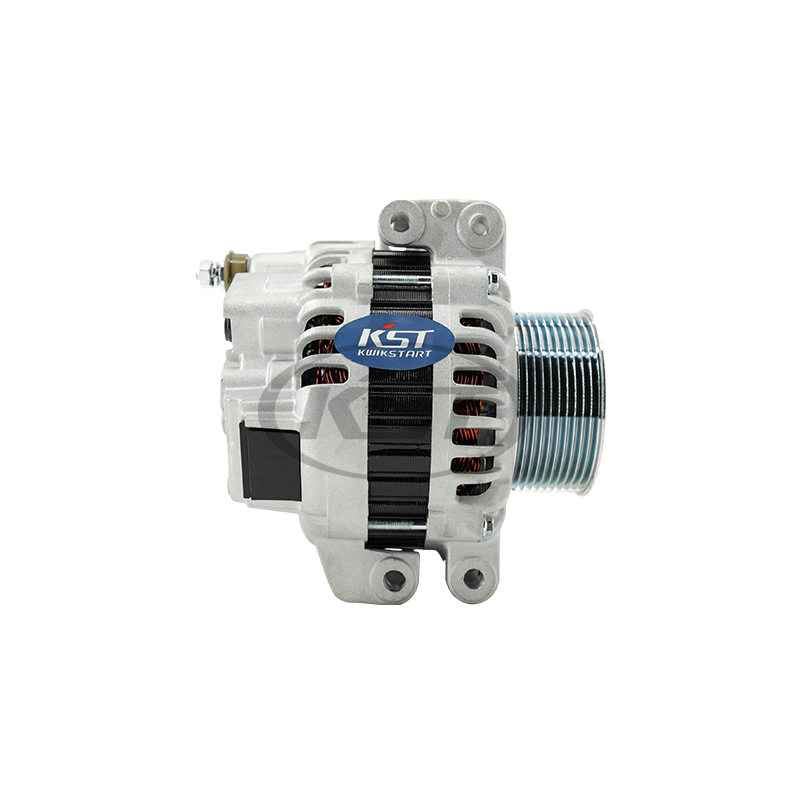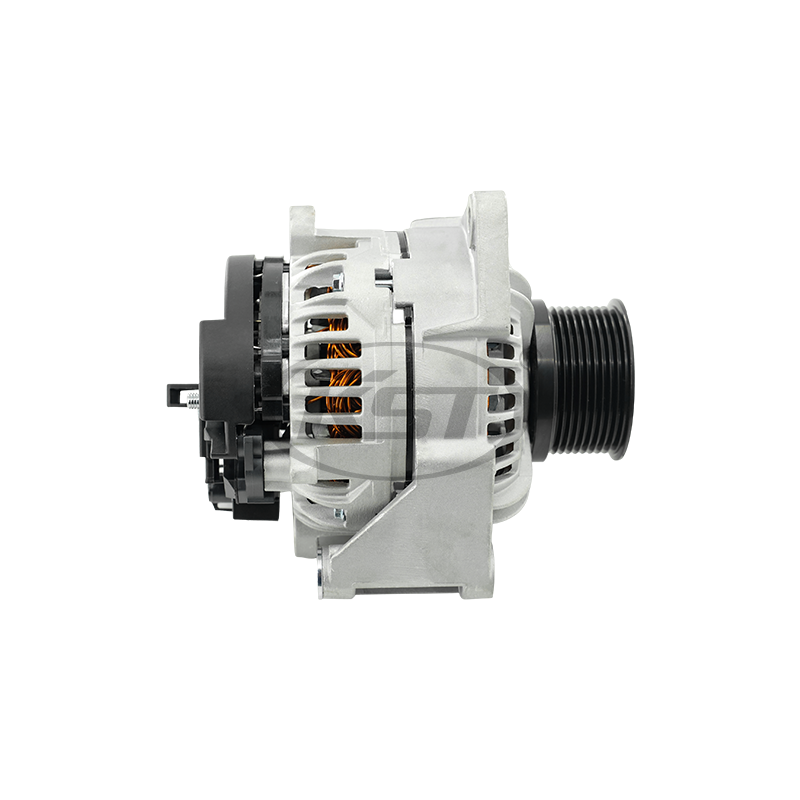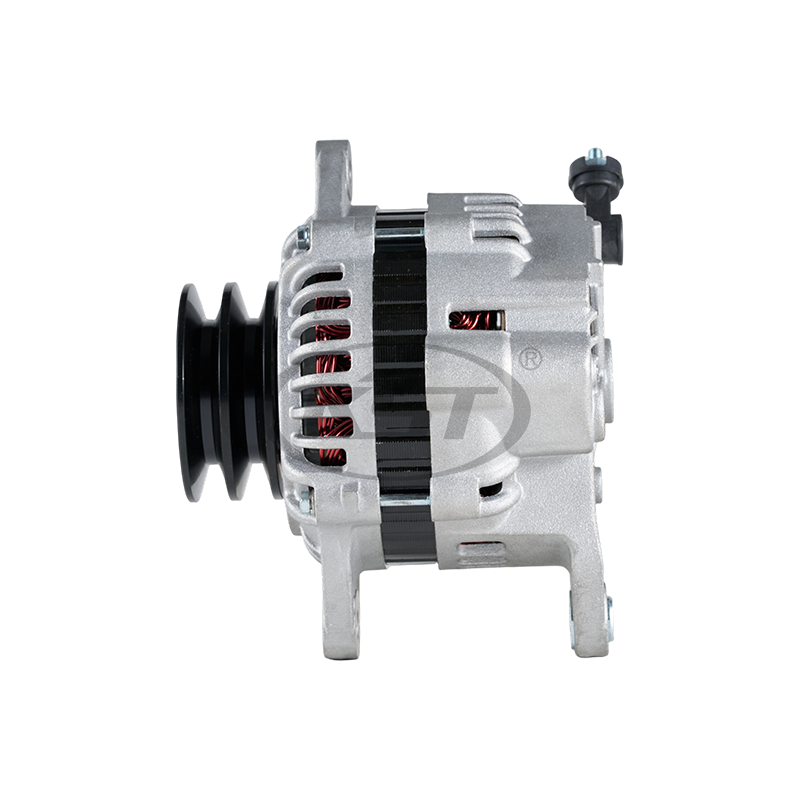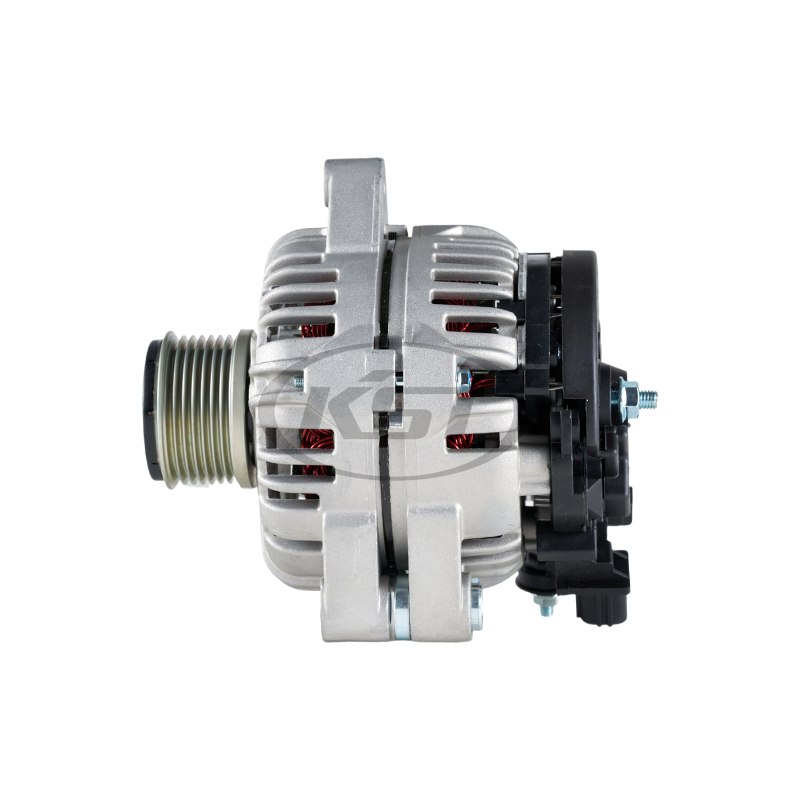
In real vehicle use, especially working vehicles, the electrical system is not something separate from daily operation. It runs together with the engine and supports nearly every function that people rely on during work.
When a vehicle starts, it does not only need energy for ignition. After that moment, a constant flow of electricity is required to keep different parts running. Lights, control panels, communication units, monitoring devices, and auxiliary tools may all depend on stable power.
What often gets overlooked is that electrical demand does not stay still. It changes depending on what the vehicle is doing at that moment. For example, when a vehicle is waiting, the load is light. When it begins active work, more systems start running at the same time.
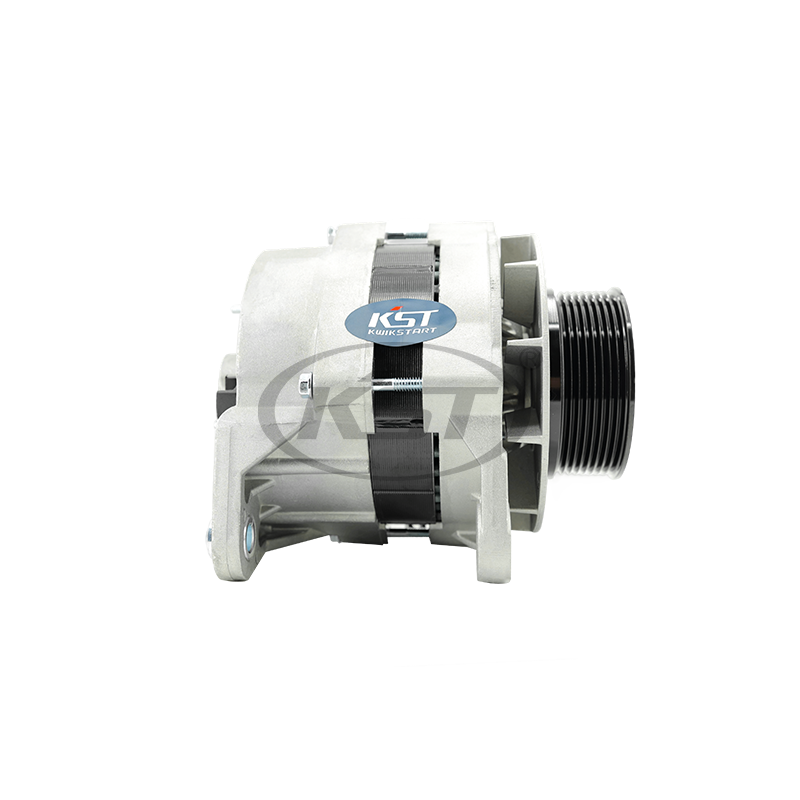
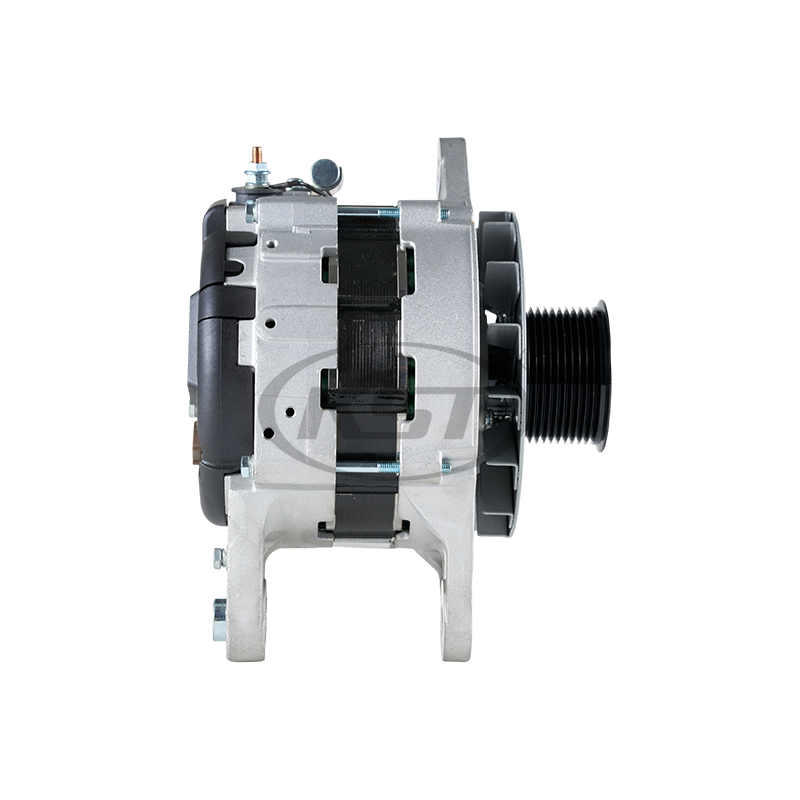
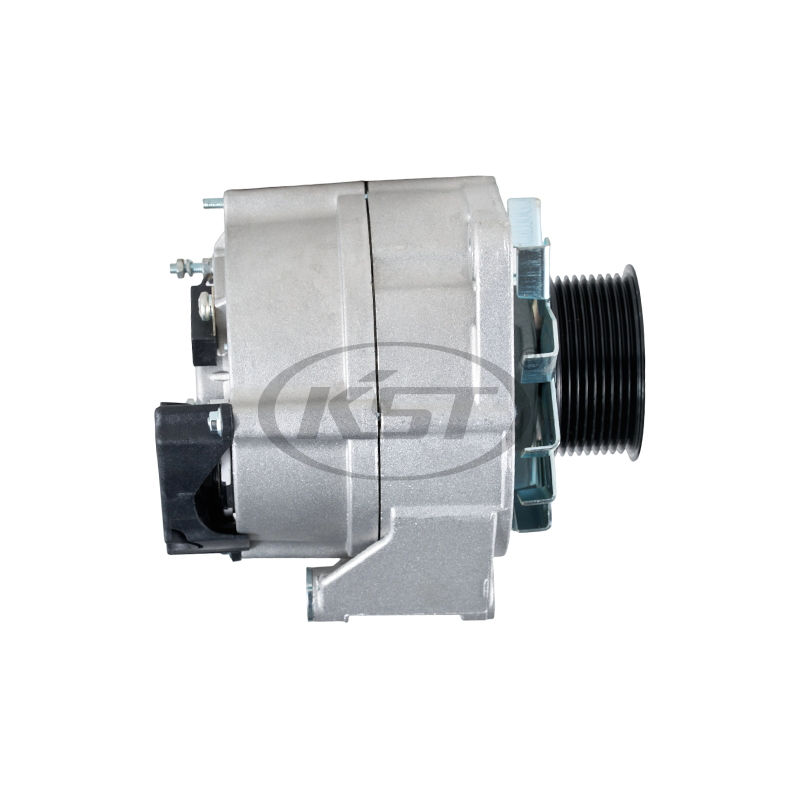
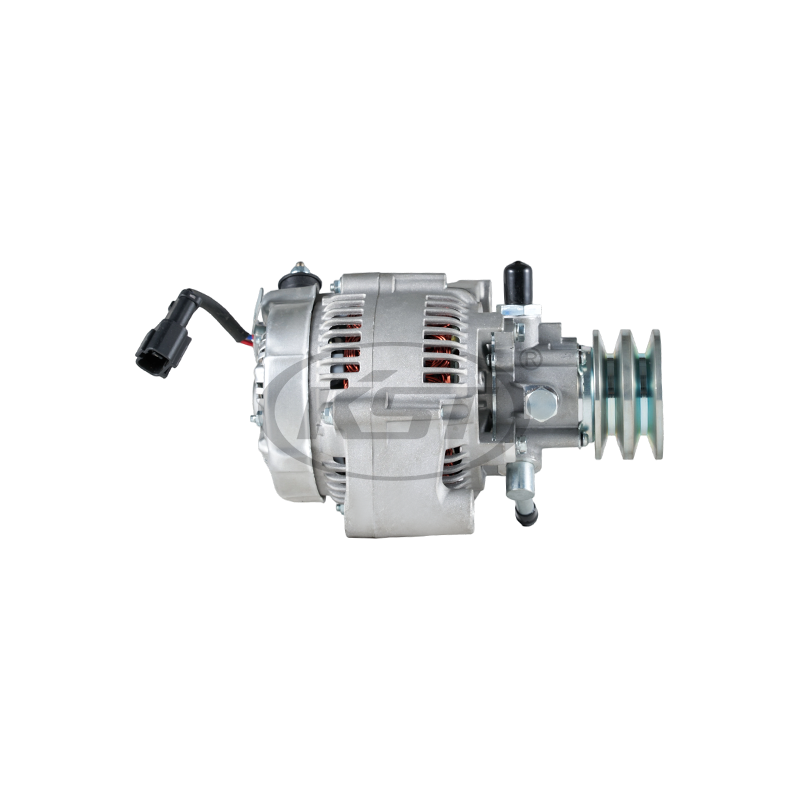
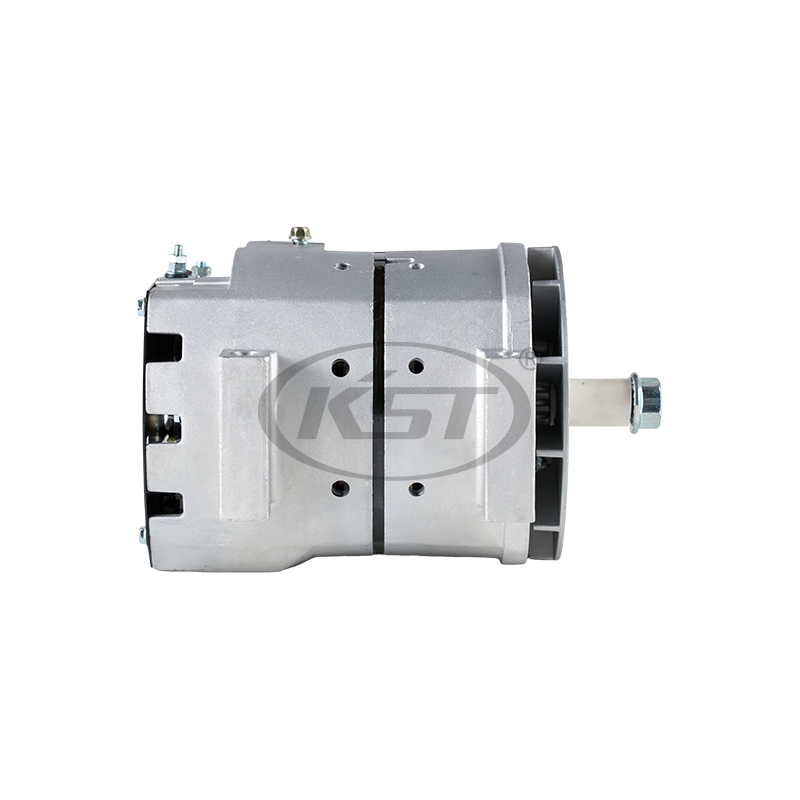
This is why continuous energy production becomes important. The engine provides mechanical movement, and that movement is turned into electrical energy through a rotating generation unit. The 24 volt 60 amp alternator is commonly used in this kind of setup where stable output is needed during operation.
Instead of storing energy, it produces electricity while the engine is running. That means as long as the engine keeps turning, power generation continues in the background.
In simple working terms, a 24 volt 60 amp alternator turns engine rotation into usable electrical energy. It is connected to the engine through a belt or similar drive method, so every time the engine turns, the alternator begins its own rotation.
Inside the unit, rotation creates a magnetic effect that produces electrical flow. This flow is then directed into the vehicle's electrical system, where it is shared between different components.
In real field use, its role is not just "making electricity," but keeping the system balanced while everything is running together.
Common real applications include:
What makes it practical is not a single function, but the ability to support many small loads together without interruption during operation.
Electrical load is not something fixed. It changes depending on what is turned on and how the vehicle is being used.
In daily operation, load usually builds step by step instead of appearing all at once. For example, when the engine is just running without extra equipment, the demand is low. But when additional systems are activated, the demand increases gradually.
In real working environments, this can be seen clearly:
This changing condition is important because the electrical system must respond smoothly.
A simple view of how load changes in practice:
| Working Condition | What Users Experience | Electrical Behavior |
|---|---|---|
| Idle | Engine running, few devices active | Low power demand |
| Light operation | Basic systems in use | Stable moderate load |
| Working mode | Multiple devices active | Rising load demand |
| Heavy usage moment | Many systems active together | High combined load |
In real life, these conditions can shift quickly. A vehicle that is idle in one moment may enter working mode shortly after. This is where stable energy production becomes important.
In real use, the 24 volt 60 amp alternator does not behave like a fixed output device. Its output changes depending on how much electrical demand is present.
When fewer systems are running, the alternator only needs to supply a small amount of energy to keep the system balanced. When more devices are turned on, it responds by increasing output gradually.
This response is not sudden. It follows the change in demand step by step.
In practical operation, it often behaves like this:
This kind of behavior helps prevent instability in the electrical system. If the response were too sudden, some connected parts might experience uneven energy flow. In real working environments, stability is more important than speed of change.
Another important point is that this alternator works continuously while the engine is running. It does not pause between demand changes. Instead, it keeps adjusting in the background.
To understand how the system works in daily conditions, it helps to look at a simple flow pattern:
This cycle repeats continuously while the engine is running. There is no separate start and stop phase for energy generation during operation.
What matters in real life is that this cycle stays smooth even when demand changes. Vehicles used in working environments often switch between different tasks, so electrical demand is rarely stable for long periods.
Working vehicles rely on multiple systems running together. If power flow becomes unstable, even small interruptions can affect operation.
A stable alternator helps reduce this risk by adjusting output in a controlled way. It supports continuous usage without sudden changes in electrical behavior.
In real conditions, this helps with:
This is especially important in vehicles that operate in field conditions, where stopping and restarting systems is not practical.
In real working vehicles, electrical load is never static. It changes according to how the vehicle is being used at different moments. This creates a constantly shifting demand inside the system.
When a vehicle moves from simple operation into active work, several electrical parts may start working at the same time. Lights may switch on, control units may increase activity, and auxiliary equipment may join the system. Each of these adds a small portion of load, and together they form a larger demand.
The 24 volt 60 amp alternator responds to these changes while the engine continues running. It does not wait for a stable condition. Instead, it adjusts gradually as the load increases or decreases.
In practical use, this behavior can be observed as:
This type of response helps the system stay stable even when operation conditions change quickly.
Inside a working vehicle, the alternator does not operate alone. It is part of a wider electrical network. Energy produced by the alternator is shared between multiple systems at the same time.
In daily operation, energy is distributed to:
The key point is that all these systems may run together. The alternator must divide its output according to demand at that moment.
Engine speed plays a direct role in how electrical energy is generated. When the engine rotates faster, the alternator produces more electrical output. When the engine slows down, output decreases.
In real field use, this creates different working conditions:
Each condition affects how much energy is available to the system.
In practical applications, vehicle environments are rarely stable. Temperature changes, vibration, and dust exposure can all influence how electrical systems behave over time.
The alternator is exposed to these conditions during normal use. While it continues working, its performance may be influenced by surrounding factors.
Common environmental influences include:
To understand how the alternator fits into the full system, it helps to view the energy cycle in a simple way:
This cycle continues as long as the engine is running.
What makes this system practical is not a fixed output level, but the ability to adjust continuously. The electrical load in working vehicles can change many times during a single operation period, and the alternator follows these changes without interruption.
A stable alternator supports this by maintaining continuous energy flow. It helps reduce the chance of sudden power imbalance when multiple systems are running together.
In practical use, this stability supports:
These points are important in environments where stopping the vehicle frequently is not practical.
Over time, any working electrical component is affected by usage conditions. The alternator is no exception. Its long term behavior depends on working environment, load variation, and installation condition.
In practical maintenance thinking, attention is often given to:
These observations help maintain stable performance during long term use.
In real workshop practice, small changes in behavior are usually noticed before larger issues appear. That is why regular inspection is often part of system care.
In real vehicle operation, the 24 volt 60 amp alternator plays a continuous role in supporting electrical demand. It does not work as a standalone unit, but as part of a larger system where energy is constantly produced, distributed, and adjusted.
Your email address will not be published. Required field are marked*
Get in Touch
 Heavy Duty Vehicle Motor Factory


 en
en  English
 عربى
عربى فارسی
فارسی