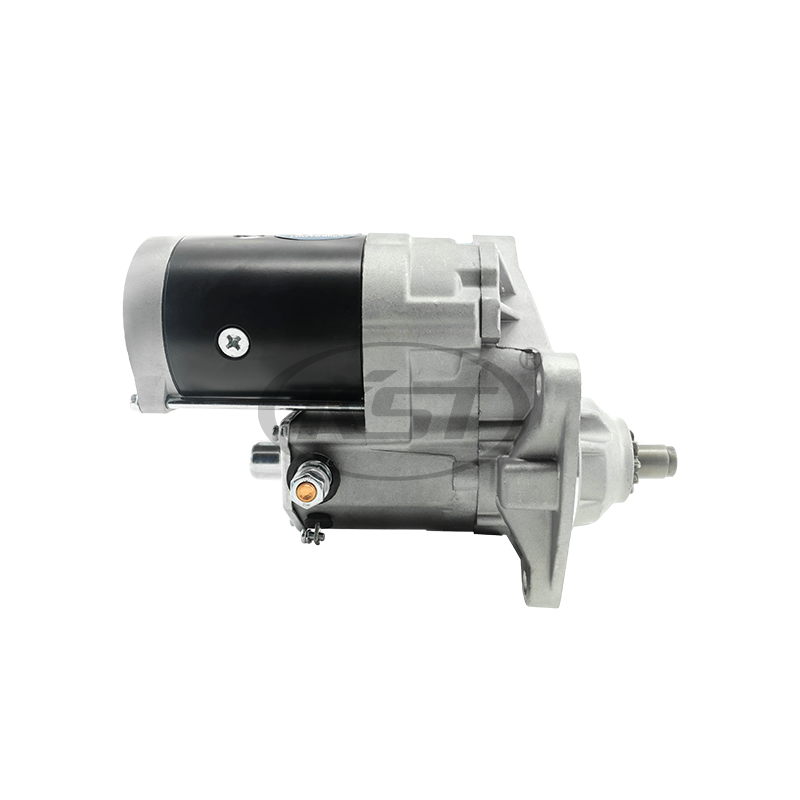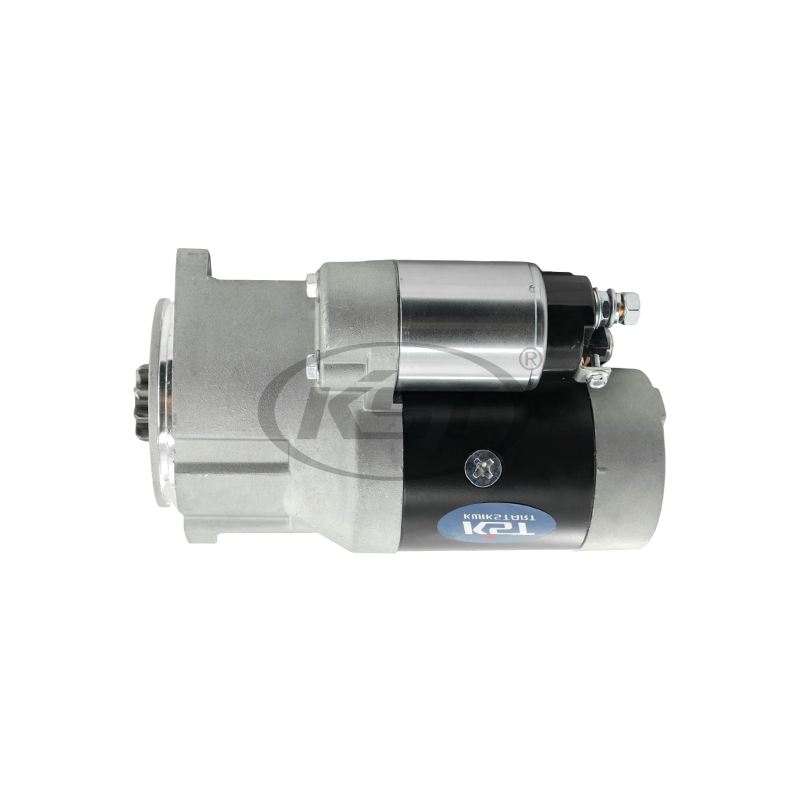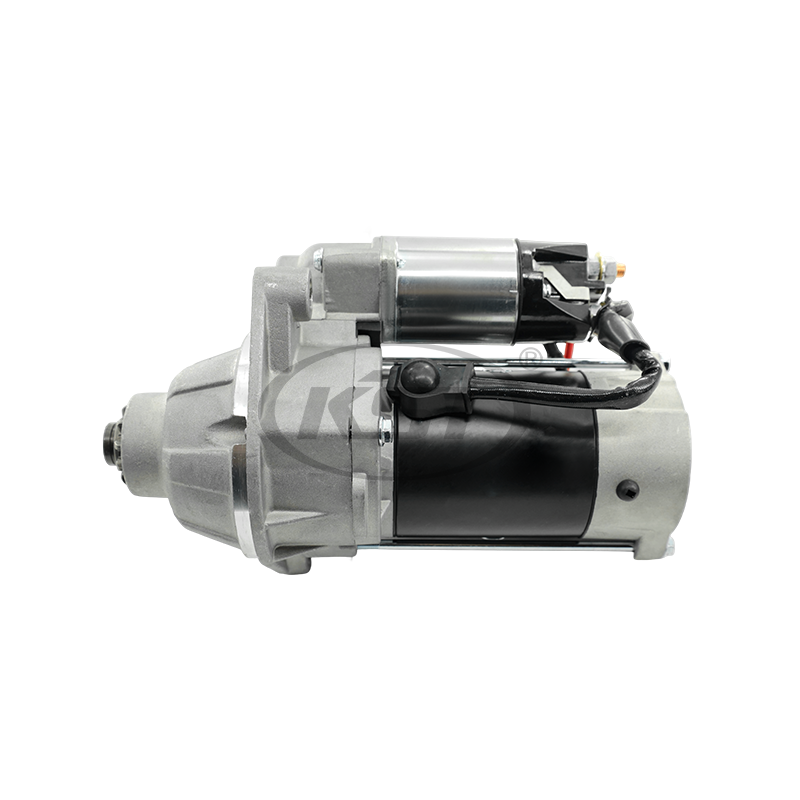
The Excavator Starter is that big electric motor whose only job is to spin the engine fast enough so it can start running on diesel. You turn the key, it engages with the flywheel, and cranks the engine until it catches and runs by itself.
On a heavy excavator, this starter has a tough life. It has to turn over a big, high-compression diesel engine, often in dusty, bumpy conditions. Once the engine starts, the starter should pull back right away. If it doesn't do its job properly, the machine simply won't start.
When the starter starts failing, you usually notice it right away.
The engine cranks very slowly, like it's struggling to turn. Sometimes you only hear a clicking sound when you try to start it, but the engine doesn't move at all. Other times the machine starts normally one shift and then refuses to crank the next morning.
You might also hear a grinding or whining noise while trying to start. That often means the starter gear isn't lining up properly with the flywheel. In bad cases, the starter stays engaged even after the engine fires up, making a loud screech and risking bigger damage.
After trying to start it several times, some operators smell something burning near the starter area. That's usually a sign the starter is overheating because it's pulling too much power.
Engine cranks really slow
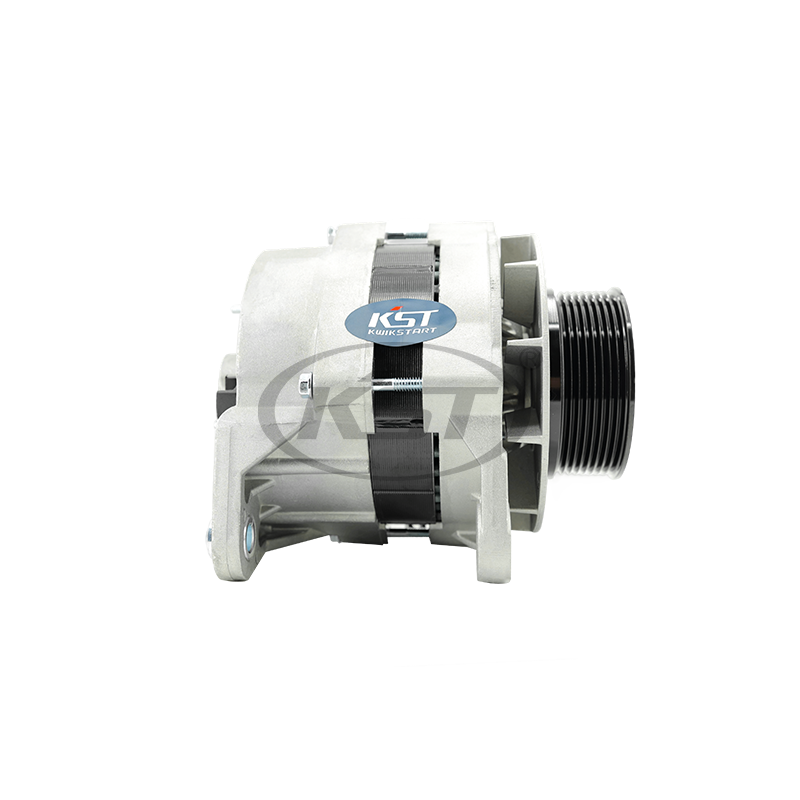
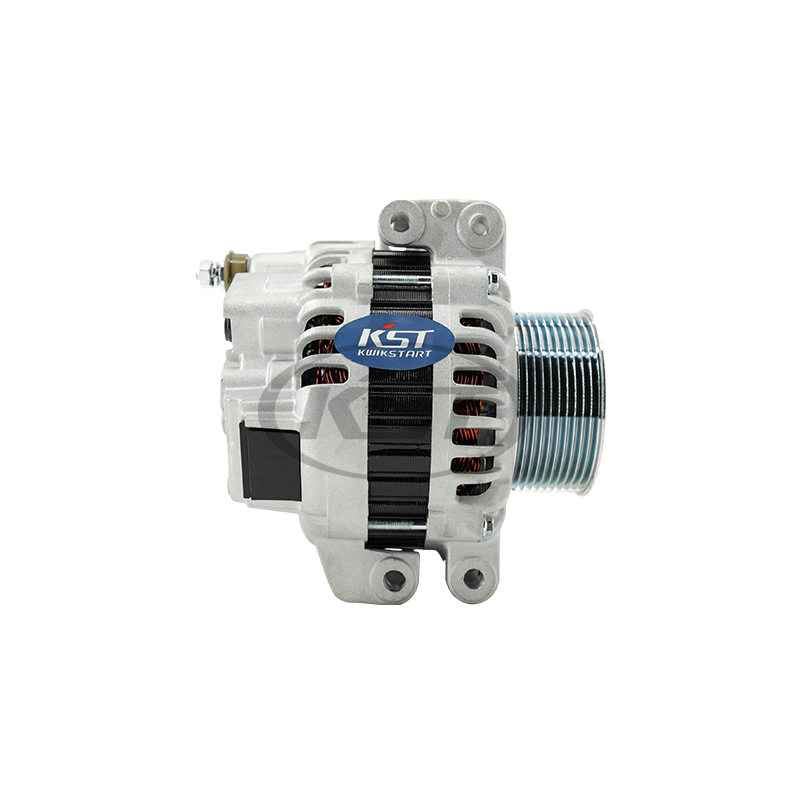
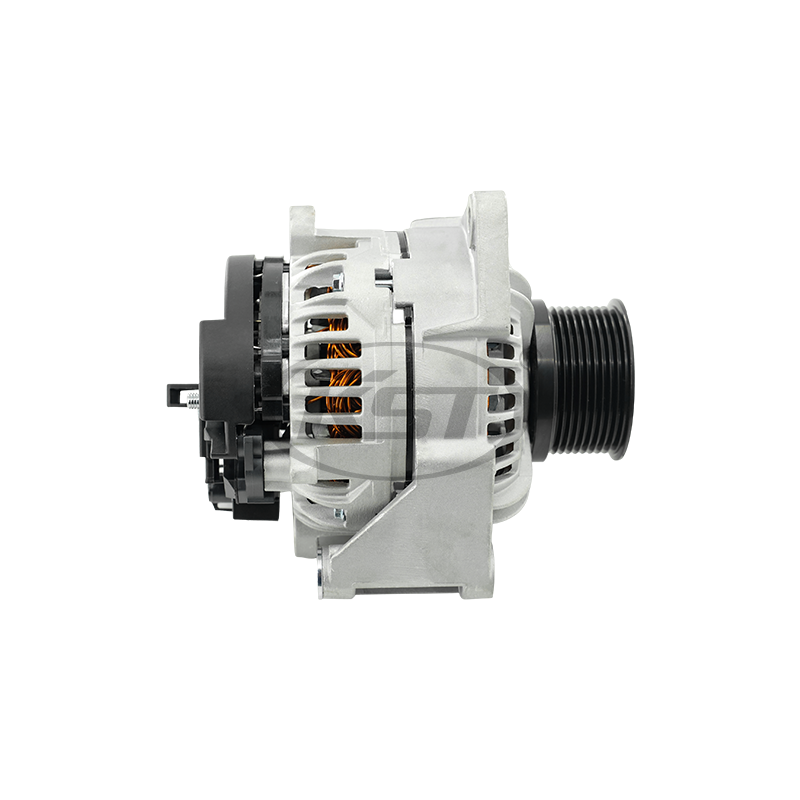
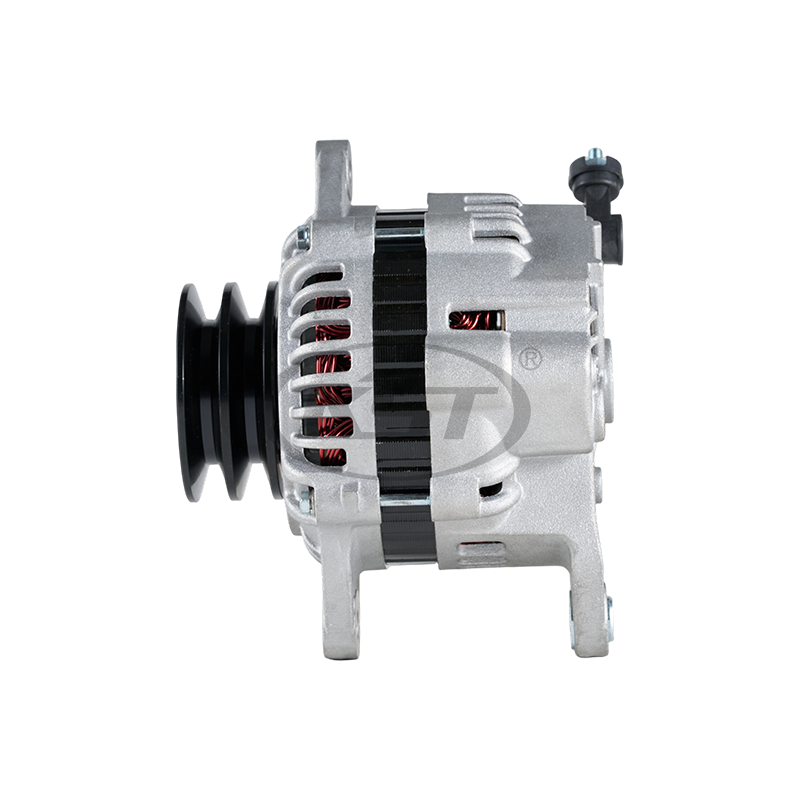
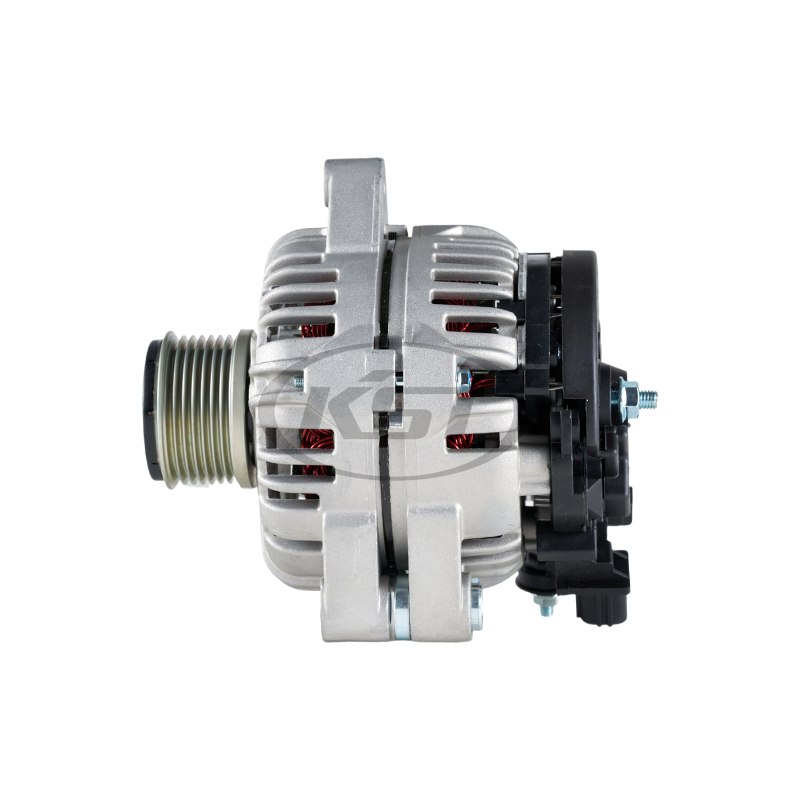
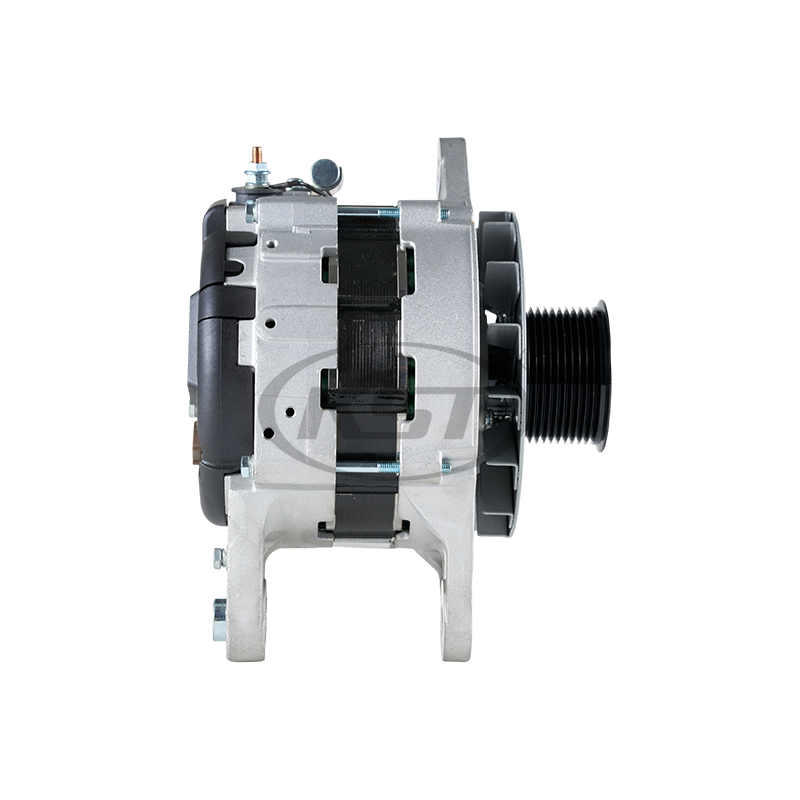
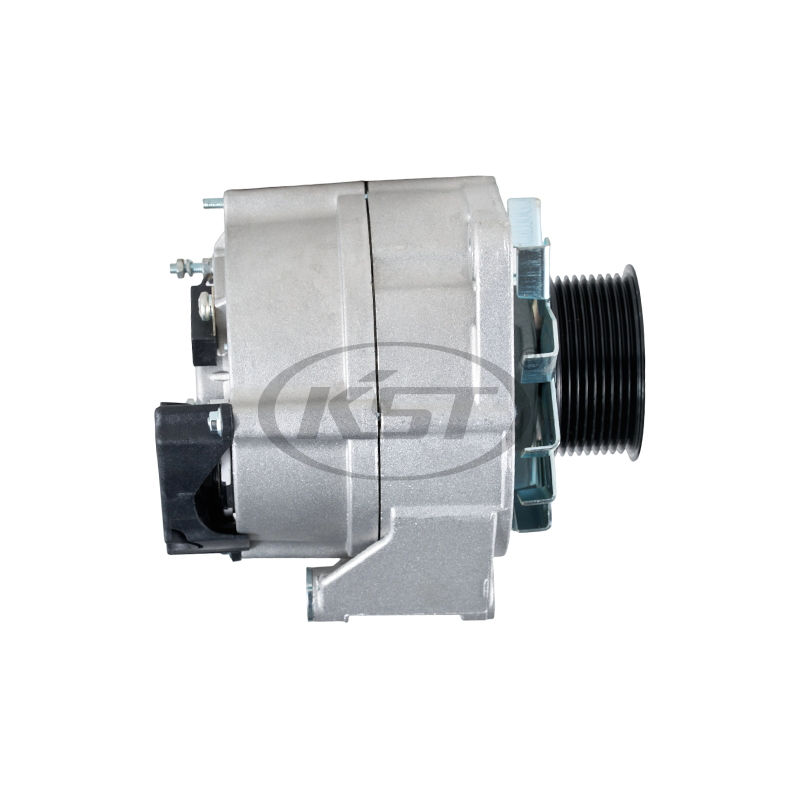
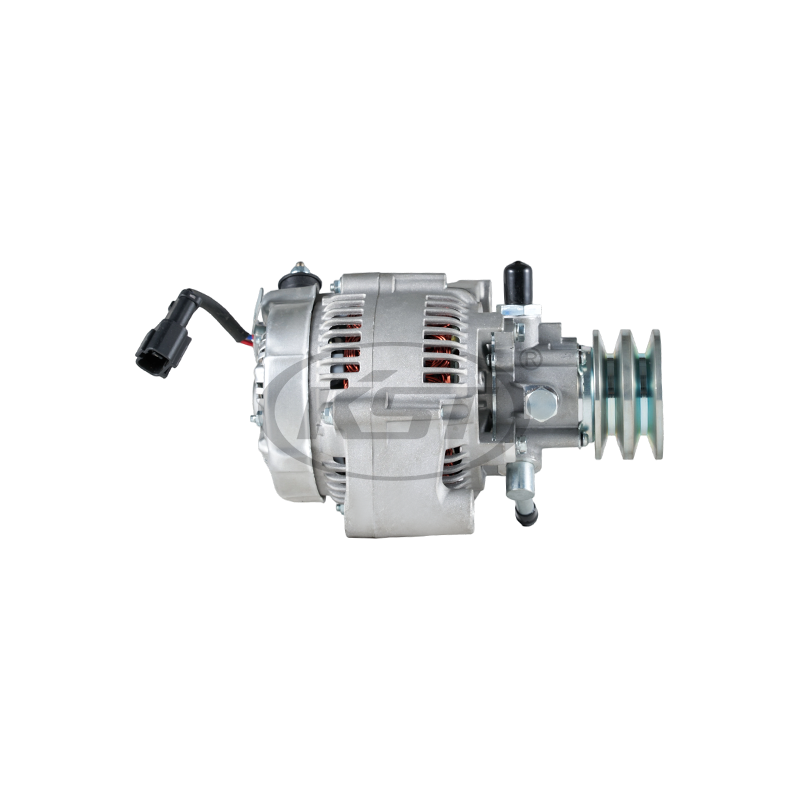
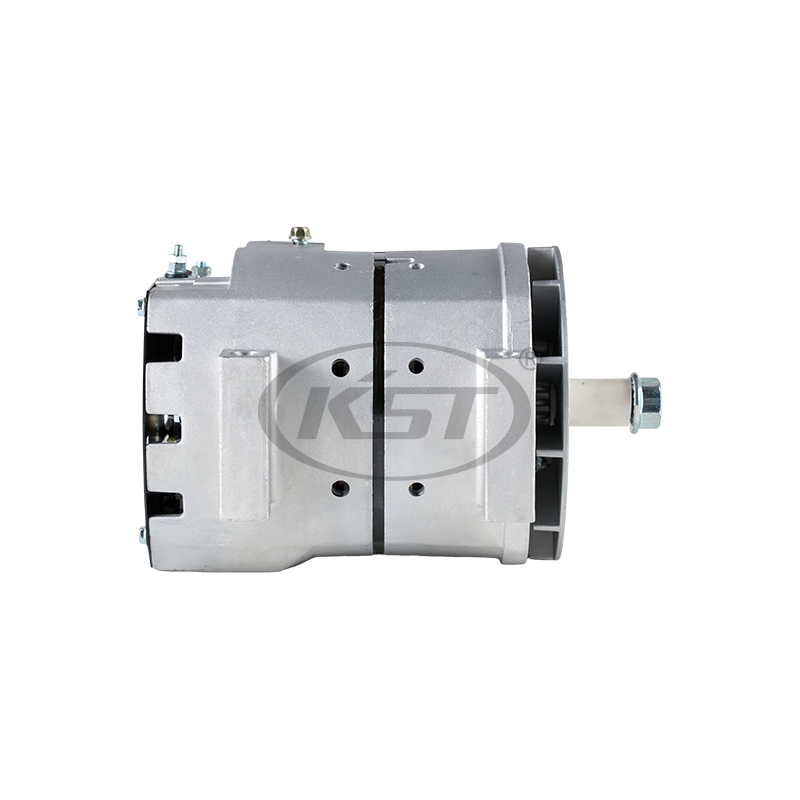
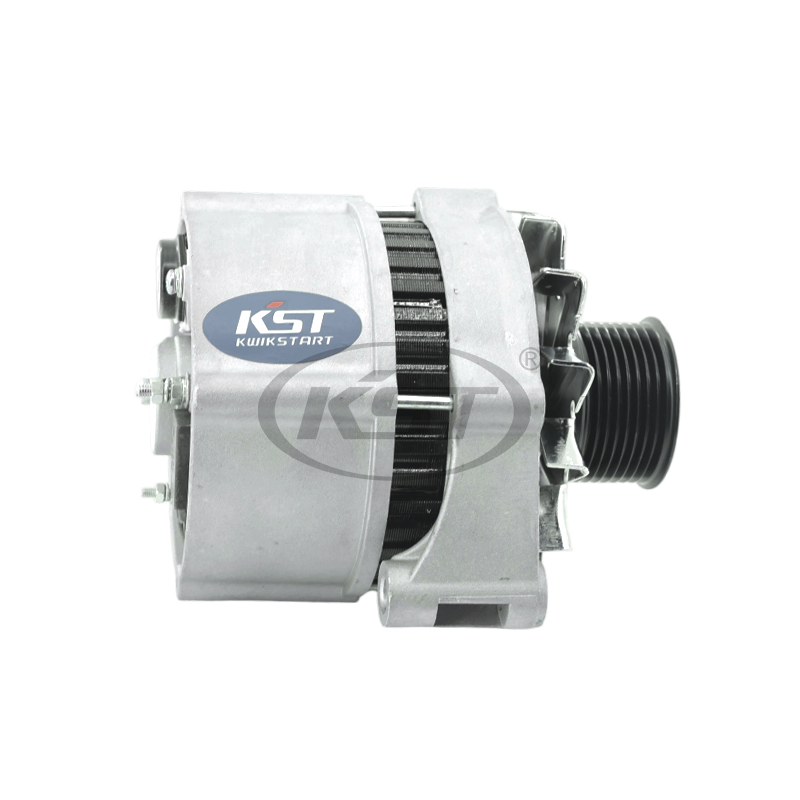
The Excavator Alternator is the component that makes electricity while the engine is running. Its main job is to keep the battery charged and power all the lights, gauges, and electronic controls on the machine.
Even though the alternator doesn't crank the engine itself, it has a big indirect effect on starting. If the alternator isn't charging the battery properly, the battery slowly goes flat, especially when the excavator is used for short periods with lots of electrical things turned on.
Alternator trouble usually shows up as battery problems that affect starting.
A classic situation is when the machine starts okay at the end of the day, but the next morning the battery is too weak to turn the starter. You might need a jump start just to get it going. Even after jumping it, the problem comes back quickly because the alternator isn't putting any charge back into the battery.
Lights may look dim, and some warning lights stay on longer than they should. Many operators notice they have to jump the machine more and more often, especially after it sits overnight.
When the battery voltage stays low for too long, the starter has to work much harder, which can cause the starter to fail earlier than normal.
| Symptom | Common Cause | What You Notice on Site |
|---|---|---|
| Engine cranks very slowly | Low battery from bad alternator | Heavy, sluggish cranking |
| Clicking sound only | Starter solenoid or motor issue | Click but engine doesn’t turn |
| Starts sometimes, not always | Worn starter or loose wires | Inconsistent behavior |
| Grinding noise when starting | Starter gear problem | Loud grinding sound |
| Battery dead after sitting | Alternator not charging | Needs jump start in the morning |
| Dim lights | Low system voltage | Everything electrical looks weak |
The starter and alternator don't work alone — they affect each other quite a bit in real life.
If the alternator starts going bad, it stops charging the battery properly. Little by little, the battery gets weaker. Then every morning when you try to start the excavator, the starter has to pull power from a half-dead battery. This makes the starter work much harder than normal, and it heats up fast. Over time, this extra strain can kill the starter earlier than it should.
On the flip side, when the starter itself has problems and keeps dragging or pulling too much current, it puts heavy load on the alternator. This can wear the alternator out faster too.
They do short bursts of work, sit idle, then start again. This kind of use is especially hard on both parts because the battery never gets enough time to fully charge. Many mechanics see the same pattern: a weak alternator slowly kills the battery, and then the battery kills the starter.
Fixing only one without checking the other usually means the same starting trouble comes back again in a few weeks.
After working on excavators for a while, you start to notice the same warning signs over and over.
The engine cranking very slowly is one of the common complaints. It sounds tired and heavy. Sometimes you only hear a fast clicking noise but the engine doesn't turn at all. That clicking usually means the starter is trying but doesn't have enough power to engage properly.
Another typical sign is when the machine starts fine in the evening but becomes harder and harder to start as the day goes on. Dashboard lights that look dim when cranking are also a clear red flag.
You might hear grinding, whining, or even a loud screech if the starter gear isn't meshing right. A burning smell near the starter after trying to start several times is never a good sign — it usually means something inside is overheating.
Many operators also notice they need to jump-start the machine more and more often, especially after it sits overnight or over the weekend.
When the excavator won't start properly, there are a few things worth checking before calling in big repairs.
First, listen carefully to how it sounds when you turn the key. A healthy starter spins fast and strong. A weak one sounds slow and tired. Check the battery cables — if they're loose or covered in corrosion, they can cause all kinds of starting issues.
Try to avoid leaving lights, fans, or radios on when the engine is off. These small loads can drain a weak battery very quickly.
During the workday, it helps to let the machine run long enough after starting so the alternator has time to put some charge back into the battery. Short cycles with lots of electrical stuff turned on are especially hard on the whole system.
Simple things like keeping connections clean and not ignoring early warning signs can prevent a lot of headaches later.
Several everyday things on construction sites make starter and alternator problems more likely.
Constant shaking and vibration from rough ground gradually loosen wires and wear out brushes inside the starter. Dust and dirt get everywhere and can cause overheating in both the starter and alternator. Big temperature swings — scorching hot days followed by cold nights — also put stress on these electrical parts.
The way the machine is used matters too. Many excavators run for only short periods throughout the day. The alternator doesn't get enough time to recharge the battery, so the battery slowly goes flat and forces the starter to work extra hard.
Poor jump-start habits and ignoring small problems early on usually make things worse over time.
Zhejiang KST Automotive Electric Motor Co., Ltd. has been involved in the development and manufacturing of starter and alternator systems for heavy equipment, providing practical solutions commonly seen in the field.
Understanding these real-world factors helps operators catch problems earlier and keep the machine running with fewer unexpected breakdowns.
Your email address will not be published. Required field are marked*
Get in Touch
 Heavy Duty Vehicle Motor Factory


 en
en  English
 عربى
عربى فارسی
فارسی