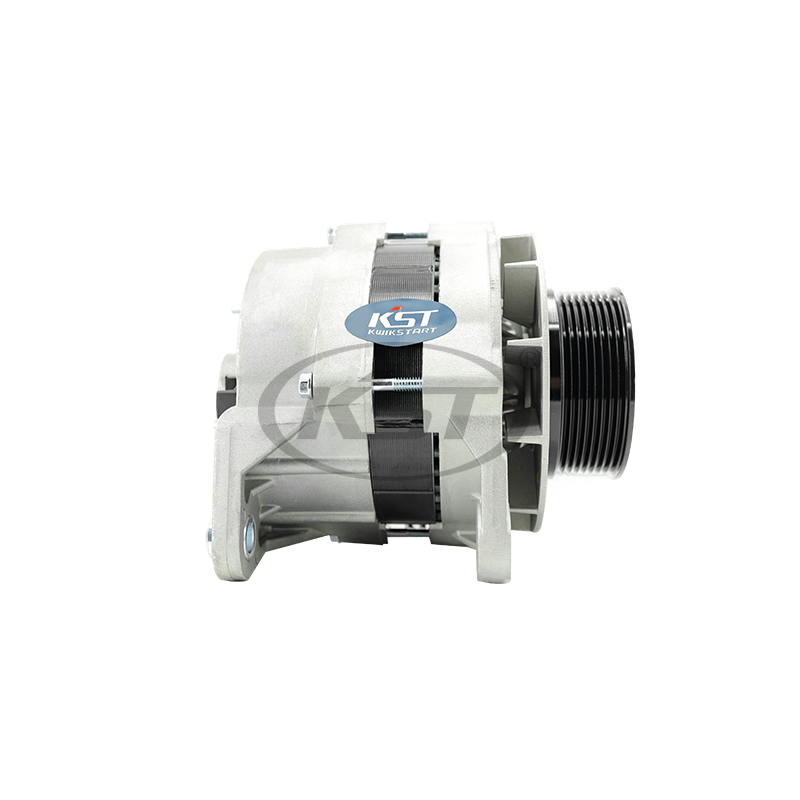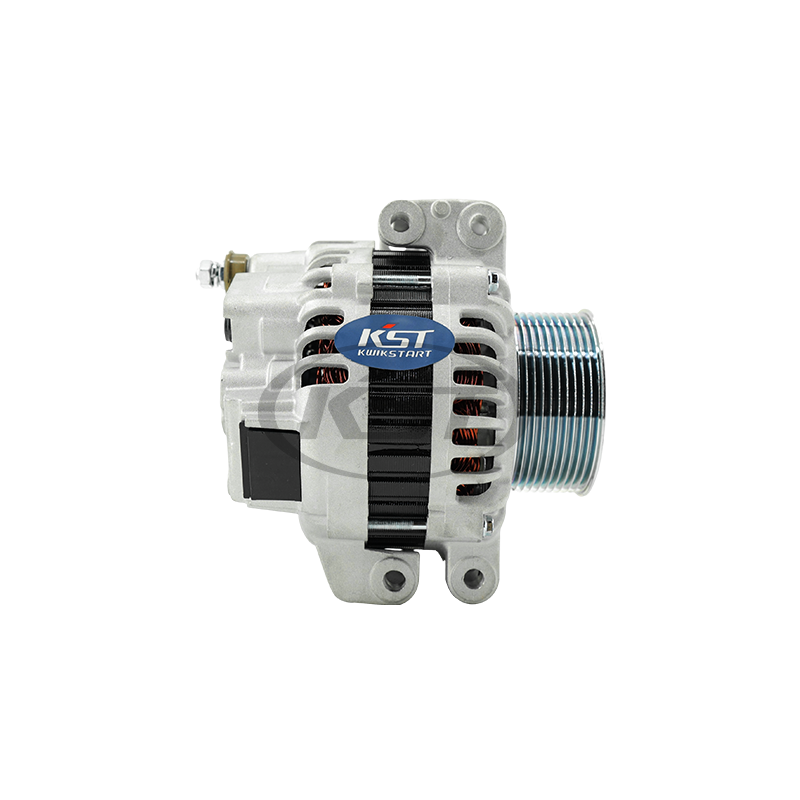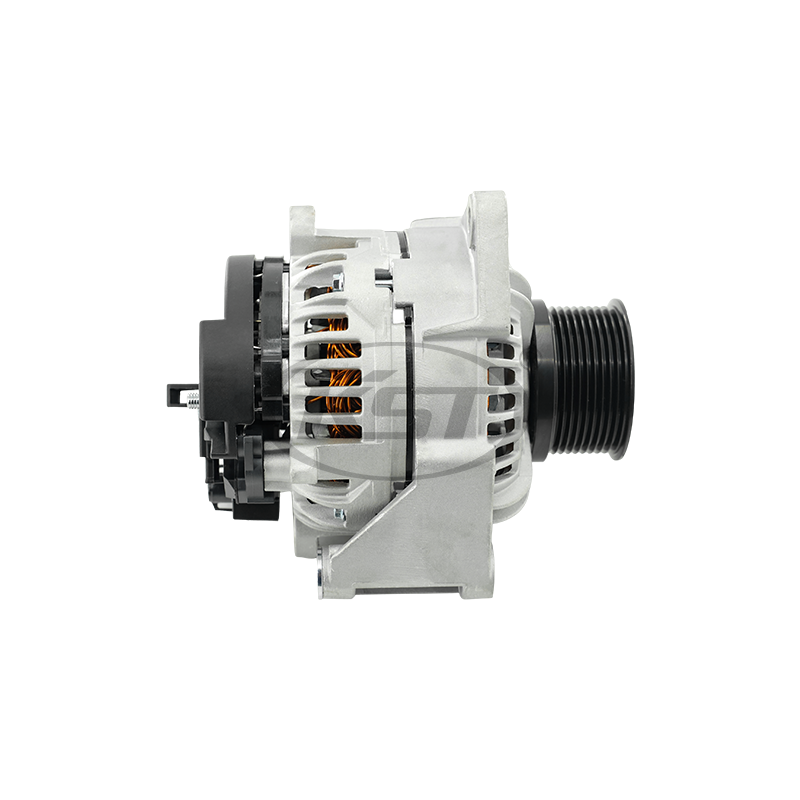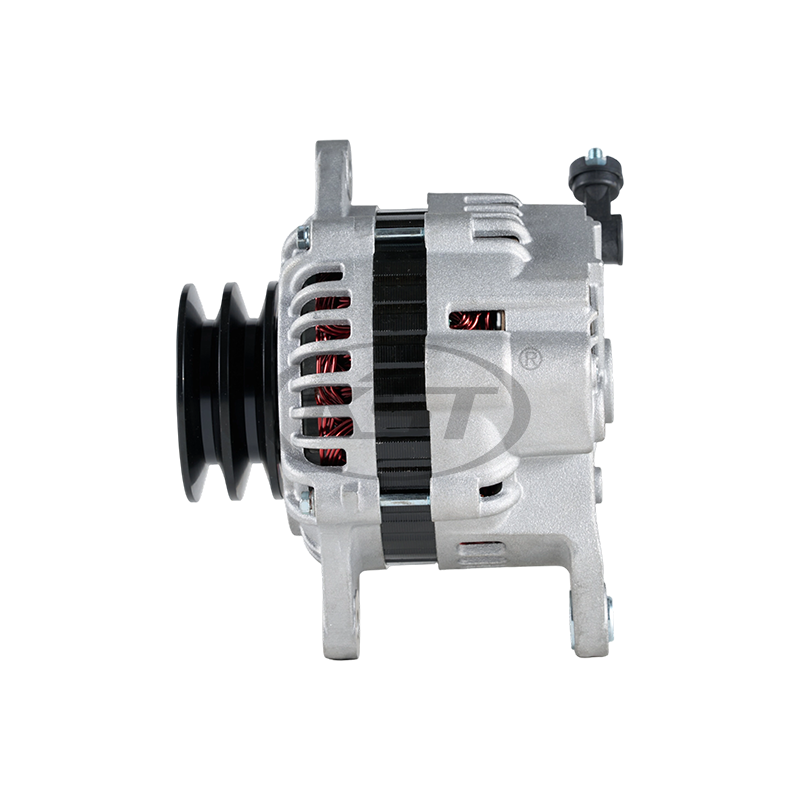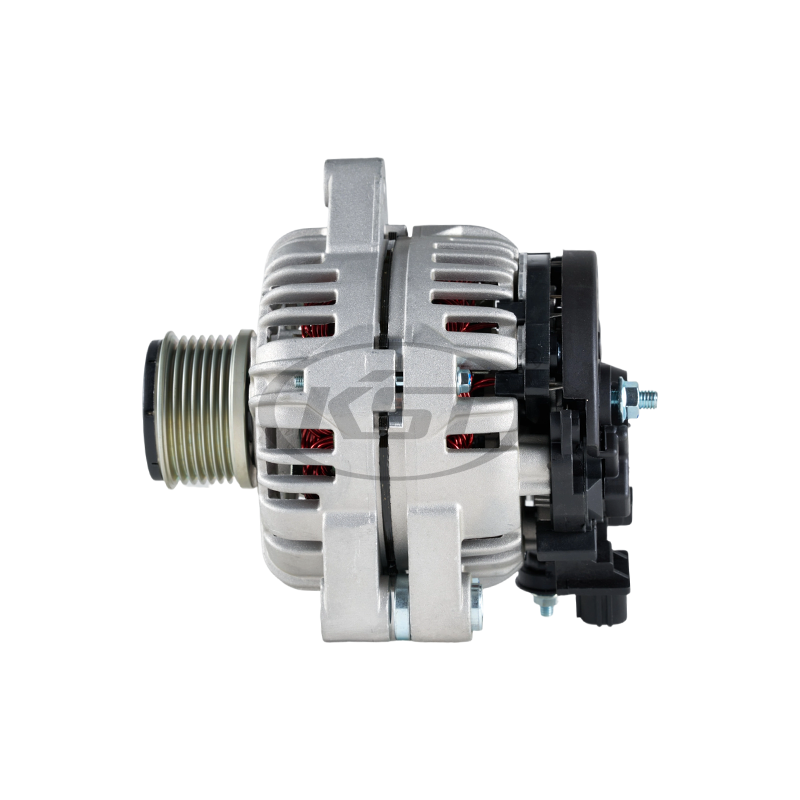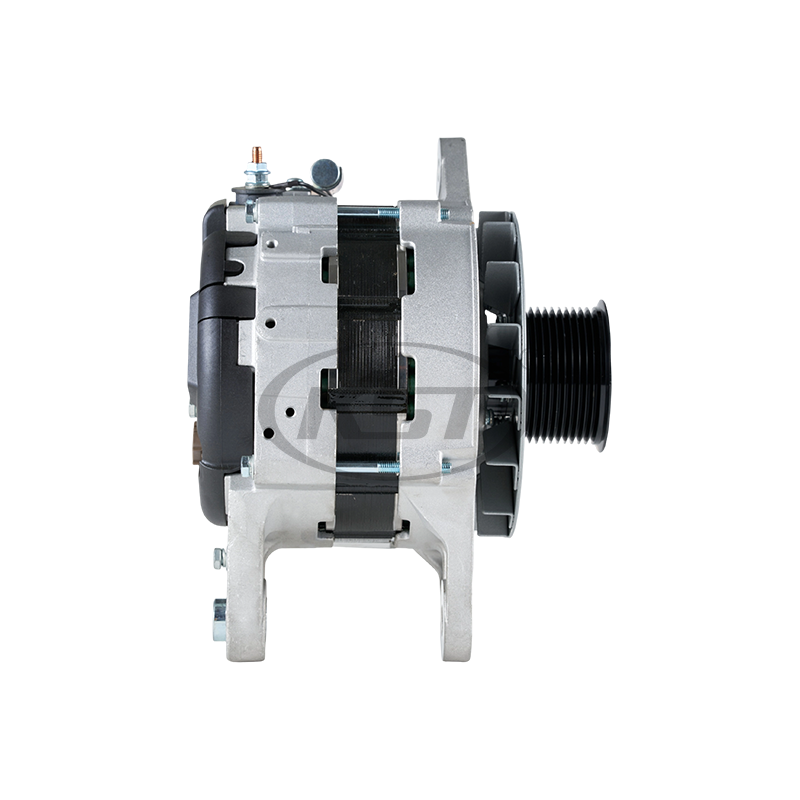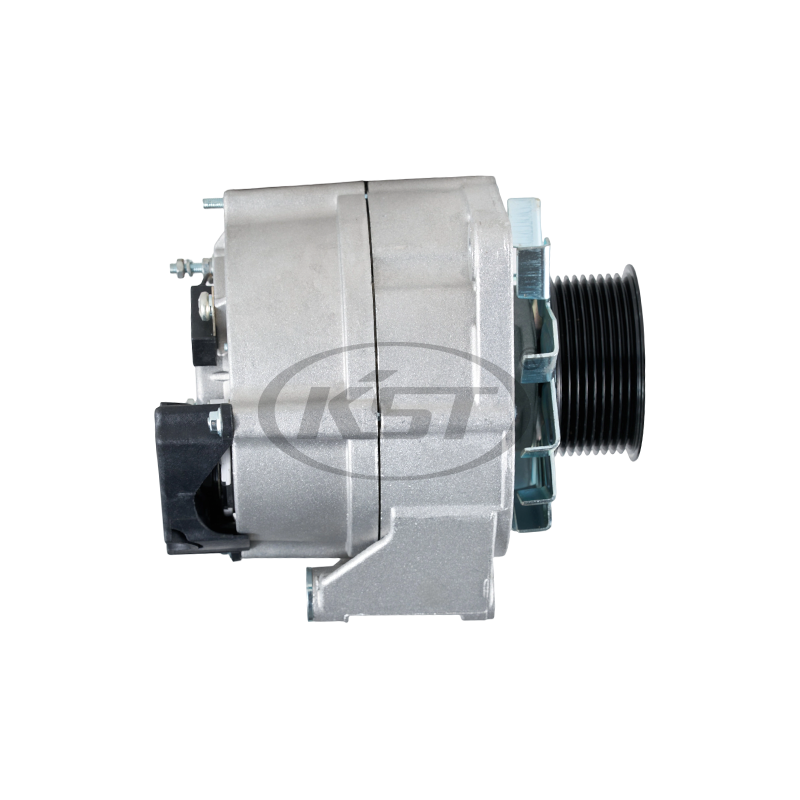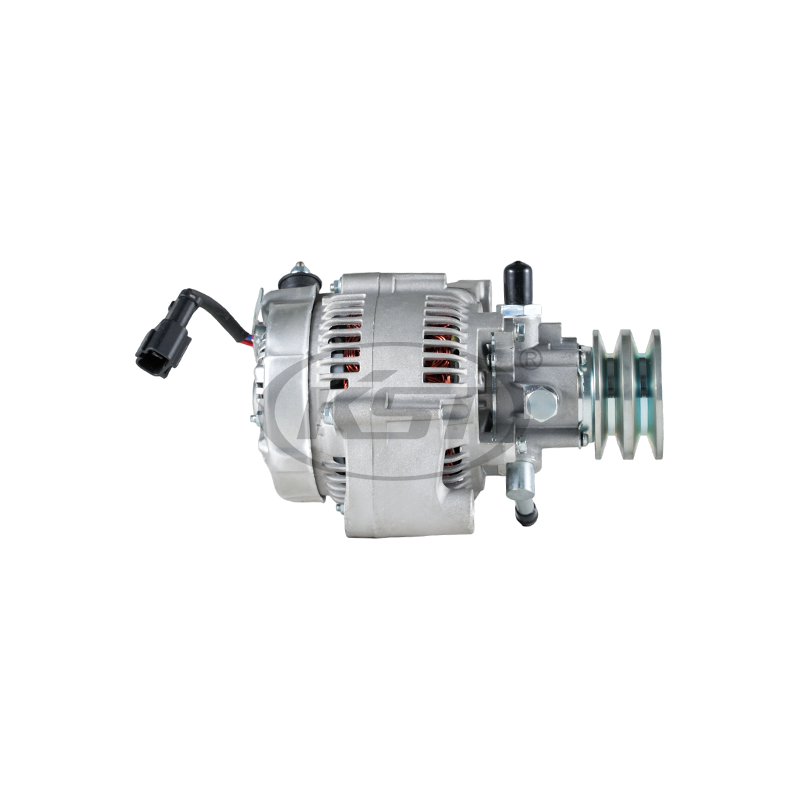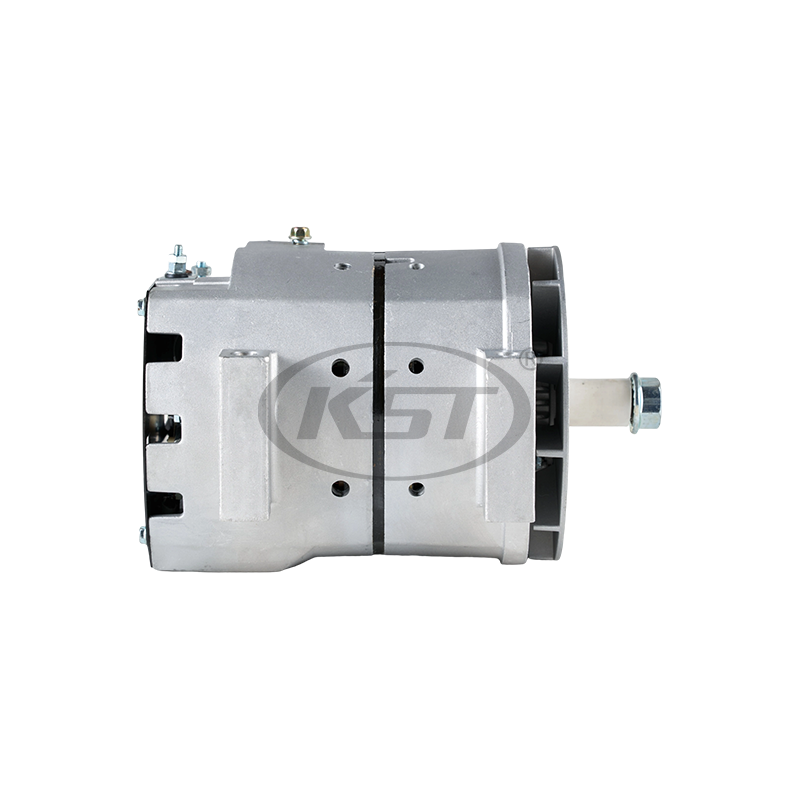
Starting an engine draws a substantial amount of current from the battery in a short interval. Once the engine is running, the charging system is expected to restore that energy and to supply the electrical loads that remain active. When journeys last only a few minutes, the time available for replenishment may be limited, especially if headlights, blowers or other accessories stay switched on. Repeated cycles of this kind can gradually lower the battery's state of charge. A Vehicle Alternator that is correctly matched to the vehicle and in sound working order forms the core of the replenishment process, yet its output still depends on engine speed, electrical demand and the overall condition of the charging circuit.
The starter motor requires a high current for the brief period needed to turn the engine. Control modules, fuel pumps and other systems also draw power at the same moment. The energy removed from the battery must later be replaced if the battery is to remain at a healthy state of charge for the next start.
A journey that ends shortly after the engine reaches normal operating temperature leaves little time for the charging system to restore what was taken during cranking. Cold ambient temperatures increase the energy needed for the next start and can slow the chemical processes inside the battery. Frequent stops and restarts, combined with continuous use of heated seats, rear demisters or powerful climate-control fans, further tilt the balance toward net discharge.
While the engine runs, the alternator converts mechanical energy into electrical energy. That energy feeds the vehicle's electrical network and, when surplus is available, flows into the battery to replace the charge lost during starting and during periods of high demand.
Headlights, cabin blowers, heated screens and entertainment systems all increase the current that must be supplied. If the combined demand approaches or exceeds the alternator's output at a given engine speed, the battery may make up the difference and therefore continue to discharge even though the engine is running. Charging behaviour is also influenced by the vehicle's voltage-regulation strategy and by the temperature and age of the battery itself.
A weak or failing alternator, a slipping drive belt, corroded connections or a faulty voltage regulator can leave the battery undercharged regardless of journey length. Selecting a Vehicle Alternator that matches the original electrical and mechanical specifications helps maintain the intended charging capacity, provided the rest of the system remains in good order.
A battery that has not been fully recharged may turn the starter more slowly than usual, especially in cold weather. The engine may require longer cranking before it fires, or it may fail to start until the battery has been externally recharged.
Dashboard indicators that remain on after the engine is running signal that the charging system is not maintaining the expected voltage. These warnings prompt a systematic check of the battery, alternator, belt and wiring rather than an immediate assumption that any single component has failed.
Headlights that brighten and dim with engine speed, or electrical accessories that operate intermittently, can indicate unstable system voltage. Such behaviour may stem from the alternator, from high resistance in the wiring or from a battery that can no longer accept or hold charge properly.
Similar symptoms can arise from an aged battery, loose or corroded terminals, a worn serpentine belt, damaged wiring or faults in the vehicle's charging-control electronics. Testing the battery's state of health and the charging system's output under load identifies the actual source of the problem and avoids unnecessary replacement of serviceable parts.
When trips are generally short and frequent, the cumulative effect on the battery is greater than when the same total distance is covered in fewer, longer runs. Awareness of this pattern helps explain why a battery that once started the engine readily begins to show signs of weakness.
Where practical, limiting the use of high-draw accessories on very short trips reduces the current that must be supplied while the alternator has little time to operate. This measure complements, rather than replaces, proper maintenance of the charging system.
Battery terminals are kept clean and tight. The drive belt is examined for correct tension and for signs of glazing or cracking. Charging voltage and current are checked according to the intervals and methods recommended by the vehicle manufacturer so that developing faults are caught early.
Vehicles that stand unused for extended periods or that are driven only on very short routes may benefit from a suitable battery maintainer connected according to the device instructions. The maintainer supplies a controlled charge that offsets the slow self-discharge of the battery and the small continuous drains present in modern vehicles.
Measured output voltage and current, together with inspection of the belt, connectors and battery condition, establish whether the alternator is at fault. Replacement is considered only after these checks point to the alternator rather than to another part of the system.
Correct fitment requires attention to the vehicle make, model, year, engine variant, original equipment reference, connector style, mounting arrangement and electrical ratings. An alternator that does not match these details may fail to deliver the required output or may not install without modification.
Even a correctly specified alternator will not restore proper charging if the battery is sulphated, the wiring is damaged or the voltage-regulation strategy of the vehicle is not compatible with the replacement unit. The entire charging path is therefore considered when a new alternator is selected.
The replacement unit must meet the voltage and current requirements set by the vehicle manufacturer so that both the battery and the electrical loads receive adequate supply under normal operating conditions.
Mounting points, pulley alignment, belt routing and the shape and pin-out of the electrical connectors are verified against the original installation. Mismatches in any of these areas can cause to noise, premature belt wear or incomplete electrical connection.
Specifications, test information, warranty terms and the availability of technical guidance are reviewed before an order is placed. Clear documentation reduces the risk of receiving a unit that does not match the intended application.
| Observation or Factor | Possible Relation to Charging Balance | Recommended Action |
|---|---|---|
| Frequent short journeys | Limited time for alternator to restore start energy | Note pattern; consider longer runs or external maintenance |
| Slow cranking after short trips | Battery state of charge may be declining | Test battery and charging voltage under load |
| Persistent charging warning lamp | System voltage may be outside normal range | Inspect alternator, belt, connections and battery |
| Dimming lights or erratic accessories | Unstable supply under varying engine speed | Measure output; check wiring and regulator function |
| High electrical load on brief trips | Demand may exceed short-term charging capacity | Reduce accessory use where practical; verify system health |
| Replacement consideration | Fault must be isolated before parts are changed | Confirm diagnosis; match alternator to vehicle data |
Frequent brief journeys can leave a battery undercharged when starting demand and electrical loads repeatedly exceed the energy returned during each run. Alternator output, battery condition, wiring integrity and the vehicle's charging strategy all influence the outcome. Systematic testing identifies the true source of symptoms before any component is replaced, and a correctly specified alternator supports the intended charging performance once other faults have been ruled out. Zhejiang KST Automotive Electric Motor Co., Ltd. manufactures alternators for a range of vehicle applications. Review of output ratings, mounting configurations, connector types and vehicle compatibility data against the specific charging-system requirements allows selection of a unit suited to reliable everyday operation.
Your email address will not be published. Required field are marked*
Get in Touch
 Heavy Duty Vehicle Motor Factory


 en
 English
 عربى
 فارسی