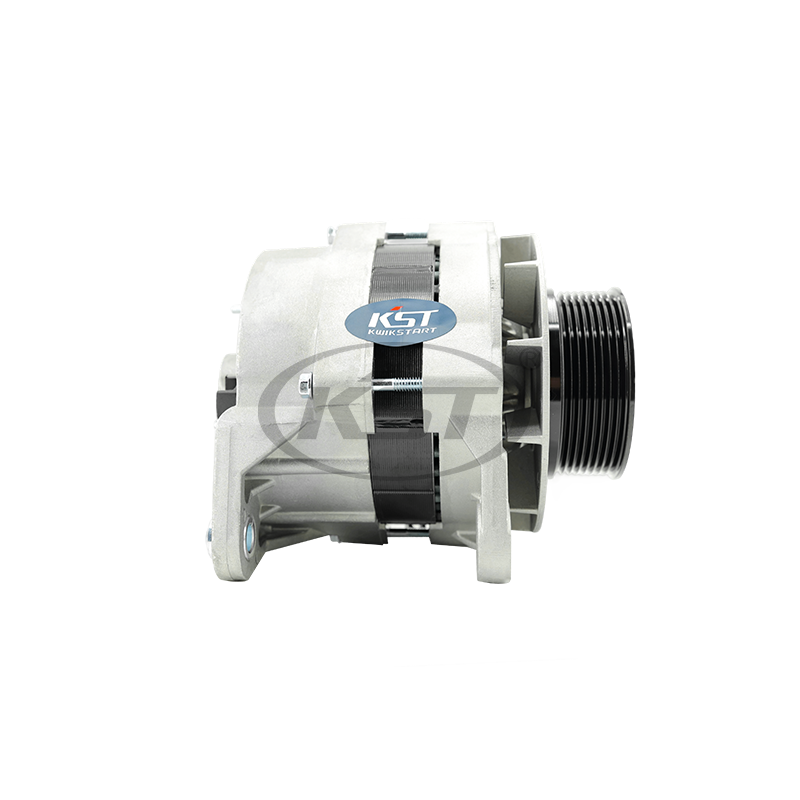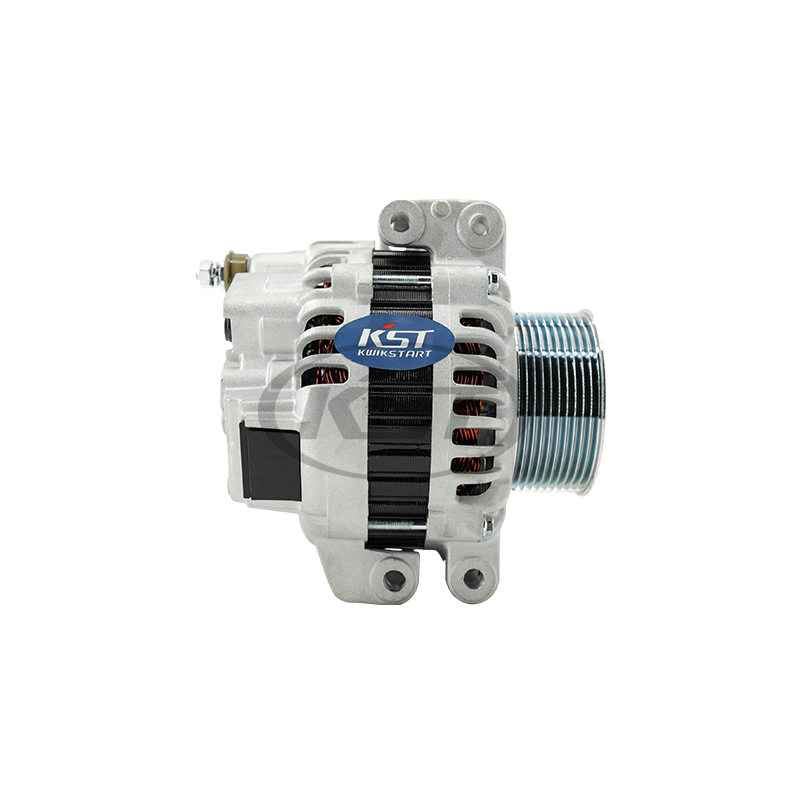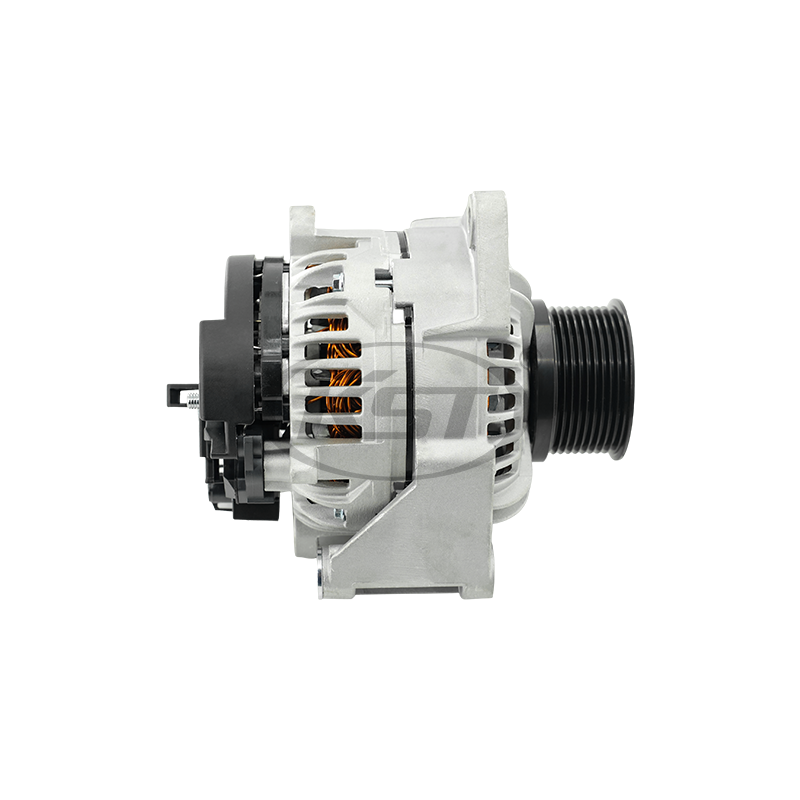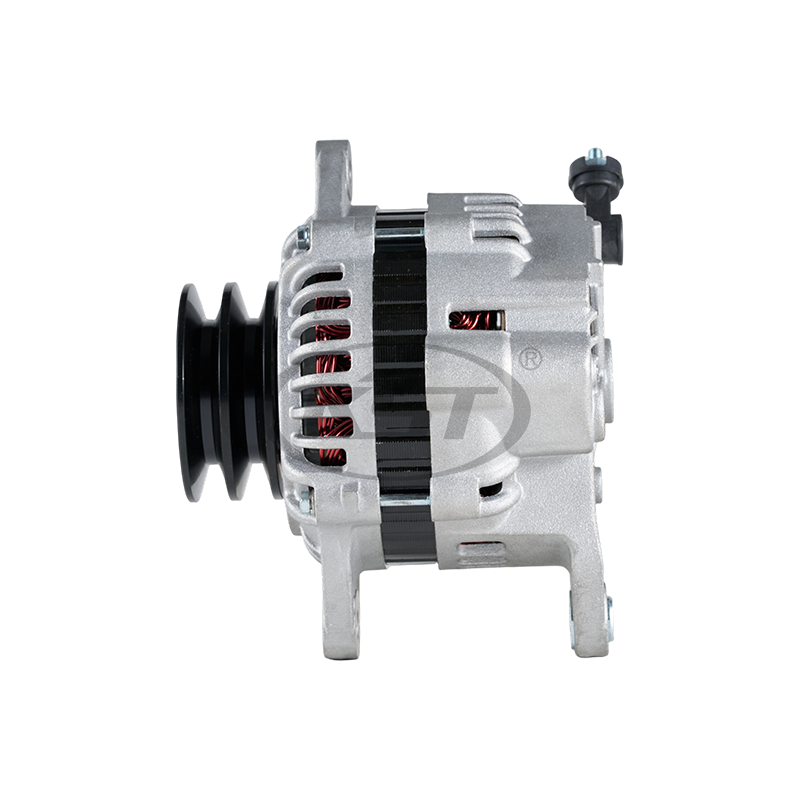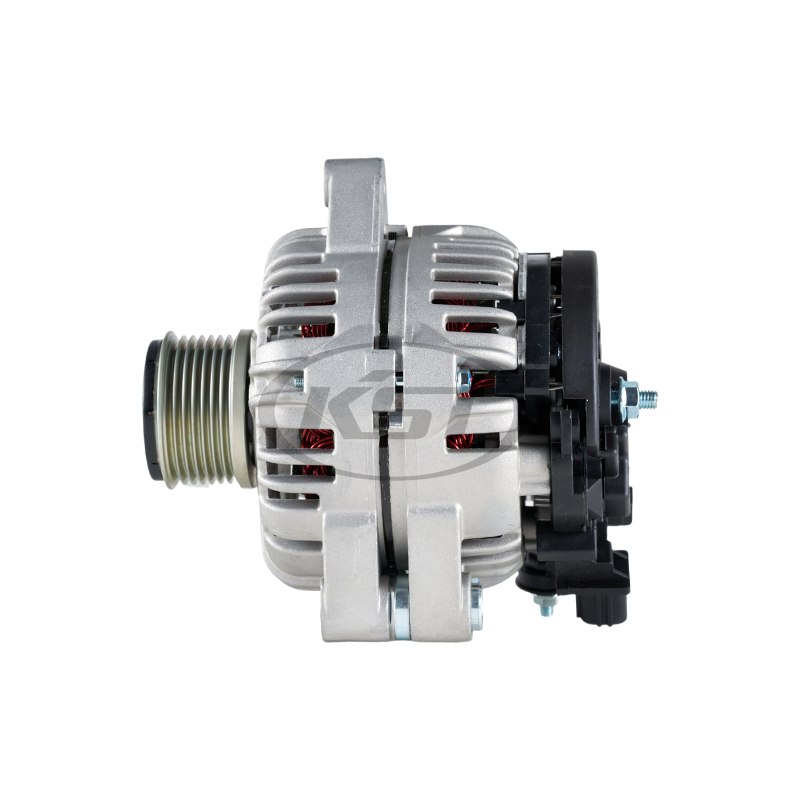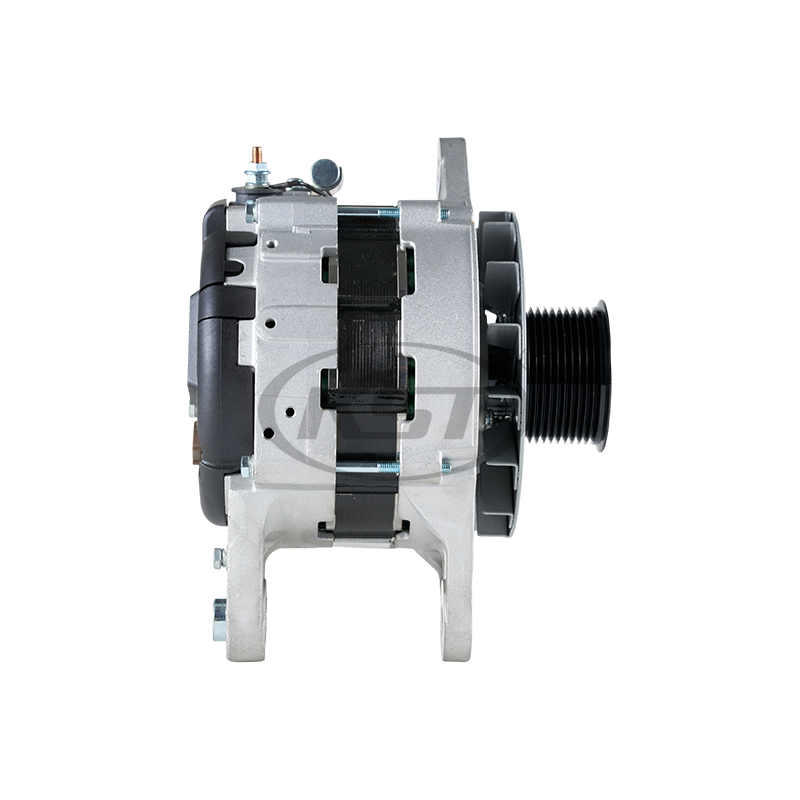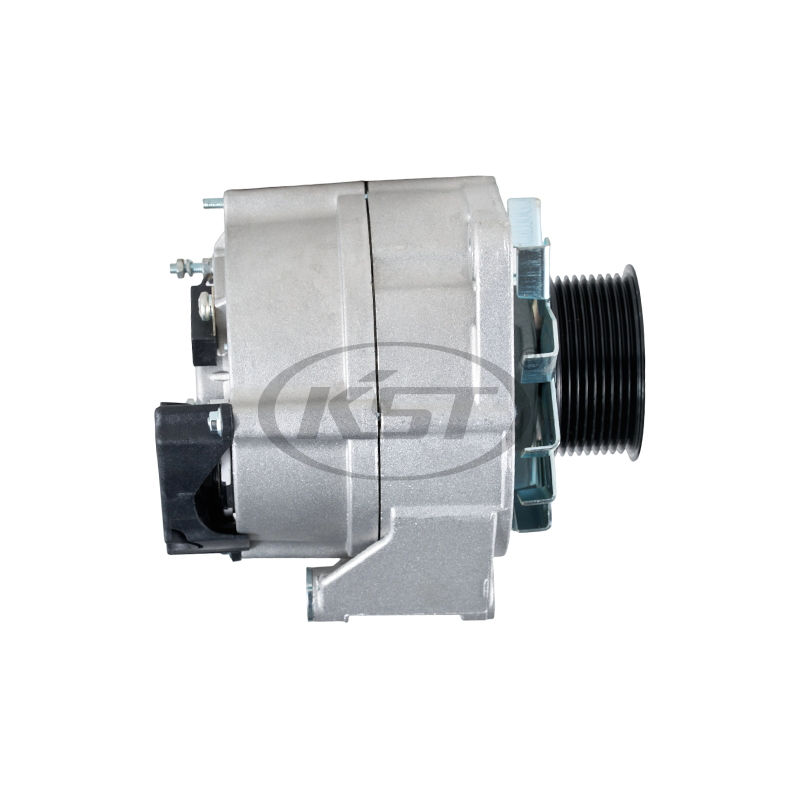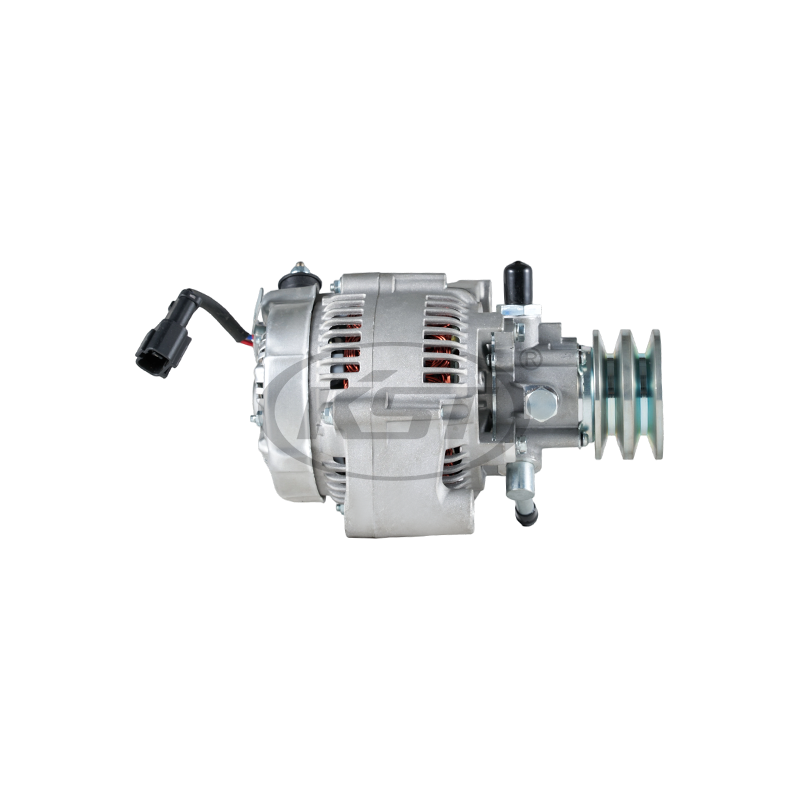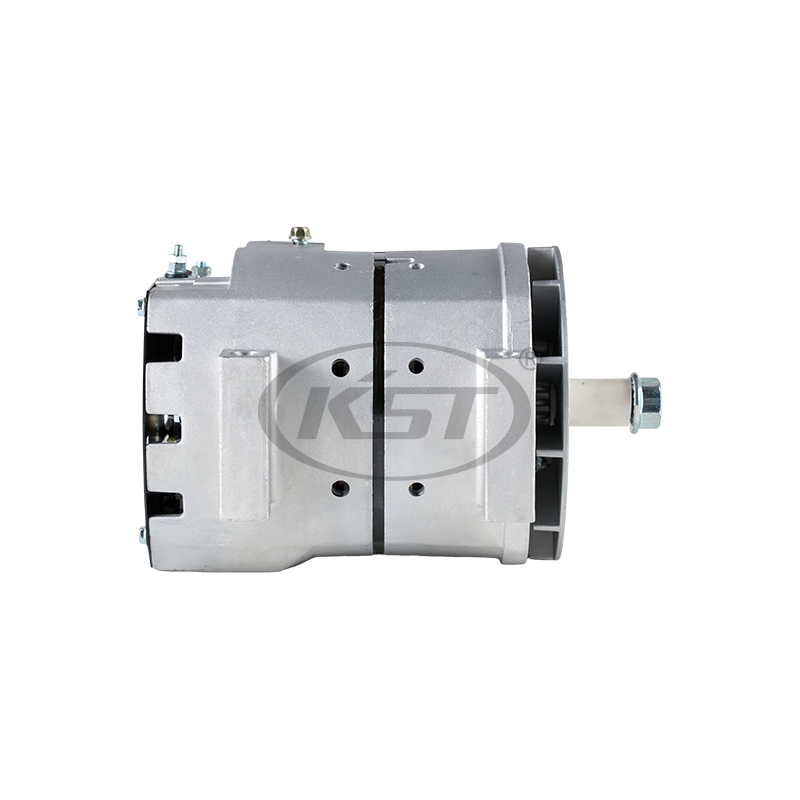
The Alternator is a central component in modern machinery and vehicles, designed to convert mechanical energy into electrical energy. As engines operate, the Alternator supplies power to electrical systems and helps maintain battery charge. Its role is essential in supporting lighting, control modules, and auxiliary devices. Without a stable Alternator, electrical output may fluctuate, which can affect the consistent operation of equipment in various working environments.
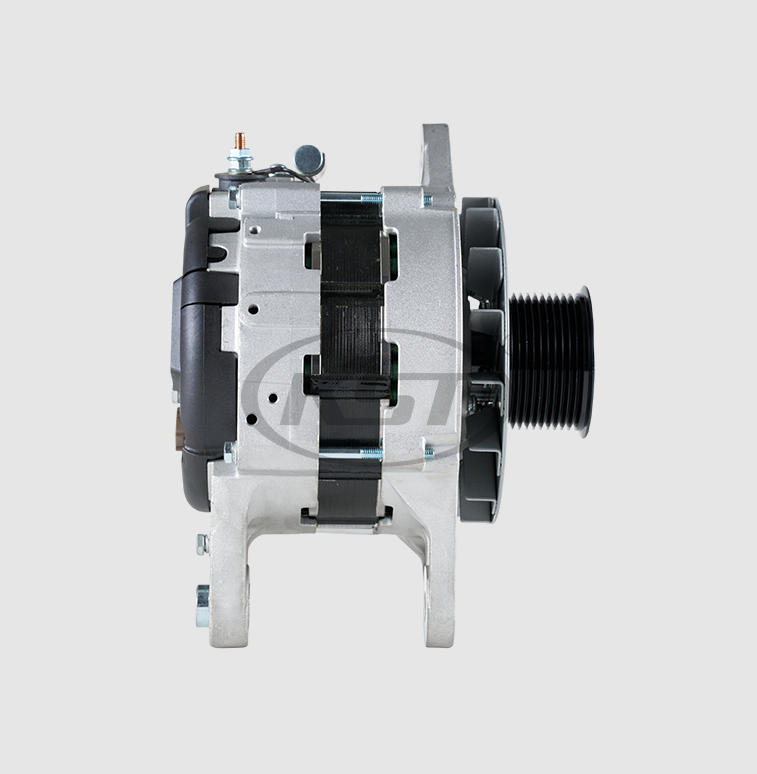
The operation of an Alternator is based on electromagnetic induction. When the engine rotates, it drives the rotor inside the Alternator, generating a magnetic field. This rotating field interacts with the stator windings, producing alternating current. The Alternator then uses a rectifier to convert this current into direct current suitable for system use. A voltage regulator is also included to control output levels and maintain stability under changing engine speeds.
A typical Alternator is composed of several integrated parts that function together. These include the rotor, stator, rectifier, voltage regulator, bearings, and cooling system. Each component contributes to the overall performance of the Alternator. The rotor generates magnetic flux, while the stator produces electrical output. The rectifier ensures proper current conversion, and the regulator maintains consistent voltage. Cooling elements help dissipate heat generated during continuous operation.
The Alternator is widely applied in automobiles, construction machinery, agricultural equipment, and industrial systems. In excavators and similar heavy equipment, the Alternator supports electronic control units, sensors, and operator interfaces. In vehicles, it ensures that the battery remains charged while powering electrical accessories. Industrial generators also rely on the Alternator to deliver continuous electricity for operations that require a steady energy supply.
Several factors can influence how an Alternator performs in real-world conditions. Engine speed, load demand, temperature, and installation quality all play a role. High operating temperatures may affect internal components, while improper belt tension can reduce efficiency. The Alternator must be properly aligned and securely mounted to avoid vibration and mechanical stress. Stable input conditions help maintain consistent electrical output and prolong operational reliability.
Routine maintenance is important for keeping the Alternator in a stable working condition. Regular inspection of wiring connections, belt tension, and mounting hardware helps identify potential issues early. Dust accumulation and moisture exposure should be minimized to protect internal components of the Alternator. Monitoring output voltage during operation can also provide insight into performance. Preventive maintenance practices help reduce unexpected interruptions and support continuous operation.
Modern versions of the Alternator incorporate design improvements that enhance performance and adaptability. Advanced voltage regulation systems allow the Alternator to adjust output according to load variations. Improved insulation materials and optimized internal layouts contribute to better heat management. Compact structural designs make integration easier in space-constrained engine compartments. These features help the Alternator maintain steady operation under varying environmental and mechanical conditions.
When selecting an Alternator, it is important to consider voltage rating, current output, mounting configuration, and compatibility with the engine system. Different applications require specific specifications to ensure proper integration. Reviewing technical parameters helps ensure that the Alternator aligns with system requirements. Proper selection supports stable electrical performance and reduces the likelihood of installation challenges or operational mismatches.
For more information on Alternator, visit our product page and learn how this innovative technology can support your power generation and electrical system requirements.
Your email address will not be published. Required field are marked*
Get in Touch
 Heavy Duty Vehicle Motor Factory


 en
en  English
 عربى
عربى فارسی
فارسی